
Stoughton Van Trailers For Sale in Illinois
Shop Stoughton van trailers with specs buyers want, including 53' dry vans, logistics posts, air ride, swing doors, and sliding tandems.
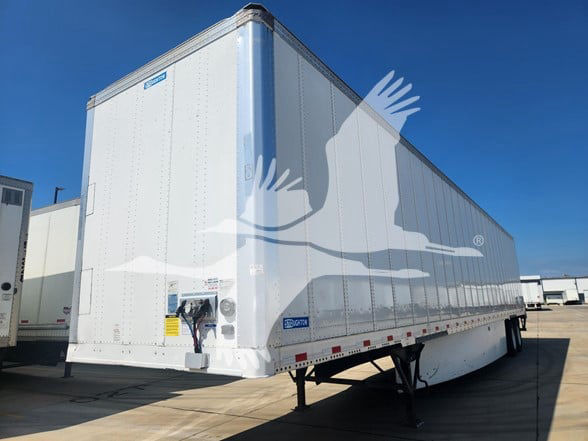
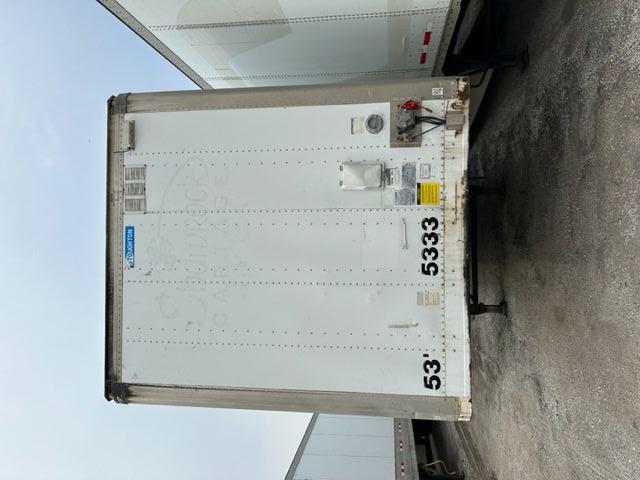
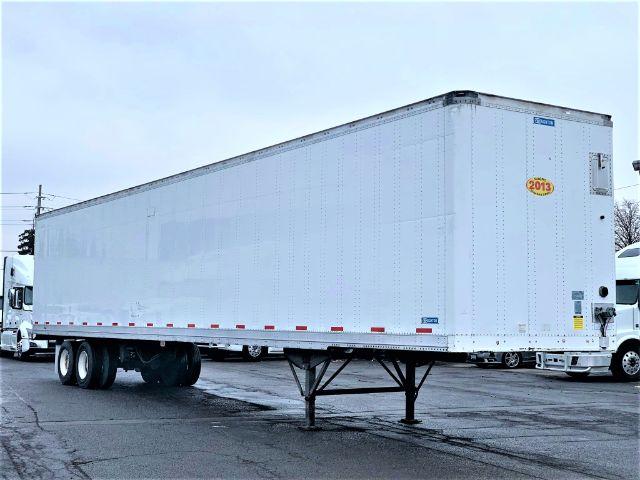
Have stoughton van trailer to sell? List it here to reach thousands of buyers.
Stoughton Van Trailers in Illinois
The most important spec decisions usually come down to trailer length, door configuration, suspension, and interior cargo control. A 53-foot van is the standard for general freight, retail, and warehouse distribution, while 45-foot units still fit certain dedicated lanes and older fleet requirements. Swing doors are common on linehaul and dock freight because they offer full rear opening and simple serviceability. Roll-up doors can make sense for frequent stop work, but they add weight and reduce clear opening height. Inside the trailer, many buyers look for wood floors, plywood lining, scuff plates, threshold plates, and either E-track or 24-inch logistics posts for load securement flexibility.
For used Stoughton van trailers, condition matters as much as spec. Buyers should inspect the roof, front wall, rear frame, and floor crossmember area for impact damage, corrosion, and signs of repeated forklift abuse. Check the floor closely for rot, delamination, soft spots, and excessive wear at the dock end. Suspension type also affects operating cost and ride quality. Air ride is preferred for better cargo protection and resale appeal, while spring suspension can still be a workable option for budget-focused applications. Side skirts, tire inflation systems, low-pro 22.5 tires, and disc wheels are all features that can improve fuel economy, uptime, and maintenance intervals depending on the route profile.
A Stoughton dry van fits a wide range of freight including packaged goods, paper products, non-perishable food, consumer products, and palletized industrial freight. Buyers comparing listings should pay attention to inside height, logistics package, tandem slide range, rear door style, and evidence of trailer fleet maintenance. A clean Stoughton van with a straight body, solid floor, serviceable suspension, and a well-kept rear frame can be a strong value in the dry van market, especially for carriers running Midwest lanes where dock frequency, weather exposure, and trailer utilization all put real stress on the equipment.
Frequently Asked Questions about Stoughton Van Trailers in Illinois
What are the most common specs on a Stoughton van trailer?
The most common Stoughton van trailer configuration is a 53-foot by 102-inch dry van with a 13-foot 6-inch overall height, sliding tandems, and either air ride or spring suspension. Many units are built with aluminum construction, wood floors, scuff liners or scuff plates, threshold plates, and logistics posts or E-track. Swing doors are very common, although some trailers are equipped with roll-up doors for multi-stop delivery work.
Is air ride better than spring suspension on a used Stoughton van trailer?
Air ride is usually preferred because it provides better ride quality, helps protect sensitive freight, and tends to be more attractive at resale. It is a strong fit for general freight, retail, and higher-value palletized cargo. Spring suspension can still be useful for buyers focused on lower acquisition cost and simpler mechanical design, but it generally delivers a harsher ride and is less desirable in many fleet applications.
What should I inspect first on a used Stoughton dry van?
Start with the floor, rear frame, roof, and front wall. The floor tells you a lot about forklift traffic, water intrusion, and overall structural wear. The rear frame and door area often show damage from dock contact and repeated loading. The roof and upper rails should be checked for leaks, patches, and impact damage. Also inspect crossmembers, tandem slide components, suspension, brakes, tires, and the interior lining to confirm the trailer has been maintained and not just cosmetically cleaned.
What is the advantage of logistics posts or E-track in a van trailer?
Logistics posts and E-track give a dry van more flexibility for load securement. They make it easier to use load bars, straps, and decking systems for mixed freight, partial loads, and freight that cannot simply be stacked and braced against the nose. For buyers hauling retail freight, consumer goods, or LTL-style palletized shipments, a trailer with a logistics package is often more versatile than a plain-lined van.
Are side skirts and tire inflation systems worth having on a Stoughton van trailer?
They can be, especially on highway-focused operations. Side skirts help reduce aerodynamic drag and can improve fuel economy over long distances. A tire inflation system helps maintain proper tire pressure, which supports tire life, fuel efficiency, and roadside reliability. These features are most valuable on trailers that spend consistent time in over-the-road service rather than short, low-speed yard or local-only applications.