
Trailers For Sale Near Salina, Kansas
Showing 25 to 26 of 26 results
Have trailer to sell? List it here to reach thousands of buyers.
Trailers Near Salina, Kansas
For general freight and equipment moving, lowboy trailers are a common choice when deck height and machine loading angle matter. Buyers usually pay close attention to neck style, deck length, loaded deck height, axle count, and whether the trailer is configured for future axle additions or a spreader bar. Heavy-haul setups often include air ride suspension, 255/70R22.5 rubber, hub-pilot axles, LED lighting, and polished outer aluminum wheels. Details like boom troughs, flip neck extensions, work lights, toolbox space, front flip ramps, and air-weigh systems can make a real difference in daily use. If the trailer will run on multi-state oversize work, swing clearance, fifth wheel height, and overall combination setup become just as important as rated tonnage.
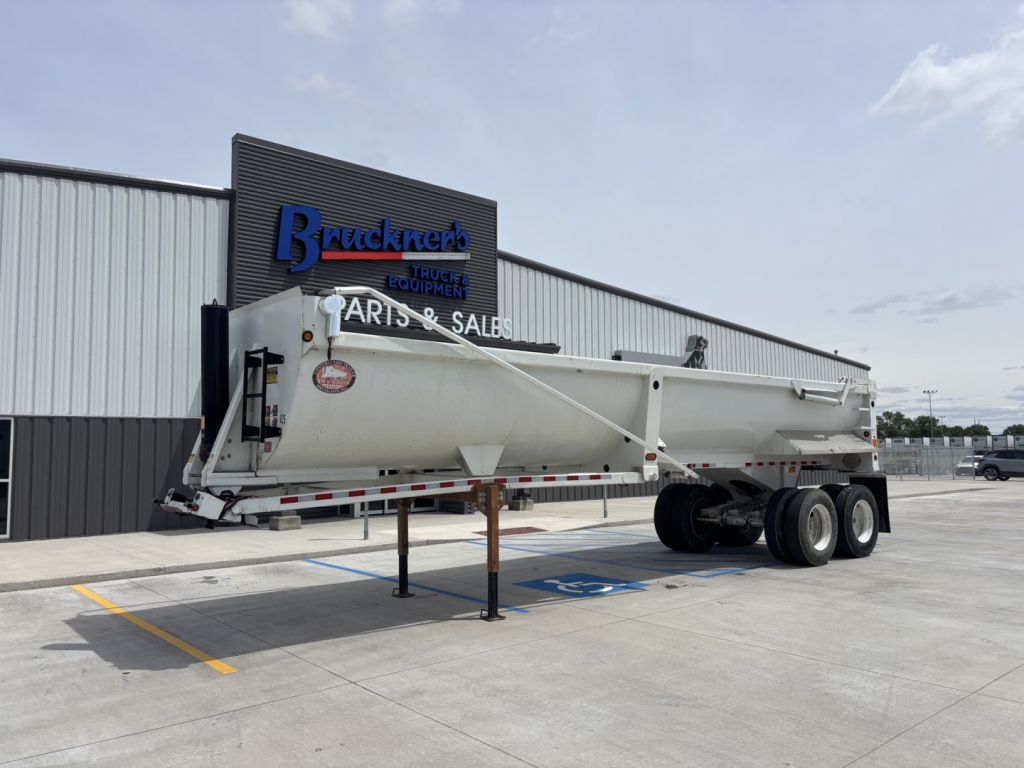
Dump trailers are a different buying decision. A half-round or end dump is typically chosen for material flow, body durability, and cycle efficiency rather than deck geometry. Body thickness, gate style, top rail design, tarp system, suspension type, brake condition, and tire life are key items to evaluate, especially on used units. A self-shedding top rail, high-lift gate, ladders, drop legs, and a solid inspection history all add practical value. In Kansas, where trailers often see a mix of highway miles, gravel roads, and seasonal weather swings, buyers usually favor straightforward brake and suspension systems that are easy to service and keep legal.
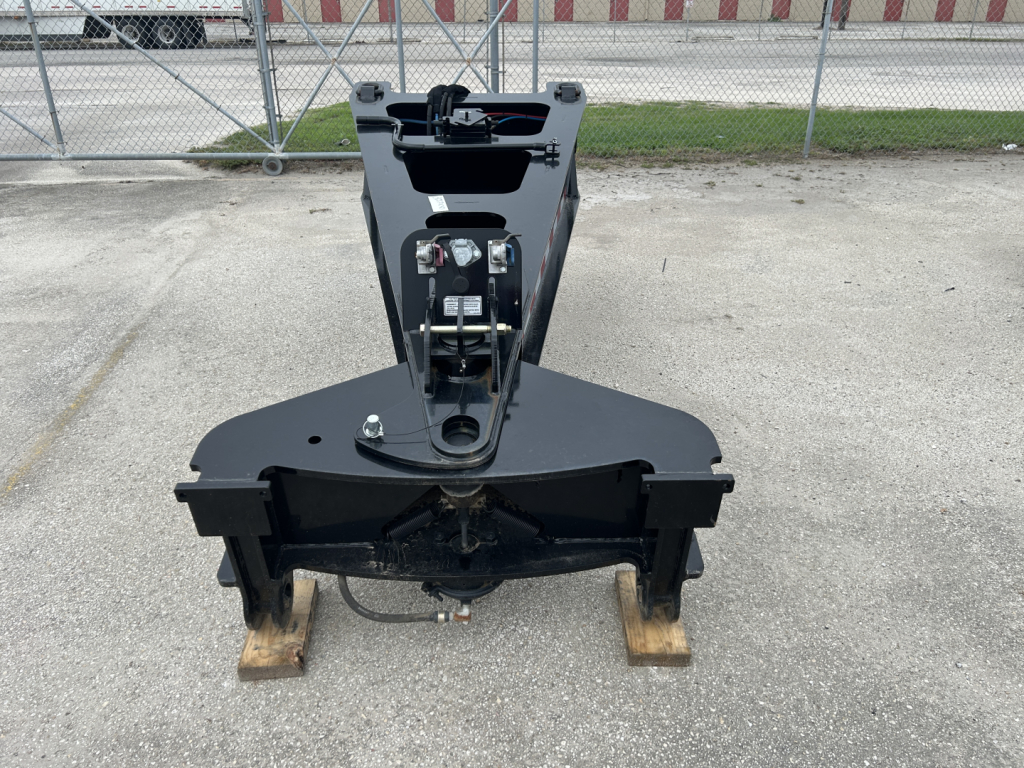
Specialized heavy-haul attachments such as jeep dollies, converter dollies, and flip axles deserve close attention because they change how the entire combination carries and distributes weight. Buyers should verify axle capacity, fifth wheel height, rigid versus adjustable layout, air lock sliding plate design, suspension controls, brake dimensions, lighting package, and connection points like D-rings, stake pockets, and wide-load sign provisions. These components are often used to tune a setup for bridge law, axle loading, or permit requirements on oversize and overweight moves. When comparing trailers for sale, the best choice is the one that matches the freight, the route, and the legal configuration without forcing unnecessary compromises in loading, serviceability, or operating cost.
Frequently Asked Questions about Trailers Near Salina, Kansas
What should I look at first when comparing trailers for sale?
Start with the actual job the trailer needs to do. Load type, weight, load height, route restrictions, and frequency of use should drive the decision before brand or model year. After that, focus on axle count, suspension, frame or body design, brake setup, tire size, deck height or body capacity, and how the trailer integrates with your tractor and any auxiliary components. A trailer that is technically rated for the load can still be the wrong choice if the ride height, kingpin setting, or axle spacing does not fit your operation.
What is the difference between a lowboy trailer and a jeep dolly or flip axle?
A lowboy trailer is the main hauling platform used to carry equipment and other heavy loads at a lower deck height. A jeep dolly is a separate heavy-haul component placed between the tractor and trailer to redistribute weight and help meet legal axle requirements. A flip axle mounts at the rear of certain lowboy configurations to add carrying capacity and improve axle loading. These components are often used together on oversize and overweight moves, but they serve different mechanical and permitting functions.
Are air ride suspensions common on trailers, and do they matter?
Yes, air ride suspension is common on many equipment and heavy-haul trailers because it helps with ride quality, load protection, and adjustability. On specialized trailers and dolly systems, air ride can also support ride height control and axle loading management. For dump trailers, some buyers still prefer simpler suspension designs depending on terrain, maintenance preferences, and duty cycle. The right suspension depends on cargo sensitivity, road conditions, and how much flexibility is needed in the setup.
What specs matter most on a used dump trailer?
Body condition is a priority, especially floor wear, sidewall thickness, hoist condition, gate operation, tarp function, and top rail integrity. Buyers should also check brake remaining life, tire condition, suspension wear points, landing gear, and signs of cracking or repairs around stress areas. A current inspection and evidence of routine maintenance can be just as important as the trailer's age. Material history matters too, because a trailer hauling riprap or demolition debris will usually show a different wear pattern than one used for sand or grain.
Why do kingpin settings and fifth wheel height matter on trailer setups?
Kingpin settings and fifth wheel height affect tractor clearance, load distribution, turning radius, and overall combination geometry. On heavy-haul trailers, jeep dollies, and lowboy configurations, small differences in these measurements can change swing clearance, legal axle loading, and how the setup tracks on the road. Matching those dimensions to the tractor and intended load is essential for safe operation and for avoiding fitment problems during loading, transport, and permitting.