
Used 2018 Wabash Reefer Trailers For Sale

Have used 2018 wabash reefer trailer to sell? List it here to reach thousands of buyers.
Used 2018 Wabash Reefer Trailers
Construction and interior spec are where a reefer trailer earns its keep. Many Wabash reefers from this era use aluminum-focused designs to keep tare weight in check while maintaining durability for high-cycle freight. Buyers should pay close attention to floor type, scuff liners or scuff plate, stainless steel rear door frames, E-track, and the condition of the sidewalls and roof. A flat aluminum floor can be attractive for certain palletized freight, but floor wear, patching, and forklift damage should be reviewed carefully on any used refrigerated trailer. Roll-up doors, swing doors, curbside doors, and liftgates each change how the trailer works in route delivery or dock freight. For multi-stop operations, features like a curbside door and liftgate can add real value, while long-haul dock-to-dock lanes may favor a simpler spec.
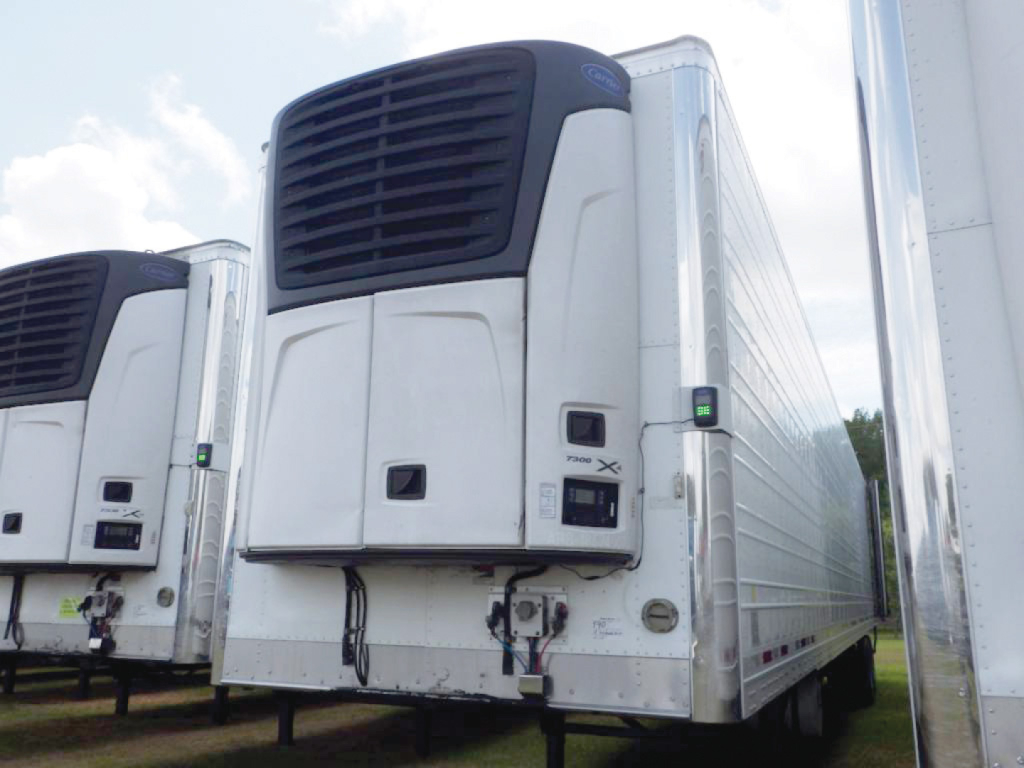
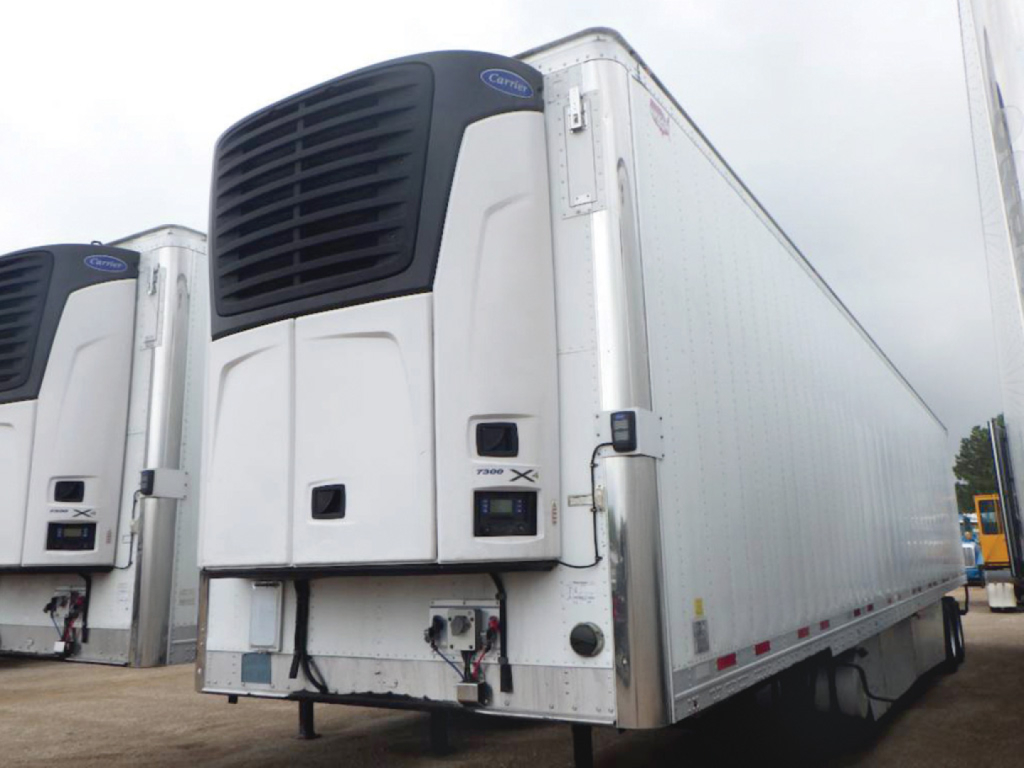
Reefer unit spec is the other major buying decision. On used 2018 Wabash reefer trailers, it is common to see Carrier or Thermo King units depending on original fleet preference and lane requirements. Buyers should verify engine hours, electric standby if equipped, temperature pull-down performance, defrost function, controller operation, and service history. If the freight is frozen, deep-chill capability and insulation integrity matter more than cosmetic appearance. If the trailer will be used for produce or mixed-temp regional work, airflow management, bulkhead setup, and door seal condition become critical. A reefer with poor seals, damaged lining, or inconsistent unit performance can quickly erase any purchase-price advantage through cargo claims and higher operating cost.
Running gear and compliance items deserve the same level of scrutiny. Sliding tandems remain a common spec because they give flexibility for bridge law and axle scaling, and spring ride suspensions are still widely accepted in refrigerated service. Disc brakes, tire inflation systems, side skirts, low-profile 22.5 tires, and aerodynamic options can all appear on Wabash reefers from this period and can improve stopping performance, tire life, and fuel economy. Kingpin area condition, slider rail wear, crossmember integrity, and reefer fuel tank condition should be checked before purchase, especially on higher-mile regional trailers. A used 2018 Wabash reefer trailer can be a strong value when the insulation package, reefer unit health, and structural condition all line up with the freight you plan to haul.
Frequently Asked Questions about Used 2018 Wabash Reefer Trailers
What should I inspect first on a used 2018 Wabash reefer trailer?
Start with the reefer unit, trailer structure, and interior condition. Confirm the refrigeration unit starts cleanly, holds set temperature, and has documented service history. Then inspect the front wall, roof, floor, crossmembers, rear frame, and slider assembly for damage or corrosion. Inside the box, look closely at scuff liners, wall punctures, door seals, and any signs of moisture intrusion, because insulation and air leaks directly affect temperature control.
What lengths are common on Wabash reefer trailers from this era?
The most common market configuration is a 53-foot reefer trailer, but 48-foot and 51-foot versions also appear, especially in route delivery, specialized fleet use, or regional applications. Most are built at 102 inches wide and 13 feet 6 inches tall. The right length depends on cube needs, axle laws, dock access, and whether the trailer is running linehaul, dedicated foodservice, or multi-stop city work.
Are disc brakes and tire inflation systems worth having on a used reefer trailer?
They can be a meaningful advantage if they are in good working order. Disc brakes generally improve stopping consistency and reduce brake fade in demanding service, while automatic tire inflation systems can help maintain tire pressure and lower irregular wear. On a used trailer, the value depends on condition and maintenance history. A poorly maintained system adds repair cost, but a sound system can reduce downtime and improve operating efficiency.
How important are door configuration and liftgate options on a reefer trailer?
They are very important because they affect loading method, seal integrity, and route efficiency. Swing doors are common for dock freight and can offer a straightforward rear opening. Roll-up doors are useful in frequent-stop work where drivers need fast access, but they can reduce rear opening clearance and need careful inspection for track wear and seal condition. A curbside door and liftgate are especially useful for foodservice and store delivery where dock access is limited.
Which matters more on a used reefer, the trailer body or the refrigeration unit?
Both matter, but buyers often underestimate the trailer body. A strong reefer unit cannot fully overcome bad insulation, damaged door seals, or compromised interior lining. Likewise, a clean insulated box loses value if the refrigeration unit has poor hours history, weak pull-down, or expensive deferred maintenance. The best purchase is a balanced one where the box, insulation package, and refrigeration system all support the temperature range and duty cycle of the freight.