
Used Utility Reefer Trailers For Sale in North Carolina
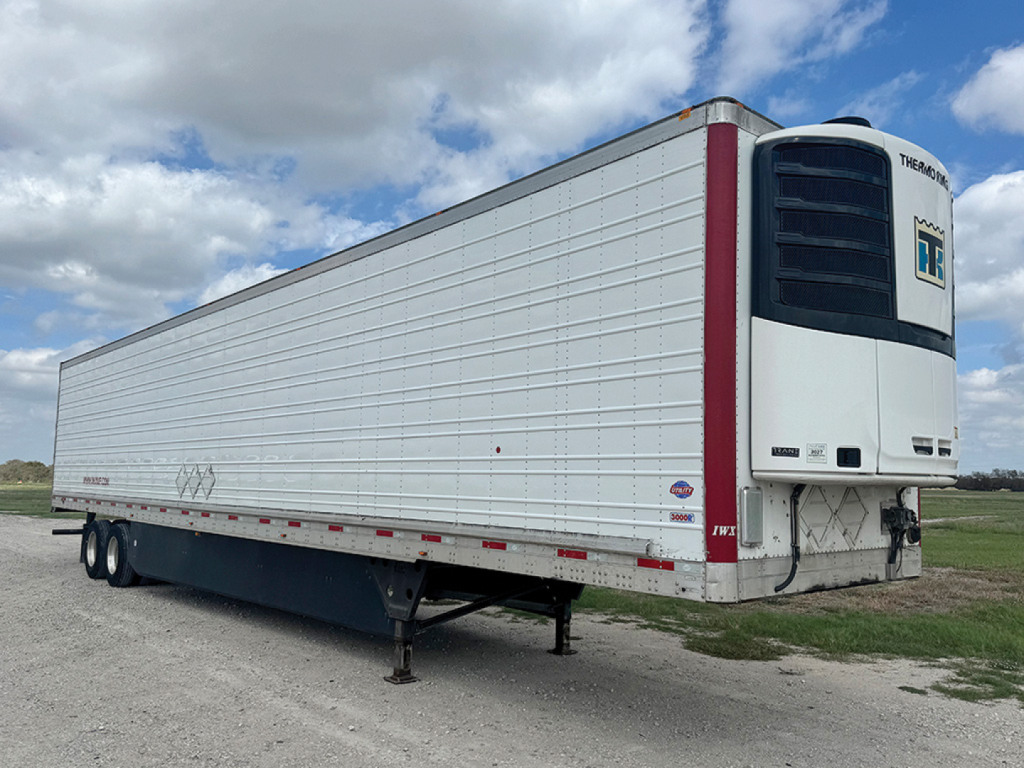
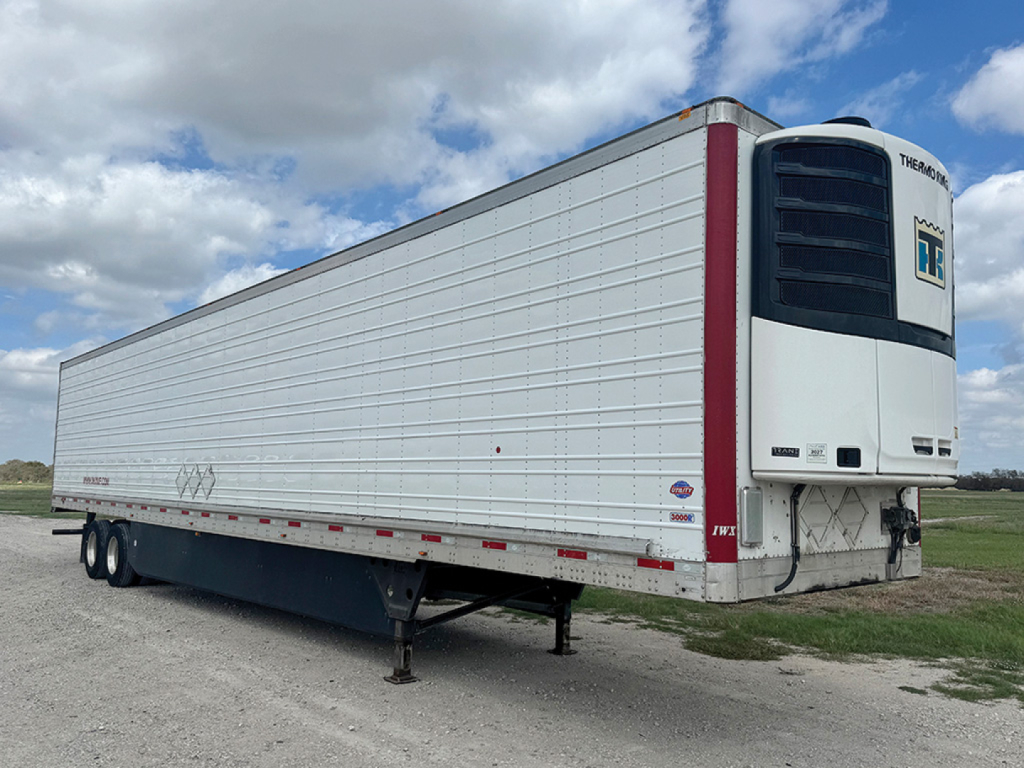
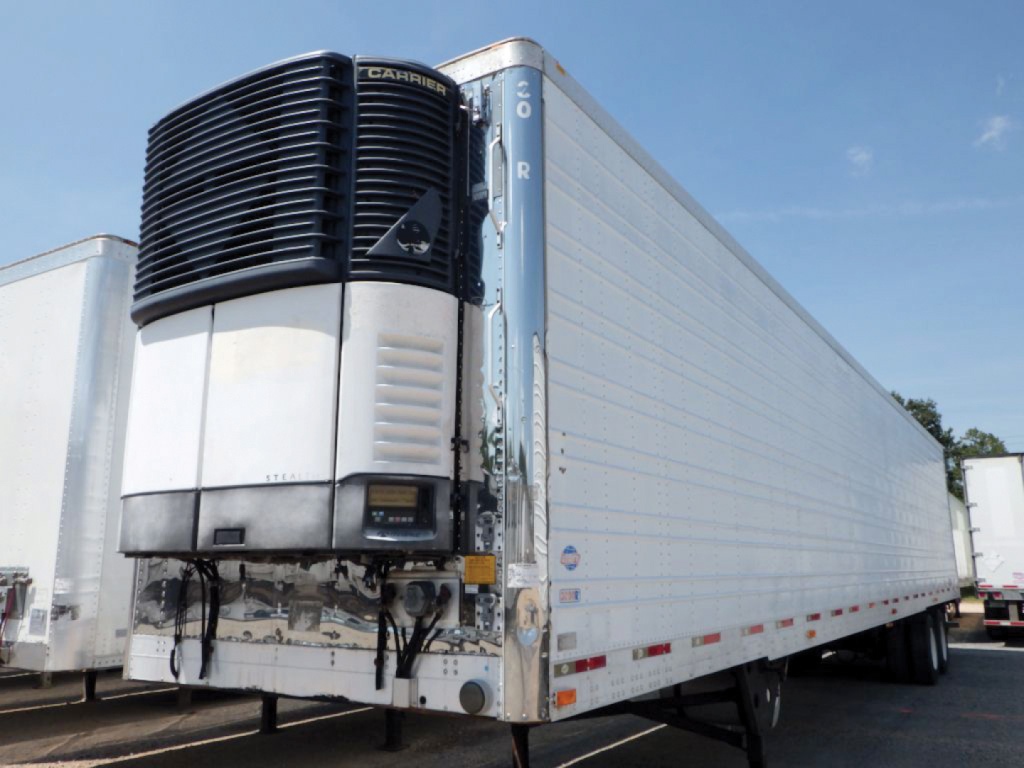
Browse used Utility reefer trailers for sale in North Carolina, including 53-foot 3000R models with Thermo King or Carrier units.

Showing 1 to 28 of 29 results
Selling a used utility reefer trailer? List your used utility reefer trailer for sale and reach thousands of commercial buyers.
Used Utility Reefer Trailers in North Carolina
Most used Utility reefers in this class are 53 feet long, 102 inches wide, and 13 feet 6 inches high, with aluminum construction to keep tare weight in check. Common features include heavy duty aluminum duct floors, scuff plates, stainless steel front radius panels, stainless door frames, quilted swing doors, rear vents, and cold chutes. These details matter because they affect airflow, load protection, washout durability, and how well the trailer holds temperature across multi-stop routes. A good reefer trailer is not just a box with a unit on the nose. It is a temperature-control system where insulation, seals, ducting, and floor condition all work together.
On used Utility reefer trailers, the refrigeration unit deserves a close look. Thermo King Precedent and Carrier X4 or Vector series units are common in this category, and buyers should compare engine hours, electric standby if equipped, alarm history, maintenance records, and pull-down performance. Air ride suspension and sliding tandems are standard specs many carriers want for ride quality, dock approach, and axle compliance. Tire inflation systems, low profile 22.5 tires, aluminum or disc wheels, and side skirts can also improve operating efficiency and reduce maintenance interruptions. If the trailer will run heavy multi-temp style freight, frequent door cycles, or high-cube palletized loads, inspect door seals, interior liner condition, and evaporator area wear carefully.
The smartest way to evaluate a used Utility reefer is to match the trailer to the lane and commodity. A fleet running dense frozen freight may prioritize unit capacity, floor strength, and clean air channels. A buyer focused on produce or mixed grocery may pay closer attention to airflow management, rear venting, and interior cleanliness. In any case, check for body repairs, moisture intrusion, floor damage from forklift traffic, suspension wear, and reefer unit service intervals. Utility trailers have a strong reputation in the refrigerated market, but condition still drives value. The best used reefer trailer is the one with the right unit spec, structural integrity, and temperature-control performance for the freight it is expected to handle.
Frequently Asked Questions about Used Utility Reefer Trailers in North Carolina
What are the most important things to inspect on a used Utility reefer trailer?
Start with the refrigeration unit, then move to the trailer body. Check reefer engine hours, maintenance records, alarm history, and how quickly the unit pulls down to set temperature. Inspect the floor for forklift damage, the interior walls and ceiling for punctures or delamination, and the door seals for air leaks. On a Utility reefer, buyers should also pay attention to the duct floor, cold chute, rear frame, and any signs of moisture intrusion that could affect insulation performance.
Are Utility 3000R reefer trailers good for grocery and foodservice freight?
Yes. The Utility 3000R is widely used in grocery, frozen food, produce, and general refrigerated distribution. Its design typically includes features buyers want for food-grade hauling, such as duct floors for airflow, durable interior protection, and compatibility with major refrigeration unit brands like Thermo King and Carrier. The exact fit depends on the trailer’s current condition, reefer unit capacity, and whether the interior setup matches the type of freight being hauled.
What refrigeration units are commonly found on used Utility reefer trailers?
Used Utility reefer trailers are commonly equipped with Thermo King Precedent units and Carrier X4 or Vector series units. Each has a strong presence in fleet service, so parts availability and technician familiarity are usually good. Buyers should compare not just brand preference, but also hours, maintenance documentation, fuel usage, temperature control performance, and whether the unit has features that support the intended operation.
Why do features like duct floors, rear vents, and cold chutes matter on a reefer trailer?
These features help manage airflow inside the trailer. A duct floor allows cold air to move under the load, while a cold chute helps direct air from the evaporator through the trailer body. Rear vents can improve circulation and help maintain more consistent temperatures from front to back. On refrigerated freight, airflow is just as important as raw cooling capacity because poor circulation can create hot spots even when the reefer unit itself is operating correctly.
Is a sliding tandem important on a used reefer trailer in North Carolina?
For many operations, yes. A sliding tandem gives more flexibility for bridge law compliance, axle distribution, and dock approach across different lanes and customer locations. In a state like North Carolina, where a reefer may move between local distribution, regional runs, and interstate freight, tandem adjustability can make the trailer easier to route and more practical across a wider range of loads.