
Utility Reefer Trailers For Sale in Illinois
Shop Utility reefer trailers for sale in Illinois. Compare 3000R specs, reefer units, floor types, suspension, and cold-chain features.
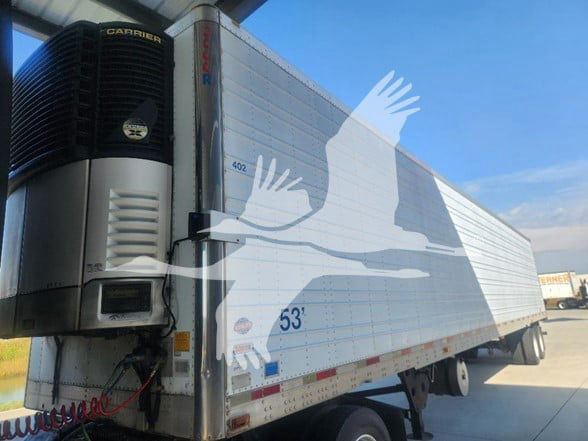

Have utility reefer trailer to sell? List it here to reach thousands of buyers.
Utility Reefer Trailers in Illinois
Most Utility reefer trailers in this class are 53 feet long, 102 inches wide, and 13 feet 6 inches tall, with tandem axles and a sliding tandem setup for bridge-law flexibility. Common specs include air ride suspension, low-profile 22.5 tires, duct floors for airflow under the load, and swing rear doors with stainless steel framing for durability. Buyers should pay close attention to floor type and liner condition if the trailer will handle heavy palletized freight. Aluminum duct floors help maintain airflow, but floor damage, crushed ducts, or excessive wear can affect cooling performance and forklift service life. Features like scuff plates, scuff liners, E-track, cold chutes, rear vents, and quilted or stainless swing doors can add real value depending on the lanes and commodity mix.
On Utility reefers, the refrigeration unit is often a Thermo King or Carrier setup, and unit hours are just as important as trailer age. A well-maintained reefer with documented service, clean evaporator and condenser condition, and a solid pre-trip history can outperform a newer trailer with deferred maintenance. For Midwest operations, it is smart to verify start-stop operation, continuous run performance, defrost function, fuel tank condition, and the unit's ability to pull down to setpoint quickly after loading. Tire inflation systems, side skirts, and aluminum wheels also show up on many later-model trailers and can help with maintenance control and fuel efficiency on long-haul lanes.
The best Utility reefer trailer for a fleet or owner-operator depends on freight profile more than model year alone. Grocery distribution, meat hauling, frozen LTL, and mixed-temp work all place different demands on door cycles, airflow, and interior protection. A buyer should evaluate kingpin setting, suspension condition, brake spec, interior dimensions, and whether the trailer has the right cargo control setup for the intended operation. Utility reefers have a strong reputation because parts support is broad, resale is generally solid, and the platform is familiar to most shops, drivers, and cold-storage customers.
Frequently Asked Questions about Utility Reefer Trailers in Illinois
What should I inspect first on a used Utility reefer trailer?
Start with the refrigeration unit, the floor, and the rear doors. Confirm the reefer can pull down to temperature, hold setpoint, and cycle correctly in both continuous and start-stop modes. Then inspect the aluminum duct floor for crushed channels, excessive wear, or forklift damage because airflow under the pallets is critical in a reefer. Finish with the door frame, hinges, seals, and interior liner condition since air leaks and insulation issues can hurt temperature control and increase fuel use.
Is the Utility 3000R a good trailer for Midwest reefer work?
Yes. The Utility 3000R is a widely used platform for Midwest refrigerated freight because it combines a lightweight aluminum trailer body with proven insulation and common reefer unit pairings. It fits well in grocery, produce, frozen food, and general cold-chain service. In Illinois and surrounding states, buyers should focus on how the trailer handles seasonal temperature swings, road corrosion exposure, and repeated dock loading rather than judging it by age alone.
Why does floor design matter so much on a reefer trailer?
Floor design directly affects airflow, sanitation, and forklift durability. A duct floor allows cold air to travel beneath the cargo and circulate evenly through the trailer, which helps prevent hot spots. If the floor ducts are damaged or blocked, the reefer unit may run longer and still struggle to maintain uniform product temperature. Buyers hauling dense palletized loads should inspect the floor carefully because repairs can be costly and poor airflow can create claim risk.
What reefer trailer features add the most value for food-grade freight?
Features that usually matter most are a clean insulated interior, intact scuff protection, a sound duct floor, reliable rear door seals, and a reefer unit with documented service history. Cold chutes help direct supply air from the front of the trailer, while scuff plates and scuff liners protect the interior from pallet contact. Stainless steel door frames and hardware hold up well in heavy dock use, and E-track can be useful for securing lighter or mixed freight loads.
Are side skirts and tire inflation systems worth having on a used Utility reefer?
They can be, especially on regional and over-the-road routes where operating cost matters. Side skirts can improve fuel efficiency, and automatic tire inflation systems can reduce irregular tire wear, improve uptime, and help avoid roadside failures. These features do not replace the need for a sound reefer unit or solid trailer structure, but they can make a measurable difference in long-term operating cost when the trailer is used consistently.