
Utility Reefer Trailers For Sale in Florida

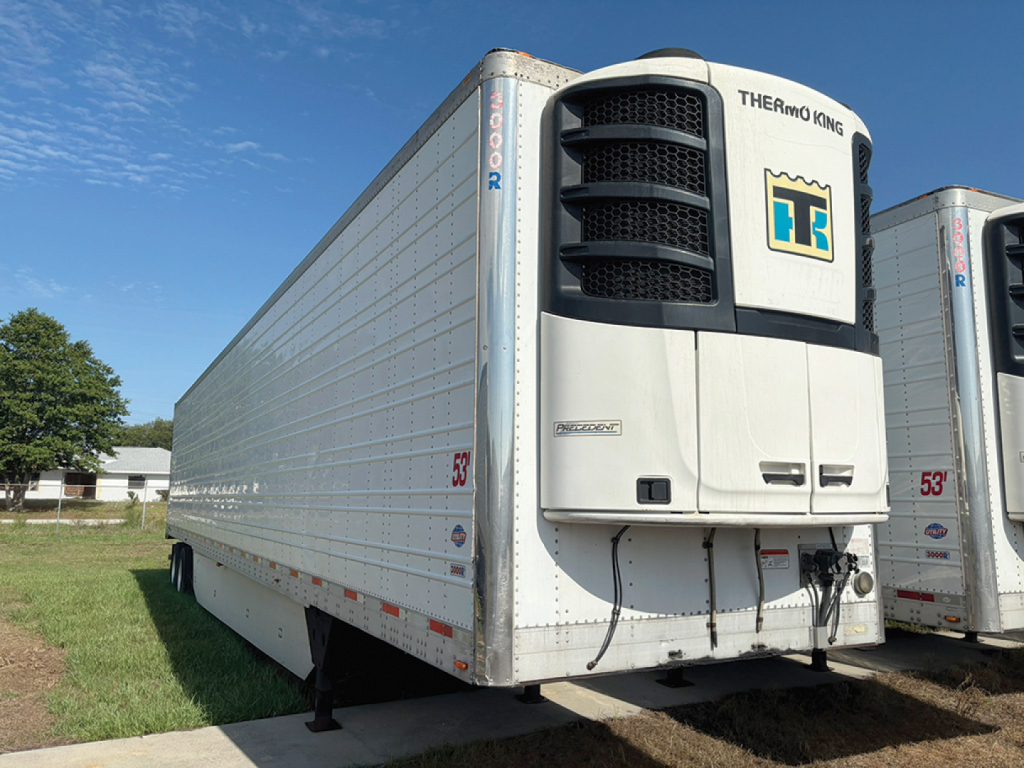
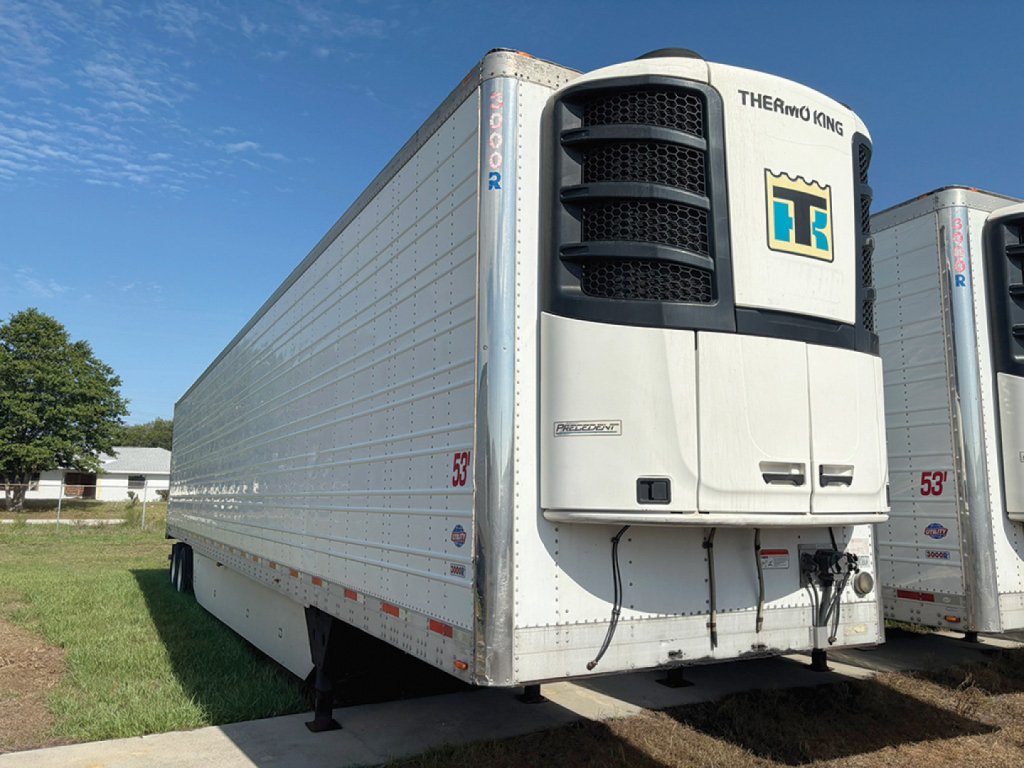
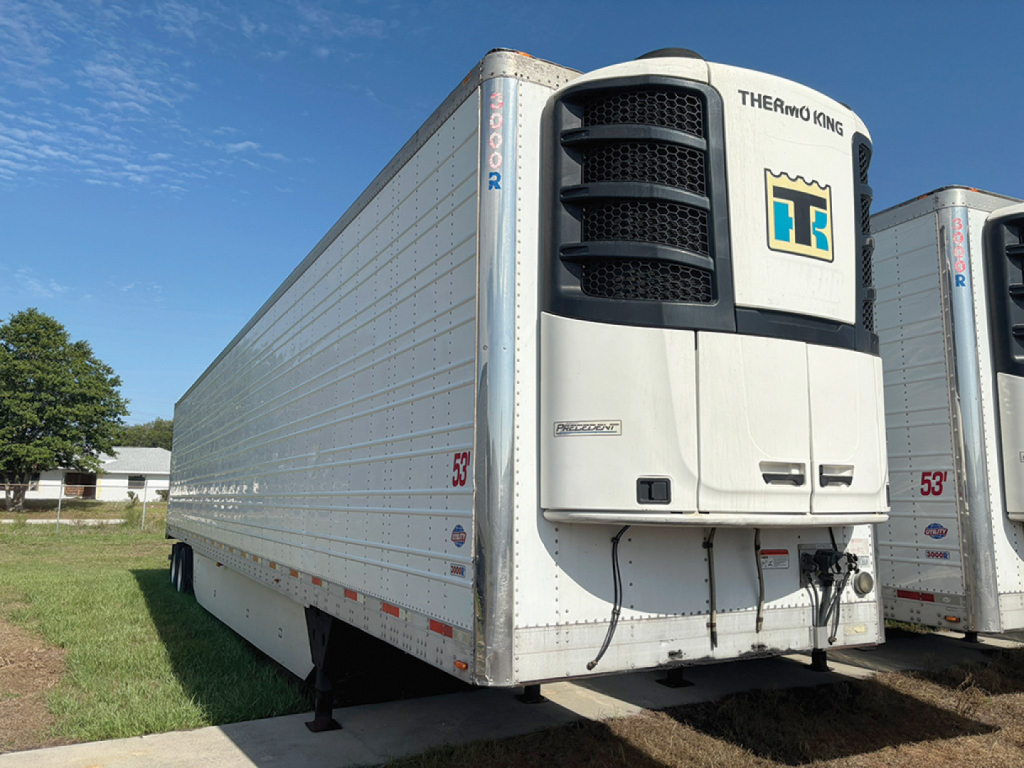
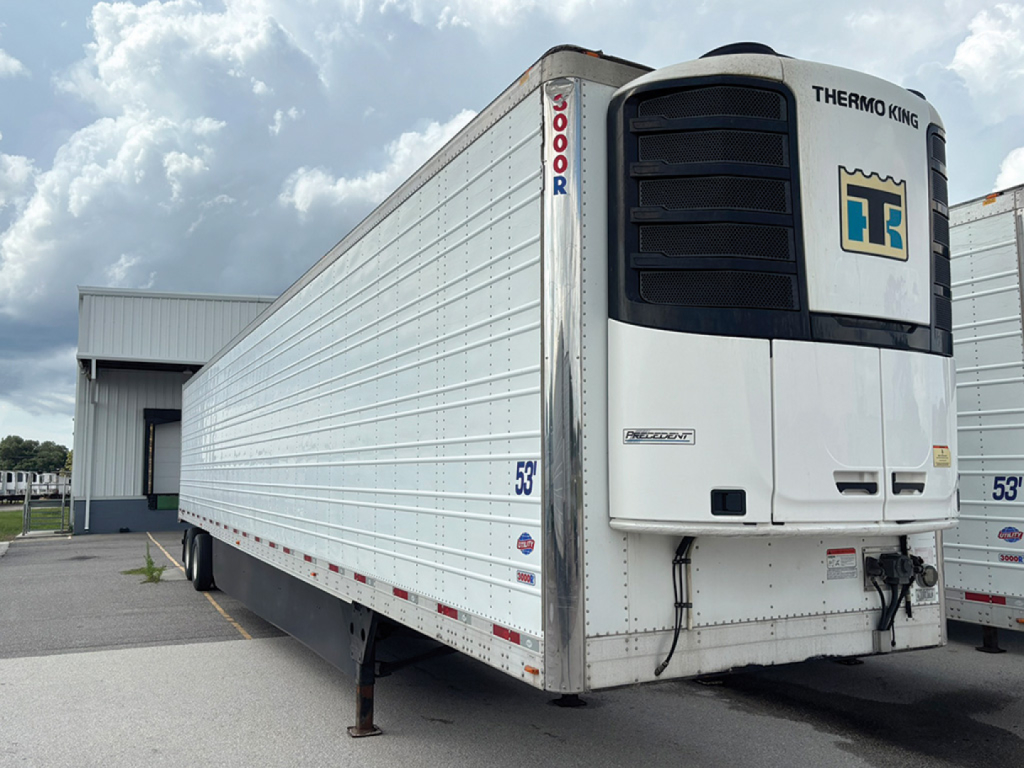
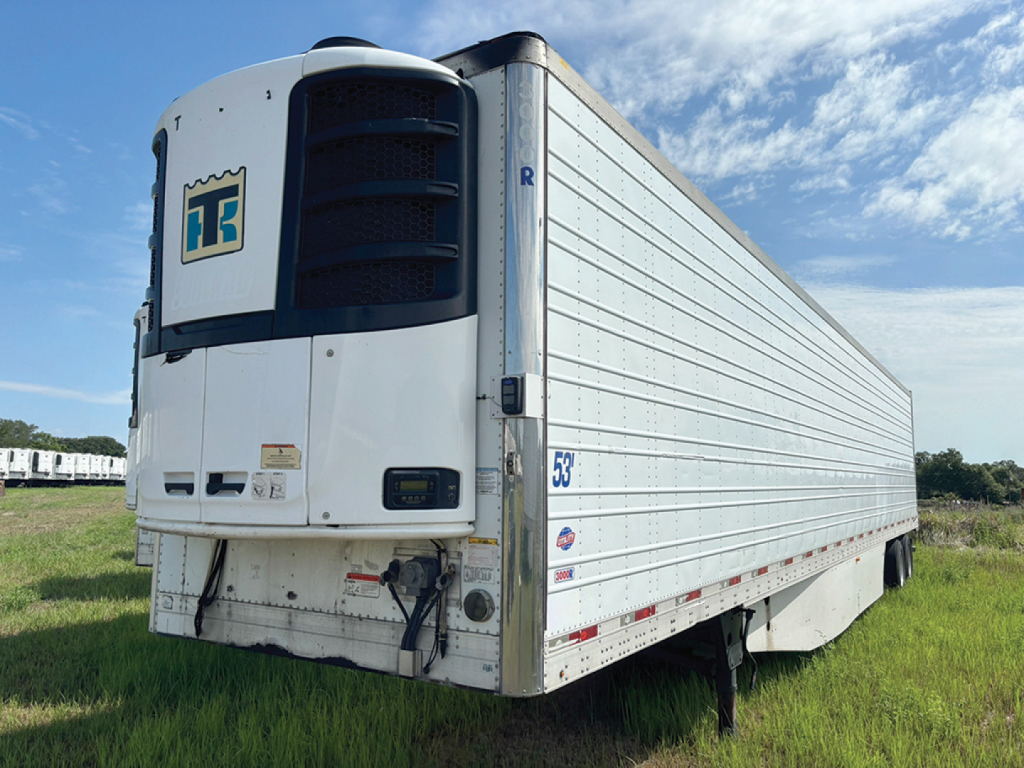
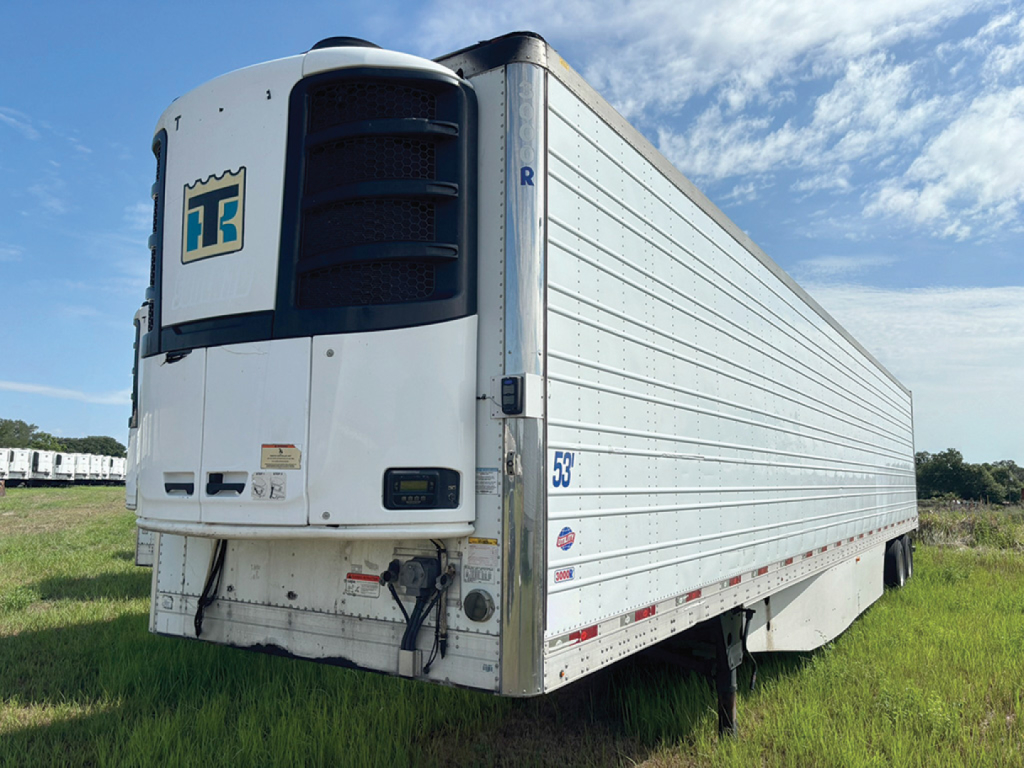
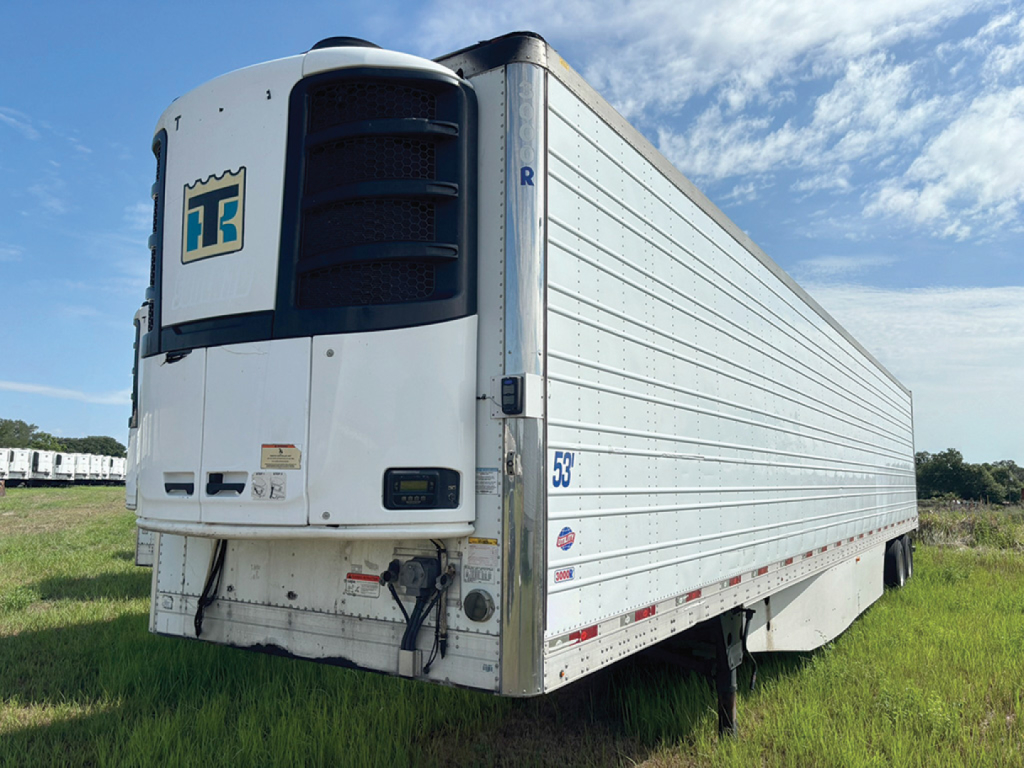
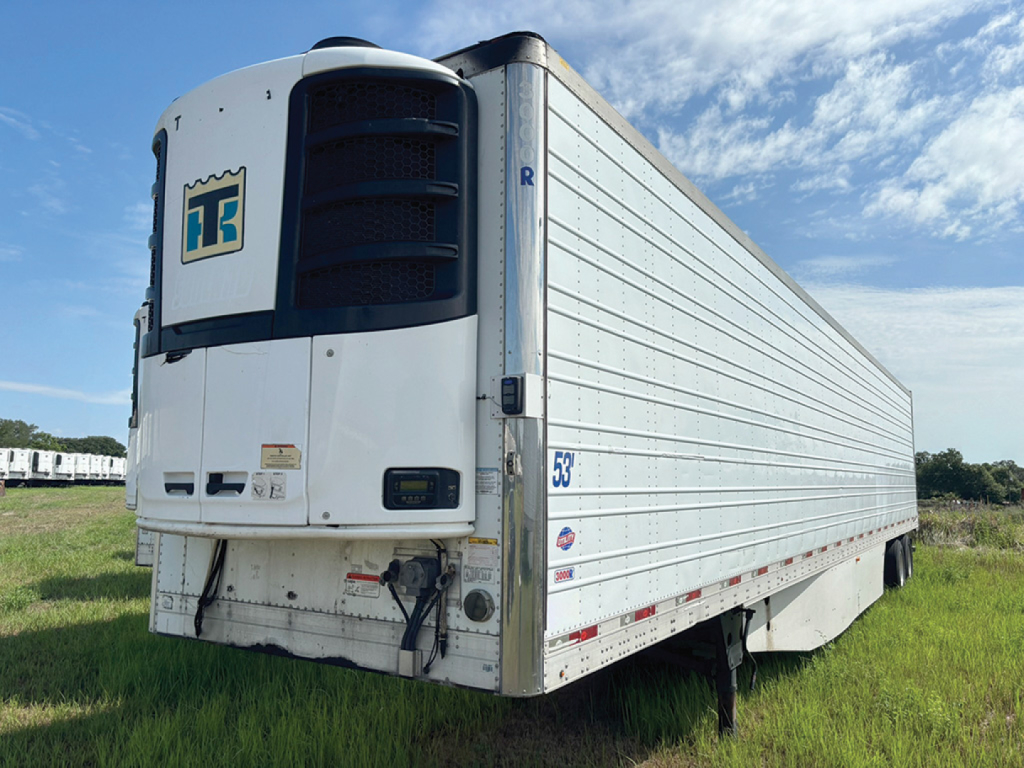
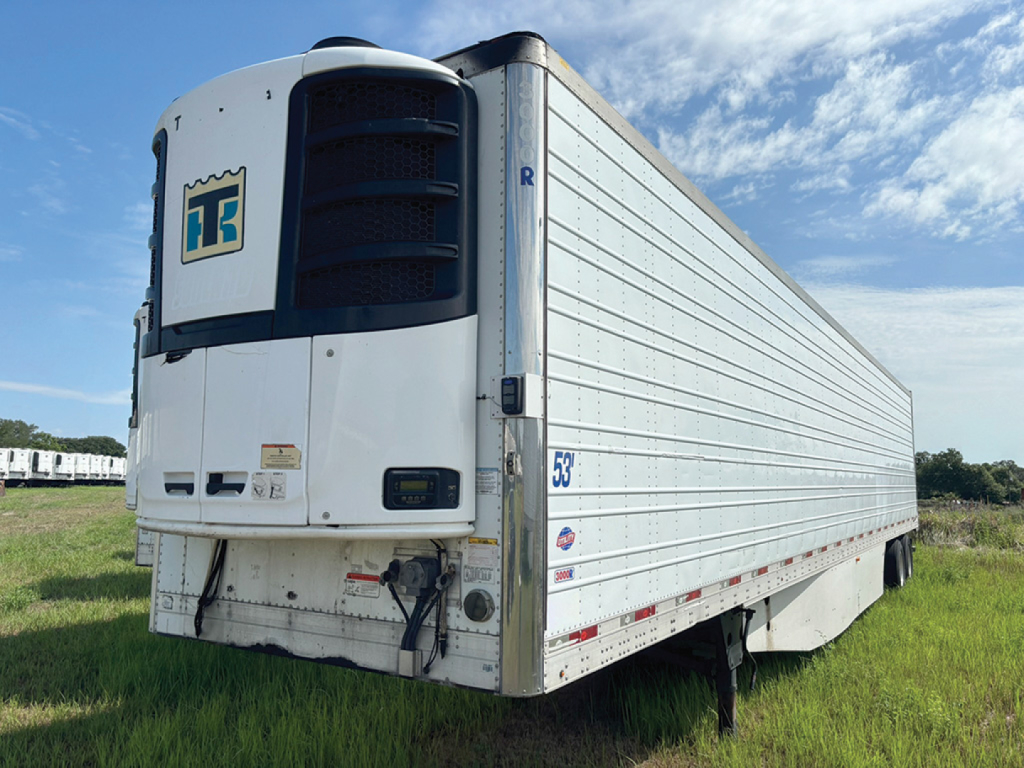
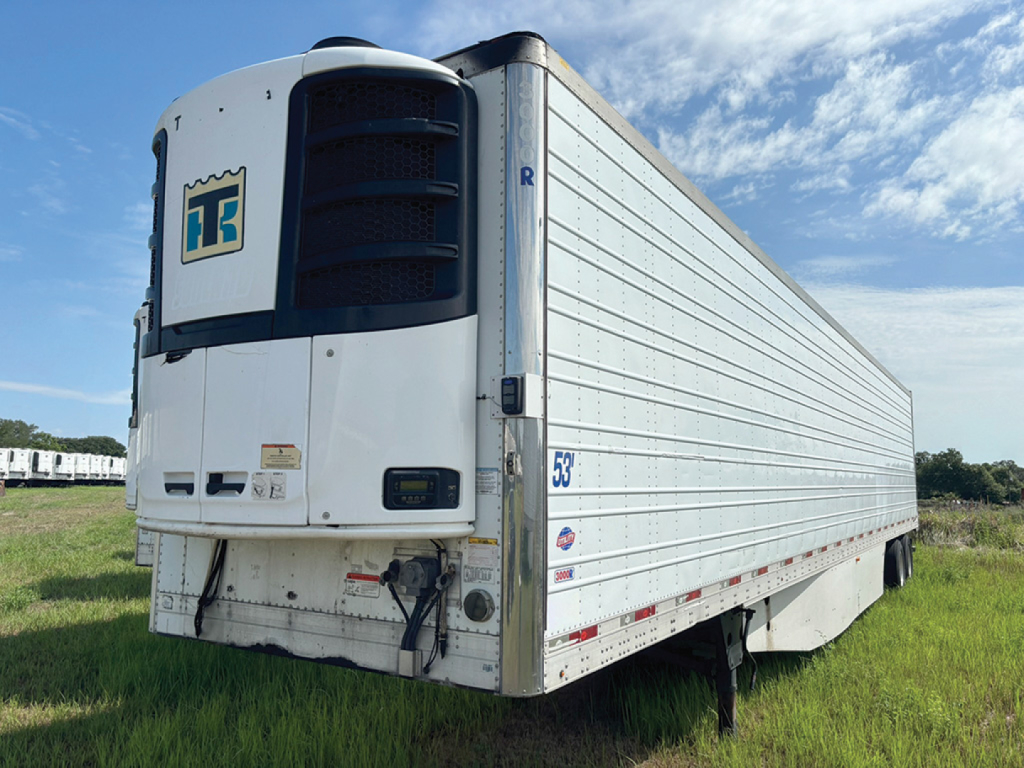
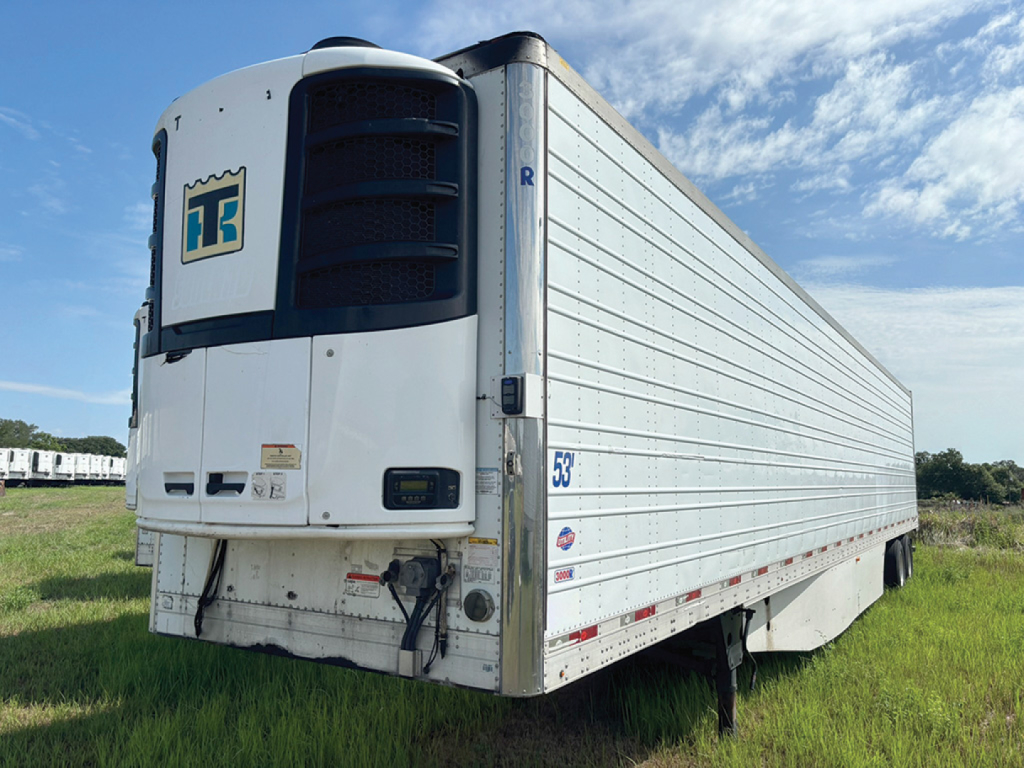
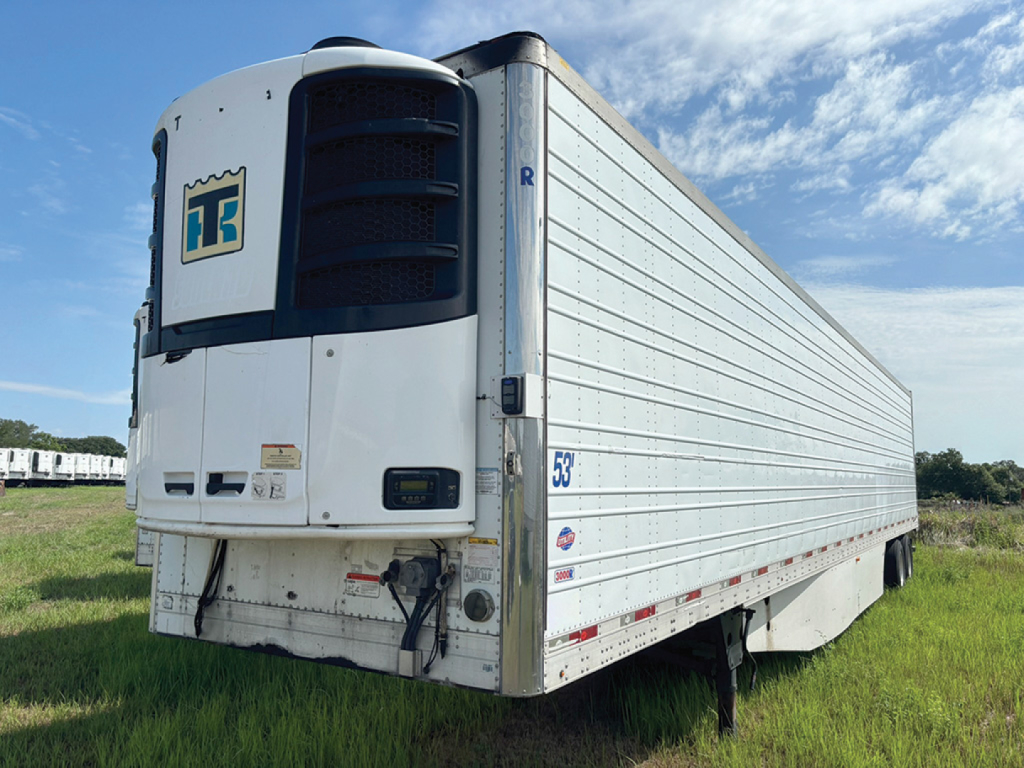
Showing 25 to 48 of 68 results
Have utility reefer trailer to sell? List it here to reach thousands of buyers.
Utility Reefer Trailers in Florida
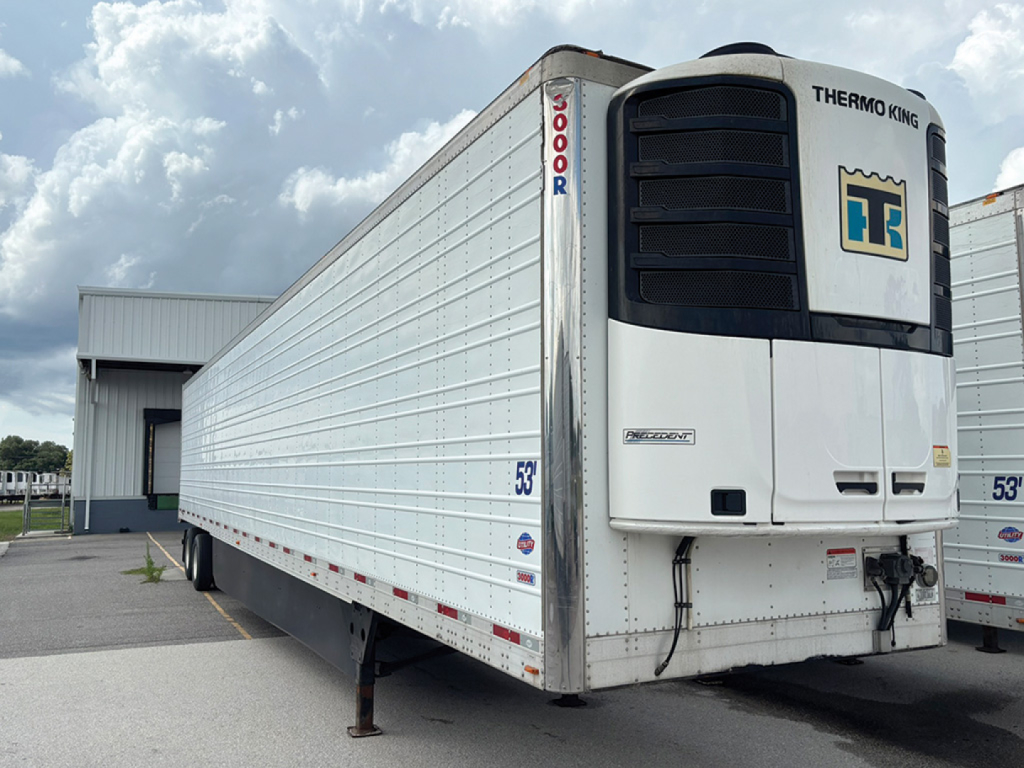
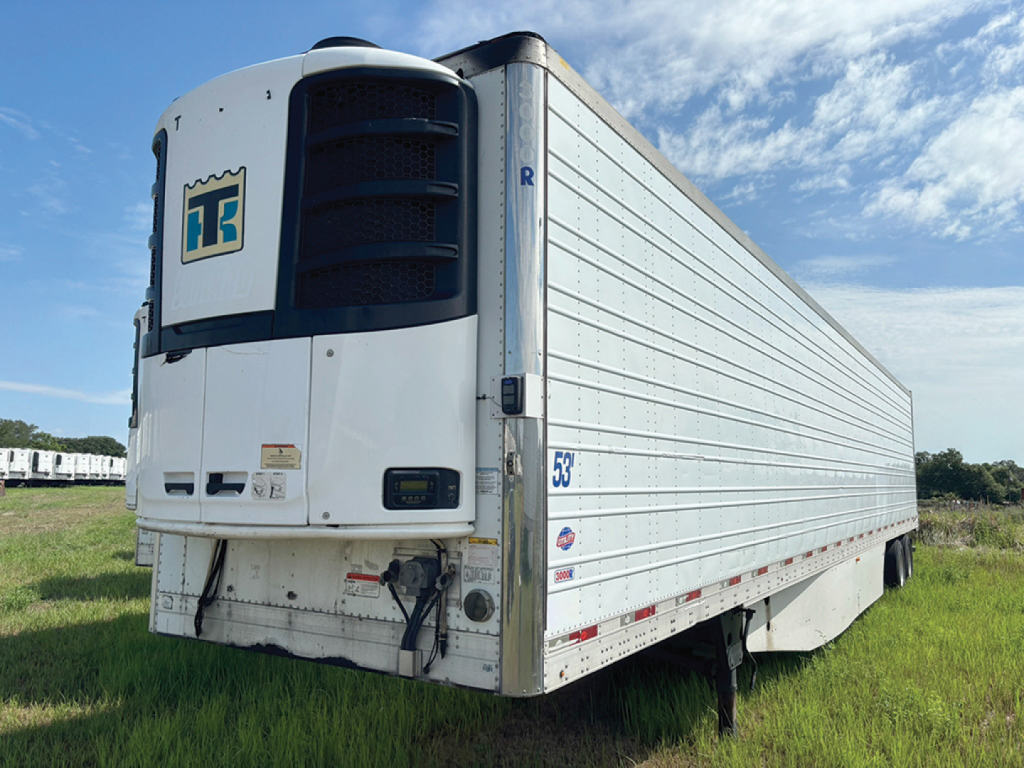
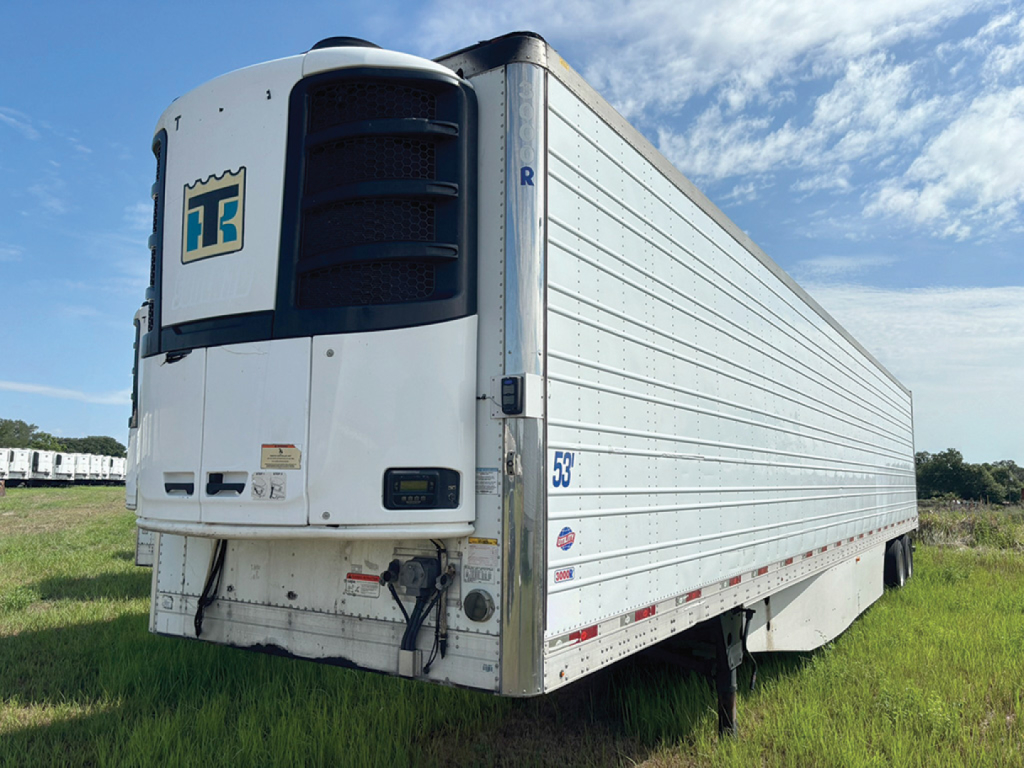
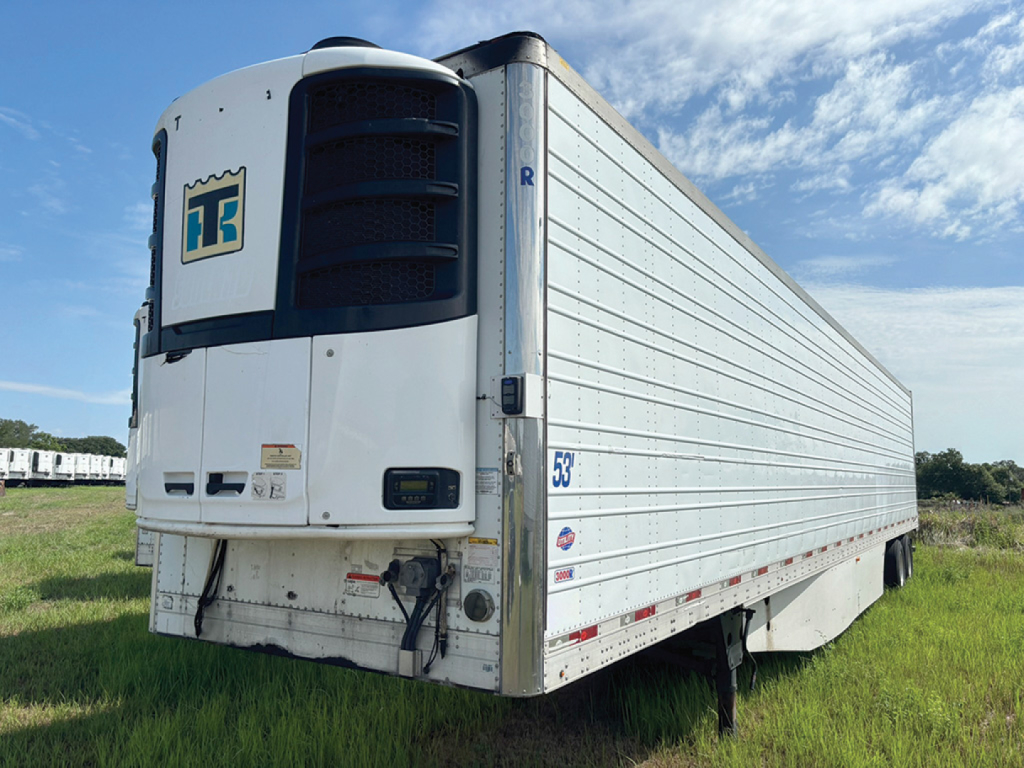
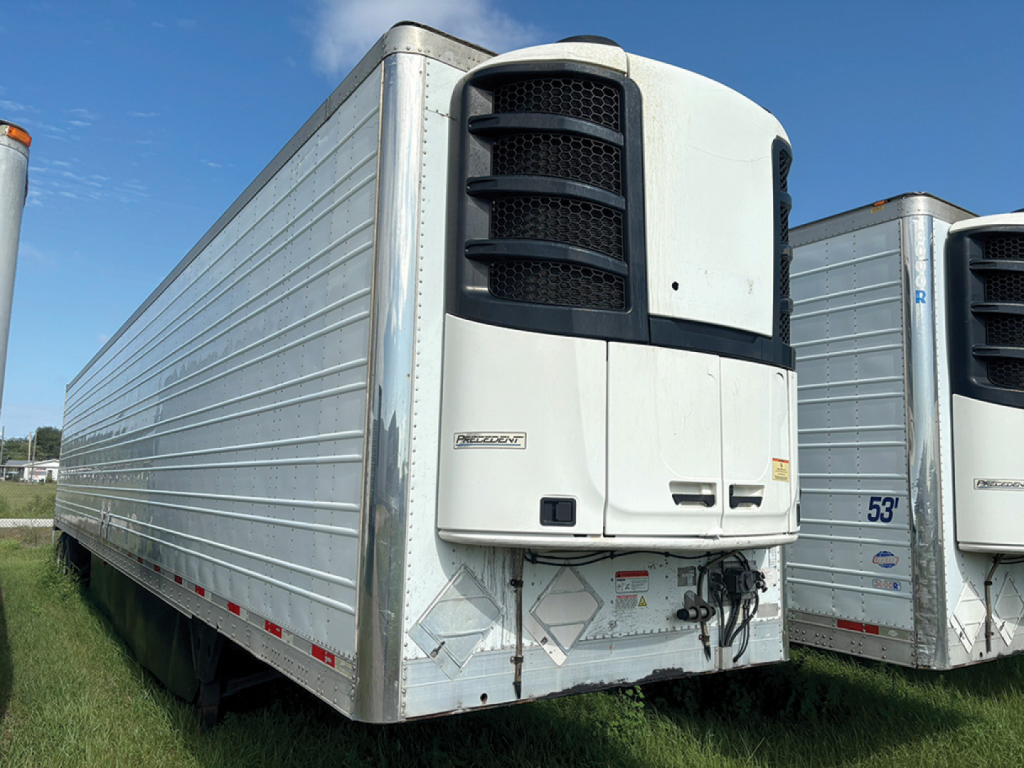
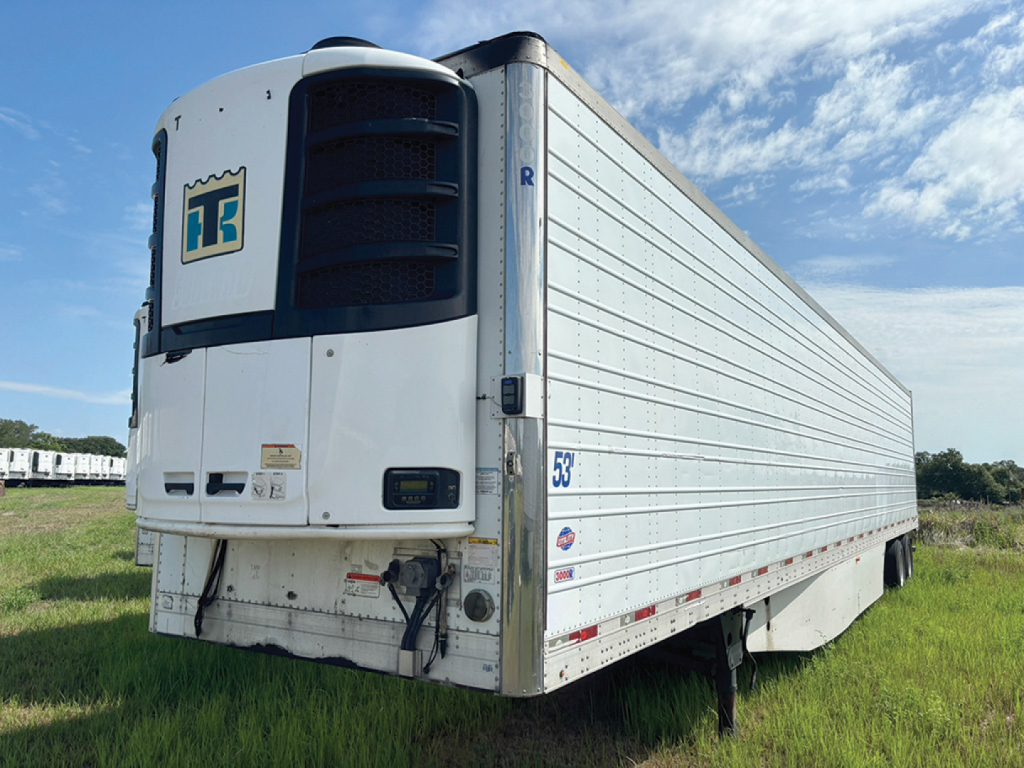
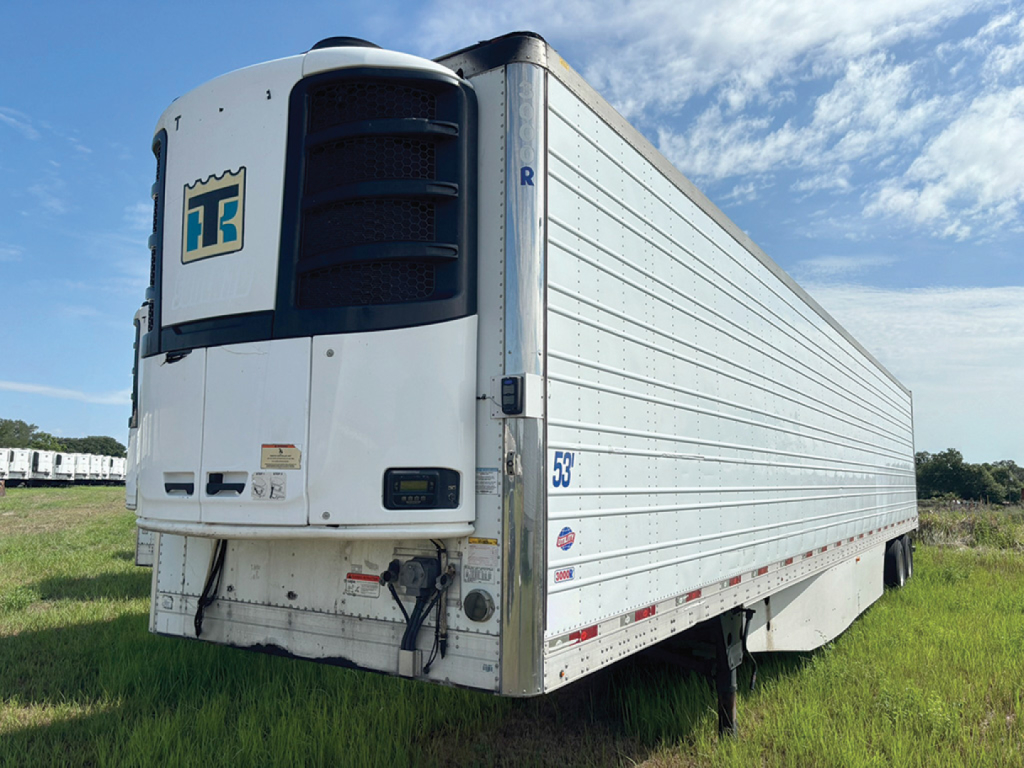
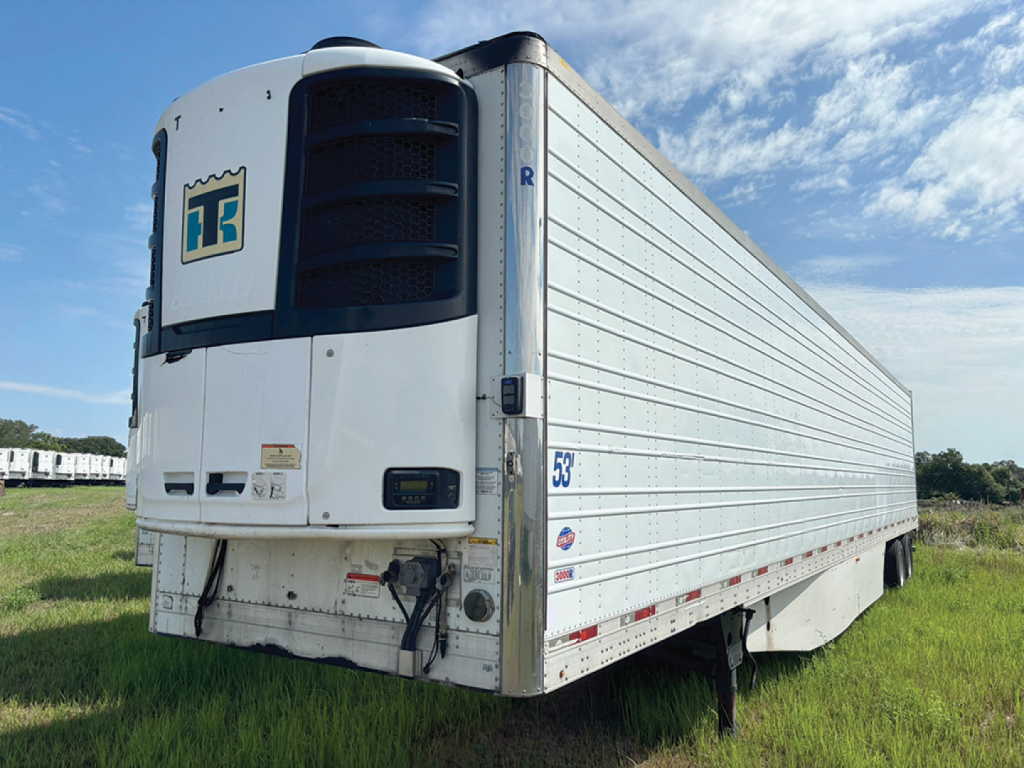
One of the first decisions is the refrigeration package and interior configuration. Many Utility reefers are paired with Thermo King units such as SB-series or Precedent C-600 and S-600 systems. For buyers running deep-frozen or mixed-temp freight, pay attention to unit hours, maintenance history, evaporator condition, and whether the trailer has a cold chute, rear vent, or bulkhead-related setup. Inside height matters too. A 94-inch interior may suit some distribution work, while 101-inch to 103-inch inside heights can improve pallet flexibility and cube for high-volume lanes. Floor design is another major checkpoint. Heavy-duty aluminum duct floors support proper airflow under the load, while flat floors may fit certain cart, pallet, or liftgate applications.
Door and loading style can change the trailer’s best use case. Swing doors remain common for full-truckload refrigerated work and usually provide strong seal integrity, while roll-up doors can make sense in foodservice or route delivery operations with frequent stops. Liftgates, E-track, and scuff liners or scuff plates are practical additions for operations handling mixed freight, hand unloads, or palletized retail deliveries. Stainless steel rear frames, door frames, and front radius panels are also worth noting because they help resist corrosion and damage in high-use environments, especially in humid regions like Florida where refrigerated trailers see constant washouts and moisture exposure.
Beyond the box and reefer unit, experienced buyers look closely at tire inflation systems, side skirts, wheel type, suspension condition, and the tandem slide rails. Utility reefers are often spec'd for fleet duty, so many used examples come with aerodynamic equipment and maintenance-focused features that lower operating costs over time. A strong candidate in this category is not just about model year. It is about reefer service records, structural condition around the rear sill and crossmembers, floor wear from jack traffic, door seal integrity, and how well the trailer’s spec matches the freight. For produce haulers, grocery distributors, and cold-chain carriers, a properly spec'd Utility reefer trailer remains one of the most proven trailer types on the road.
Frequently Asked Questions about Utility Reefer Trailers in Florida
What makes a Utility reefer trailer a popular choice for refrigerated freight?
Utility reefer trailers are widely used because they offer a strong combination of light trailer weight, durable aluminum construction, and proven temperature-control compatibility with major refrigeration units. The 3000R platform is especially common in fleet service, which helps with parts familiarity, resale strength, and maintenance support. Buyers also value common specs like air ride suspension, sliding tandems, duct floors, and stainless steel rear components for daily cold-chain work.
What should I check first on a used Utility reefer trailer?
Start with the refrigeration unit hours, service history, and operating condition, since reefer performance is central to the trailer’s value. Then inspect the floor for damage from forklift or pallet jack traffic, check the door seals and rear frame for air leaks or impact wear, and look at the crossmembers, tandem slide area, and suspension components. Interior lining, scuff protection, and signs of moisture intrusion should also be reviewed carefully because they affect sanitation, insulation performance, and long-term durability.
What is the difference between a duct floor and a flat floor in a reefer trailer?
A duct floor is designed to move cold air beneath the cargo, which helps maintain even temperature distribution across the load. This is the standard choice for most full-load refrigerated applications, especially produce, frozen foods, and grocery freight. A flat floor can be useful in certain distribution environments, including some liftgate or cart-based operations, but buyers need to confirm that airflow and load pattern still meet the freight’s temperature requirements.
Are swing doors or roll-up doors better on a Utility reefer trailer?
Swing doors are generally preferred for linehaul and full-truckload refrigerated service because they seal well and are common across the industry. Roll-up doors can be a practical choice for multi-stop delivery routes where drivers need faster access at each stop and less clearance behind the trailer. The better option depends on the freight, loading dock setup, stop frequency, and how important maximum rear opening and seal efficiency are to the operation.
Which specs matter most when comparing Utility reefer trailers in Florida?
In Florida, corrosion resistance, reefer reliability, and door seal condition deserve extra attention because of heat, humidity, and frequent washouts. Stainless steel rear frames, stainless door frames, quality insulation, and well-maintained Thermo King units are all important. Buyers should also compare inside height, floor type, liftgate or E-track presence, and aerodynamic features like side skirts to make sure the trailer fits both the freight and the operating region.