
Utility Reefer Trailers For Sale in California
Browse Utility reefer trailers for sale in California. Compare 3000R specs, reefer units, floors, suspension, and cold-chain features.
Learn moreNo exact matches found for your search
Showing Utility Reefer Trailers instead.

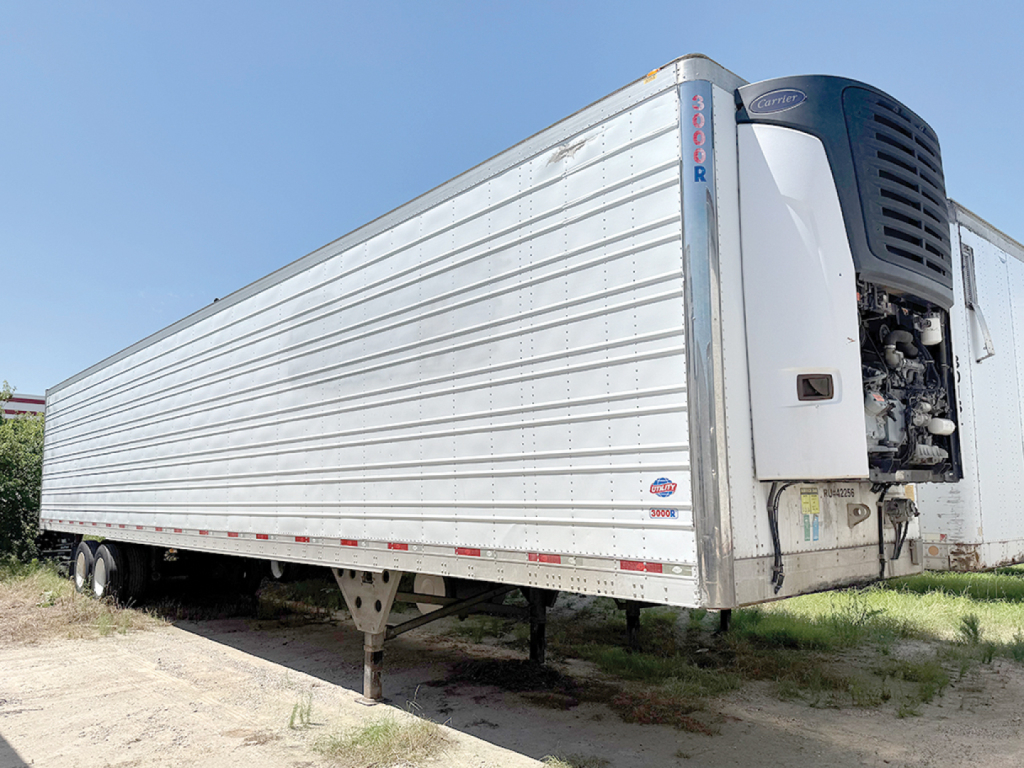
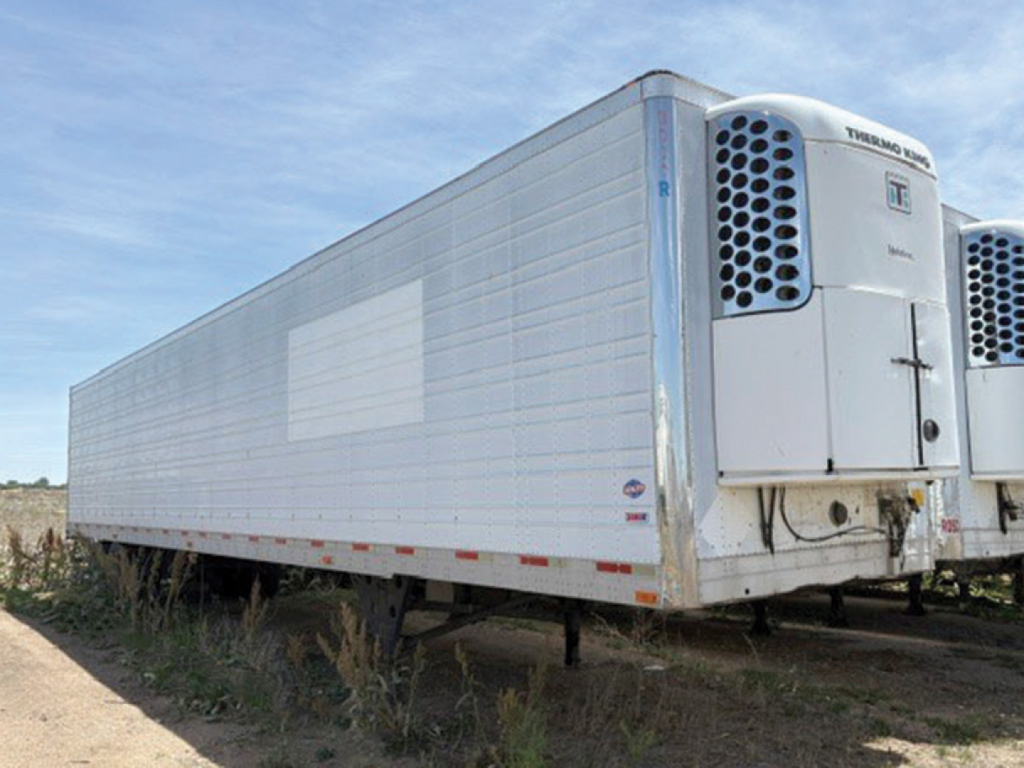
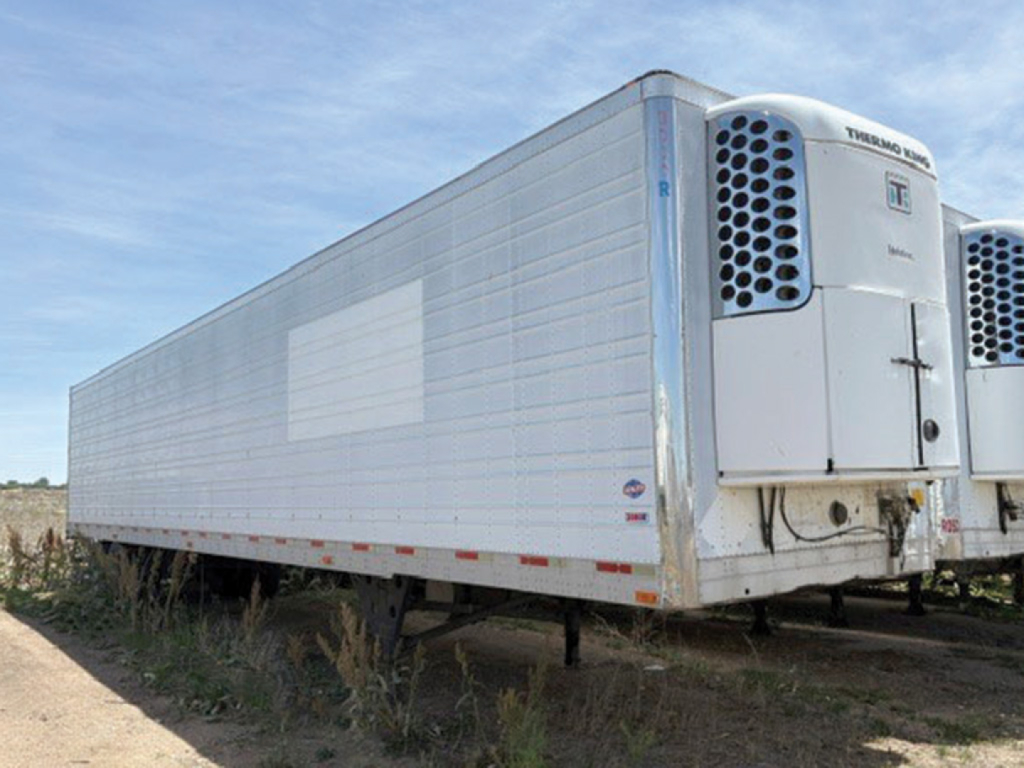
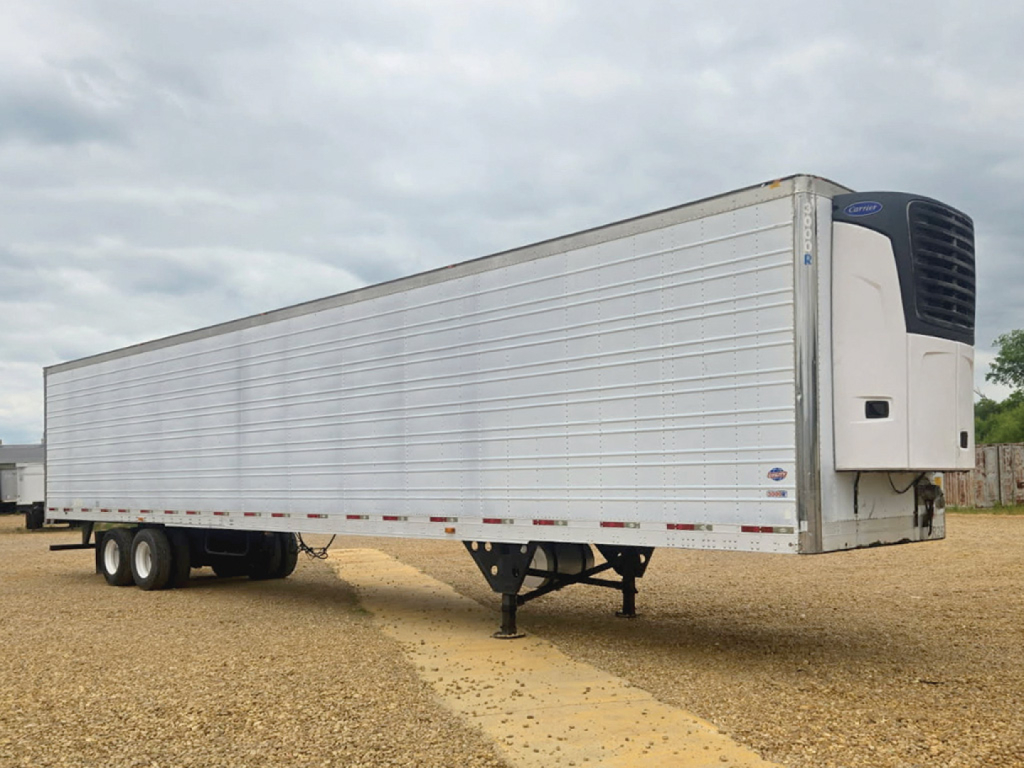
Showing 37 to 48 of 117 results
Have utility reefer trailer to sell? List it here to reach thousands of buyers.
About Utility Reefer Trailers in California
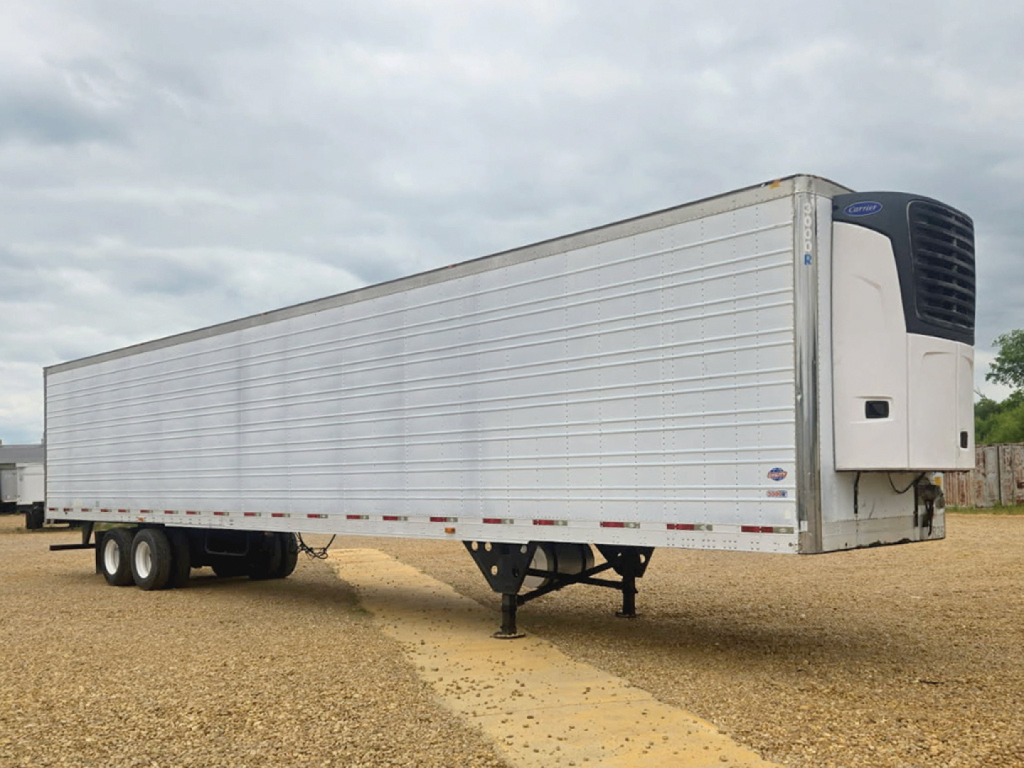
For most buyers, the reefer unit and interior configuration matter more than the badge on the nose. Many Utility reefer trailers are paired with Thermo King units such as the SB-230 or newer Precedent series, and that difference affects fuel efficiency, noise profile, parts support, and temperature recovery. Inside the box, details like a heavy-duty aluminum duct floor, cold chute, front and rear vents, scuff plate, and E-track tell you what kind of freight the trailer was set up to handle. A duct floor and chute help maintain airflow under and around pallets, which is critical for produce and mixed refrigerated loads. Scuff liners and stainless rear frames matter in fleets with frequent dock contact and heavy forklift traffic because they reduce wear in the areas that usually take the most abuse.
Running gear is another major decision point. Utility reefers are commonly spec'd with air ride suspension and sliding tandems, which gives flexibility for bridge laws, axle spacing, and dock approach. Newer examples may include side skirts for fuel economy, tire inflation systems to reduce roadside tire events, low-profile 22.5 rubber, and aluminum wheels to cut weight. On older trailers, buyers should pay close attention to reefer hours, floor condition, door seal integrity, suspension wear, and the condition of the stainless steel rear, door frame, and front radius panels. On California routes, where trailers may see a lot of stop-and-go distribution work plus warm ambient conditions, a strong refrigeration unit and tight insulation package are not optional.
A Utility reefer trailer is usually a practical fit for carriers that need a durable, fleet-standard refrigerated box with broad dealer support and familiar parts availability. The right trailer depends on lane length, product type, dock frequency, and temperature demands. Frozen freight usually puts more focus on unit pull-down performance and door sealing, while produce and multi-stop grocery work place extra value on airflow management, interior protection, and dependable cycling in hot weather. Buyers comparing used Utility reefer trailers should look past year alone and evaluate reefer service records, operating hours, floor wear, tire condition, and how the trailer was equipped for the freight it actually hauled.
Frequently Asked Questions
What is the most common Utility reefer trailer model buyers look for?
The Utility 3000R is the most common and most recognized Utility refrigerated trailer on the used market. It is typically a 53-foot aluminum reefer trailer designed for over-the-road and regional cold-chain service. Buyers know it for its light overall construction, fleet-friendly parts support, and common specifications such as air ride suspension, sliding tandems, duct floors, and Thermo King refrigeration units.
What should I inspect first on a used Utility reefer trailer?
Start with the refrigeration unit, floor, and door system. Check the reefer unit hours, maintenance history, temperature performance, and alarm records. Then inspect the aluminum duct floor for forklift damage, crushed channels, or soft spots that can restrict airflow. Door seals, hinges, and the stainless rear frame should be checked closely because air leaks and repeated dock impact can create expensive problems in refrigerated service.
Are older Utility reefers still a good buy for California freight?
They can be, if the reefer unit, insulation package, and structural condition are still sound. California operation often means high ambient temperatures, frequent loading cycles, and strict expectations around uptime. An older Utility reefer with documented maintenance, solid floor structure, good seals, and a dependable Thermo King unit can still be a productive trailer. The key is to judge condition and service history more heavily than model year.
Why do features like a duct floor, cold chute, and vents matter on a reefer trailer?
These features directly affect airflow, which is essential in a refrigerated trailer. A heavy-duty duct floor allows conditioned air to move beneath the load, while a cold chute helps direct air through the trailer body. Front and rear vents support circulation and temperature consistency. Without proper airflow, even a strong reefer unit can struggle to maintain uniform temperatures across the load, especially with produce or multi-stop deliveries.
What suspension and axle setup is typical on a Utility reefer trailer?
Most Utility reefers in this class use tandem axles with air ride suspension and a sliding tandem arrangement. Air ride helps protect sensitive refrigerated cargo and reduces trailer shock over rough roads. Sliding tandems give flexibility for axle weight distribution, bridge compliance, and dock positioning. This setup is standard because it fits a wide range of over-the-road and regional refrigerated applications.