
2016 Utility Reefer Trailers For Sale in North Carolina

Have 2016 utility reefer trailer to sell? List it here to reach thousands of buyers.
2016 Utility Reefer Trailers in North Carolina
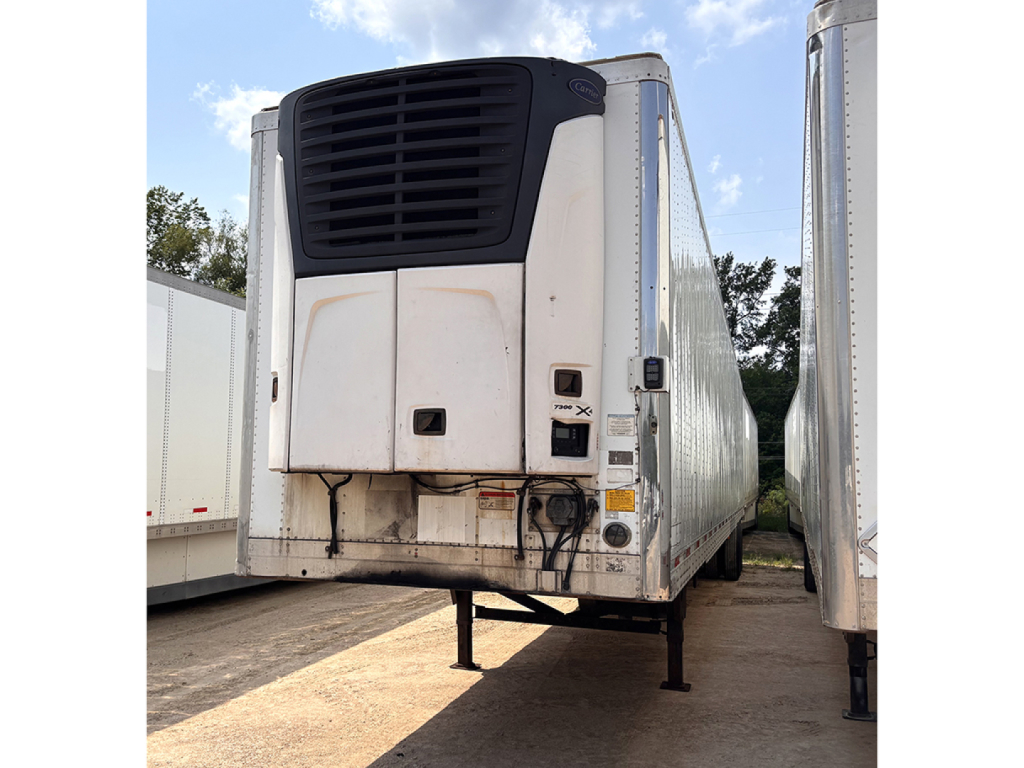
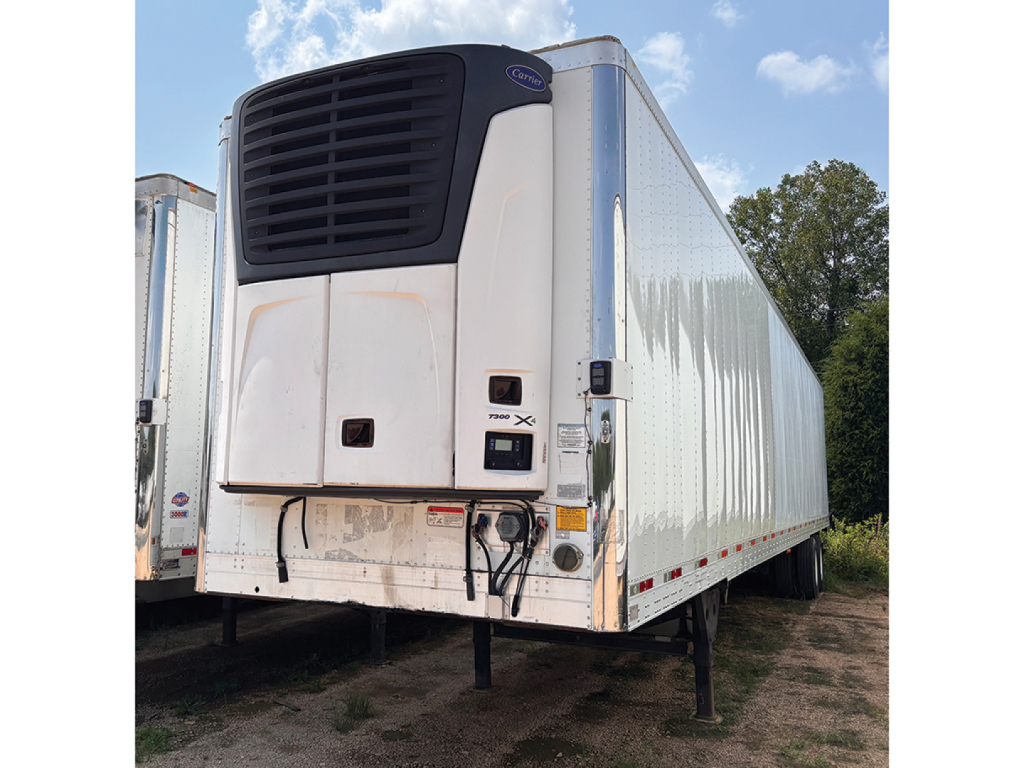
Typical specs in this class include a 53-foot length, 102-inch width, and 13-foot 6-inch overall height, with an aluminum body, aluminum duct or duct-style floor, air ride suspension, and sliding tandem. Many 2016 Utility reefers are paired with Carrier or Thermo King units, and the unit model will affect both maintenance cost and cooling performance in heavy-cycle service. A heavy-duty aluminum duct floor helps maintain front-to-rear airflow under the load, which is critical for produce, boxed food, and any freight sensitive to hot spots. Stainless front radius panels, stainless door frames, and scuff liners or scuff plates are also worth noting because they tend to hold up better in dock-heavy operations.
Door style is a practical buying decision on a reefer trailer. Swing doors usually offer a simpler rear opening with fewer moving parts and are common in linehaul and general foodservice work. Roll-up doors can speed up repeated dock access in distribution work, but they add weight, reduce clear rear opening height, and introduce another maintenance item. Buyers should also confirm floor wear from forklift traffic, check the interior walls and ceiling for punctures or delamination, and inspect the drain layout, seals, and bulkhead condition if the trailer has been used in split-temp or partitioned service. If the trailer is operating in North Carolina and surrounding Southeast lanes, reefer unit runtime hours, service history, and tire condition deserve close attention because warm, humid operating conditions tend to expose weak insulation, poor door seals, and marginal cooling capacity faster than dry climates.
For a 2016 model year, value often comes down to how the trailer was maintained rather than the badge on the nose alone. Disc or drum brake setup, low-profile 22.5 tires, wheel type, tandem slider condition, and any telematics or trailer tracking equipment can all influence operating cost. A strong used Utility reefer should cool down quickly, hold setpoint under load, show even floor and wall wear, and have a reefer unit with documented preventive maintenance. Buyers comparing multiple 2016 Utility reefer trailers should focus on unit hours, structural condition, rear frame and threshold wear, and evidence of consistent PM, because those factors usually matter more than cosmetic appearance on a refrigerated van.
Frequently Asked Questions about 2016 Utility Reefer Trailers in North Carolina
What should I inspect first on a 2016 Utility reefer trailer?
Start with the box, floor, and refrigeration unit. Check the trailer body for insulation-related issues such as wall delamination, interior damage, light leaks, and poor door seals. Inspect the aluminum duct floor for forklift damage and blocked airflow channels. Then review the reefer unit hours, service records, and pull-down performance, since a trailer that looks clean but cannot hold temperature will become expensive quickly.
What reefer unit features matter most on a used Utility 3000R?
The most important factors are brand support in your operating area, total engine hours, maintenance history, and how well the unit maintains setpoint under real load conditions. Buyers should verify recent PM intervals, look for evidence of major repairs, and confirm the unit cools evenly through the trailer. On a 2016 reefer, dependable parts availability and technician familiarity can be just as important as the unit's original spec.
Are swing doors or roll-up doors better on a reefer trailer?
Swing doors are typically preferred for maximum rear opening, lower weight, and simpler maintenance. Roll-up doors can be useful for frequent dock stops because they clear the rear quickly, but they usually weigh more and add moving components that wear over time. The best choice depends on whether the trailer will be used in linehaul refrigerated freight or repeated stop-and-drop distribution service.
Why is the floor type important on a refrigerated trailer?
The floor design directly affects airflow and temperature consistency. A heavy-duty aluminum duct floor allows cold air to move beneath the cargo and travel toward the rear, which helps prevent uneven temperatures. If the floor is crushed, patched poorly, or clogged with debris, airflow suffers and the reefer unit has to work harder to protect the load.
Is a 2016 Utility reefer trailer still a practical fleet trailer?
Yes, if the trailer has solid structural condition and documented refrigeration maintenance. Utility reefers from this era remain common in food and cold-chain service because the platform is well known, parts support is broad, and the 53-foot configuration fits mainstream freight requirements. The key is to buy based on condition, runtime hours, and maintenance history rather than age alone.