
Used 2020 Reefer Trailers For Sale in Florida
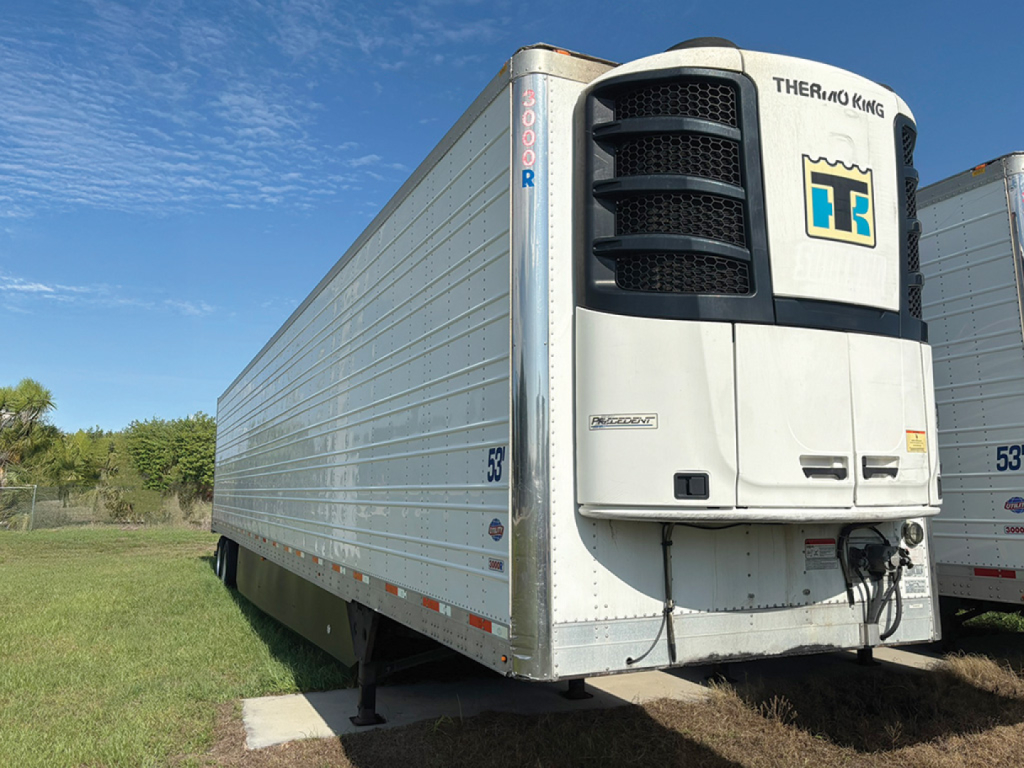
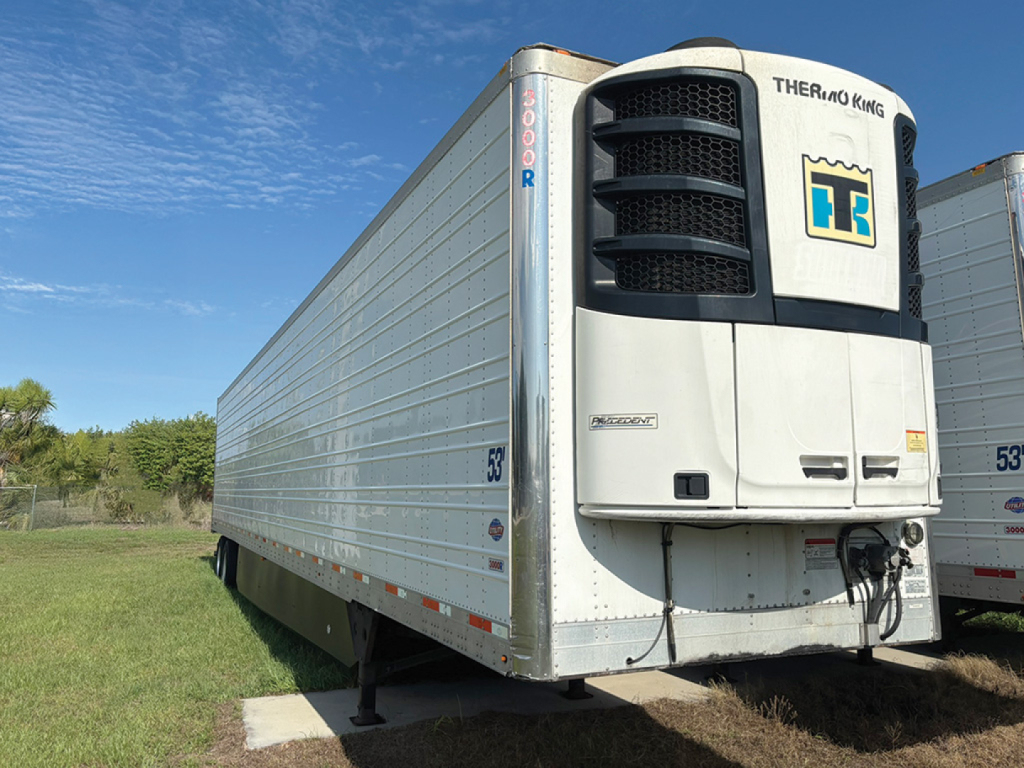
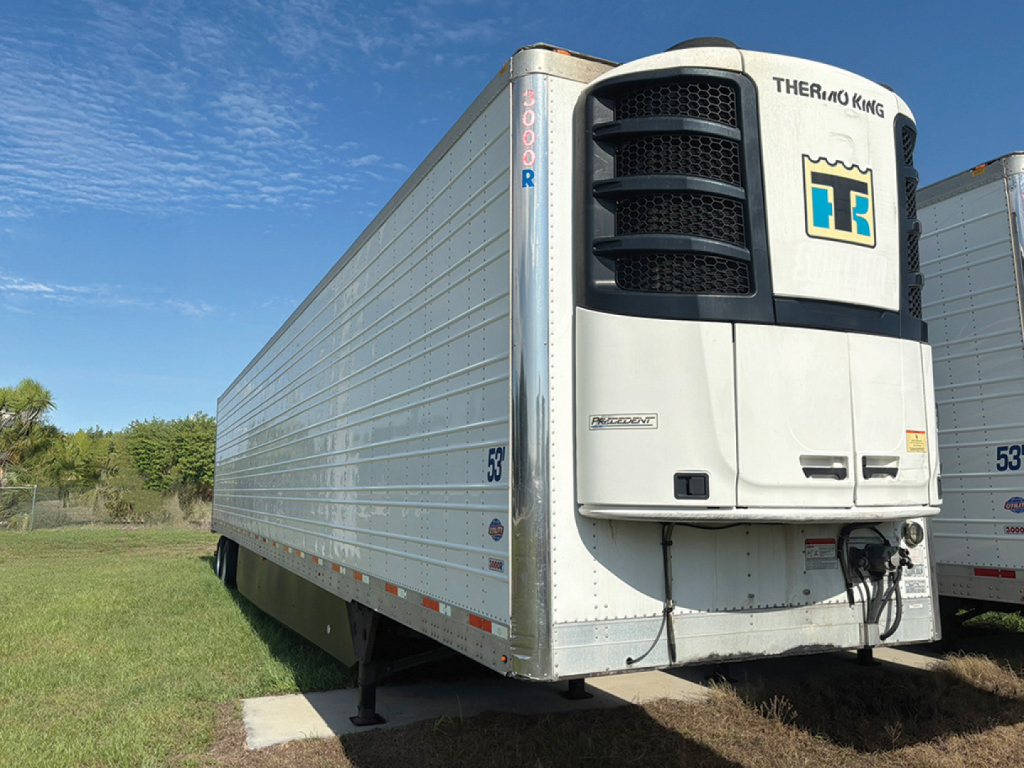
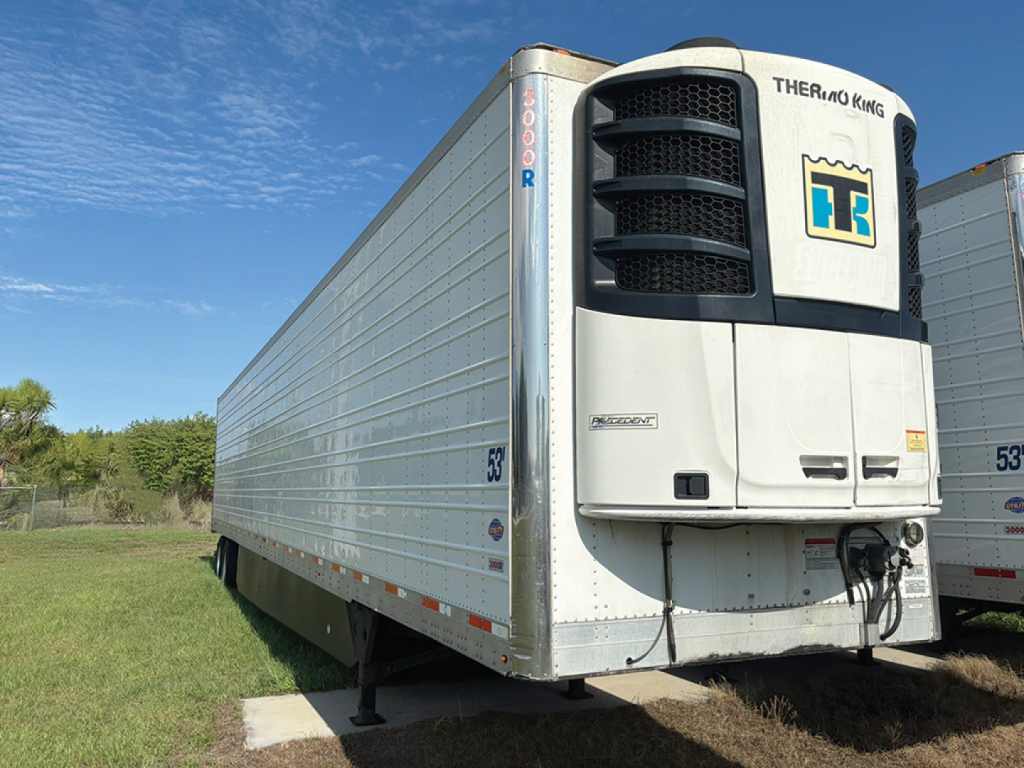
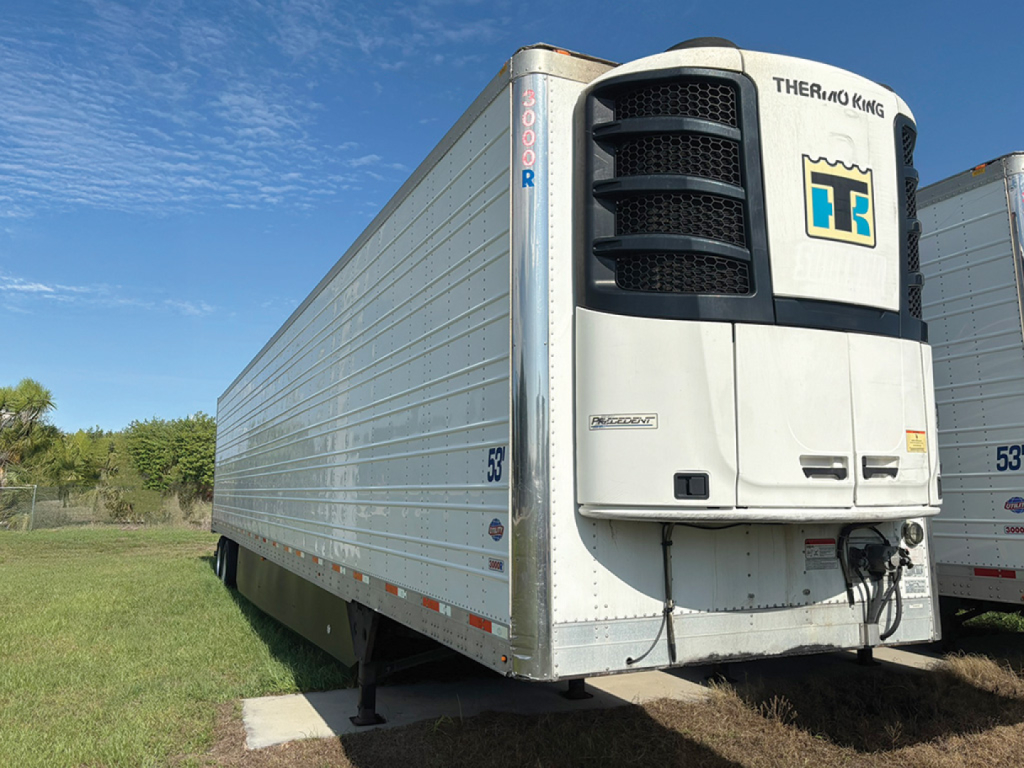
Have used 2020 reefer trailer to sell? List it here to reach thousands of buyers.
Used 2020 Reefer Trailers in Florida
Frequently Asked Questions about Used 2020 Reefer Trailers in Florida
What should I inspect first on a used 2020 reefer trailer?
Start with the refrigeration unit hours, maintenance records, and proof of recent service. Then inspect the trailer body for insulation integrity, door seal condition, floor wear, and signs of water intrusion. Buyers should also check the front wall, roof seams, evaporator area, and bulkhead or chute condition if equipped. A reefer can look clean and still have expensive deferred maintenance in the unit, floor, or door assembly.
Are 2020 reefer trailers typically CARB compliant for Florida use?
Florida does not have California Air Resources Board enforcement rules, but CARB compliance can still matter if the trailer will run into California or serve national shippers with stricter equipment requirements. Many 2020 reefer trailers are paired with newer-generation refrigeration units that may be easier to keep compliant, but the exact answer depends on the reefer engine family, unit model, and emissions label. Buyers running multistate freight should verify compliance status before purchase.
What trailer features matter most for food and grocery freight?
Floor design, air delivery, and interior durability are the main items. Heavy-duty aluminum duct floors help maintain airflow under pallets, while a cold chute improves front-to-rear temperature management. Scuff liners or scuff plates protect the walls from pallet damage, and stainless rear frames and door components usually hold up better in frequent dock service. Swing doors, seal condition, and trailer washout history also matter in food-grade applications.
Is a 2020 reefer trailer a good age for fleet service?
For many buyers, yes. A 2020 model year trailer is often new enough to offer current-spec refrigeration technology, aerodynamic features, and fleet-friendly options such as air ride suspension, sliding tandems, and tire inflation systems. At the same time, it may avoid the higher acquisition cost of a late-model new unit. The real value depends on reefer hours, service history, and how the trailer was loaded and maintained.