
Used 2019 Reefer Trailers For Sale in New York
Browse used 2019 reefer trailers for sale in New York, including common specs, reefer unit options, trailer dimensions, and buyer tips.
Learn more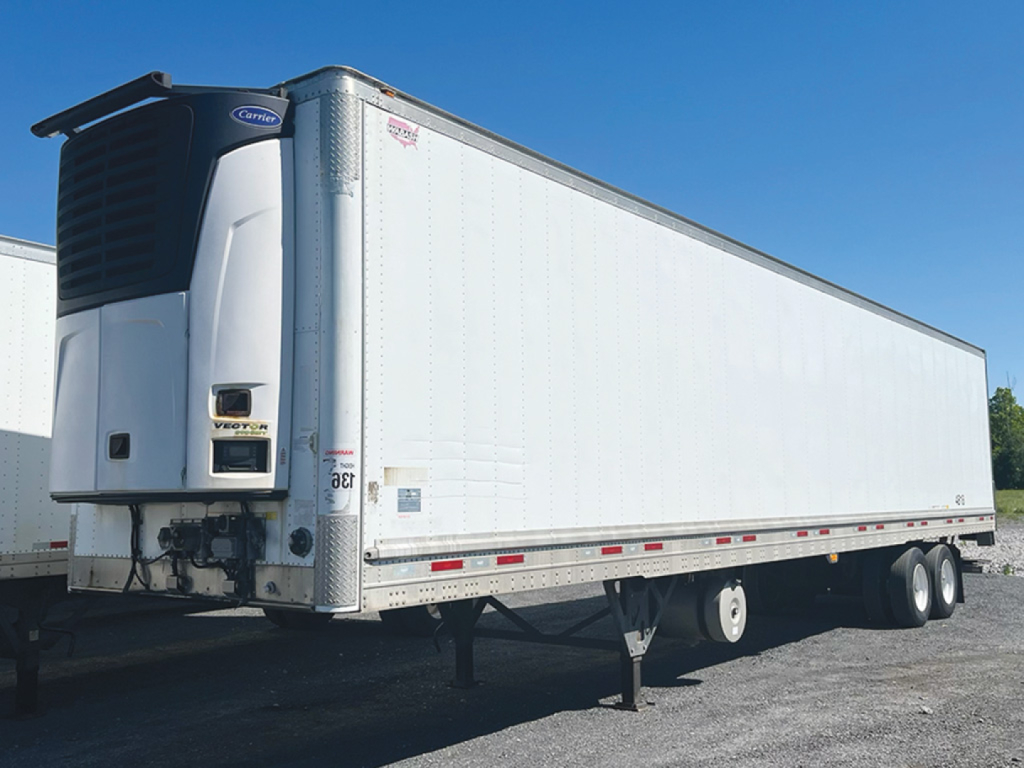
Showing 25 to 25 of 25 results
Have used 2019 reefer trailer to sell? List it here to reach thousands of buyers.
About Used 2019 Reefer Trailers in New York
Frequently Asked Questions
What should I check first on a used 2019 reefer trailer?
Start with the refrigeration unit hours, service history, and proof of regular preventive maintenance. Then inspect the trailer body for insulation integrity, floor wear, door seal condition, evaporator and bulkhead damage, and any signs of water intrusion. Buyers should also verify tire condition, brake type, suspension spec, sliding tandem operation, and whether the trailer has features such as tire inflation systems, liftgates, side doors, or roll-up rear doors that affect both value and application.
Which reefer unit brands are common on 2019 reefer trailers?
Carrier and Thermo King are the two most common reefer unit brands in this class. On 2019 trailers, buyers often see units such as Carrier Vector models or Thermo King Precedent series systems. The right choice depends on dealer support in your lane network, technician familiarity, parts access, and whether you need single-temp or multi-temp capability. Local service coverage matters as much as unit model because downtime on refrigerated freight is expensive.
Are 48-foot, 51-foot, and 53-foot reefer trailers used for different jobs?
Yes. A 53-foot reefer is the standard choice for long-haul grocery, distribution, and high-cube freight because it maximizes legal trailer volume. A 48-foot reefer can be easier to position in tighter urban deliveries and older facilities. A 51-foot trailer sits between the two and may appeal to fleets matching specific customer docks or established route requirements. Length should be matched to payload profile, dock constraints, and state bridge and axle considerations.
What trailer features matter most for New York reefer operations?
For New York routes, pay close attention to door configuration, liftgate presence, brake spec, and the condition of the refrigeration unit under stop-and-go use. Urban and regional delivery work often benefits from curbside doors, roll-up doors, and liftgates for multi-stop service. Disc brakes, tire inflation systems, and durable scuff protection can also reduce maintenance and damage exposure in dense traffic and frequent dock cycles. If the trailer will run into the city, confirm overall dimensions, turning needs, and operating weight against your typical lanes.
Is a multi-temp reefer trailer worth paying more for?
A multi-temp reefer trailer is worth the premium if your freight mix includes frozen and chilled product on the same load or if you serve grocery and foodservice accounts with split-temperature requirements. These trailers add flexibility and can support higher-value routes, but they also bring more components, more maintenance points, and stricter inspection needs around bulkheads, air chutes, and temperature control performance. If your operation moves single-temperature freight only, a standard single-temp reefer is often the simpler and more cost-effective choice.