
Reefer Trailers For Sale in New York
Browse reefer trailers for sale in New York, including 48-ft and 53-ft refrigerated trailers with Thermo King units and multi-temp capability.
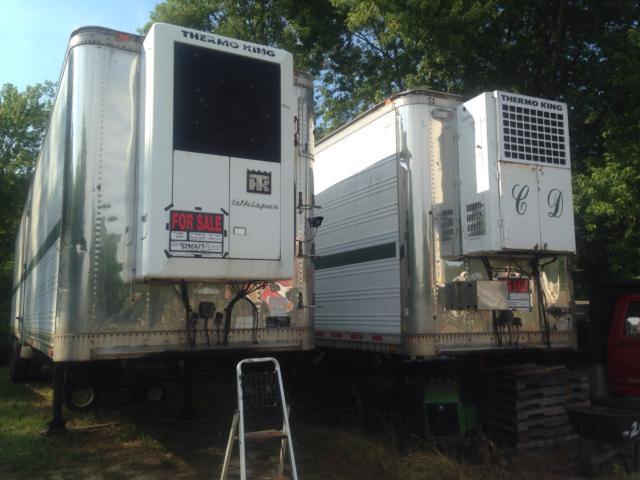

Have reefer trailer to sell? List it here to reach thousands of buyers.
Reefer Trailers in New York
The refrigeration unit deserves close attention. Thermo King and Carrier are the dominant names in this category, with models ranging from straightforward single-temp units to multi-temp systems for mixed frozen and chilled loads. Buyers should compare reefer unit hours, maintenance history, fuel consumption, and pull-down performance, not just whether the unit starts and runs. In Northeast freight, fast door cycles and frequent stops can expose weak insulation, worn door seals, and marginal evaporator performance. Features like a cold chute, rear vent, insulated bulkheads, and proper air return space matter if the trailer will see produce, pharmaceuticals, dairy, or LTL food service work.
Trailer construction affects both durability and sanitation. Aluminum roofs, aluminum duct floors, stainless front radius panels, stainless rear frames, scuff liners, and quilted swing doors are common on later-model reefers because they hold up better to pallet traffic, washouts, and dock abuse. Tire inflation systems, side skirts, disc wheels, and low-profile 22.5 tires are also common fleet specs on newer refrigerated trailers. Check floor wear around forklift paths, inspect the rear frame and door frame for corrosion or impact damage, and verify the condition of drains, interior lining, and insulation. A reefer can look clean outside and still have hidden temperature-control problems if the floor channels are damaged or the body has lost insulation value.
For buyers comparing reefer trailers for sale, the real question is application fit. Long-haul grocery and dedicated contract freight usually favor late-model 53-foot trailers with fuel-efficient units and air ride. Urban and regional operations may accept an older trailer if the unit hours, structural condition, and temperature integrity are right. In New York, trailer age, emissions compliance on the reefer unit, and service support availability can matter as much as the trailer brand. A good reefer trailer should match the freight profile, hold setpoint consistently, and give you predictable maintenance costs during peak season.
Frequently Asked Questions about Reefer Trailers in New York
What should I check first when buying a used reefer trailer?
Start with the reefer unit, the trailer body, and the floor. Confirm the refrigeration unit hours, service records, and operating condition under load, not just at idle. Inspect door seals, interior liner condition, floor channels, and insulation integrity because temperature loss often comes from body wear rather than the unit alone. Also check suspension, brakes, tires, and the sliding tandem system since refrigerated trailers usually run heavy and see hard dock use.
What length reefer trailer is most common?
The standard over-the-road reefer trailer is typically 53 feet long and 102 inches wide. That size fits most grocery, food distribution, and dedicated contract freight requirements. Older 48-foot reefer trailers are still used in regional lanes and budget-sensitive operations, but many buyers prefer 53-foot trailers for freight compatibility and resale strength.
What is the difference between single-temp and multi-temp reefer trailers?
A single-temp reefer trailer cools the entire box to one setpoint, which works well for full truckload produce, frozen food, or dairy moving at one temperature. A multi-temp reefer uses bulkheads and separate air management to carry products at different temperatures in the same trailer. Multi-temp setups are useful for food service and route delivery, but they add complexity to loading, maintenance, and refrigeration management.
Are reefer unit hours important on a trailer?
Yes. Reefer unit hours are one of the most important indicators of wear on the refrigeration system, similar to engine hours on power equipment. High hours do not automatically make a trailer a poor buy, but they should line up with maintenance records, rebuild history, and current performance. Buyers should also consider the type of operation the unit saw, since stop-and-go multi-drop service can be harder on a reefer than steady highway operation.
What floor and interior features matter most in a reefer trailer?
Aluminum duct floors are common because they support airflow under the load and stand up to forklift traffic. Scuff liners, stainless front and rear components, insulated walls, and sound rear doors all help preserve temperature control and reduce repair costs. If the trailer will haul palletized food products, strong airflow design and a floor that is not crushed or blocked are critical for even temperature from nose to doors.