
Wabash Reefer Trailers For Sale in New York
Browse Wabash reefer trailers for sale in New York. Compare 51-ft and 53-ft refrigerated trailers, specs, insulation, doors, floors, and reefers.
Learn more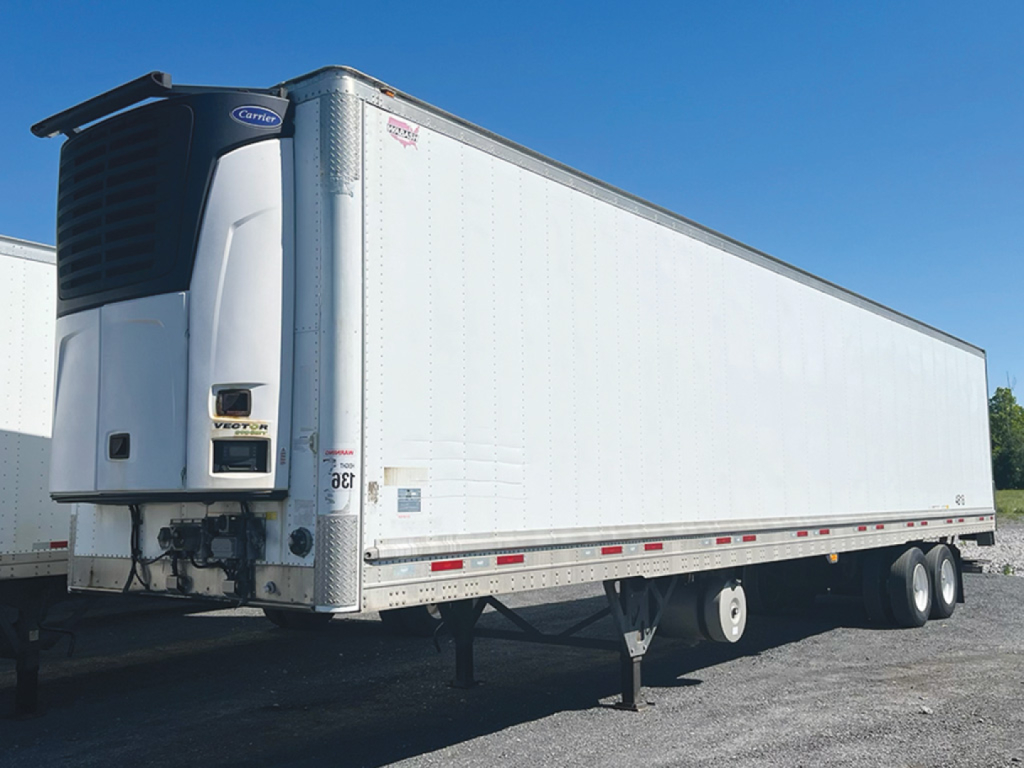

Showing 1 to 12 of 25 results
Have wabash reefer trailer to sell? List it here to reach thousands of buyers.
About Wabash Reefer Trailers in New York
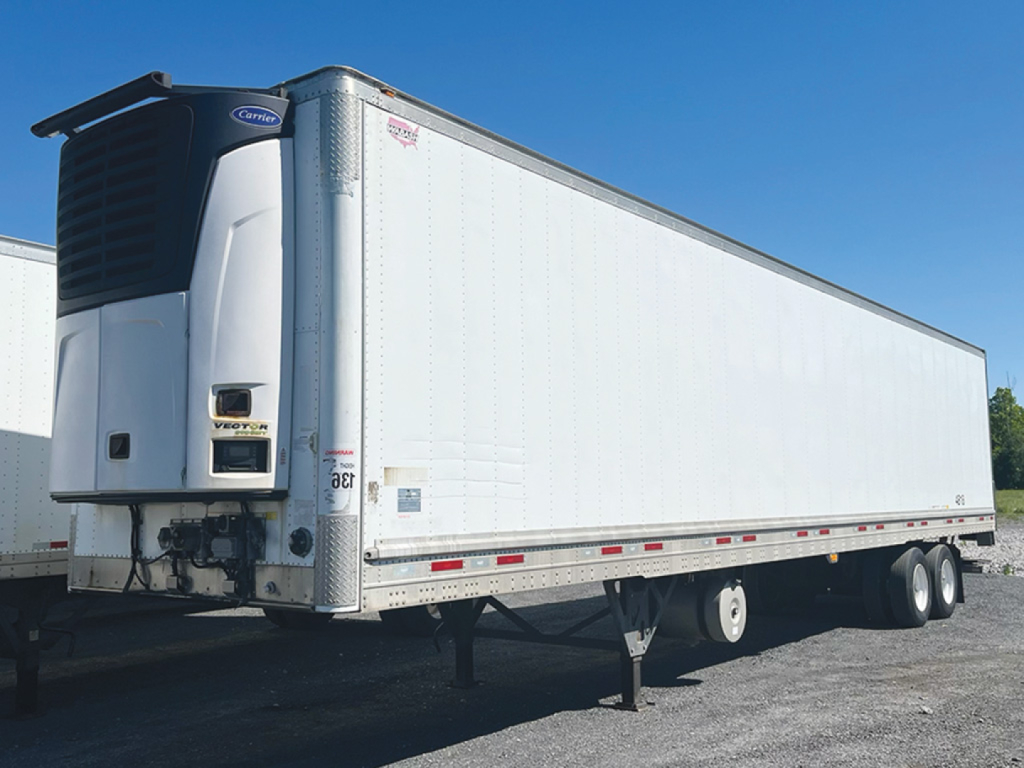
The common decision points are straightforward. Most fleets want a 53-foot x 102-inch trailer with a 13-foot 6-inch overall height, but 51-foot bodies still show up in regional and specialized applications. Inside height is important if you are maximizing cube with palletized freight, and many buyers look closely at aluminum flat floors, scuff plates or scuff liners, stainless steel rear door frames, and E-track for load securement flexibility. Roll-up rear doors can make sense for route work and frequent dock stops, while swing doors often favor maximum opening and simpler long-term service. A curb side door and liftgate add value for city delivery, store replenishment, and any application where dock access is inconsistent.
Suspension, brake, and axle setup affect operating cost just as much as refrigeration performance. Sliding tandems remain the standard for bridge compliance and weight distribution, especially on Northeast lanes. Disc brakes are attractive to many buyers because they improve stopping consistency and reduce fade in heavy stop-and-go service. Tire inflation systems, low-profile 22.5 tires, aerodynamic side skirts, and lightweight wheel packages can all help trim maintenance or fuel expense over time. Reefer buyers should also compare unit hours, engine hours, electric standby if equipped, service records, and temperature pull-down performance. Carrier and Thermo King units dominate the market, and the right choice often comes down to dealer support, parts access, and the type of freight being hauled.
Wabash trailers are well known for fleet-spec refrigerated bodies, making them a familiar choice for buyers who need standardized dimensions, predictable parts support, and resale strength. The best used reefer trailer is not simply the newest one. It is the trailer with solid insulation, a straight body, healthy floor and crossmember structure, clean seals, and a refrigeration unit that matches the lane. For New York operations, details like corrosion around the rear frame, suspension wear from rough urban roads, and door condition after repeated dock impact deserve extra attention. A reefer that is right for long-haul frozen loads is not always the best fit for local delivery, so buyers should match body length, door style, liftgate needs, and reefer capacity to the freight first.
Frequently Asked Questions
What should I check first when buying a used Wabash reefer trailer?
Start with the refrigeration unit, the trailer body, and the floor. Unit hours, service history, fault codes, and pull-down performance matter because reefer repairs can be expensive. On the trailer itself, inspect the front wall, roof, sidewalls, rear frame, door seals, and floor for damage that can affect temperature retention or sanitation. Buyers should also look underneath for crossmember condition, suspension wear, brake type and condition, and signs of corrosion or impact damage.
Are 51-foot and 53-foot Wabash reefer trailers used for different applications?
Yes. A 53-foot reefer trailer is the standard choice for maximizing payload cube in over-the-road and regional food distribution. A 51-foot reefer can still fit certain dedicated contracts, regional lanes, or operations with yard, dock, or route constraints. The right length depends on freight density, customer dock layout, and whether you are prioritizing maneuverability or total cargo volume.
Is a roll-up door better than swing doors on a reefer trailer?
It depends on the route. Roll-up doors are popular on multi-stop delivery because they speed up dock work and reduce the swing clearance needed behind the trailer. Swing doors are often preferred in linehaul or single-stop applications because they typically provide a full rear opening and fewer moving parts in the door assembly. Buyers should match the door style to stop frequency, dock setup, and maintenance expectations.
Why do features like scuff plates, E-track, and liftgates matter on a refrigerated trailer?
These features directly affect how the trailer performs in real freight service. Scuff plates and liners help protect interior walls from pallet and forklift damage. E-track adds flexibility for securing mixed loads or route freight. A liftgate is important when deliveries are made without a loading dock. On reefer work, these details can determine whether the trailer is best suited for grocery distribution, foodservice, pharmaceutical freight, or local store delivery.
What reefer trailer features are especially important for New York operation?
For New York use, maneuverability, brake performance, and durability in dense traffic matter a lot. Sliding tandems help with bridge laws and axle placement. Disc brakes are valuable in stop-and-go service. A curb side door or liftgate can be useful for urban delivery where dock access is limited. Buyers should also inspect carefully for corrosion from winter road treatment, rear frame damage from tight docks, and suspension wear caused by rough city streets and regional Northeast roads.