
Reefer Trailers For Sale in Nebraska
Browse reefer trailers for sale in Nebraska, including 53-foot refrigerated trailers with Thermo King or Carrier units and air ride suspensions.
Learn moreNo exact matches found for your search
Showing Reefer Trailers instead.
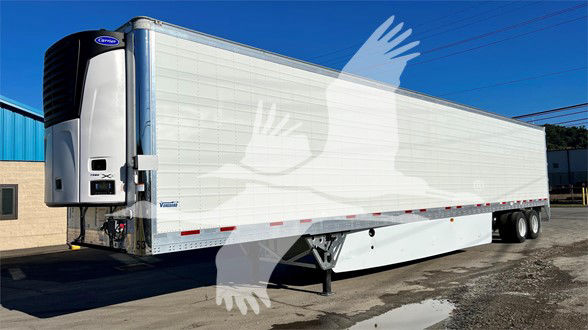
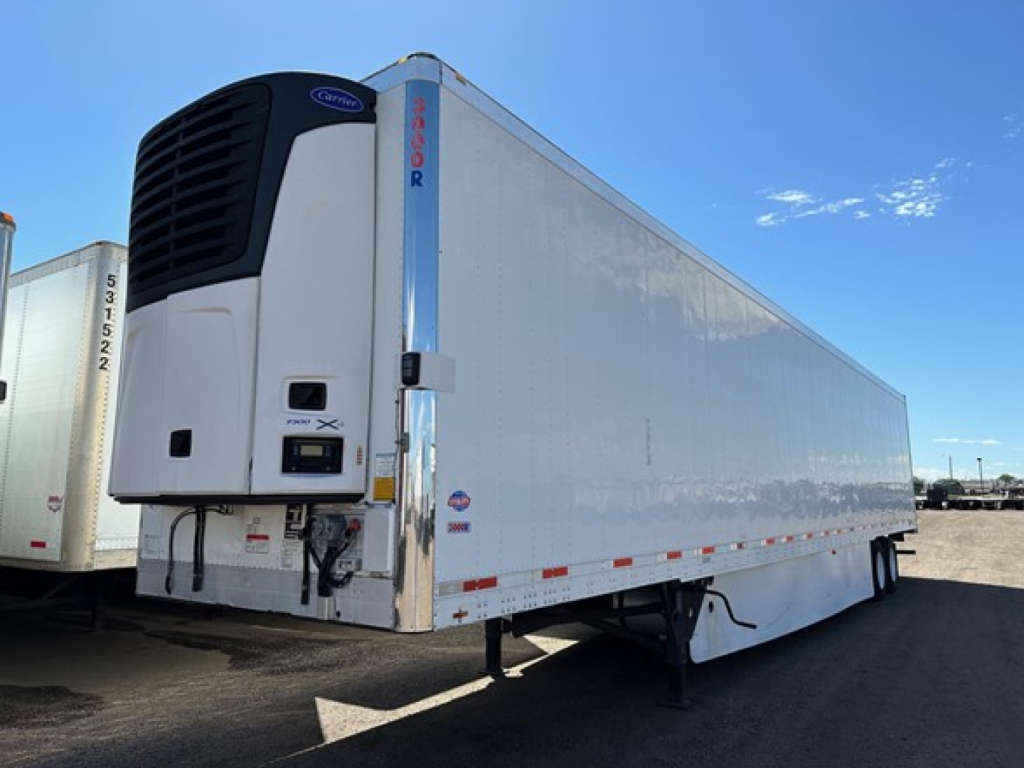
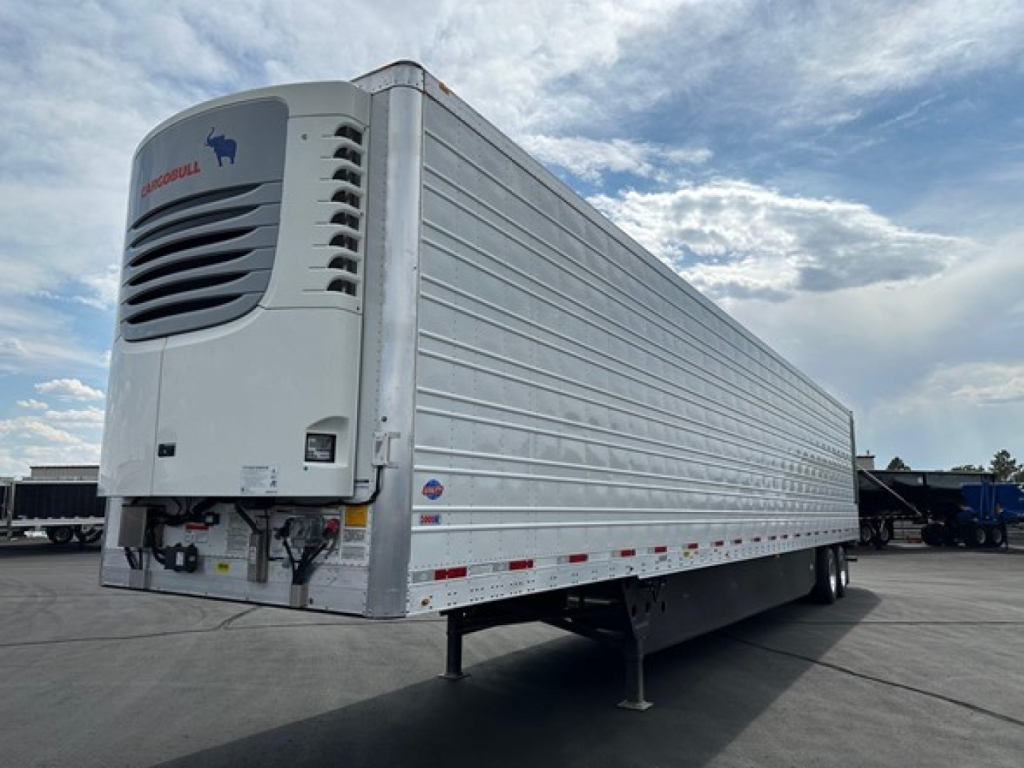
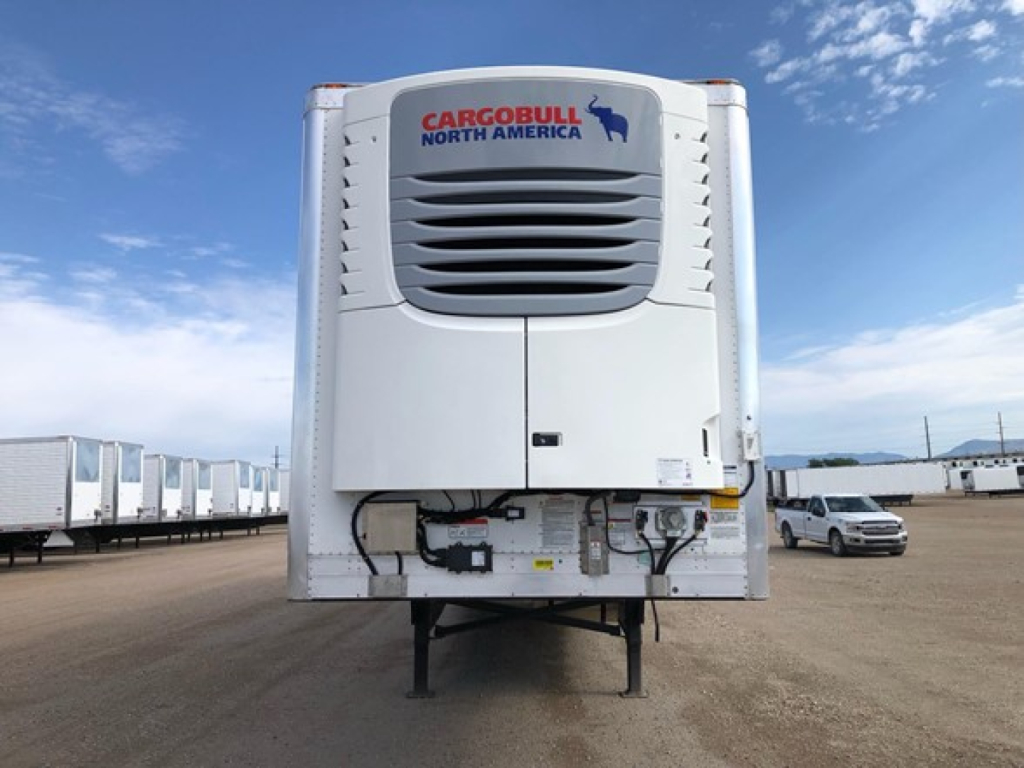
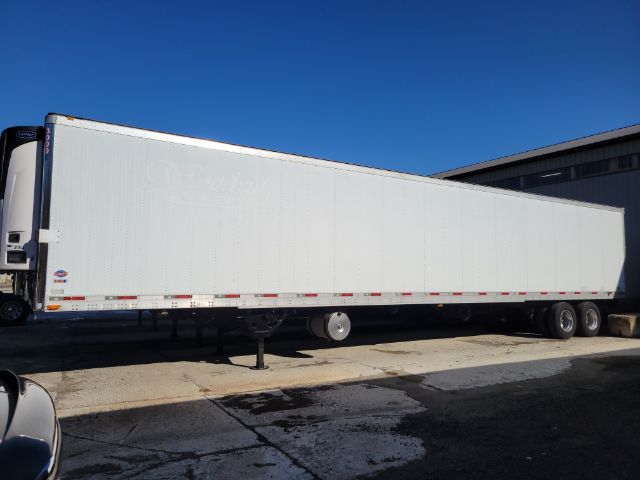
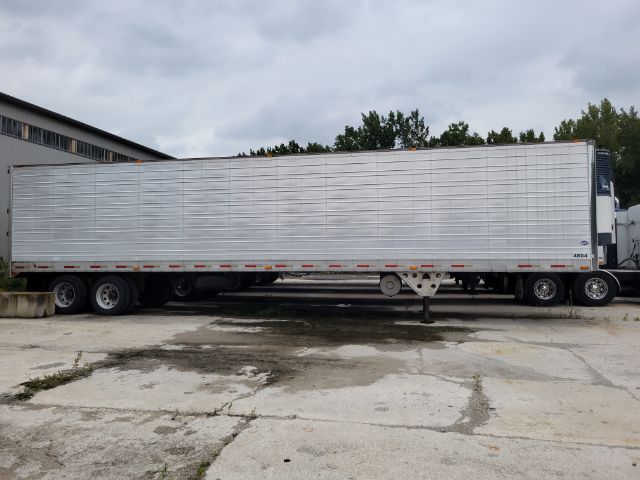
Showing 277 to 288 of 297 results
Have reefer trailer to sell? List it here to reach thousands of buyers.
About Reefer Trailers in Nebraska
The cargo and route profile should guide the trailer spec. A heavy duty aluminum duct floor helps maintain airflow under palletized freight and stands up better to forklift traffic than lighter floor setups. Scuff liners or scuff plates are important for produce, dairy, frozen food, and beverage work where repeated dock loading wears sidewalls. Inside height matters if you are cube-sensitive, especially with higher pallet counts or mixed loads. Stainless steel front radius panels, rear frames, and door frames are common on better-spec reefer trailers because they hold up well against corrosion, road spray, and dock abuse. Swing doors are still standard for many fleets, though seal condition and hinge wear deserve close attention on any used refrigerated trailer.
Running gear can affect both payload and flexibility. Air ride suspension is common because it protects sensitive freight and reduces shock loading, while sliding tandems help with bridge law compliance and dock positioning. Spread axle configurations show up on some reefer trailers when stability or specific weight distribution is a priority, but they can reduce maneuverability in tighter urban work. Tire inflation systems, disc brakes, side skirts, and aluminum wheels are all desirable features on later-model units because they support lower maintenance, fuel economy, and better roadside reliability. Buyers in Nebraska should also pay attention to insulation condition, evaporator airflow, door seal integrity, and signs of prior floor or front wall repair, especially on trailers that have seen year-round temperature cycling.
A reefer trailer is only as good as its ability to hold temperature consistently under load. That means checking not just that the unit runs, but that the box is tight, the floor channels are clean, and the chute, venting, and drains are set up for the freight you move. Frozen operations usually prioritize insulation performance and steady continuous run capability, while fresh and mixed-temp operations may care more about rapid recovery after door openings and clean airflow management. For many buyers, the best used reefer trailer is the one with a documented service history, a straight and dry box, and a refrigeration unit that can be serviced easily on the lanes they run.
Frequently Asked Questions
What should I look at first when buying a used reefer trailer?
Start with the refrigeration unit, the condition of the insulated box, and the floor. Check unit hours, service records, and how quickly the trailer pulls down to set temperature. Then inspect the interior for damaged insulation, delamination, moisture intrusion, and forklift wear. A reefer with a clean maintenance history and a tight box is usually a better buy than a newer trailer with weak temperature retention.
Are Thermo King and Carrier reefer units both good choices?
Yes. Thermo King and Carrier are the two most common refrigeration unit brands in the reefer trailer market, and both are widely supported. The better choice often comes down to dealer support on your routes, technician familiarity, parts access, and the specific unit's maintenance history. A well-maintained older unit can outperform a neglected newer one.
Why does floor type matter on a reefer trailer?
Floor design affects airflow, sanitation, and durability. Heavy duty aluminum duct floors are common because they allow cold air to move under the freight while holding up to repeated forklift traffic. If the floor channels are crushed, clogged, or heavily worn, airflow can suffer and temperature consistency across the load can drop. That is especially important on produce, dairy, and frozen freight.
Is a 53-foot reefer trailer the standard size?
Yes. The most common reefer trailer configuration in the market is 53 feet long, 102 inches wide, and 13 feet 6 inches high. That size works for standard over-the-road freight, grocery distribution, and most dock operations. Buyers should still verify inside height, axle setup, and kingpin setting because those details affect payload, bridge compliance, and compatibility with specific lanes or customer facilities.
Do features like tire inflation systems, disc brakes, and side skirts add value on a reefer?
They can. Tire inflation systems help reduce irregular tire wear and roadside failures. Disc brakes can improve stopping performance and simplify some brake service work. Side skirts may support better fuel economy in linehaul applications. These features do not replace the need for a sound refrigeration unit and a tight insulated box, but they can improve total operating efficiency over time.