
Reefer Trailers For Sale in Indiana
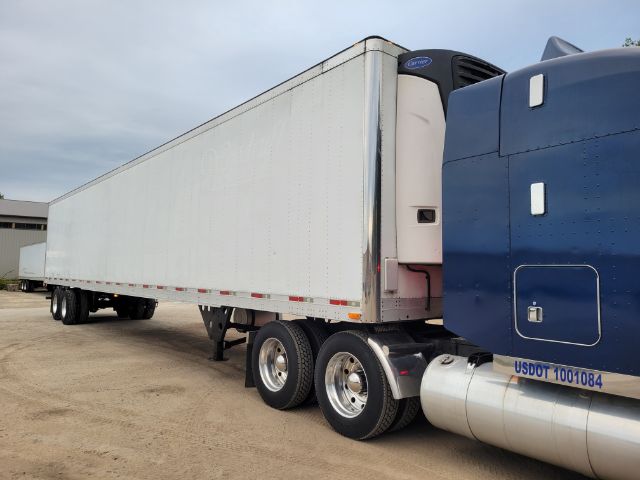
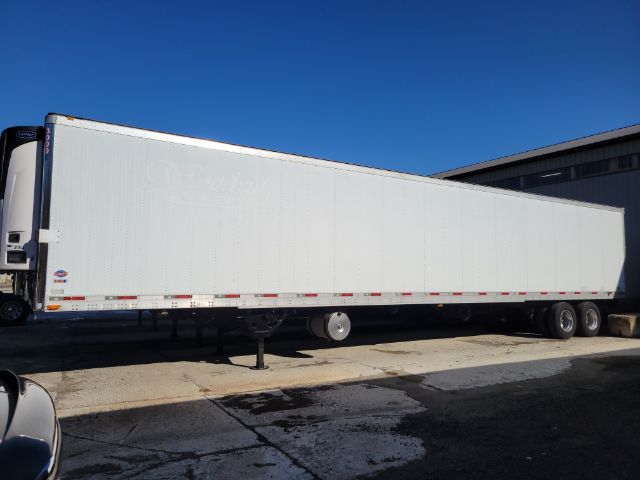
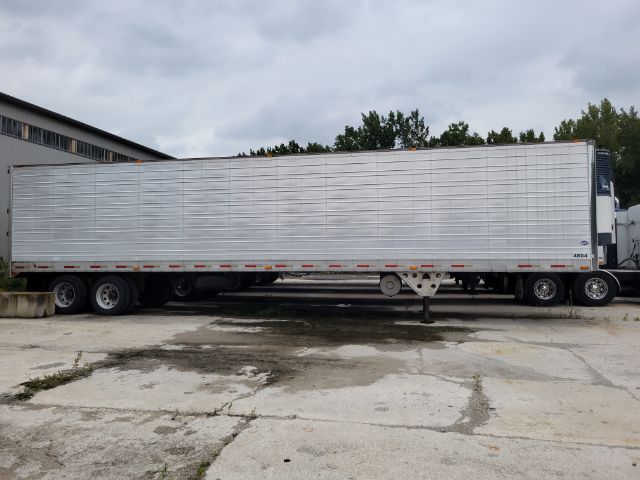
Browse reefer trailers for sale in Indiana, including 48' and 53' refrigerated trailers with Carrier units, air ride, tandem axles, and duct floors.
Selling a reefer trailer? List your reefer trailer for sale and reach thousands of commercial buyers.
Reefer Trailers in Indiana
The reefer unit matters as much as the trailer itself. Buyers should confirm pull-down performance, minimum operating temperature, engine hours, start-stop operation, defrost function, and whether the unit can hold below-zero setpoints under load. On the trailer side, pay close attention to floor design, insulation integrity, and door seal condition. A T-duct or heavy-duty duct floor is common because it supports airflow under the load, while interior liners such as Kemlite help with washdown and sanitation. Stainless front walls or rear door surrounds, aluminum scuff liners, and watertight rear doors are all useful details on a refrigerated trailer that sees regular dock work.
Spec choices affect both payload and compliance. Aluminum wheel packages, air ride suspension, sliding tandems, and 13-foot 6-inch outside height are common on used reefer trailers in this category. Sliding tandems help with bridge law and axle balance, while a clean, undamaged insulated body helps the unit cycle less and hold temperature more consistently. Buyers should also inspect the trailer floor for rot or soft spots, check for sidewall repairs that may affect insulation value, and verify that brakes, tires, lights, and suspension are ready for DOT service. On reefers used in food-grade service, interior condition is especially important because odors, stains, and damaged lining can limit the freight you can book.
A good reefer trailer is more than a box with a cold unit on the nose. It is a temperature-control system that depends on insulation, airflow, door seal quality, floor condition, and unit health working together. For Indiana buyers, it makes sense to match the trailer to the lane and commodity first, then compare reefer brand, floor type, axle setup, and overall body condition. A trailer hauling frozen freight every day has different demands than one running occasional produce or dairy loads, and the right specification can make a major difference in fuel use, maintenance cost, and claim risk.
Frequently Asked Questions about Reefer Trailers in Indiana
What is the most common reefer trailer size for sale?
The most common reefer trailer size is 53 feet long by 102 inches wide with tandem axles. That configuration fits most grocery, food distribution, and long-haul refrigerated freight applications. A 48-foot reefer is still useful for regional operations, older dock layouts, and certain customer requirements, but 53-foot trailers dominate the market because they offer better cubic capacity and broader load acceptance.
What should I inspect first on a used reefer trailer?
Start with the refrigeration unit, floor, insulation, and rear doors. The reefer unit should demonstrate proper pull-down, stable operating temperature, and normal engine and hour history. The floor should be structurally sound and designed to support airflow, and the body should show no signs of major insulation failure, water intrusion, or poorly repaired panel damage. Rear doors and seals need to close tightly because air leaks make the unit work harder and can cause temperature-control problems.
What floor type is best in a reefer trailer?
A duct floor such as a T-duct or heavy-duty duct floor is standard in many reefer trailers because it allows cold air to move under the freight. That airflow is critical for maintaining even temperatures through the trailer, especially on multi-stop routes or dense palletized loads. The best choice depends on your commodity and forklift traffic, but buyers should look for a floor that supports both airflow and long-term structural durability.
Are Carrier and Thermo King the main reefer unit brands?
Yes. Carrier and Thermo King are the two dominant refrigeration unit brands in the reefer trailer market. Both have broad service networks, common parts availability, and models suited for fresh and frozen applications. When comparing trailers, the condition of the individual unit, service records, hours, and cooling performance are usually more important than brand preference alone.
Why do sliding tandems matter on a reefer trailer?
Sliding tandems help adjust axle spacing for bridge law compliance and allow better weight distribution between tractor and trailer axles. That flexibility is important on reefer loads because commodity density can vary widely between produce, dairy, meat, and frozen freight. A sliding tandem setup also improves the trailer's usability across different shippers, receivers, and lane requirements.