
Used CIMC Reefer Trailers For Sale
Browse used CIMC reefer trailers built for temperature-controlled freight, with durable construction, high-cube specs, and common Carrier or Thermo King units.
No exact matches found for your search
Showing Used Reefer Trailers instead.
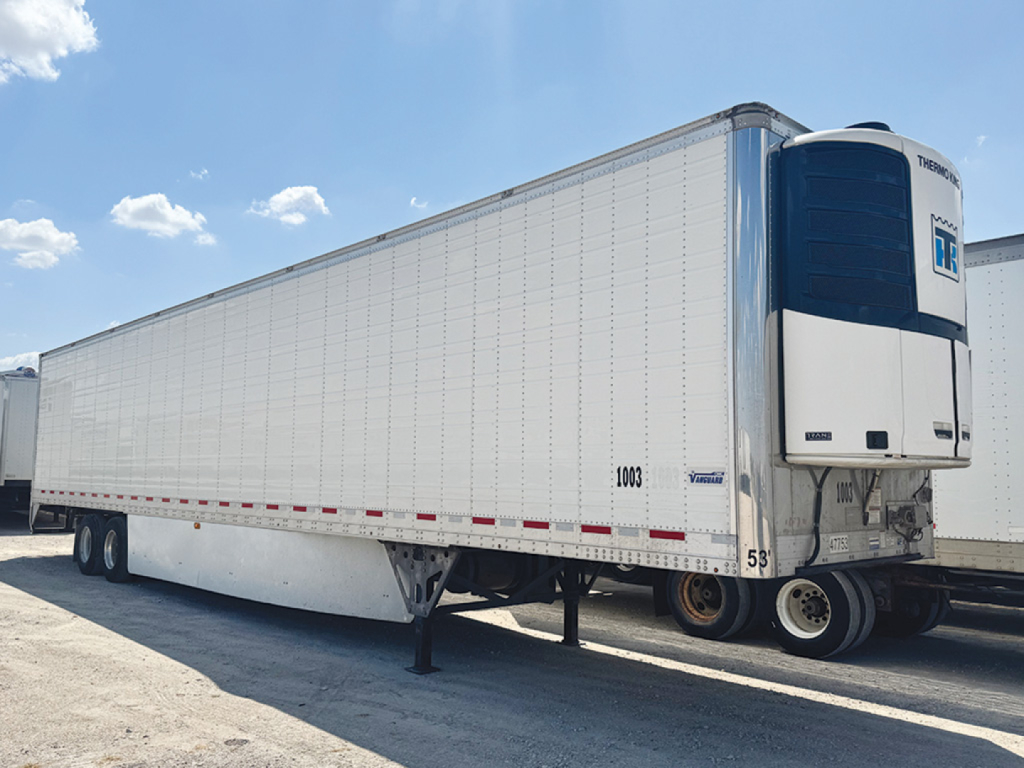
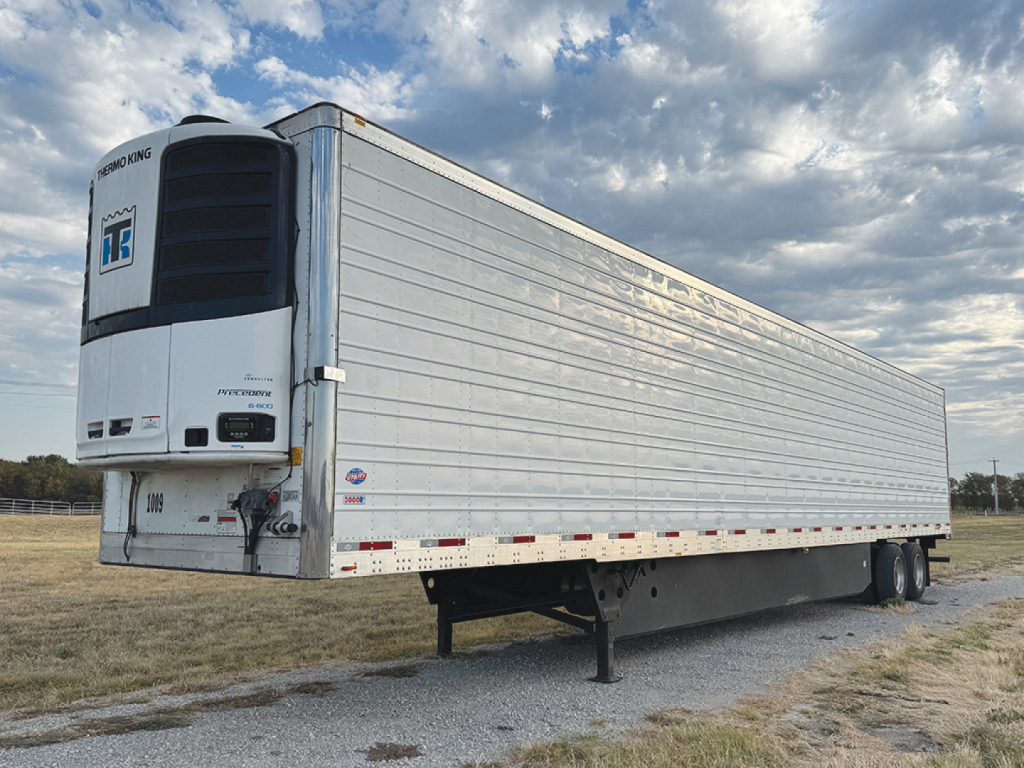
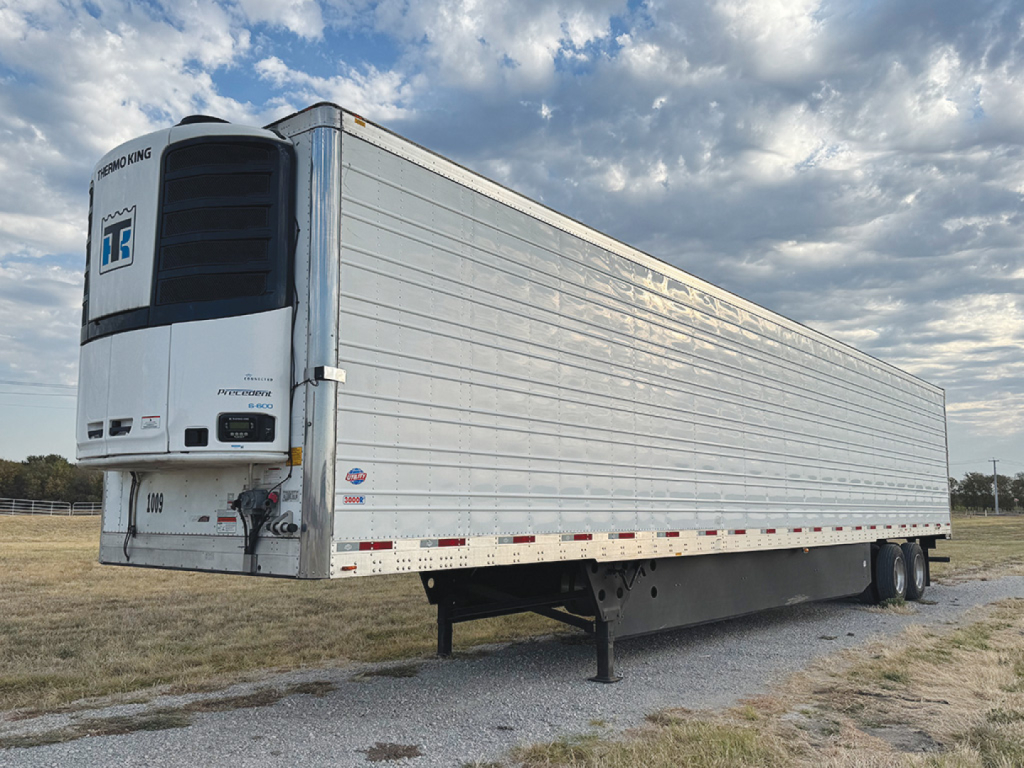
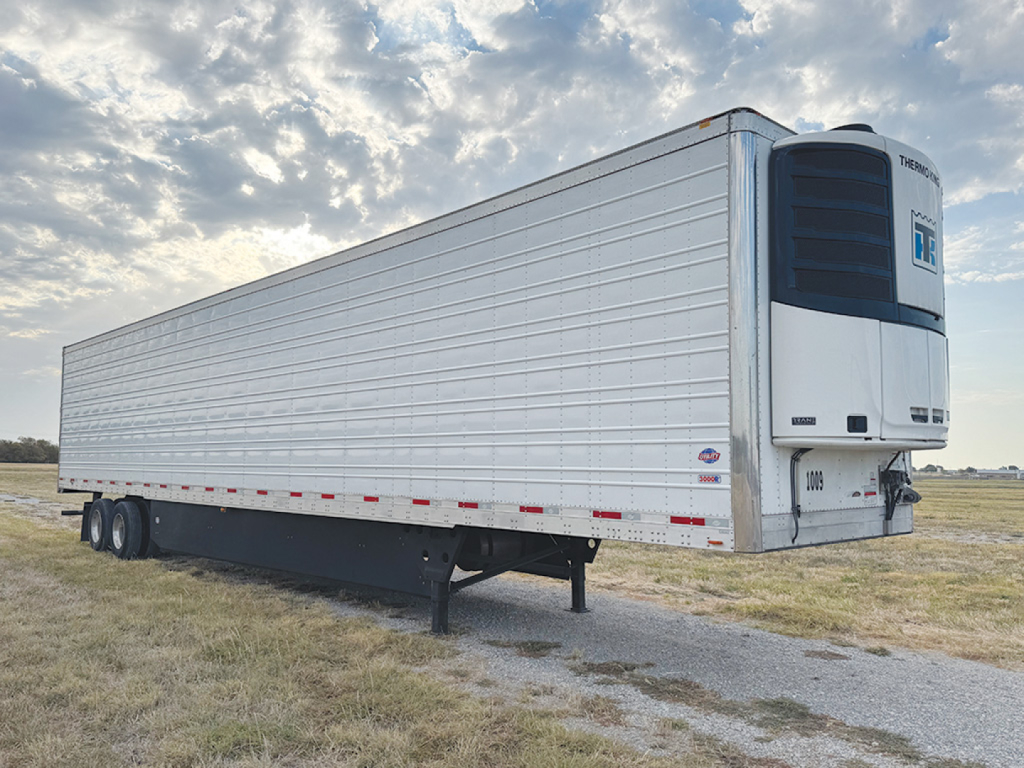
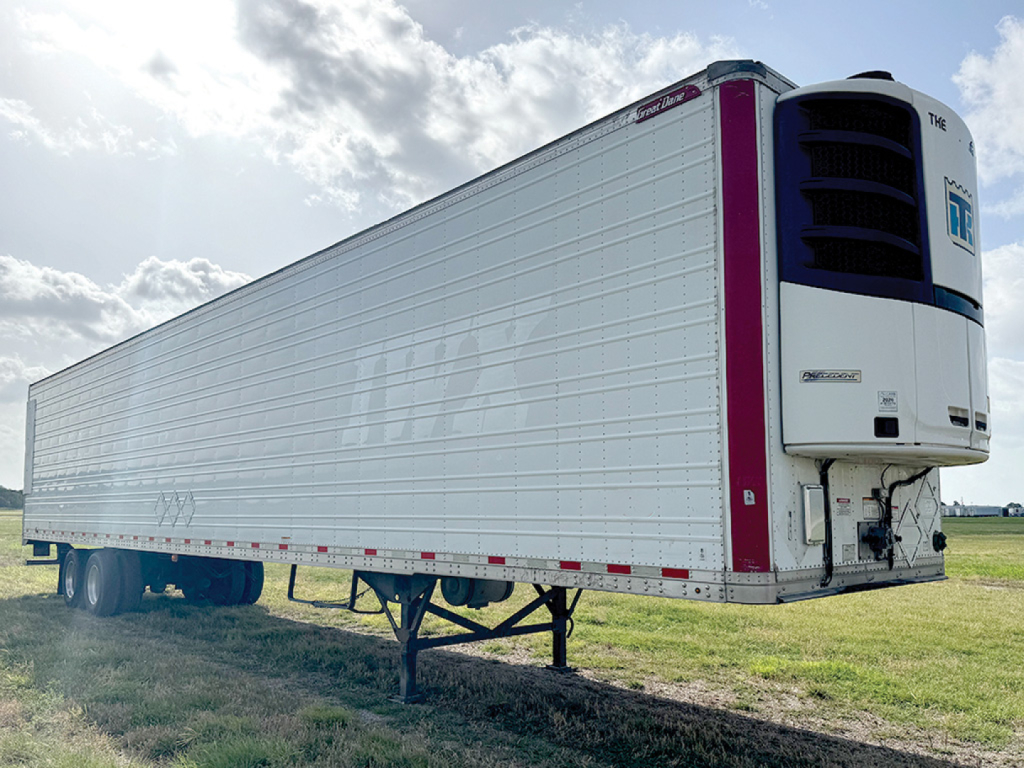
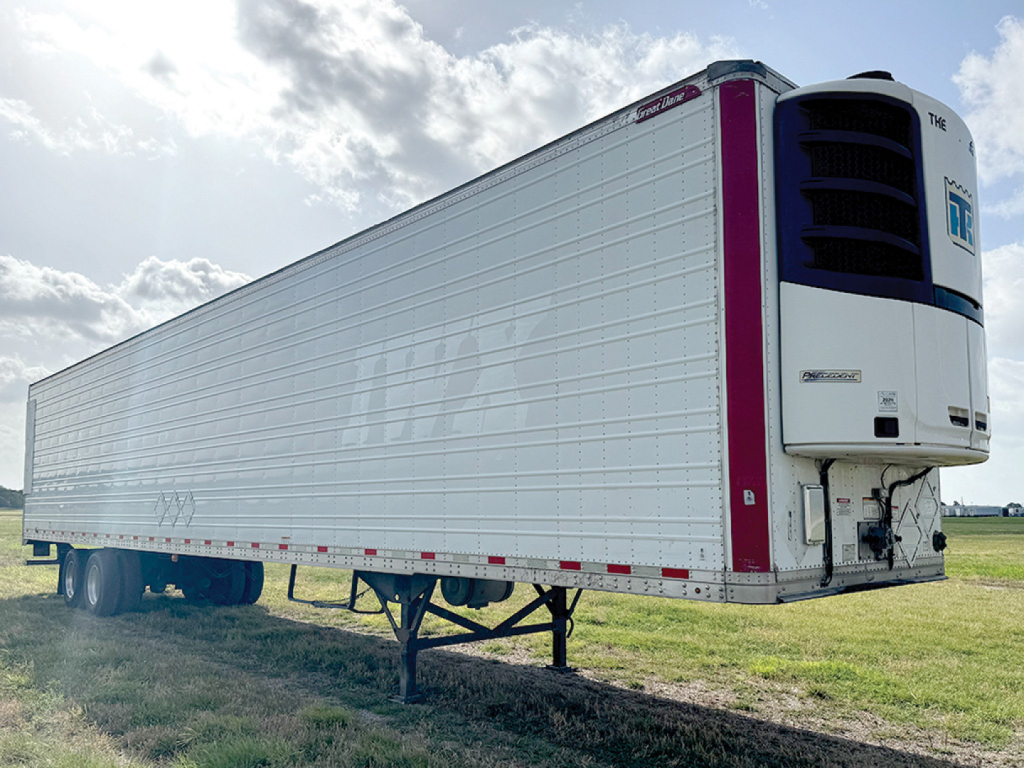
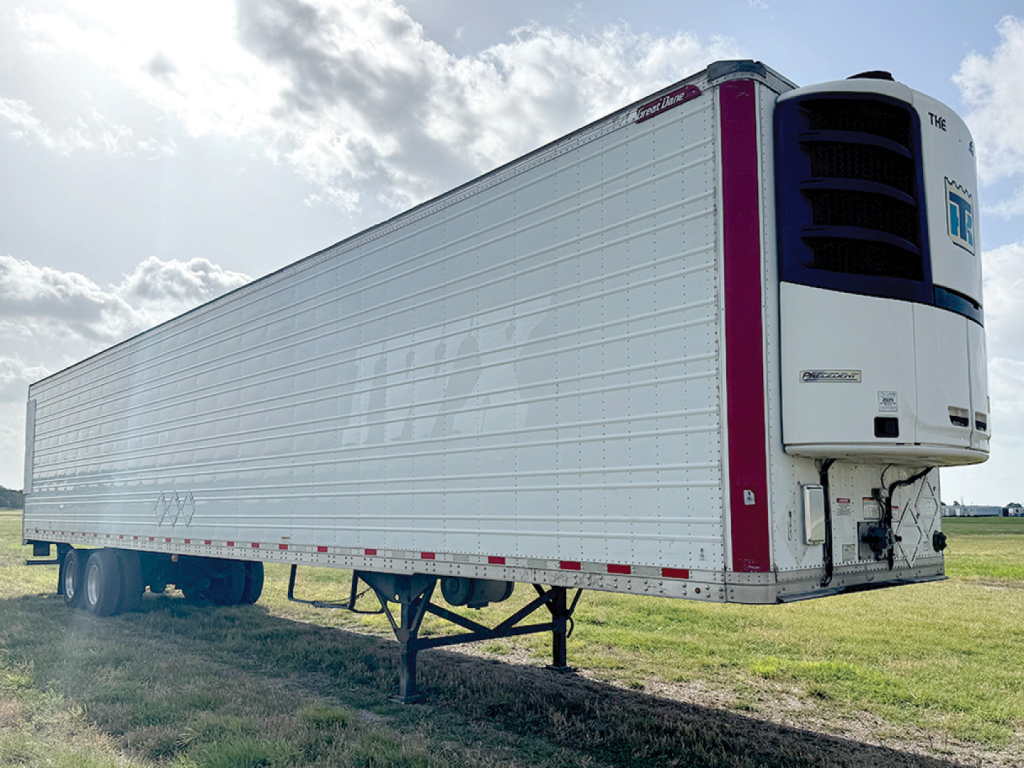
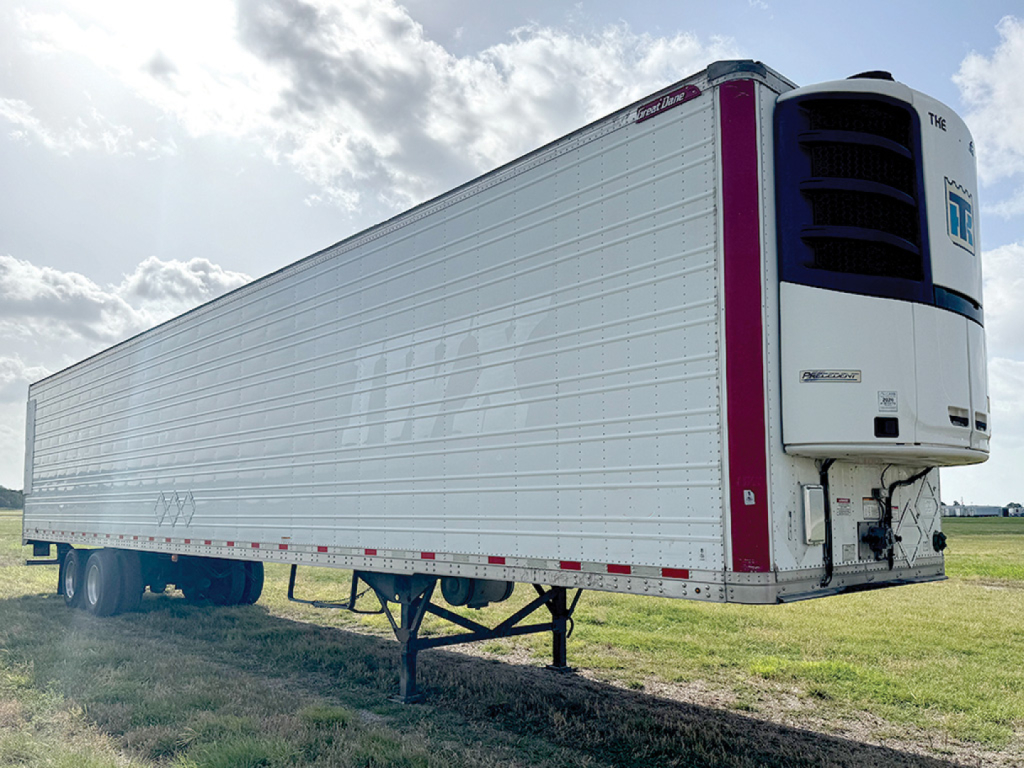
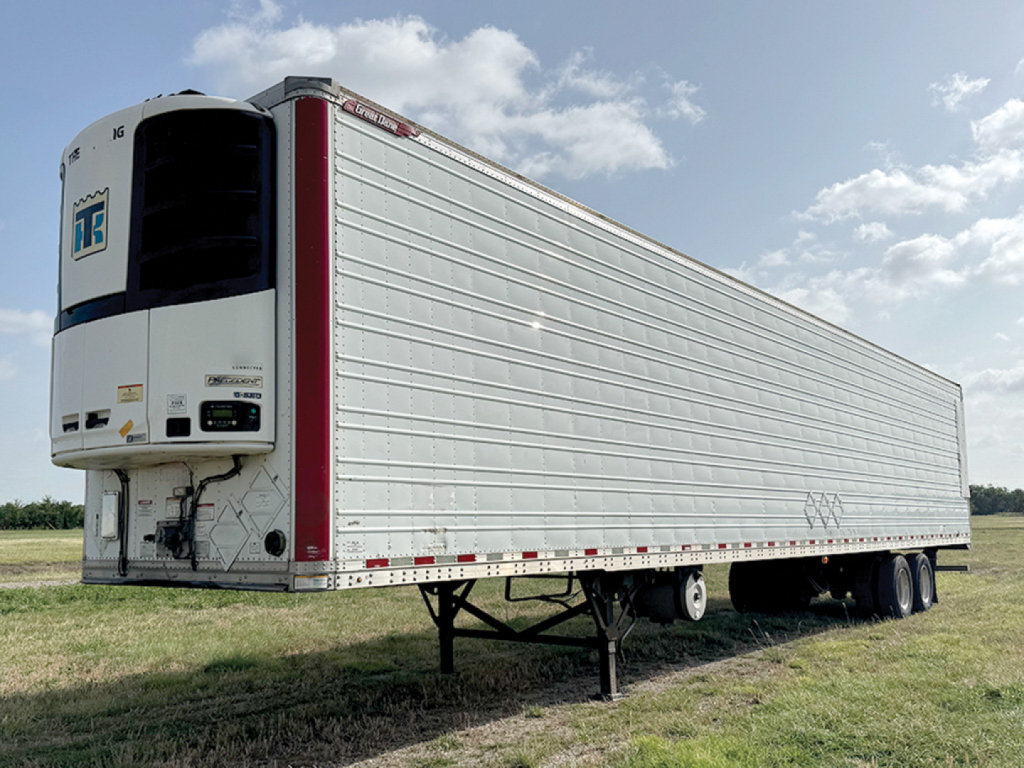
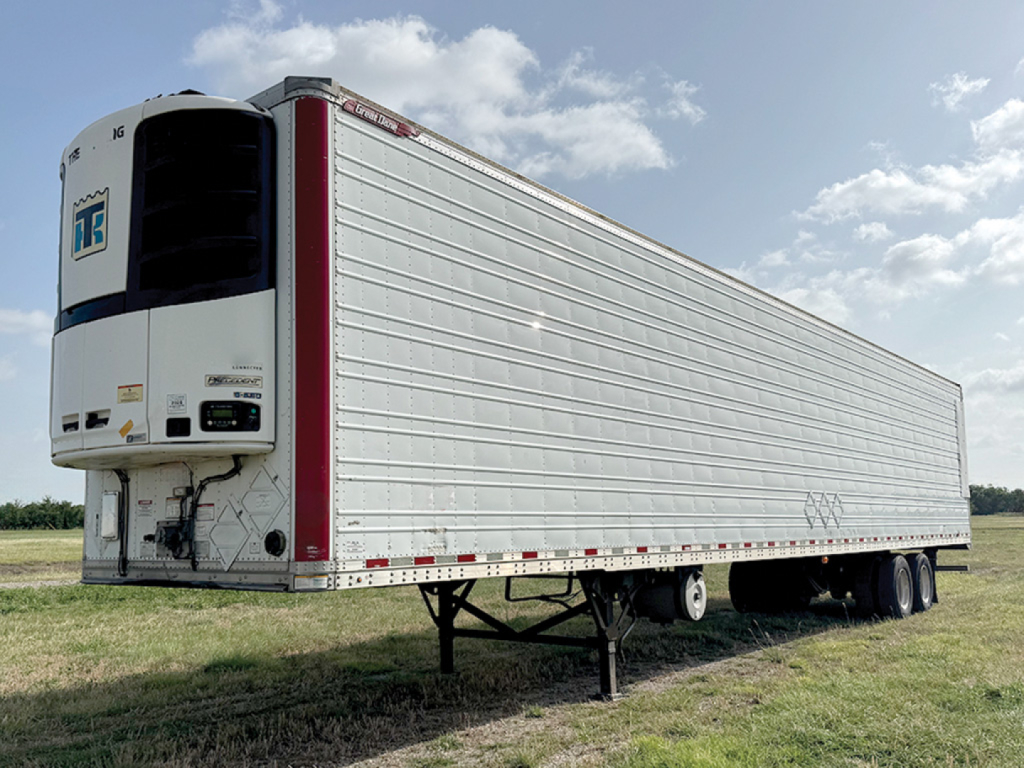
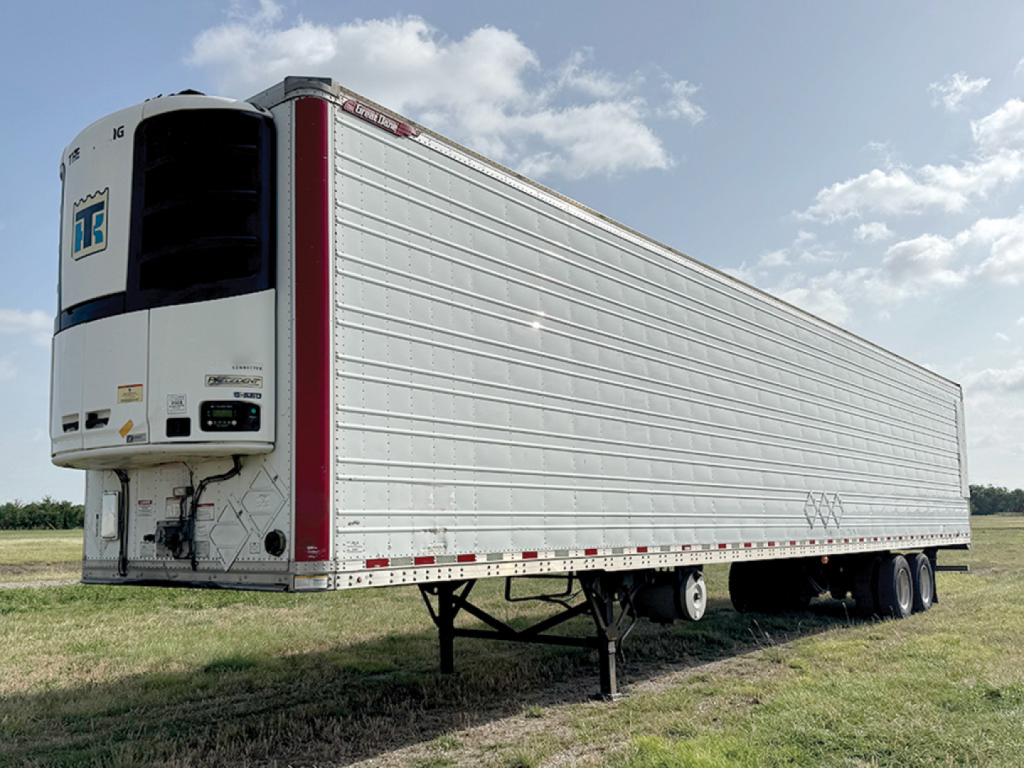
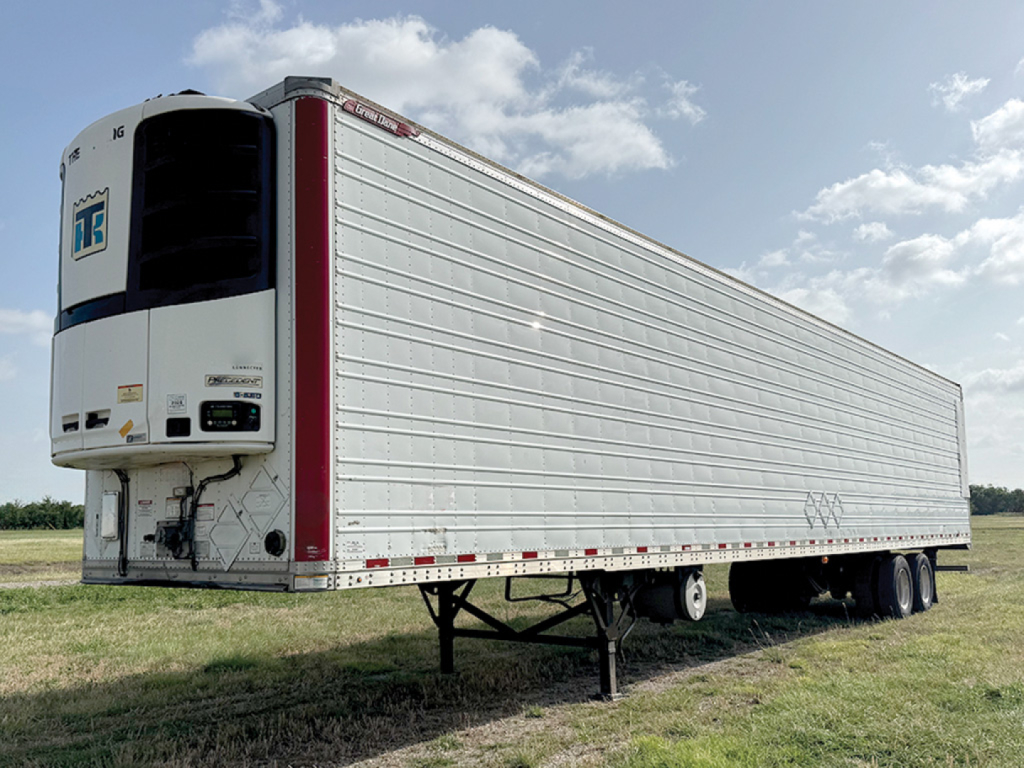
Showing 1 to 12 of 97 results
Have used cimc reefer trailer to sell? List it here to reach thousands of buyers.
Used CIMC Reefer Trailers
A good used reefer trailer starts with the box. Check the sidewalls and roof for prior repairs, moisture intrusion, and insulation damage. Look closely at the front wall, evaporator mounting area, and door frame for signs of impact or air leaks. Floor type affects both airflow and forklift use, so buyers should confirm whether the trailer has a flat floor, duct floor, or aluminum channel floor and match that to the freight profile. Scuff liners, logistics posts, interior lighting, and door hardware all matter in daily loading. High-cube specification is common on reefers and helps with cube efficiency, but it also makes tire size, ride height, and dock compatibility worth confirming.
The refrigeration unit is the biggest variable in a used CIMC reefer trailer. Many units in this class are paired with Carrier or Thermo King systems, and buyers should verify engine hours, unit model, temperature pull-down performance, defrost operation, controller function, and maintenance history. Low-hour units are attractive, but service records often tell more than the meter alone. Fuel tank condition, battery age, alternator output, and pre-trip alarm history should all be reviewed. If the trailer will run multi-stop urban routes, pay attention to start-stop operation and door-open recovery. For long-haul frozen or deep-chill applications, insulation quality, return air management, and unit capacity under load are more important than cosmetic appearance.
CIMC reefers are often considered by fleets looking for a practical refrigerated trailer with standard parts compatibility and familiar fleet specs. On used equipment, suspension type, brake configuration, wheel material, low-pro tire setup, and axle spread can affect total operating cost and state compliance. Buyers running regional grocery or dedicated food accounts should also check interior dimensions, pallet count, and washout condition, since these details impact revenue every day. A reefer trailer that looks similar on paper can perform very differently in service depending on prior fleet maintenance, reefer unit care, and how well the body has held temperature over time.
Frequently Asked Questions about Used CIMC Reefer Trailers
What should I inspect first on a used CIMC reefer trailer?
Start with the trailer body and the refrigeration unit. Inspect the roof, sidewalls, front wall, floor, and rear frame for repairs, impact damage, water intrusion, or insulation issues. Then evaluate the reefer unit for hours, service records, temperature pull-down, controller operation, and active alarms. A reefer with a clean body and weak temperature retention can become expensive quickly, even if the unit starts and runs.
Are CIMC reefer trailers commonly equipped with Carrier or Thermo King units?
Yes. Used CIMC reefer trailers are commonly found with Carrier or Thermo King refrigeration systems, depending on the original fleet spec. The trailer make and the reefer unit make are separate buying decisions, so it is important to evaluate both. Parts support, technician familiarity, and your existing fleet's service network may influence which reefer unit brand fits best.
How important is floor type on a refrigerated trailer?
Floor type is a major decision because it affects airflow, sanitation, and loading conditions. Some used reefers have flat floors, while others use aluminum channel or duct-style floors to support air circulation under the load. A floor that is worn, crushed, or patched can reduce airflow and create forklift issues. Buyers hauling frozen freight or tightly stacked palletized loads should pay close attention to floor design and condition.
What reefer trailer specs matter most for grocery and foodservice work?
For grocery and foodservice applications, buyers usually focus on 53-foot length, high-cube interior, swing doors, pallet capacity, reliable multi-temp or single-temp performance, and strong door seals. Interior cleanliness, scuff protection, and washout condition also matter because these trailers cycle through frequent loading and unloading. Reefer unit recovery after door openings is especially important on multi-stop routes.
Is a used CIMC reefer trailer a good fit for regional or long-haul service?
It can be, provided the body is tight and the refrigeration unit matches the route profile. Regional operations often need strong start-stop performance, fast pull-down, and dependable recovery during frequent deliveries. Long-haul service places more emphasis on insulation quality, fuel efficiency, dependable continuous run capability, and overall reefer reliability under sustained load. The right fit depends less on the badge and more on the trailer's actual condition and maintenance history.