
2024 Reefer Trailers For Sale in North Carolina
Shop 2024 reefer trailers for sale in North Carolina. Compare 53-foot refrigerated trailers, multi-temp options, reefers, and cooling units.
Learn more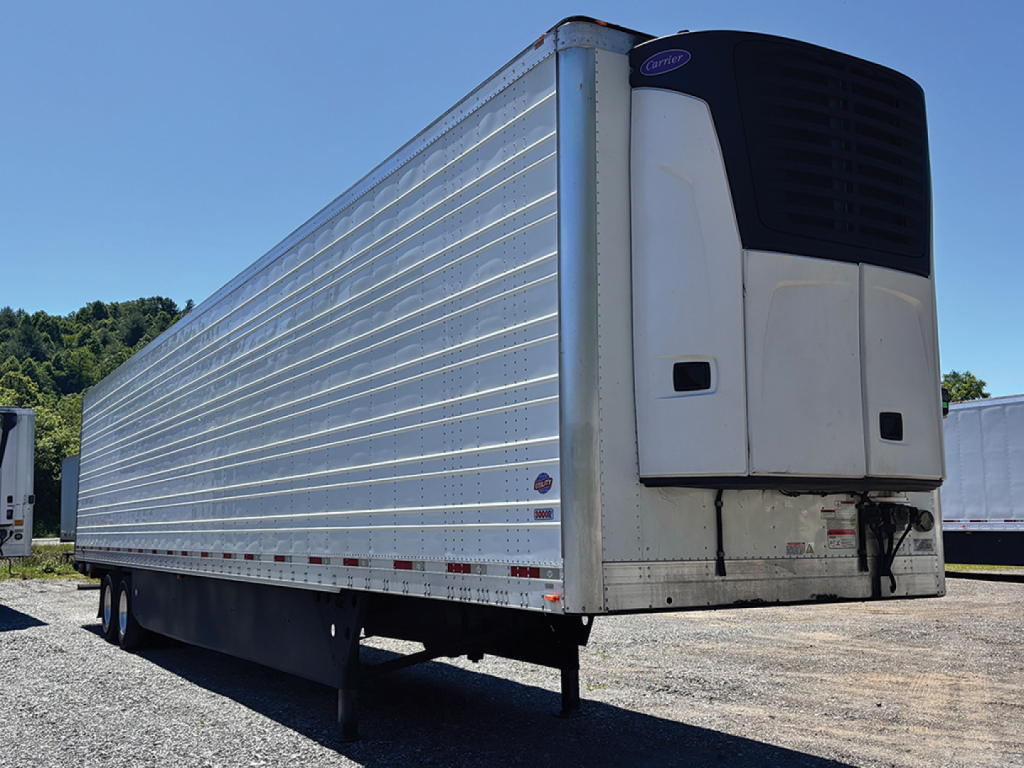
Have 2024 reefer trailer to sell? List it here to reach thousands of buyers.
About 2024 Reefer Trailers in North Carolina
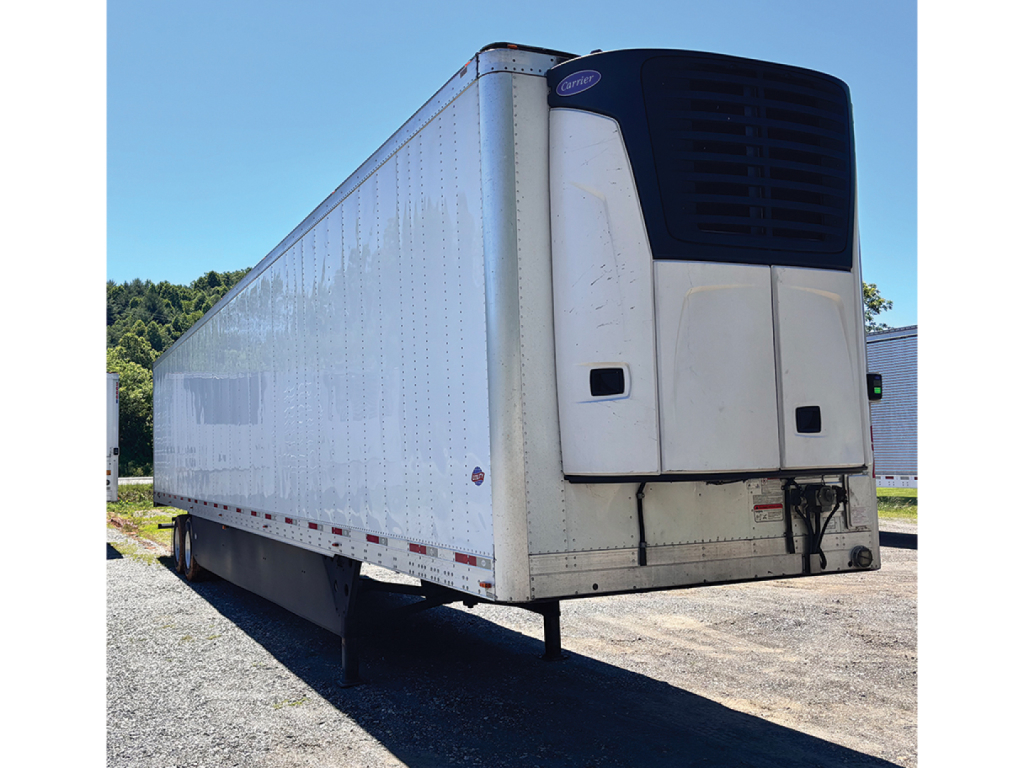
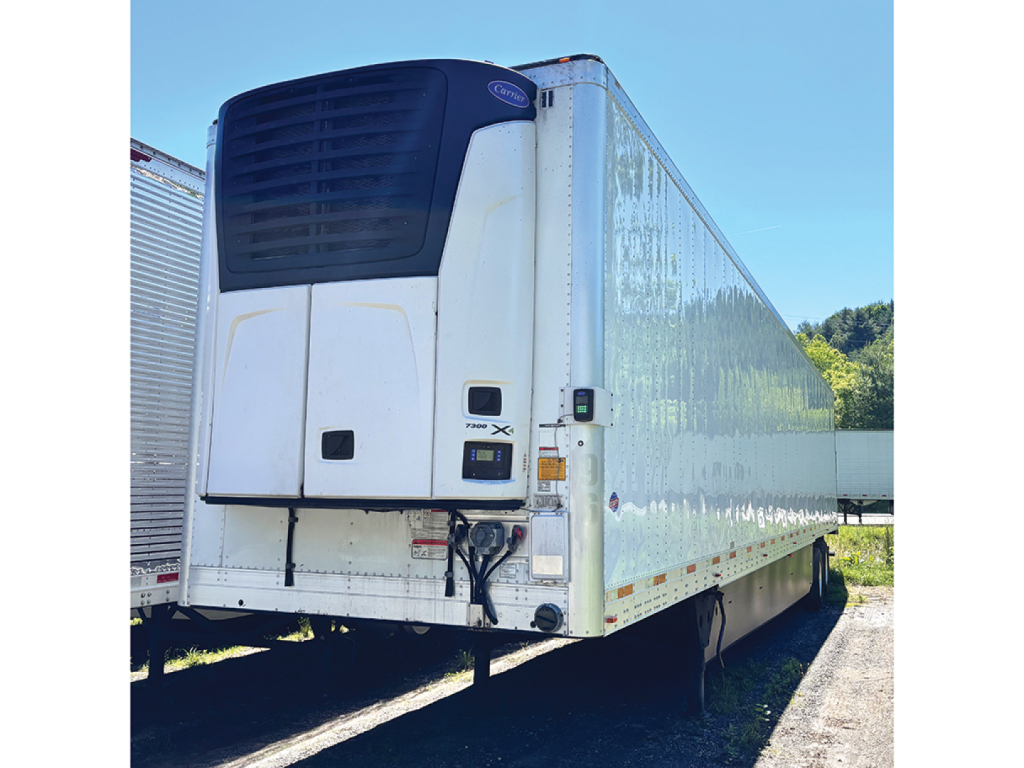
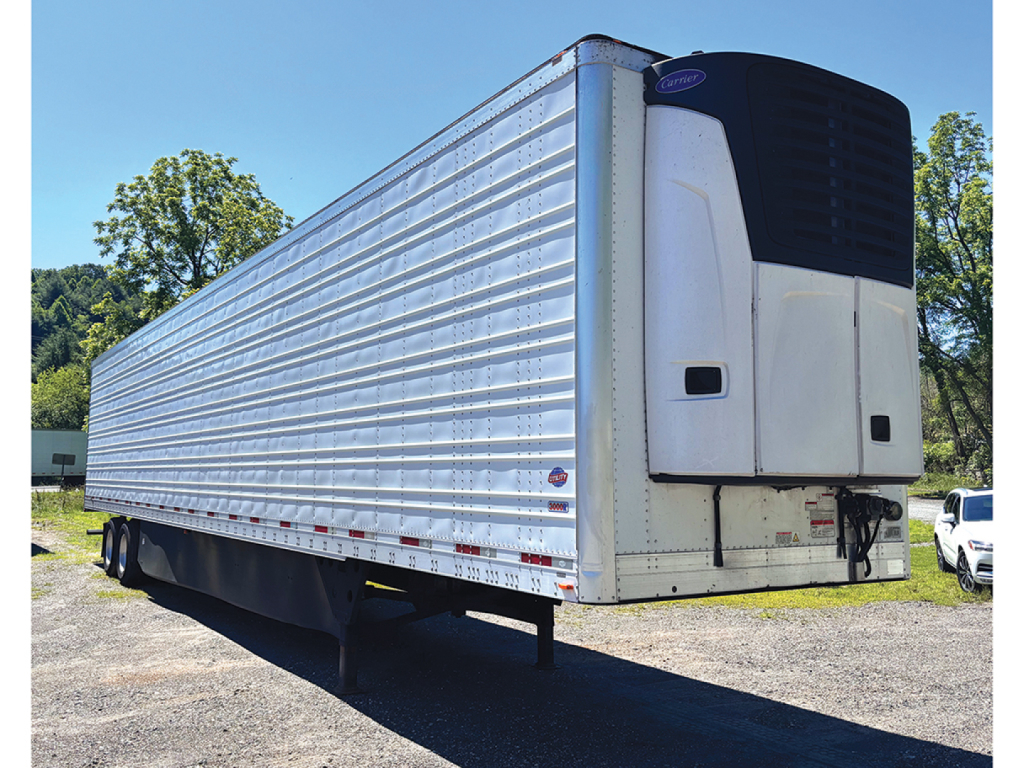
Common 2024 configurations include single-temp and multi-temp refrigerated trailers, also known as reefers or refrigerated vans. Single-temp trailers fit general frozen or chilled freight, while multi-temp setups add bulkheads and additional evaporators for mixed loads on route delivery or segmented grocery work. Unit choice typically comes down to Carrier or Thermo King, with late-model systems offering better telematics integration, tighter temperature management, and improved service diagnostics. Interior setup matters just as much as the reefer unit. Duct floors support consistent airflow under the load, cold chutes help maintain front-to-rear temperature balance, and scuff liners or scuff plate protect the walls from pallet and forklift contact. E-track, stainless door frames, rear vents, and quilted swing doors can all add value depending on commodity mix and loading style.
For buyers comparing 2024 reefer trailers, tare weight, insulation package, and door configuration are practical decision points. A lighter trailer may improve payload, but fleets running dense frozen freight often prioritize thermal efficiency, floor durability, and structural longevity over the last few hundred pounds. Swing doors remain common for dock work and full-truckload freight, while roll-up doors can make sense in frequent-stop operations where door swing clearance is a problem. Side skirts and tire inflation systems are increasingly seen on newer refrigerated trailers because they reduce operating cost across long regional and interstate lanes. In North Carolina, where reefer freight often moves between ports, distribution centers, food processors, and Southeastern retail networks, aerodynamic spec and dependable cooling performance can have a direct effect on margin.
A close inspection of a 2024 reefer should include the refrigeration unit hours, fuel system condition, microprocessor history, floor wear, door seal integrity, and any signs of moisture intrusion around the front wall, roof, or door frame. Suspension type, brake spec, and wheel-end condition still matter, but reefer buyers also need to verify return air flow, evaporator condition, and how the trailer was used. A trailer that spent its life on well-managed dedicated lanes may present very differently than one used in high-cycle grocery service. The best reefer spec is the one matched to lane length, stop count, commodity temperature range, and loading pattern, not just the newest unit or highest-output reefer engine.
Frequently Asked Questions
What is the most common spec for a 2024 reefer trailer?
The most common 2024 reefer trailer spec is a 53-foot by 102-inch trailer with a 13-foot 6-inch overall height, aluminum construction, air ride suspension, sliding tandem, low-profile 22.5 tires, and either a Carrier or Thermo King refrigeration unit. Many also include a duct floor, scuff liner or scuff plate, stainless front or door frame components, and aerodynamic side skirts. This setup fits the broadest range of grocery, frozen, and refrigerated truckload applications.
Should I choose a single-temp or multi-temp reefer trailer?
A single-temp reefer trailer is usually the right choice for full trailer loads that stay within one temperature band, such as frozen foods, dairy, or produce. A multi-temp reefer trailer is better for route delivery and mixed freight because it can maintain separate zones with bulkheads and added evaporator support. The tradeoff is more complexity, more components to maintain, and less flexibility for some loading patterns. The right choice depends on commodity mix, stop frequency, and whether the trailer is used in distribution or linehaul service.
What reefer trailer features matter most for temperature performance?
The most important features for temperature performance are the refrigeration unit capacity, insulation quality, floor design, door seal condition, and airflow management inside the trailer. Duct floors help move air evenly under the load, while cold chutes improve air delivery from front to rear. Rear vents, proper load spacing, and well-maintained seals also help prevent hot spots and shorten recovery times after door openings. A powerful unit alone will not overcome poor airflow or damaged insulation.
Are side skirts and tire inflation systems worth it on a 2024 reefer trailer?
For many fleets, yes. Side skirts can improve fuel economy on longer highway runs, and automatic tire inflation systems help protect casing life, improve wear consistency, and reduce roadside issues tied to underinflation. On a reefer trailer that runs steady regional or over-the-road miles, those features can contribute to lower operating cost over time. They may be less critical in short-haul urban service, but they are generally positive value features on newer refrigerated trailers.
What should I inspect first on a used 2024 reefer trailer?
Start with the refrigeration unit hours, service records, and operating history, then move to the trailer body and interior. Check the floor for forklift damage, inspect door seals and hinges, look for moisture intrusion or insulation problems, and verify the evaporator and return air areas are clean and undamaged. Review suspension, brakes, wheel ends, and tire condition as you would on any trailer, but pay extra attention to items that affect temperature retention and airflow because those are where reefer operating costs can escalate quickly.