
2019 Reefer Trailers For Sale in Florida
Have 2019 reefer trailer to sell? List it here to reach thousands of buyers.
2019 Reefer Trailers in Florida
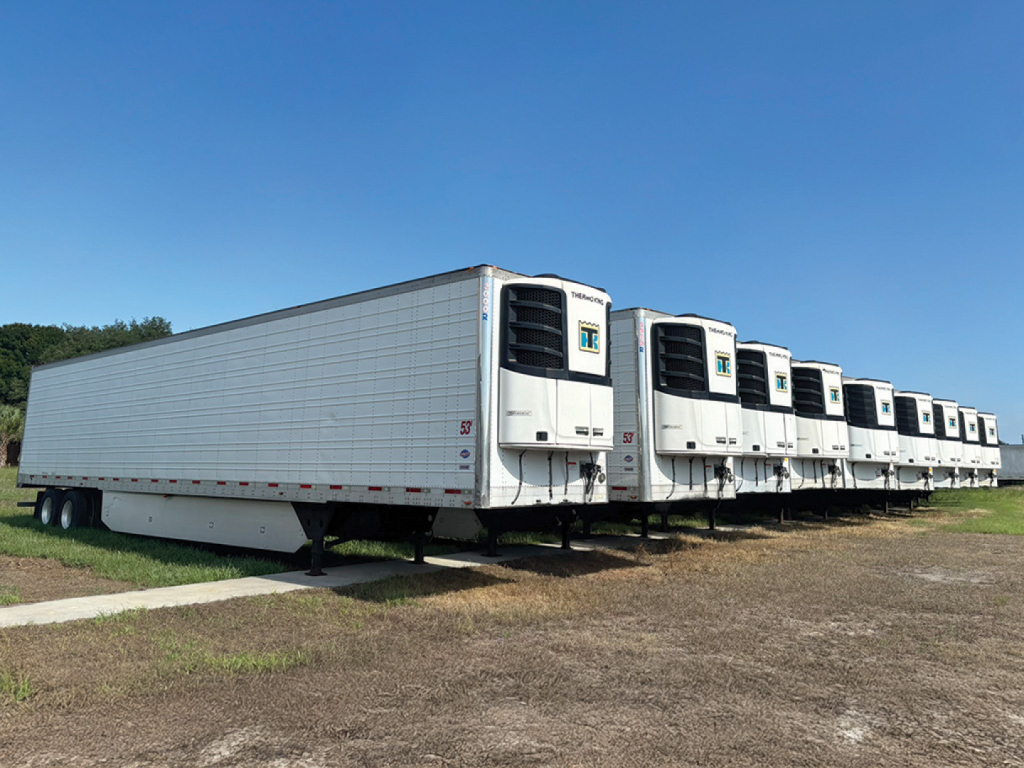
The first buying decision is usually trailer body spec, not just the reefer unit. Common 2019 reefer trailers are 53-foot vans with air-ride suspension, swing doors, and tandem sliding axles, though spread axle and multi-temp configurations also appear on the market. Buyers should pay close attention to interior height, floor type, and wall condition. A trailer with a good insulated floor, clean drains, and minimal liner damage will hold temperature more efficiently and stand up better to pallet jack traffic. If the work includes heavy beverage, produce, frozen food, or mixed grocery loads, floor rating and interior cube can matter as much as refrigeration capacity.
Refrigeration unit spec should be matched to the freight and route profile. For long-haul continuous operation, unit hours, service history, and fuel efficiency are key. For produce distribution, frozen routes, or multi-stop retail delivery, pull-down performance, start-stop functionality, and evaporator condition deserve close inspection. Many 2019 reefer trailers are equipped with telematics-ready controls, electronic hour meters, and compliance-friendly temperature management features. Buyers in Florida should also check for corrosion around the front wall, unit mounts, rear frame, and light harness areas, especially on trailers exposed to coastal environments and constant washout cycles.
A well-chosen 2019 reefer trailer can serve grocery, pharma-support, floral, protein, dairy, and produce lanes with lower acquisition cost than a new unit. It is also commonly called a refrigerated trailer or refrigerated van trailer. Before buying, review tire condition, brake life, air system leaks, suspension wear, door alignment, and the reefer unit's maintenance records. The right trailer is not just one that cools. It needs to maintain setpoint under load, recover temperature quickly after door openings, and fit the dock, lane, and commodity demands of your operation.
Frequently Asked Questions about 2019 Reefer Trailers in Florida
What should I inspect first on a 2019 reefer trailer?
Start with the trailer box and refrigeration unit together, because temperature control depends on both. Check insulation performance indicators such as wall damage, floor wear, door seal condition, bulkhead fit, and signs of past moisture intrusion. Then review reefer unit hours, service records, engine or electric standby components if equipped, evaporator condition, and how well the unit reaches and holds setpoint. A reefer trailer with a healthy unit but a compromised box can still perform poorly in Florida heat.
Are 2019 reefer trailers good for multi-stop delivery work?
Yes, many 2019 reefer trailers are well suited for multi-stop grocery and foodservice work if the refrigeration unit has strong pull-down performance and the trailer body is sealing properly. Frequent door openings increase temperature loss, so buyers should look for good rear door alignment, intact gaskets, sound insulation, and a floor that supports repeated pallet jack use. Start-stop capability, accurate temperature controls, and clean airflow channels also matter on routes with repeated stops.
Which specs matter most on a refrigerated trailer in Florida?
In Florida, buyers should prioritize insulation condition, refrigeration capacity, door seals, and corrosion resistance. High heat and humidity create more thermal load, and coastal exposure can accelerate rust around frames, mounts, and wiring points. Air-ride suspension, good tires, reliable brakes, and a reefer unit with documented maintenance are also important for regional and port-related operations. If the trailer will handle produce or frozen freight, verify that it can recover temperature quickly after loading and unloading.
How many hours is too many on a reefer unit?
There is no single hour threshold that makes a reefer unit good or bad. Condition and maintenance history matter more than the number alone. A higher-hour Carrier or Thermo King unit with documented service, clean operation, and proper temperature control can be a better buy than a lower-hour unit with poor records. Buyers should compare total hours, engine hours, repair history, emissions-related service if applicable, and actual cooling performance during inspection.
What is the difference between a reefer trailer and a dry van?
A reefer trailer is an insulated trailer with an integrated refrigeration system designed to maintain specific cargo temperatures. A dry van is not insulated or temperature controlled in the same way and is used for general freight. Reefer trailers typically have thicker walls, insulated floors and roofs, front-mounted refrigeration units, and interior components such as air chutes or bulkheads to manage airflow. They cost more to operate, but they are required for freight that must stay chilled or frozen.