
2018 Reefer Trailers For Sale in Texas
Shop 2018 reefer trailers for sale in Texas. Compare 53-foot refrigerated trailers, reefer units, floors, suspension, doors, and cold-chain specs.
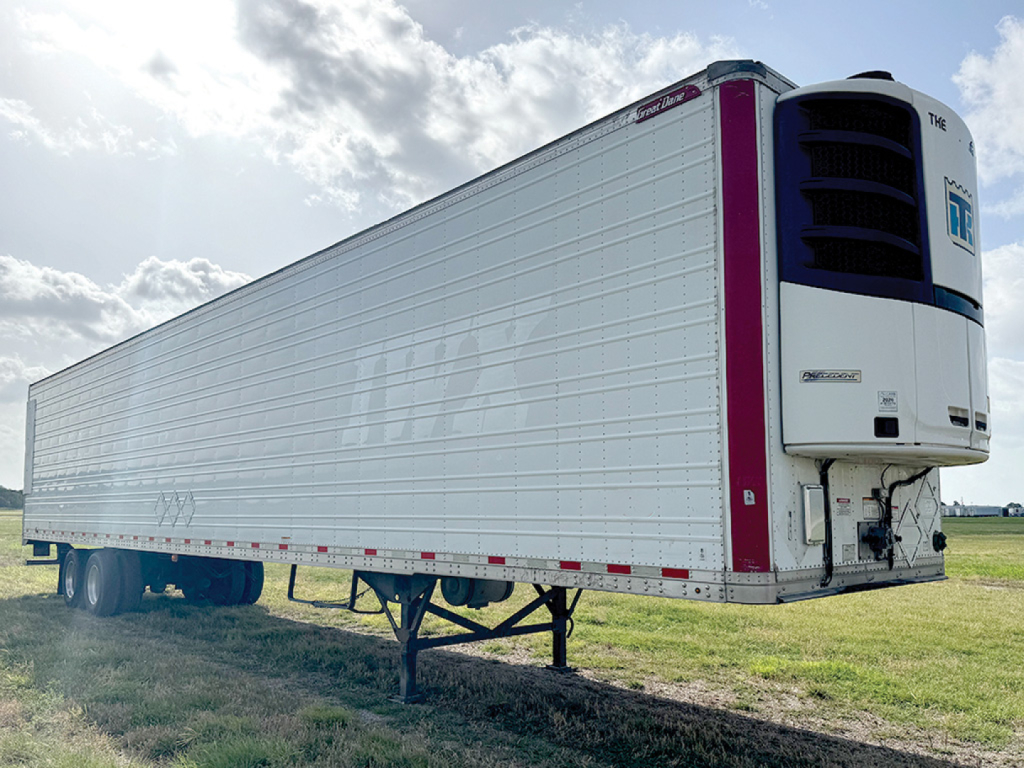
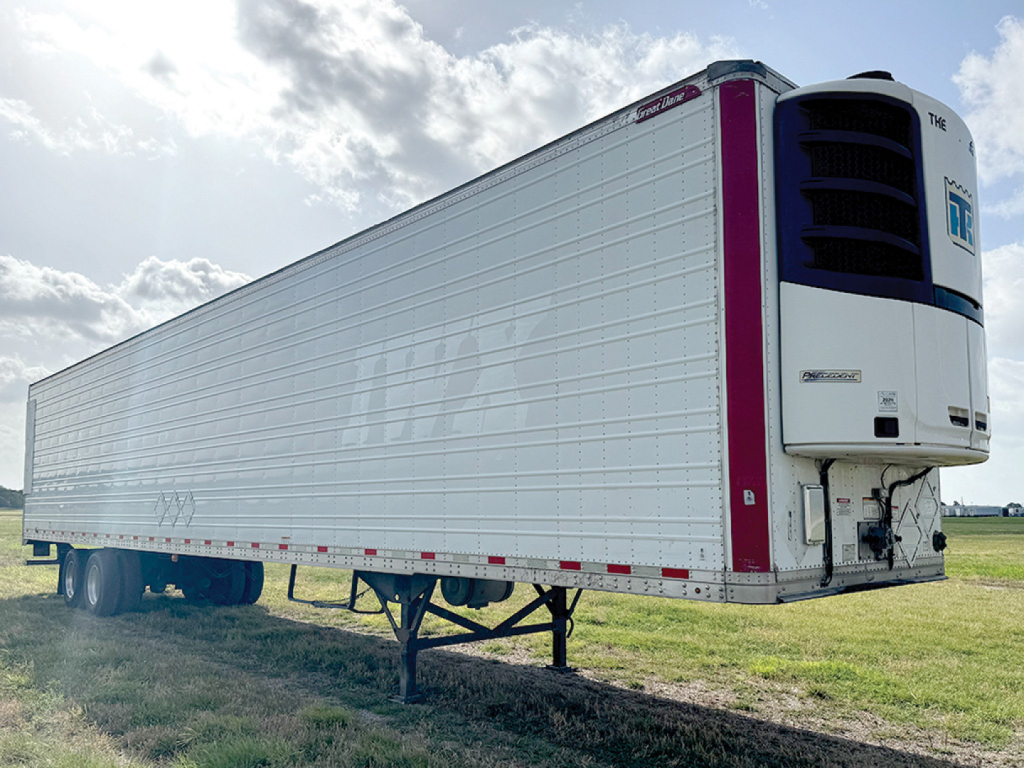
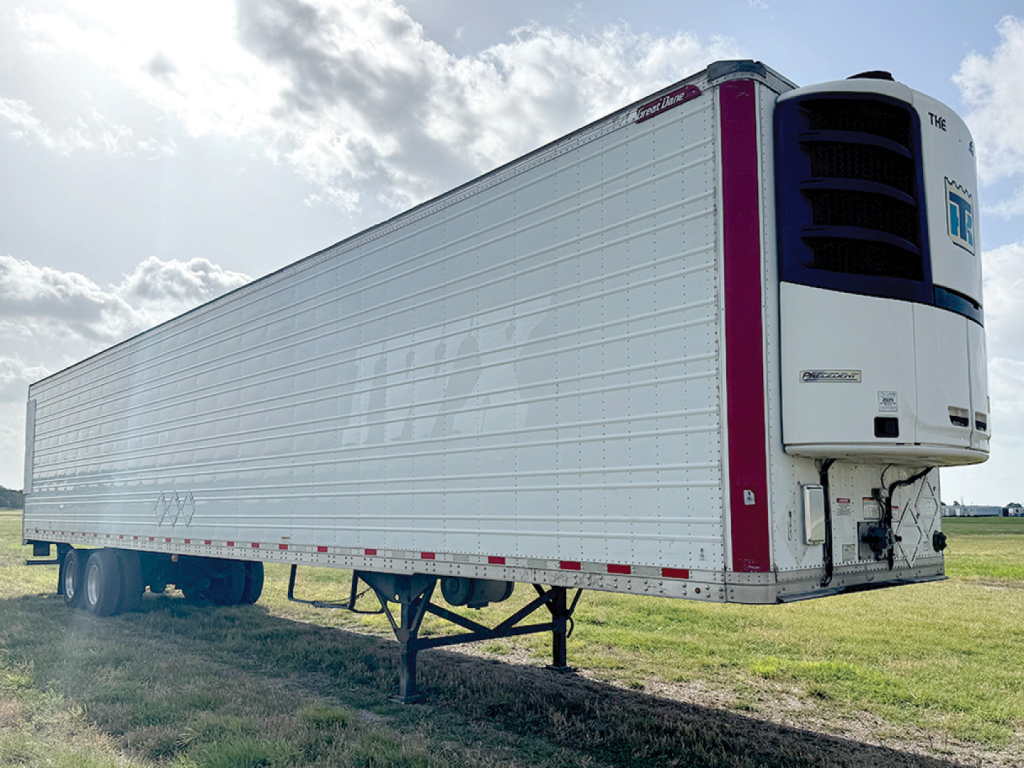
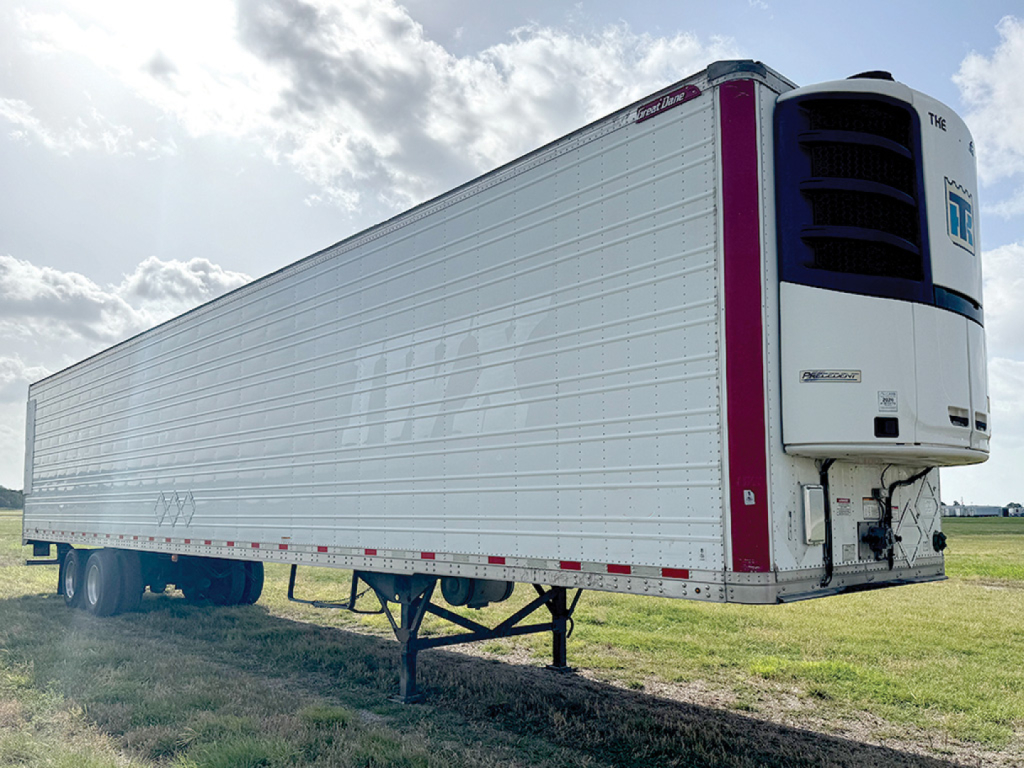

Have 2018 reefer trailer to sell? List it here to reach thousands of buyers.
2018 Reefer Trailers in Texas
Construction details drive long-term ownership cost. Many 2018 reefer trailers use aluminum bodies to keep tare weight in check, with stainless steel rear frames or door hardware for durability in washdown and high-moisture service. Floor design matters more than many first-time buyers expect. Aluminum duct floors help maintain front-to-rear airflow under pallets, while flat floors can change how certain loads and pallet patterns perform. Inside height, scuff liners or scuff plates, E-track, logistic posts, and ducted air delivery all affect what freight the trailer can handle efficiently. Door configuration also matters. Swing doors are common for full dock access and general food service work, while roll-up doors can make sense for multi-stop distribution where speed and repeated opening cycles matter.
For a used 2018 reefer trailer, the inspection should focus on insulation integrity, floor wear, door seal condition, reefer hours, evaporator and condenser condition, and signs of past damage around the front wall, roof, and rear frame. Check for air leaks, moisture intrusion, patched liner panels, and any evidence that the trailer struggles to hold setpoint in hot weather. In Texas service, buyers should pay close attention to unit pull-down performance and temperature recovery after door openings. Suspension type, brake spec, tire condition, wheel material, and systems like tire inflation also affect operating cost and uptime. Sliding tandem position and kingpin setting should match the lanes and bridge law requirements the trailer will see most often.
A strong 2018 reefer trailer can still fit a wide range of operations, from over-the-road grocery freight to regional dedicated food distribution. The best choice depends on cargo profile more than brand alone. Frozen freight usually puts more emphasis on insulation, door seals, and chute condition, while fresh and multi-temp applications may place more value on airflow management, interior configuration, and fast temperature recovery. Buyers comparing Great Dane, Wabash, Utility, Hyundai Translead, and similar refrigerated trailers should weigh reefer unit support in their area, parts availability, and the trailer’s maintenance records before narrowing the field.
Frequently Asked Questions about 2018 Reefer Trailers in Texas
What should I look for first when buying a 2018 reefer trailer?
Start with the reefer unit service history, total engine hours, and the trailer’s ability to hold temperature consistently. After that, inspect the floor, interior liner, door seals, rear frame, roof, and front wall for damage or moisture intrusion. A 2018 reefer trailer can still offer strong value, but deferred maintenance on the refrigeration unit or insulation system can turn a lower purchase price into a costly ownership decision.
Are 2018 reefer trailers in Texas different from units used in cooler regions?
Texas operation puts more stress on refrigeration systems because of sustained heat, long distances, and frequent high-load summer conditions. That makes pull-down performance, fuel consumption, condenser condition, and temperature recovery especially important. A reefer trailer that performs well in Texas is usually one with a sound insulation package, tight door seals, and a refrigeration unit that has been maintained on schedule.
Is air ride or spring suspension better on a used reefer trailer?
Air ride is often preferred for refrigerated freight because it helps reduce cargo shock and is common in food-grade and long-haul applications. Spring suspension can be simpler and sometimes less expensive to maintain, but ride quality is generally not as forgiving. The right choice depends on the freight mix, route conditions, and how much importance the operation places on cargo protection and dock-friendly ride characteristics.
How important is floor type in a reefer trailer?
Floor type is critical because it directly affects airflow and cargo handling. A duct floor supports air circulation under the load and is common in applications where consistent front-to-rear temperature control matters. A flat floor may suit some freight and handling preferences, but buyers should confirm that the floor design matches their pallet pattern, product packaging, and cooling requirements.
What reefer unit brands are common on 2018 refrigerated trailers?
Thermo King and Carrier are the most common refrigeration unit brands found on 2018 reefer trailers. Both have broad market presence, but the better choice often comes down to local dealer support, technician availability, parts access, and the service records on the specific unit. For a working trailer, local support can matter as much as the badge on the reefer nose.