
2018 Reefer Trailers For Sale in Georgia
Shop 2018 reefer trailers for sale in Georgia. Compare 53-foot refrigerated trailers by unit type, floor design, suspension, brakes, and insulation.
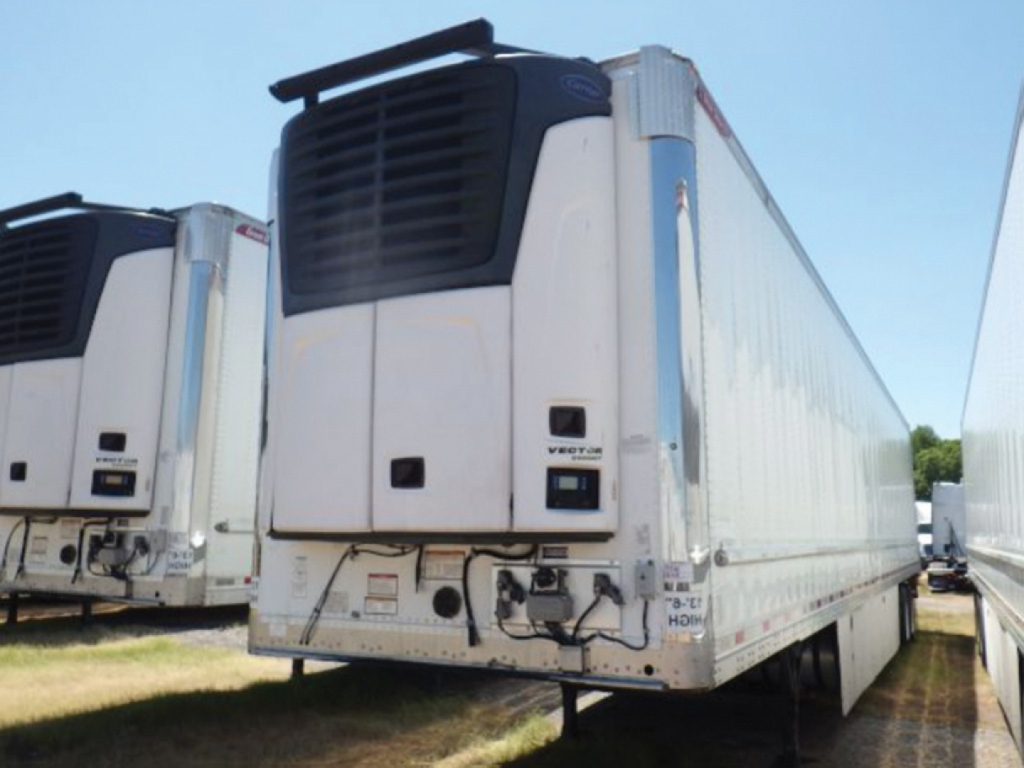
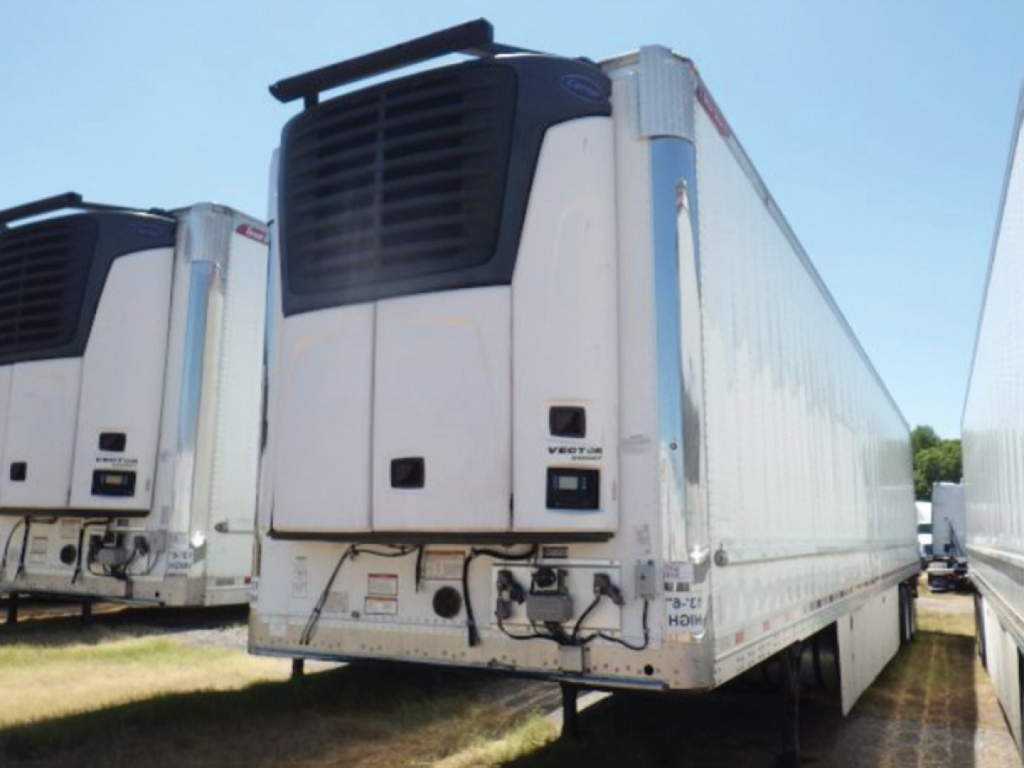
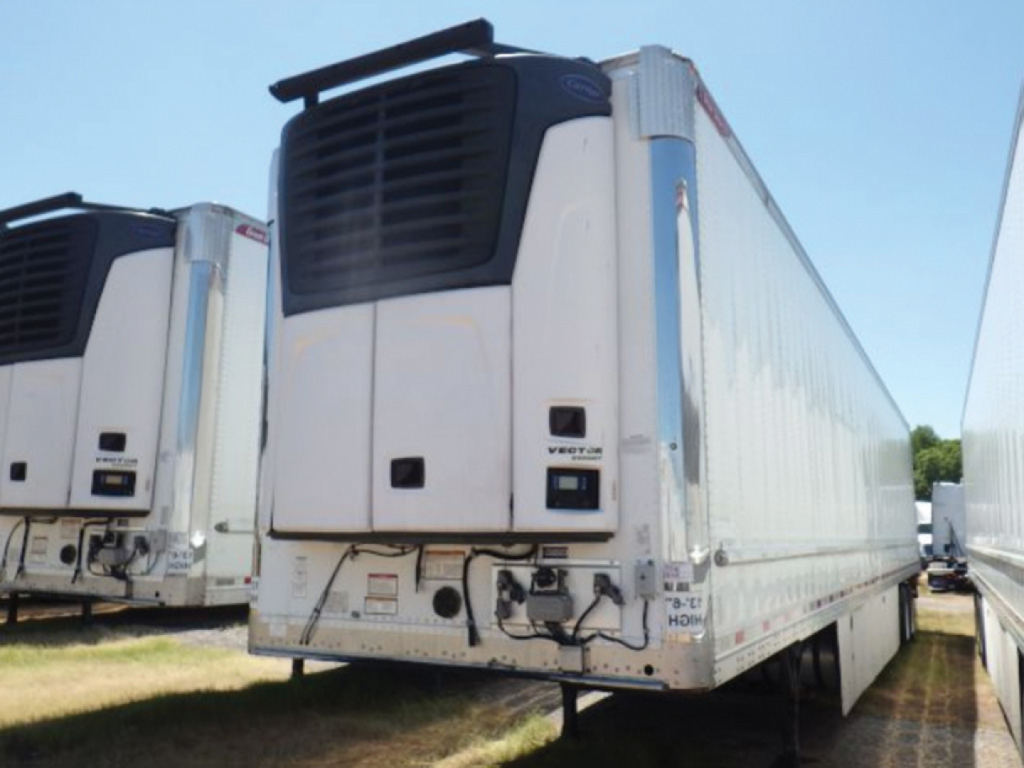
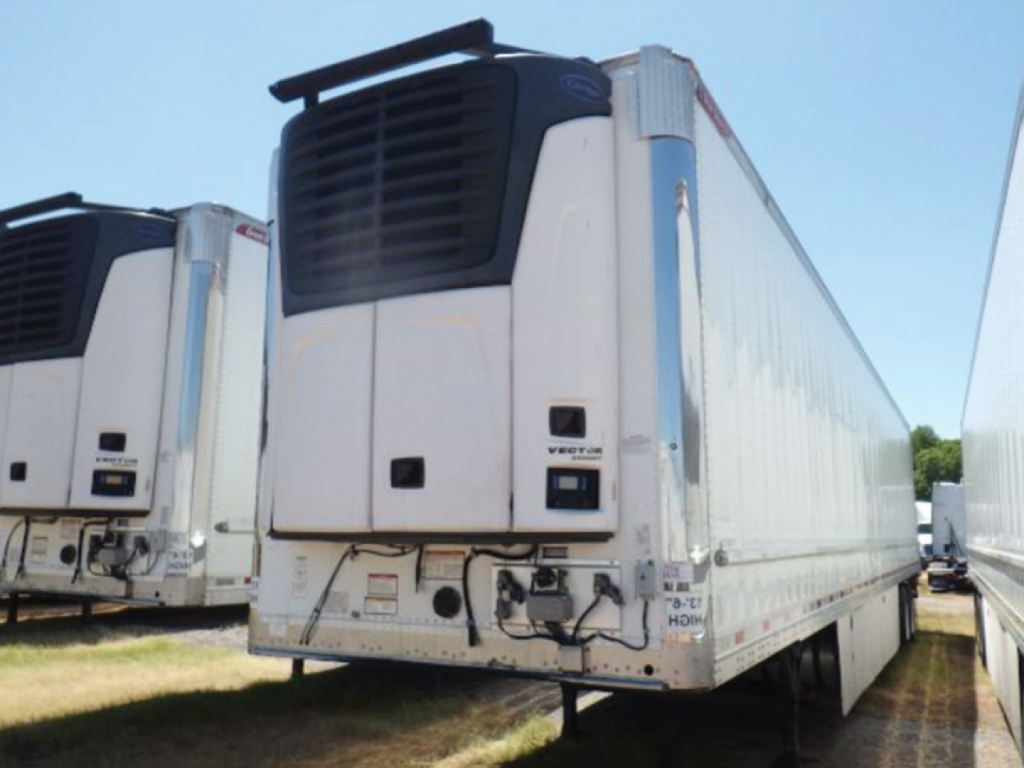
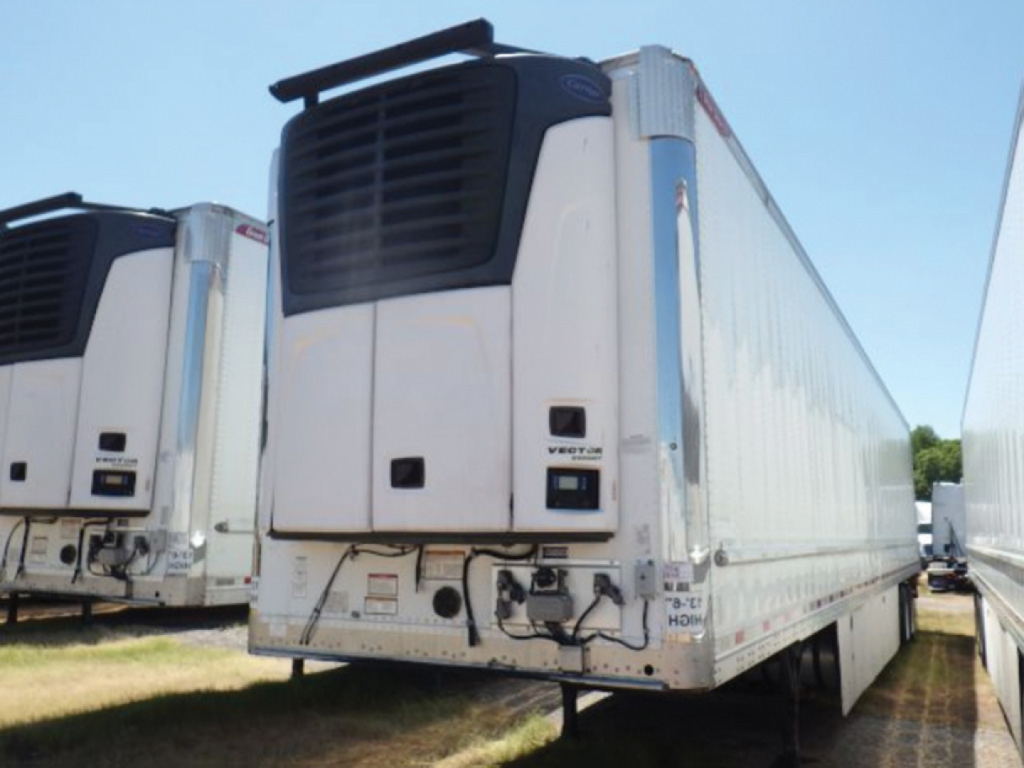
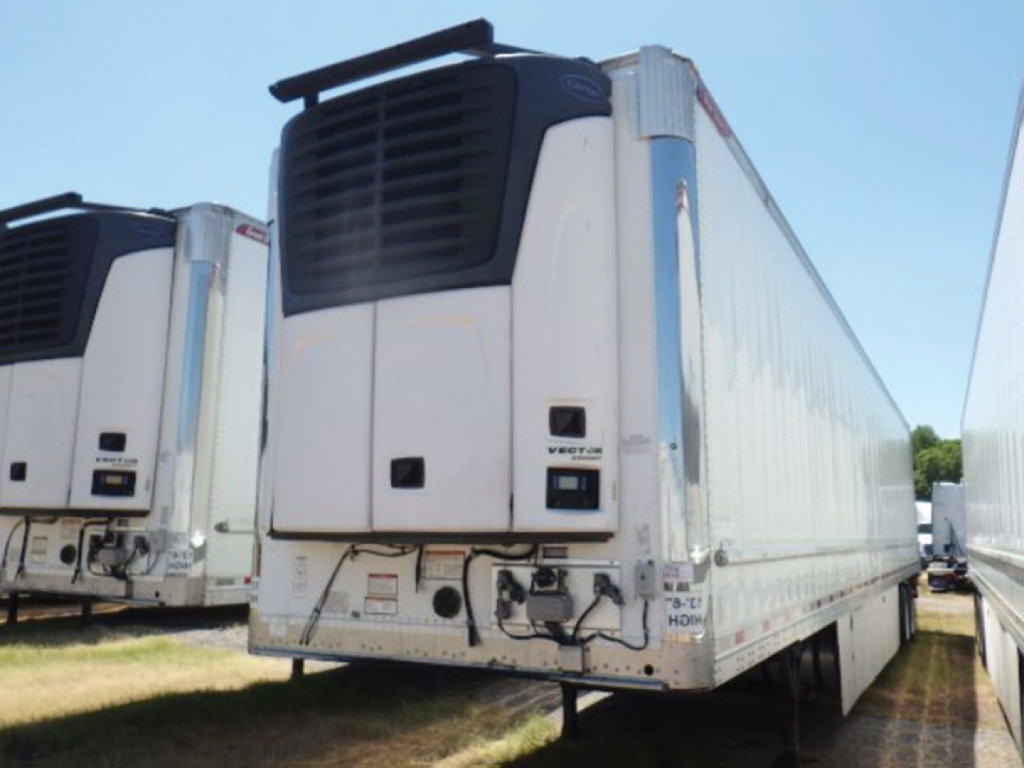
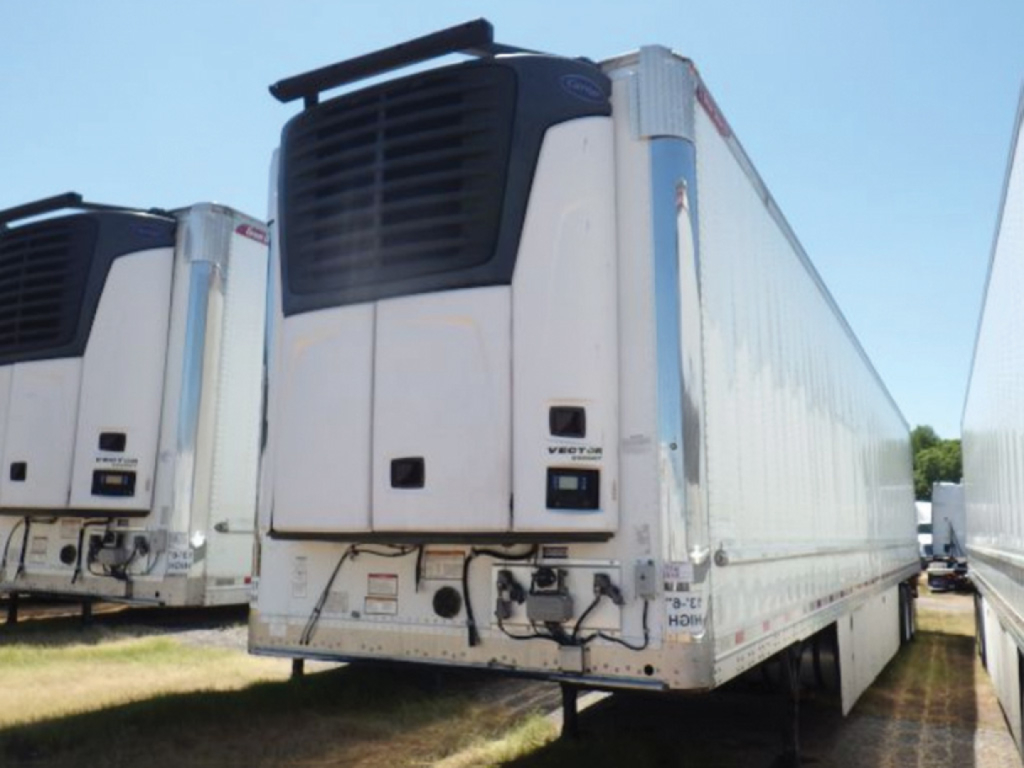
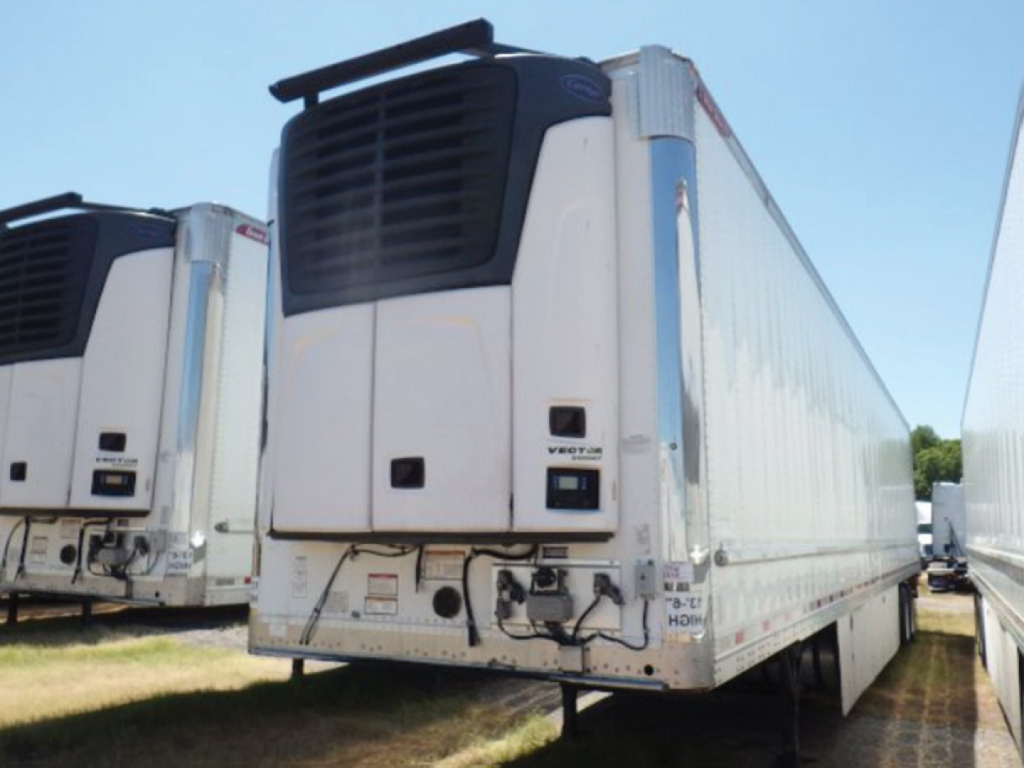
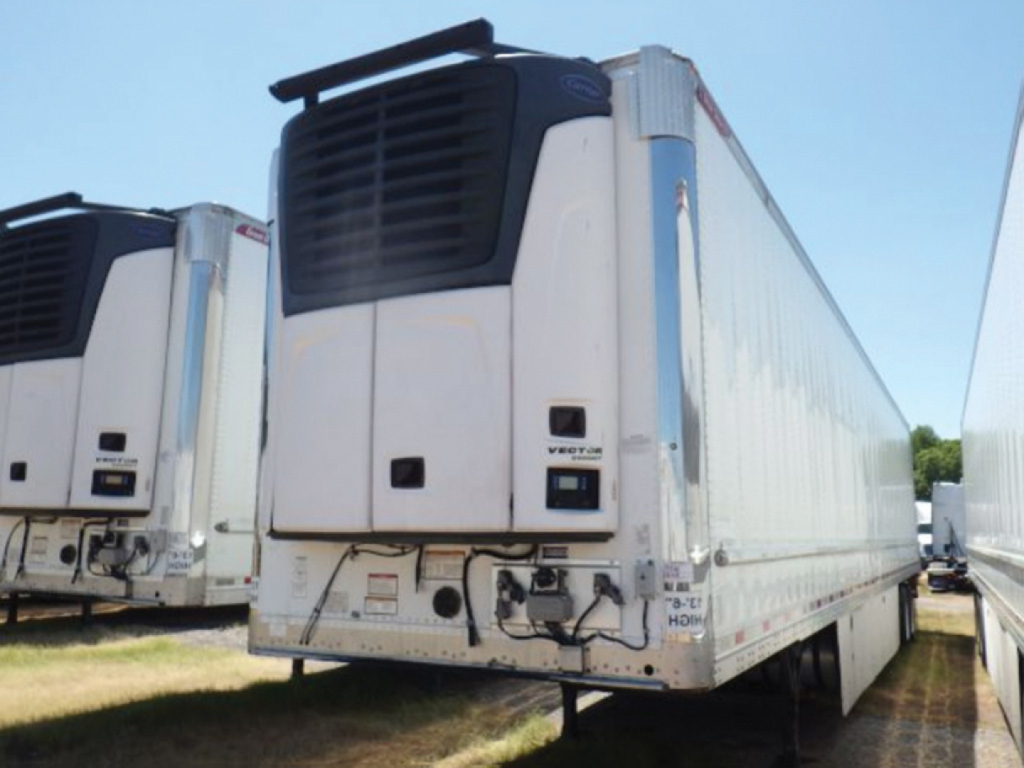
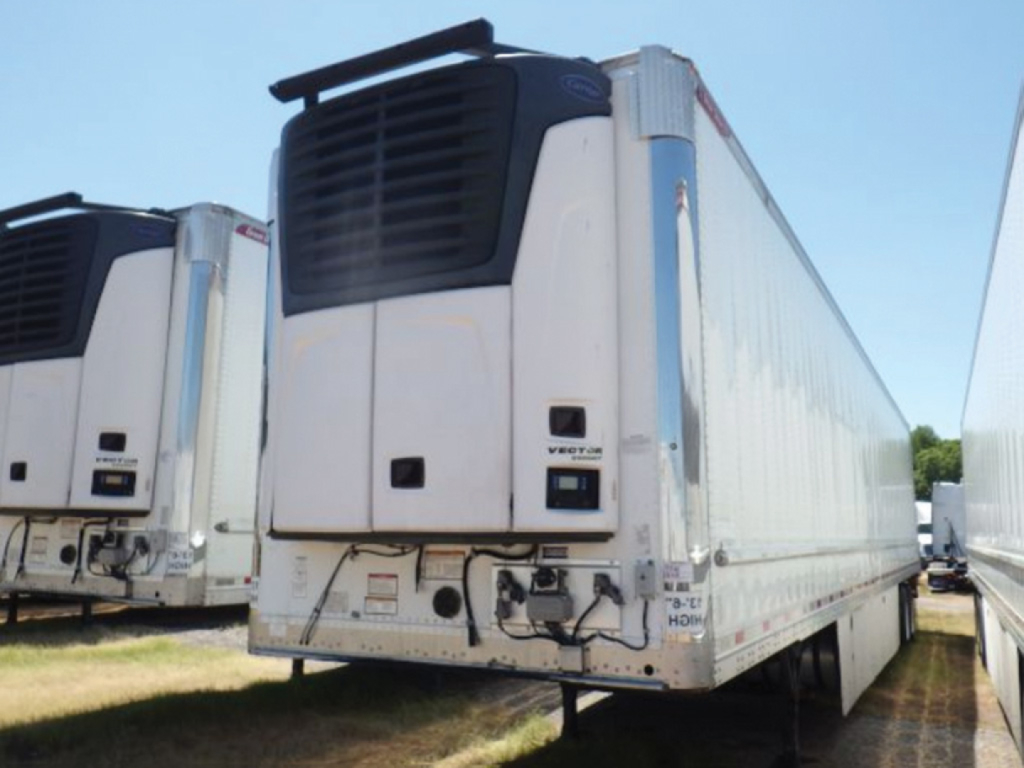
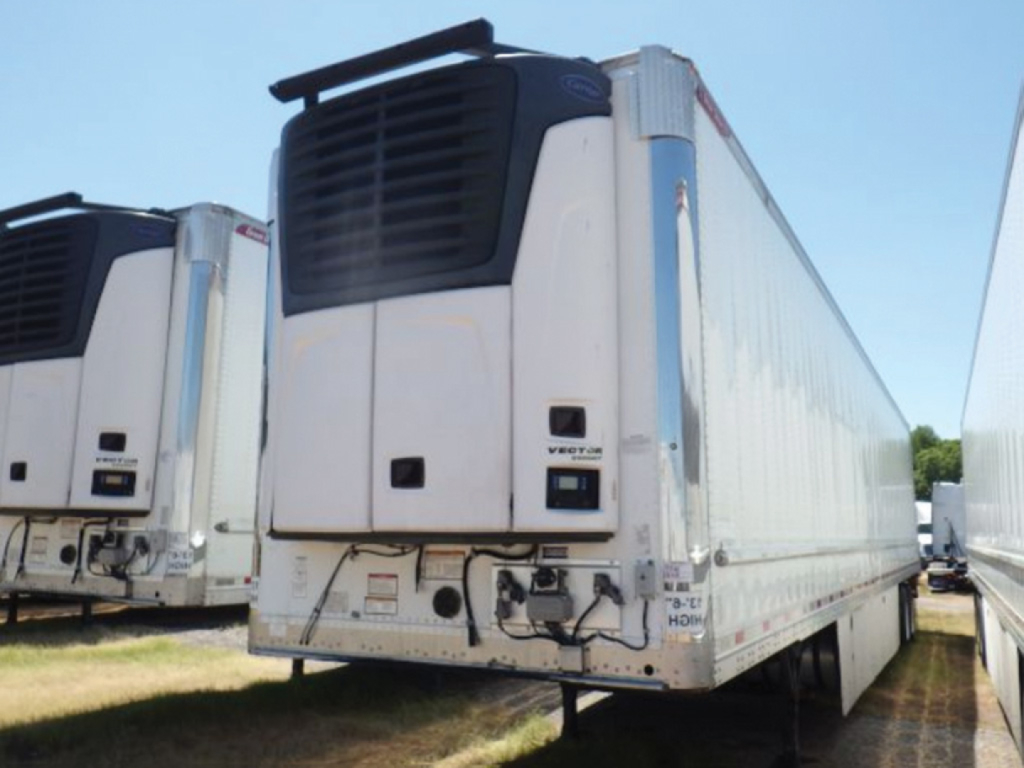
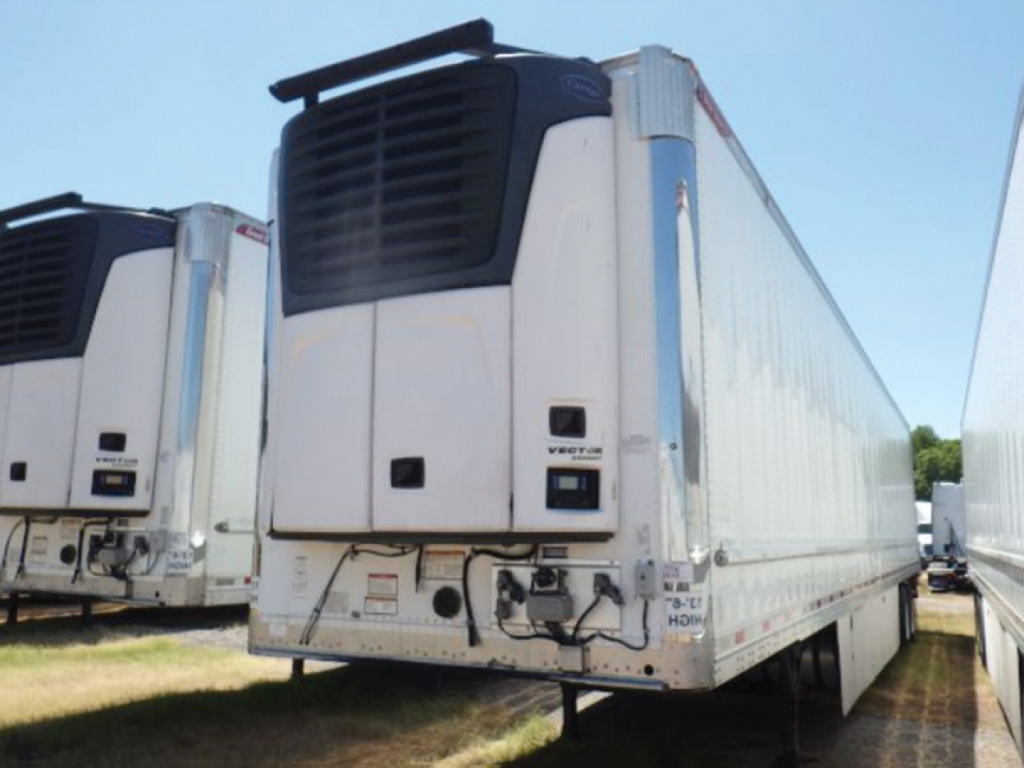
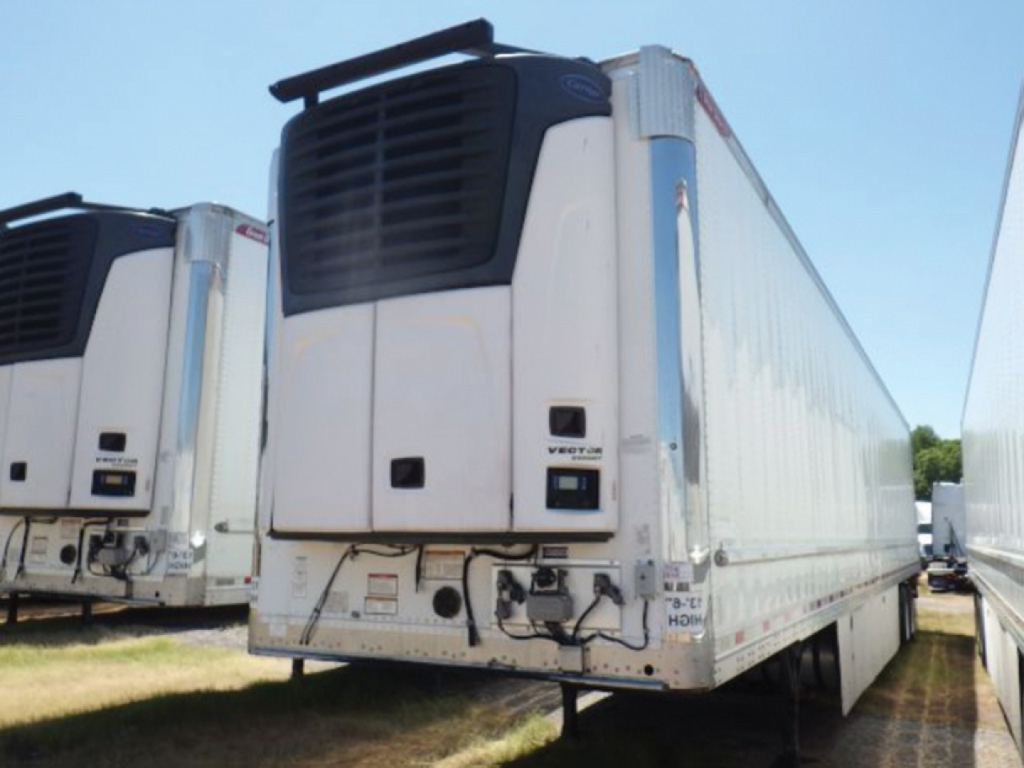
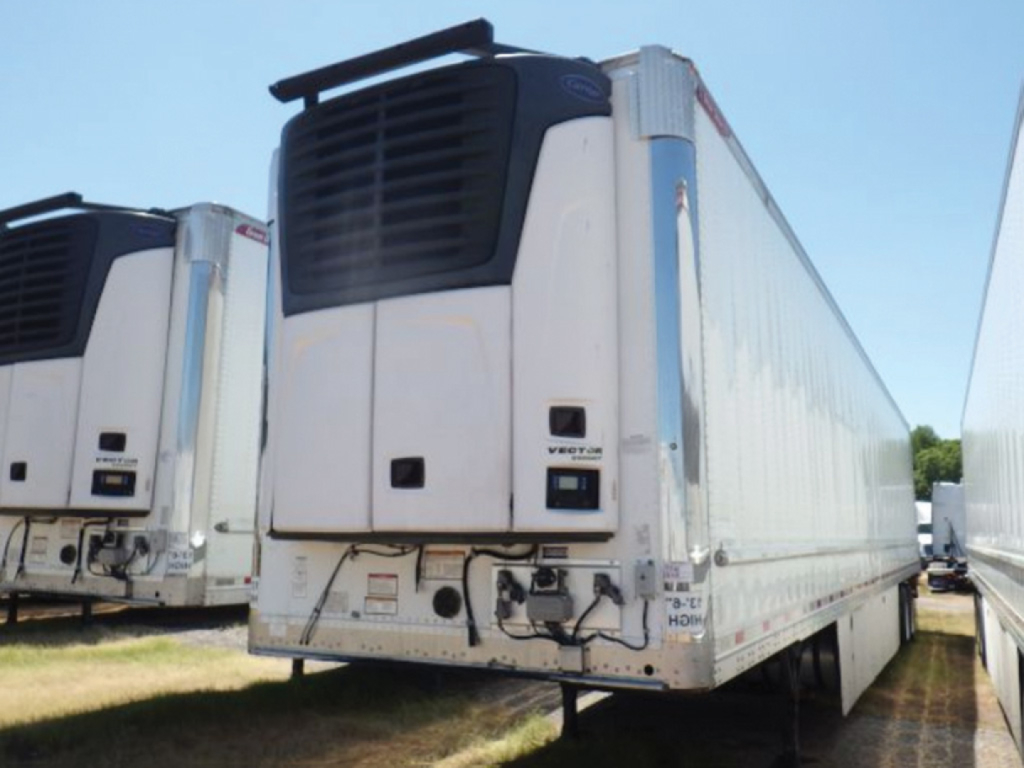
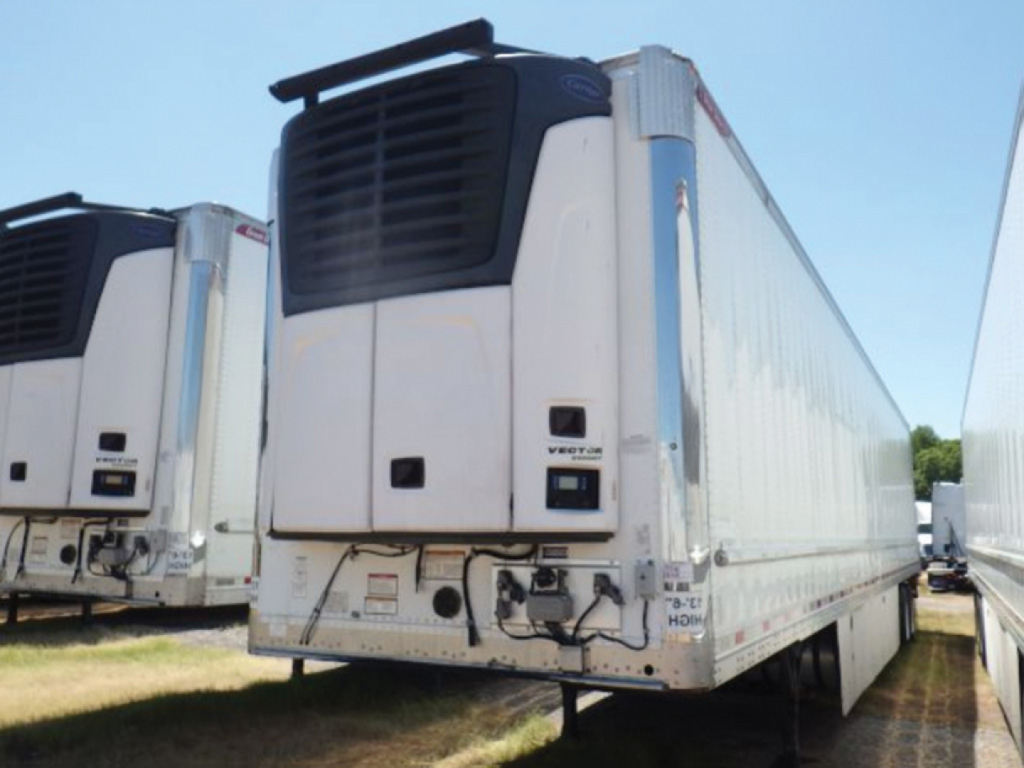
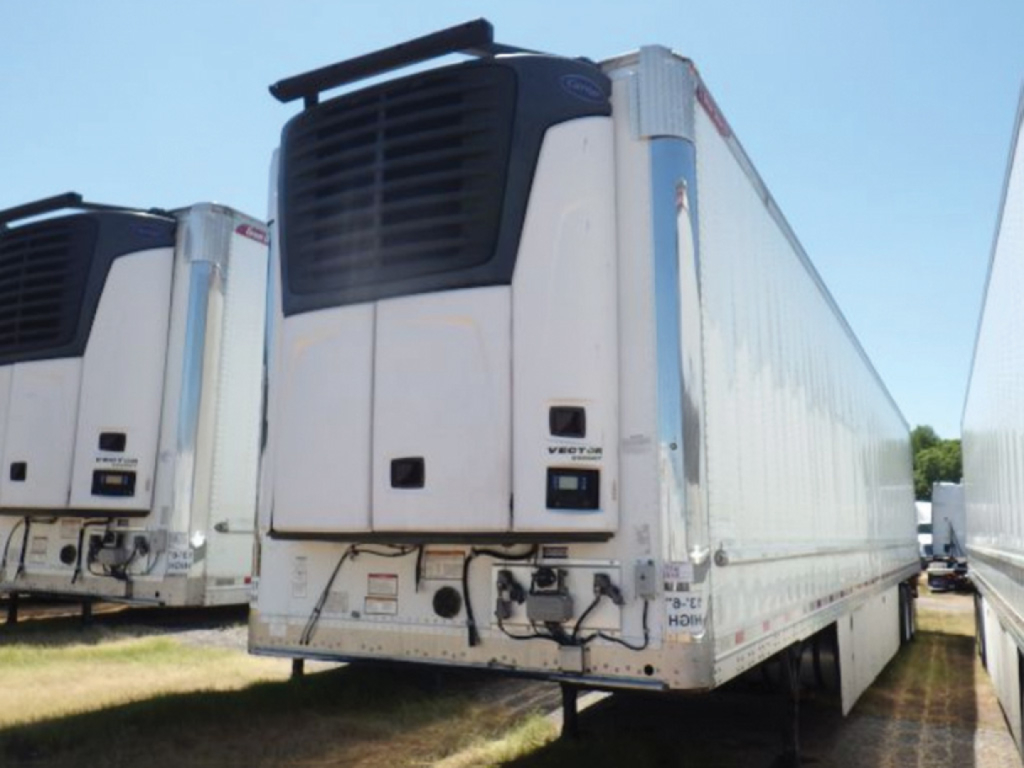
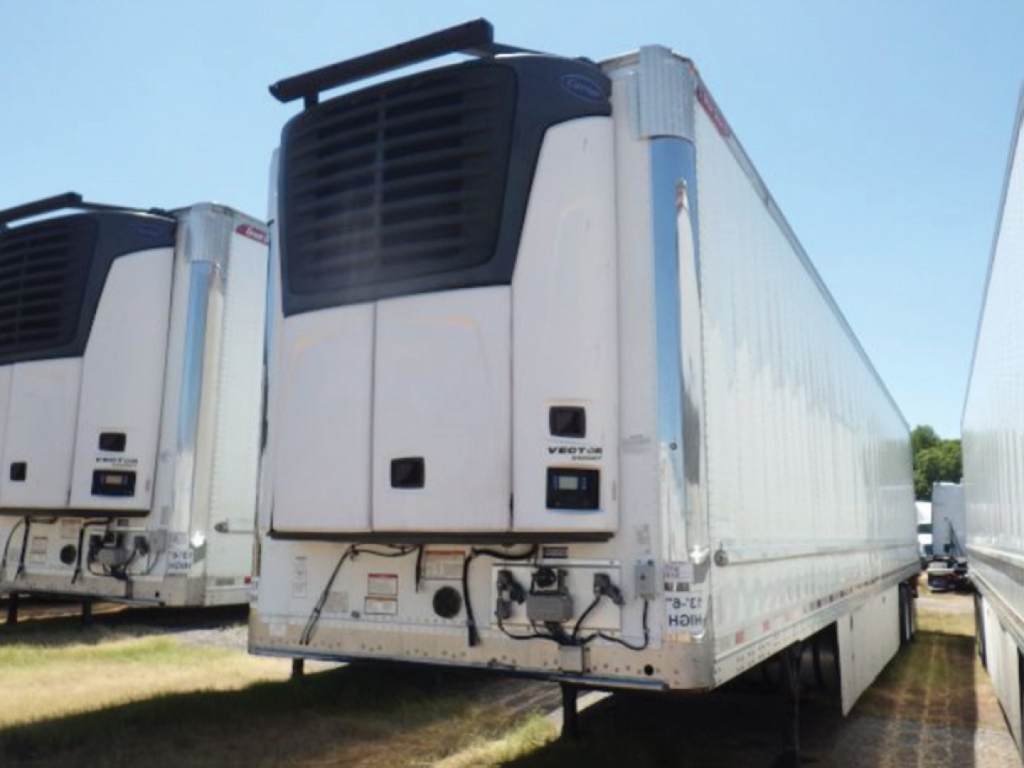
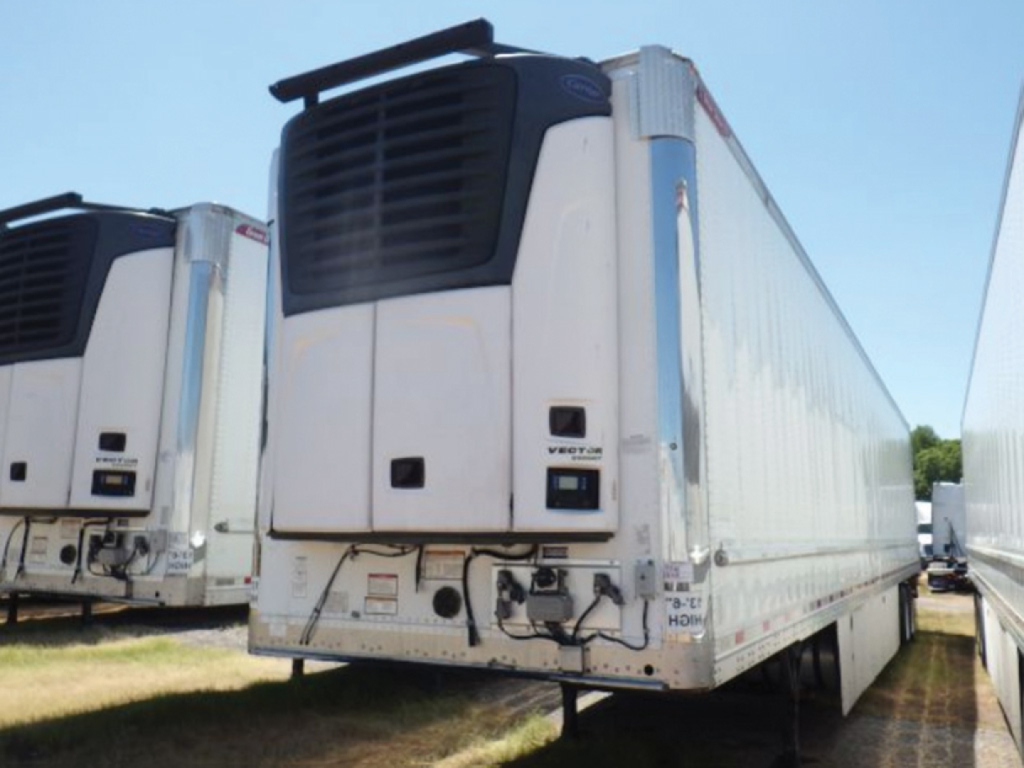
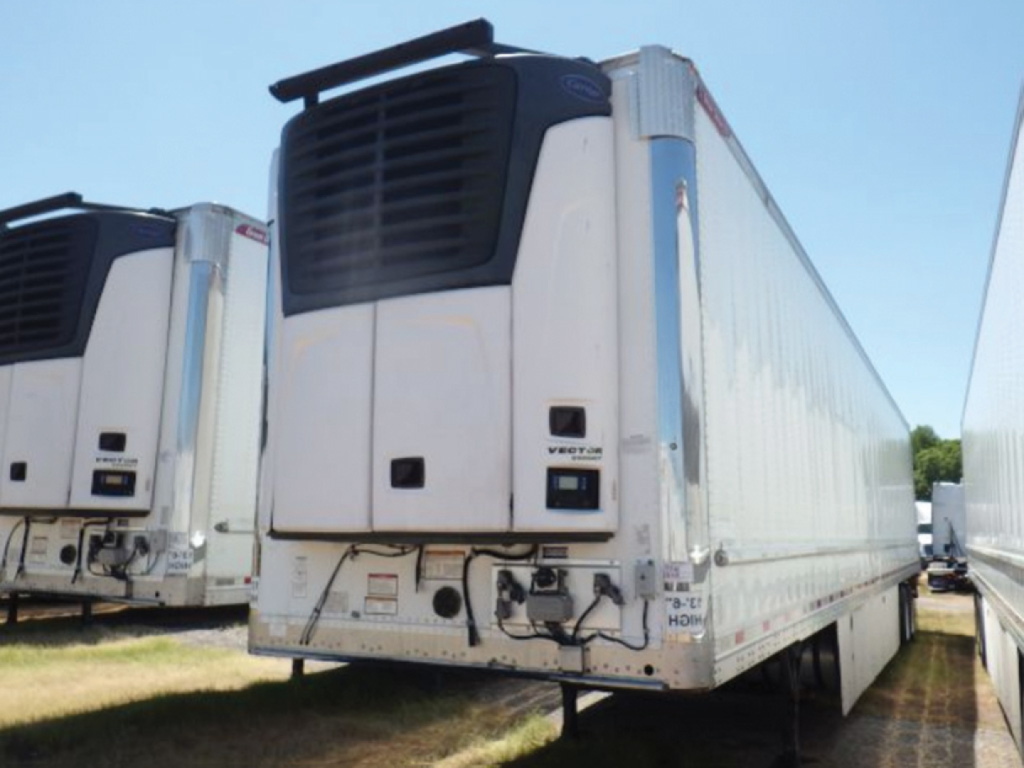
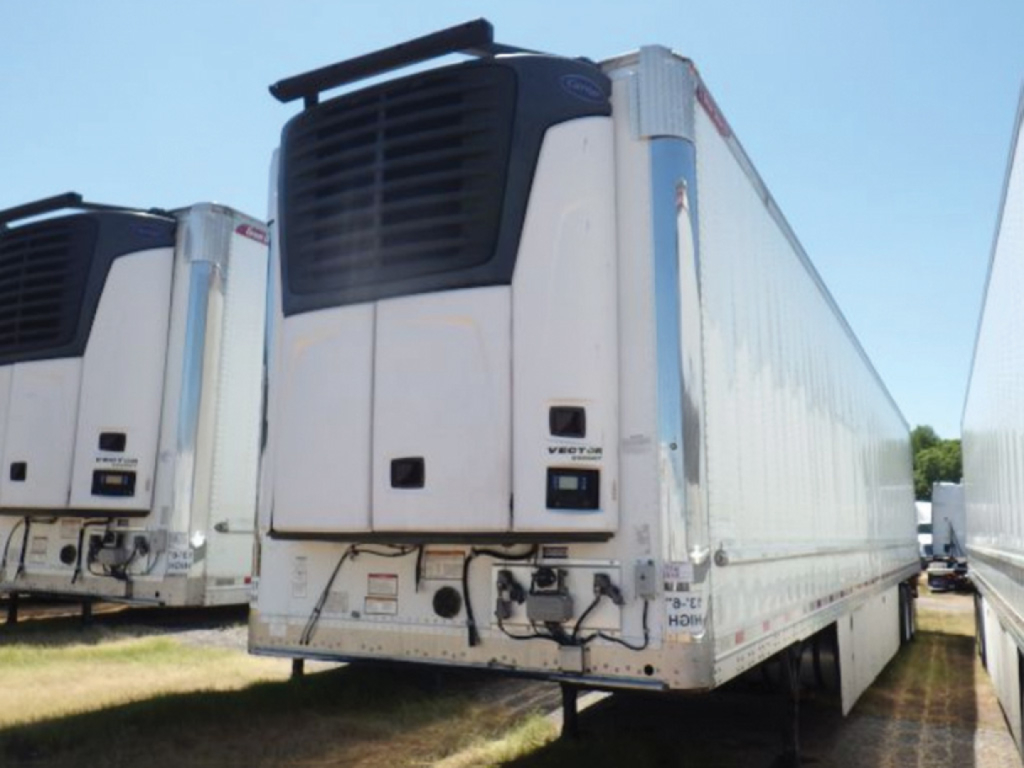
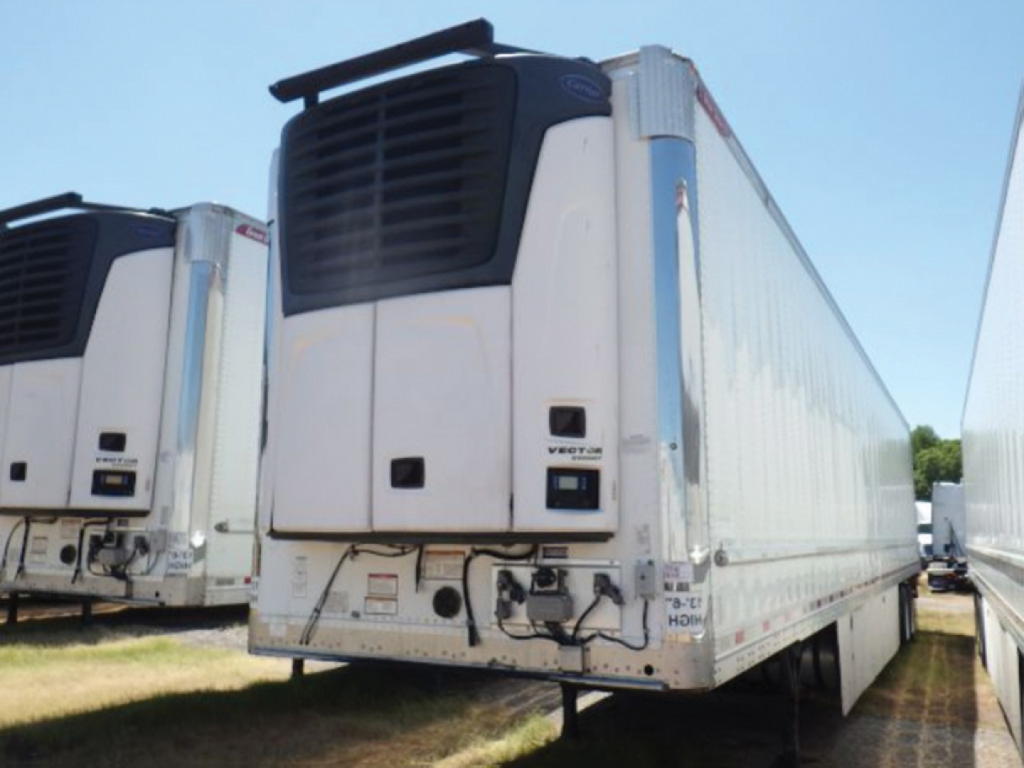
Have 2018 reefer trailer to sell? List it here to reach thousands of buyers.
2018 Reefer Trailers in Georgia
For Georgia operation, reefer unit performance matters as much as trailer spec. A 2018 model may carry a Carrier or Thermo King unit in the fleet sweet spot for regional grocery, produce, frozen food, meat, dairy, and foodservice work. Buyers should confirm engine hours, electric standby if required, multi-temp or single-temp setup, return air and discharge air performance, and service history on major components. In hot Southeast lanes, insulation integrity, door seal condition, and front wall condition have a direct effect on fuel burn and pull-down times. If the trailer will see frequent dock loading in Atlanta or longer runs across the Southeast, look closely at the floor style, chute setup, and how well the interior supports airflow around palletized freight.
The trailer body deserves the same attention. Inside height is often around 92 to 93 inches on this class, which affects cubic capacity and pallet clearance. E-track can add flexibility for mixed freight, while scuff liners help protect sidewalls in high-touch distribution work. Roll-up doors can speed frequent-stop delivery, but swing doors generally seal better and are simpler to maintain. Side doors and liftgates are valuable for route delivery, but they add weight and complexity. Buyers comparing 2018 reefer trailers should also check for tire inflation systems, brake type, wheel material, crossmember condition, floor wear at the threshold, and signs of moisture intrusion around the evaporator opening, rivet lines, and door frame.
A well-matched 2018 reefer trailer can still fit a wide range of operations, from supermarket distribution to dedicated shipper lanes and produce hauling. The smartest comparison is cost per week of operation, not just purchase price. Unit hours, insulation condition, suspension type, tandem slide range, and door configuration will affect uptime and resale more than brand name alone. For Georgia buyers, it also helps to think about lane profile, ambient temperatures, and washout frequency, because those factors influence the value of stainless components, corrosion resistance, and refrigeration unit spec over time.
Frequently Asked Questions about 2018 Reefer Trailers in Georgia
What should I check first on a 2018 reefer trailer?
Start with the refrigeration unit hours, maintenance records, and actual cooling performance. A pre-owned reefer can look clean and still have expensive issues in the unit, evaporator, insulation, or door seals. After that, inspect the floor, rear frame, tandem assembly, suspension, brakes, and signs of water intrusion. On a refrigerated trailer, the most costly problems are often hidden in temperature control and structural wear rather than basic cosmetic condition.
Is a 2018 reefer trailer still a good fit for food-grade freight?
Yes, if the trailer has been maintained correctly and the unit can hold setpoint consistently. Food-grade suitability depends on clean interior condition, sound insulation, intact liner panels, proper airflow, and a reefer unit that passes performance checks under load conditions. Buyers should also confirm washout history, door seal condition, and any prior repairs to the front wall, floor, or evaporator area before assigning the trailer to strict temperature-sensitive freight.
What is more important on a used reefer, the trailer brand or the reefer unit?
Both matter, but the refrigeration unit usually drives repair exposure and day-to-day operating cost. The trailer brand affects body durability, parts familiarity, and resale, while the reefer unit affects temperature compliance, fuel usage, and downtime risk. A strong trailer with a weak unit can become expensive quickly, so buyers should evaluate the body and the unit as two separate assets in one package.
Should I choose spring suspension or air ride on a 2018 reefer trailer?
That depends on cargo profile and lane conditions. Air ride generally offers better protection for sensitive or high-value freight and is common in food distribution. Spring suspension can be simpler and less expensive to maintain in some operations. The right choice comes down to freight claims history, maintenance preference, and how much rough pavement or urban dock work the trailer will see.
Are multi-temp reefer trailers worth considering in this age range?
They can be, especially for grocery and mixed-load distribution, but they also add system complexity. A multi-temp trailer gives more flexibility by separating frozen, chilled, and fresh product zones in one load. The tradeoff is more components, more controls, and more potential maintenance items. Buyers should confirm bulkhead condition, unit functionality in each zone, and the accuracy of temperature management before paying a premium for a multi-temp setup.