
2018 Reefer Trailers For Sale in Florida
Have 2018 reefer trailer to sell? List it here to reach thousands of buyers.
2018 Reefer Trailers in Florida
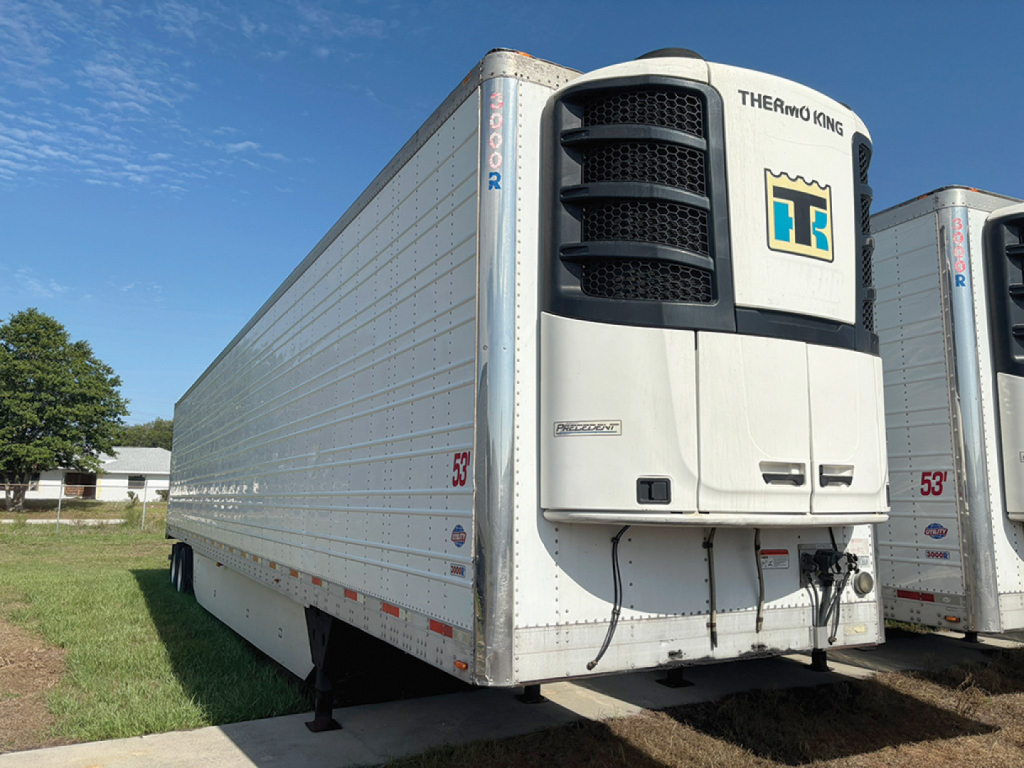
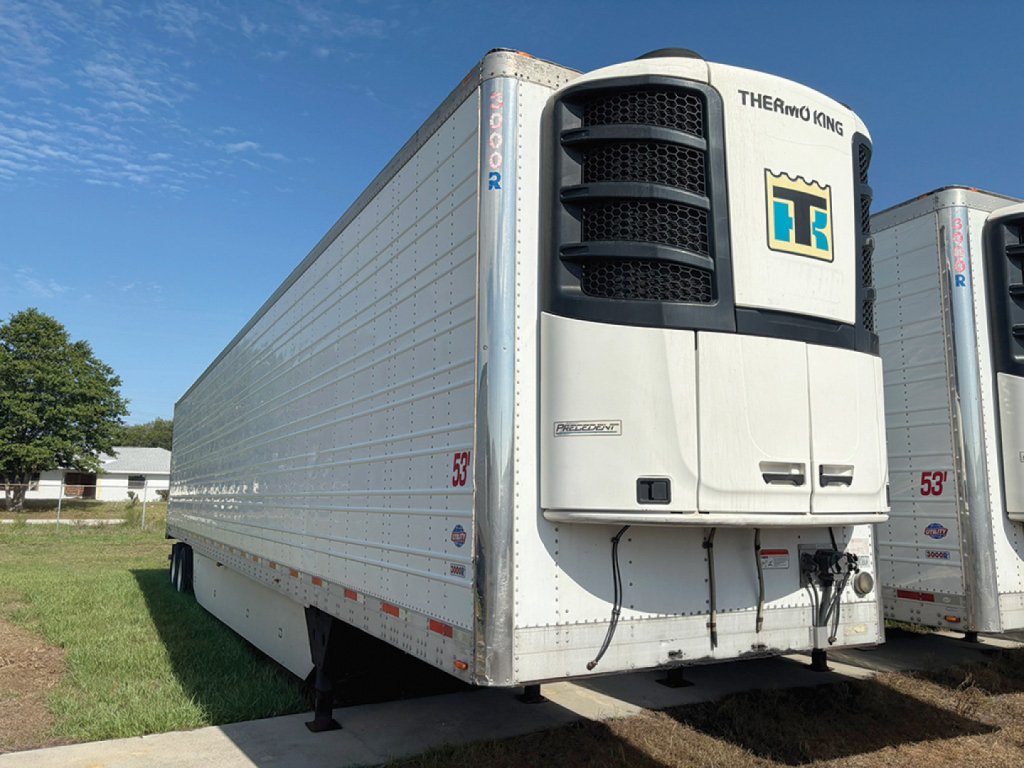
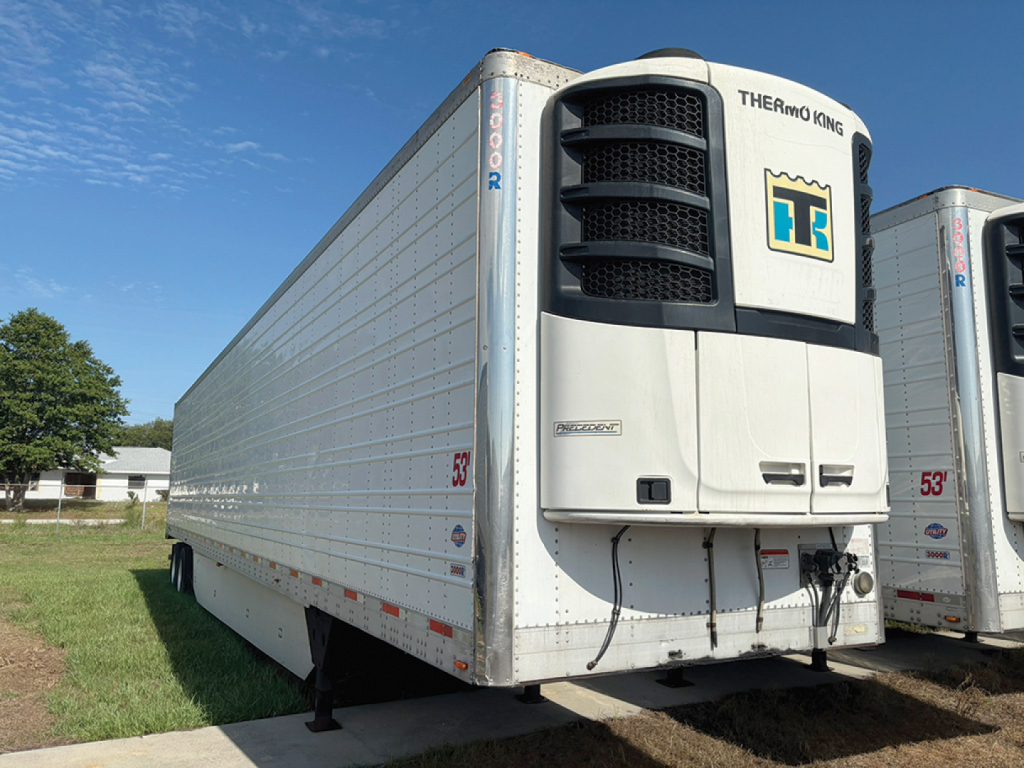
The refrigeration unit deserves as much attention as the trailer body. Many 2018 reefer trailers in this class carry Thermo King or Carrier Transicold systems, and buyers should compare engine hours, unit start history, service records, fuel consumption, and pull-down performance. A reefer can have a sound trailer body and still become expensive if the unit has deferred maintenance, sensor issues, or weak temperature control under load. Check for clean evaporator airflow, proper operation of continuous and start-stop modes, and evidence that the unit can hold setpoint in hot, humid Florida conditions. Remote monitoring capability, electric standby if applicable, and recent maintenance on belts, alternators, compressors, and emission-related components can add real value.
Body construction and cargo handling specs are just as important. Common features in this category include aluminum duct floors, scuff liners or scuff plates, stainless steel rear frames and door hardware, swing doors, side skirts, and insulated interior liners. Floor condition is critical because damaged ducts or crushed channels can restrict airflow and create uneven product temperatures. Buyers moving mixed pallets should inspect the walls, chute, bulkhead area, and door seals for signs of forklift damage, moisture intrusion, or insulation breakdown. Tire inflation systems, low-profile 22.5 tires, and aerodynamic packages are also common on reefer trailers from this era and can help with uptime and operating cost when they are still functioning as intended.
A 2018 model year often hits a practical middle ground for resale buyers because it is new enough to include current fleet-preferred specs, but old enough that maintenance history tells a clear story. Focus on reefer hours versus trailer age, suspension wear, brake type, tandem rail condition, kingpin and upper coupler wear, and any evidence of past floor or sidewall repair. For Florida service, inspect closely for corrosion around the rear frame, hinges, crossmembers, and unit mounting area due to humidity and wash cycles. A well-kept 2018 reefer trailer can still be a productive cold-chain asset if the refrigeration unit, insulation package, floor, and doors all support stable temperature control and fast dock turnaround.
Frequently Asked Questions about 2018 Reefer Trailers in Florida
What should I look at first when buying a used 2018 reefer trailer?
Start with the refrigeration unit, the floor, and the trailer’s ability to maintain temperature. Review reefer engine hours, service records, alarm history, and recent repairs, then inspect the duct floor for crushed channels or soft spots and verify the doors seal tightly. A used reefer trailer is only as valuable as its ability to protect cargo at setpoint, so cooling performance matters more than paint or decals.
Are 2018 reefer trailers commonly 53 feet long?
Yes. The most common spec in this category is a 53-foot by 102-inch refrigerated trailer with a 13-foot 6-inch overall height. Many have inside heights around 100 to 101 inches, which supports standard palletized freight while preserving insulation thickness and airflow design.
Which reefer unit brands are most common on 2018 reefer trailers?
Thermo King and Carrier Transicold are the two brands most buyers will see most often. Both have broad service networks and common parts availability, but condition matters more than brand alone. A well-maintained unit with documented service history is usually the better buy than a neglected unit from a preferred manufacturer.
Do Florida operating conditions change what matters on a reefer trailer?
Yes. Florida heat and humidity put more demand on refrigeration performance, door seals, insulation integrity, and airflow. Corrosion can also show up around rear frames, door hardware, crossmembers, and reefer mounting points, so buyers should inspect those areas carefully and confirm the unit can pull down and hold temperature in warm-weather conditions.
What trailer features help reefer uptime and cargo protection?
Air ride suspension, sliding tandems, duct floors, scuff liners, stainless rear frames, tire inflation systems, and quality door hardware are all useful features in this category. These specs support ride quality, axle compliance, airflow under the load, and lower maintenance interruptions. For food-grade work, clean interior surfaces and undamaged insulation are just as important as the mechanical options.