
2014 Reefer Trailers For Sale in Texas
Browse 2014 reefer trailers for sale in Texas. Compare 53-foot refrigerated trailers, reefer units, floors, doors, suspension, and specs.
Learn more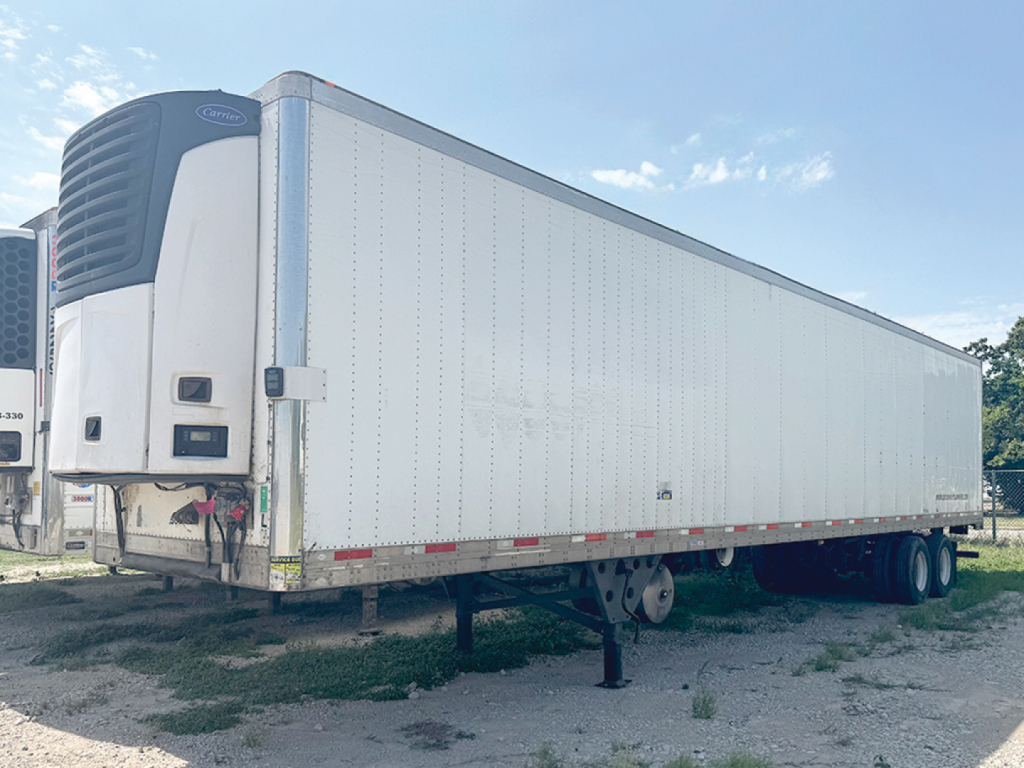
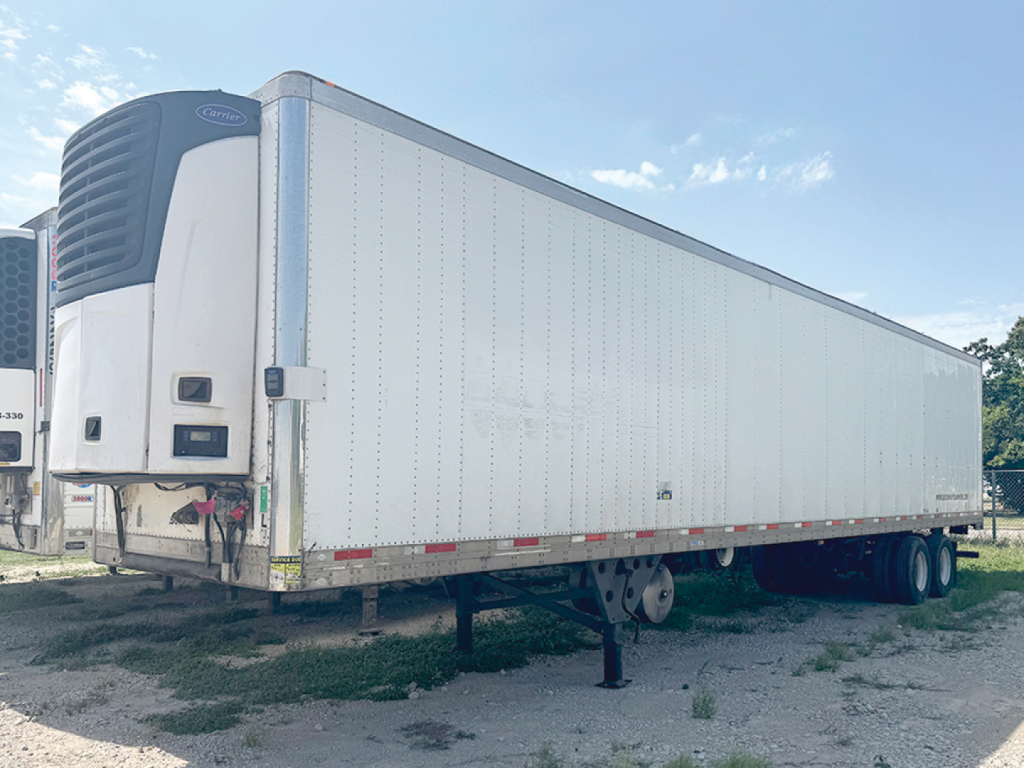
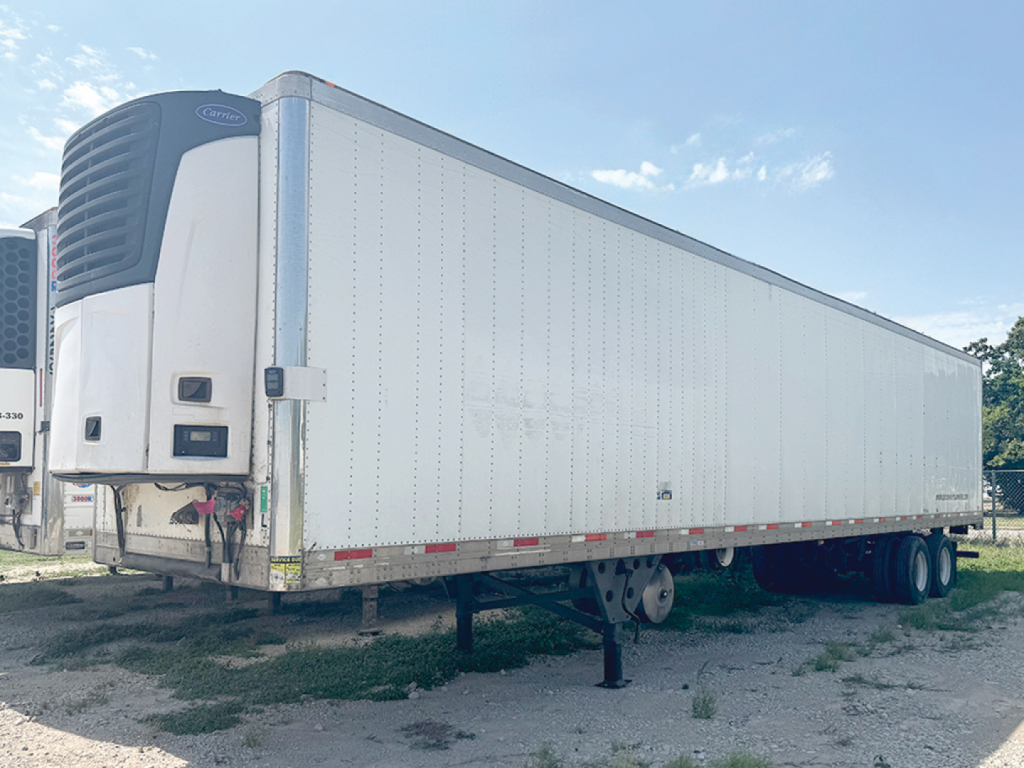
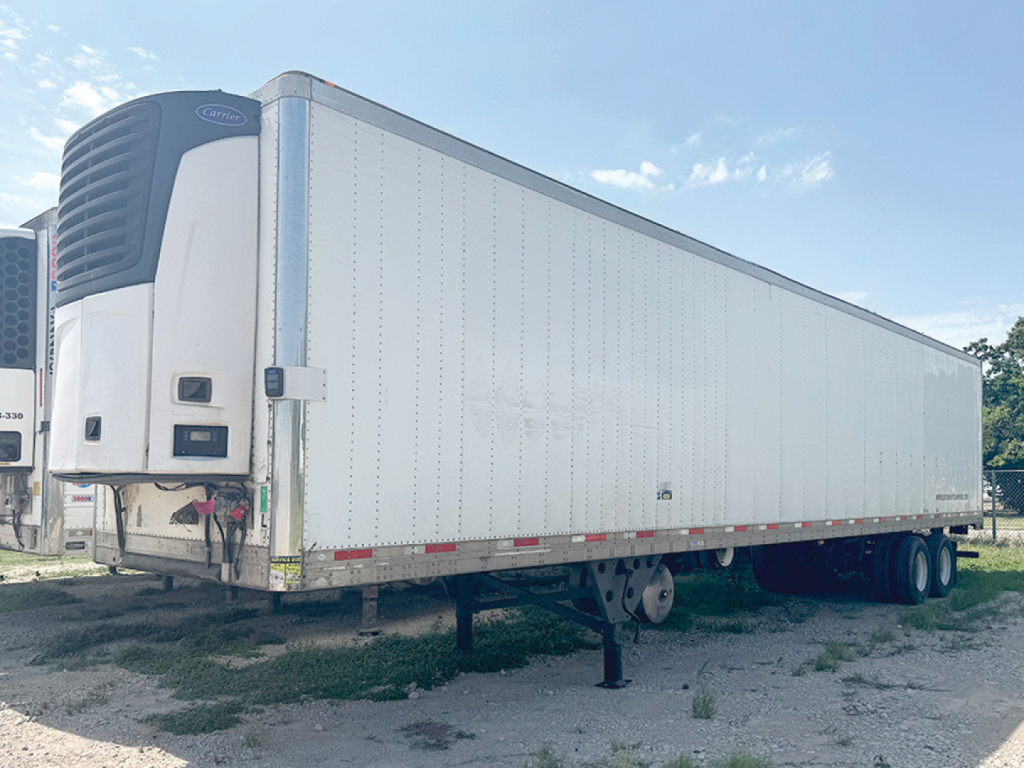
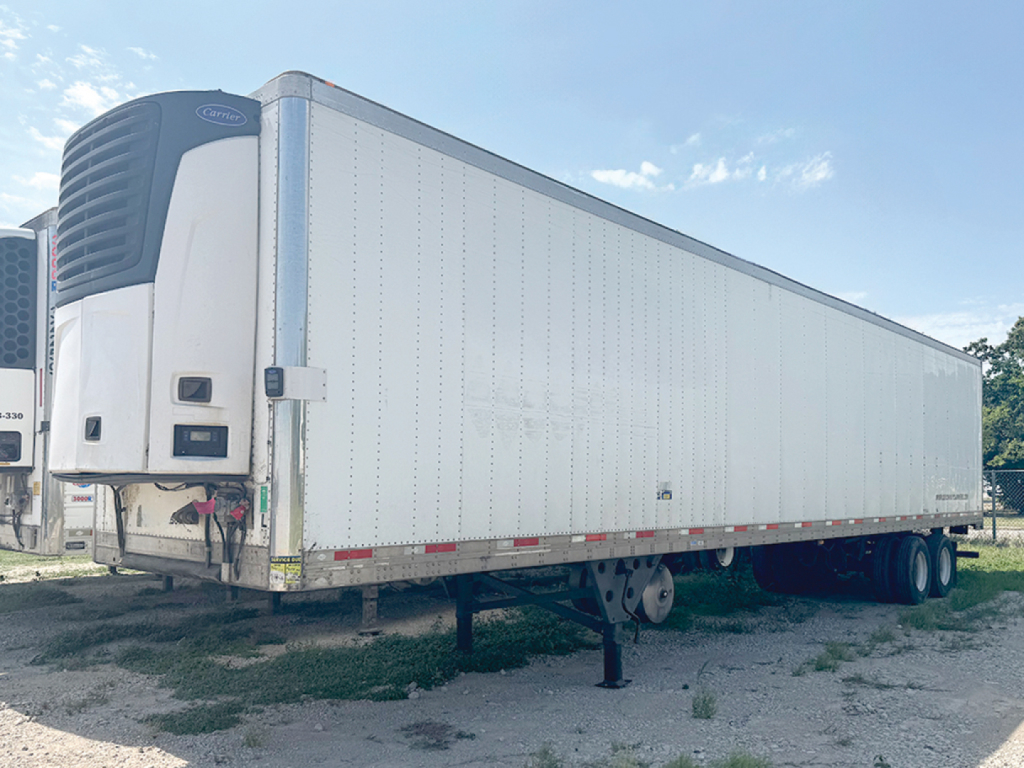
Have 2014 reefer trailer to sell? List it here to reach thousands of buyers.
About 2014 Reefer Trailers in Texas
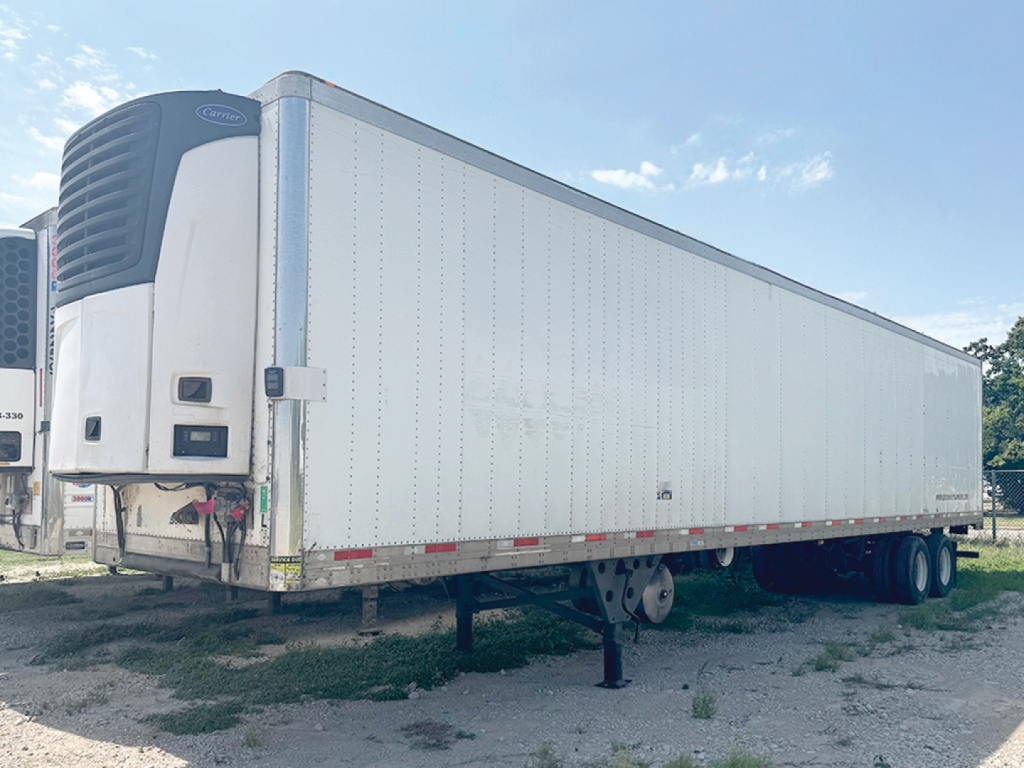
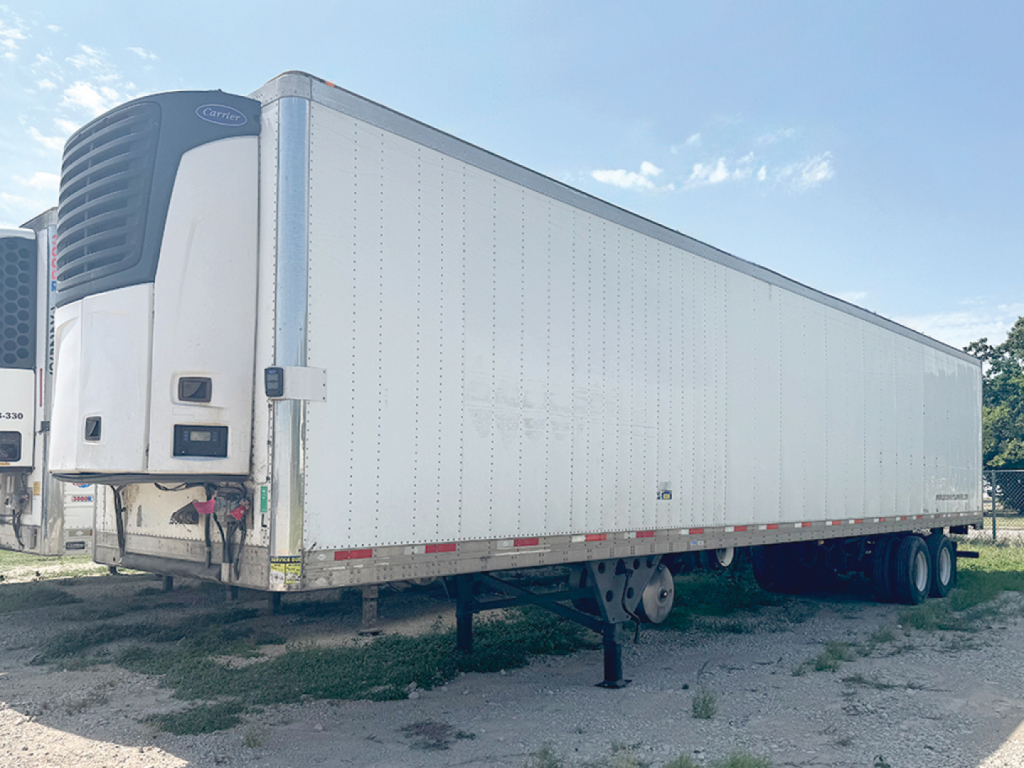
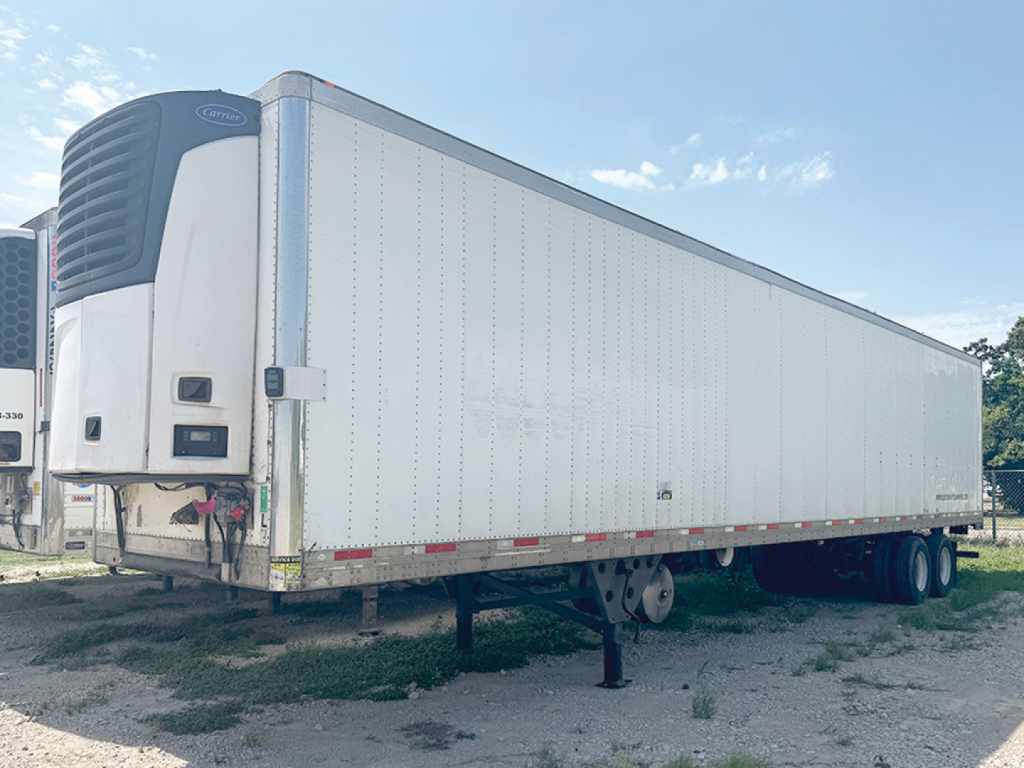
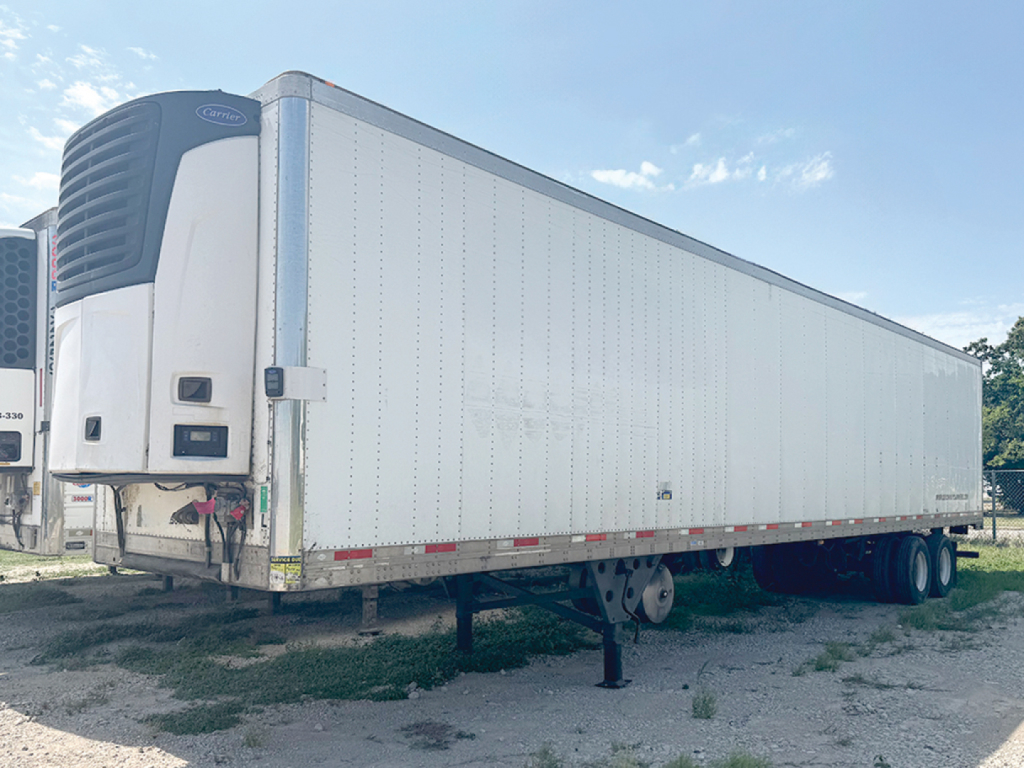
The reefer unit is the first place to focus. On 2014 refrigerated trailers, buyers will typically compare Thermo King and Carrier systems, check total engine hours, and verify pull-down performance, defrost function, and operating temperature stability. A clean pre-trip on a reefer means little if the unit will not hold setpoint under load in Texas summer heat. Look closely at service records, controller history, fuel tank condition, evaporator and condenser cleanliness, and any signs of deferred maintenance. If the trailer will run produce out of the Rio Grande Valley, frozen lanes across I-35, or grocery distribution in Dallas-Fort Worth and Houston, unit reliability and parts support should carry more weight than cosmetic appearance.
Inside the trailer, floor and airflow design tell you what freight it is suited for. Heavy-duty aluminum duct floors and flat floors are common, and both need inspection for wear, crushed sections, and repair quality. A proper cold chute, tight door seals, intact insulation, and straight interior lining help the trailer maintain temperature and protect product. E-track, scuff liners, and rear vents can add flexibility depending on the freight mix. Swing doors remain common and are often preferred for dock sealing and durability, while roll-up doors can help on certain route-delivery applications but may reduce clear opening height and add maintenance points. Tire inflation systems, disc wheels, and low-profile 22.5 tires are also common spec items worth comparing when operating costs matter.
For a 2014 reefer trailer in Texas, the best buying decision usually comes down to matching the trailer's refrigeration package, interior configuration, and running gear to the lanes you actually haul. Check tandem slide operation, suspension condition, brake type, tire wear pattern, kingpin area, crossmembers, and any signs of floor delamination or prior accident repair. Reefer buyers should also confirm the trailer has been maintained with washout discipline and that the interior does not show odor retention, mold issues, or damage from shifting pallets. A well-kept 2014 refrigerated trailer can still be a productive asset for regional food service, grocery, and cold-chain freight, provided the box is tight, the unit is dependable, and the spec fits the job.
Frequently Asked Questions
What should I inspect first on a 2014 reefer trailer?
Start with the refrigeration unit and the trailer body integrity. Verify the reefer starts easily, holds temperature, runs through defrost correctly, and shows reasonable service history and engine hours for its age. Then inspect the box for insulation problems, damaged lining, poor door seals, floor wear, and any signs that the trailer has lost its ability to hold temperature efficiently.
Are 2014 reefer trailers still practical for food-grade and cold-chain work?
Yes, many 2014 reefer trailers are still practical if they have been maintained properly. The deciding factors are the condition of the reefer unit, cleanliness of the interior, floor integrity, and the trailer's ability to maintain setpoint under load. Buyers handling strict food-grade freight should pay close attention to washout history, odor contamination, interior damage, and the overall condition of seals, drains, and lining.
What specs are most common on a 2014 refrigerated trailer in Texas?
The most common configuration is a 53-foot by 102-inch reefer trailer with 13-foot 6-inch overall height, air ride suspension, sliding tandem, and low-profile 22.5 tires. Many also have aluminum construction, stainless steel protective trim, swing doors, duct floors, scuff liners, and either a Thermo King or Carrier self-powered refrigeration unit. Exact specs vary by application, especially for grocery, produce, or frozen freight service.
Which is more important on a used reefer trailer, the box or the reefer unit?
Both matter, but a bad box can be just as costly as a weak refrigeration unit. If insulation, door seals, floor channels, or interior lining are compromised, the reefer has to work harder and fuel costs increase while temperature performance drops. A strong refrigeration unit on a trailer with structural or thermal issues will not deliver reliable cold-chain performance.
What features help a 2014 reefer trailer perform better in Texas heat?
A tight-insulated body, good door seals, a clean and healthy reefer unit, and proper airflow management are the biggest factors. Features like a cold chute, sound duct floor, straight interior walls, and clean evaporator and condenser components all help maintain consistent temperature in high ambient conditions. In Texas service, buyers should place extra emphasis on pull-down speed, setpoint recovery after door openings, and evidence of regular reefer maintenance.