
2014 Reefer Trailers For Sale
Shop 2014 reefer trailers with common 53-foot specs, refrigeration unit insights, and buyer tips on floors, doors, suspension, and maintenance.

Selling a 2014 reefer trailer? List your 2014 reefer trailer for sale and reach thousands of commercial buyers.
2014 Reefer Trailers
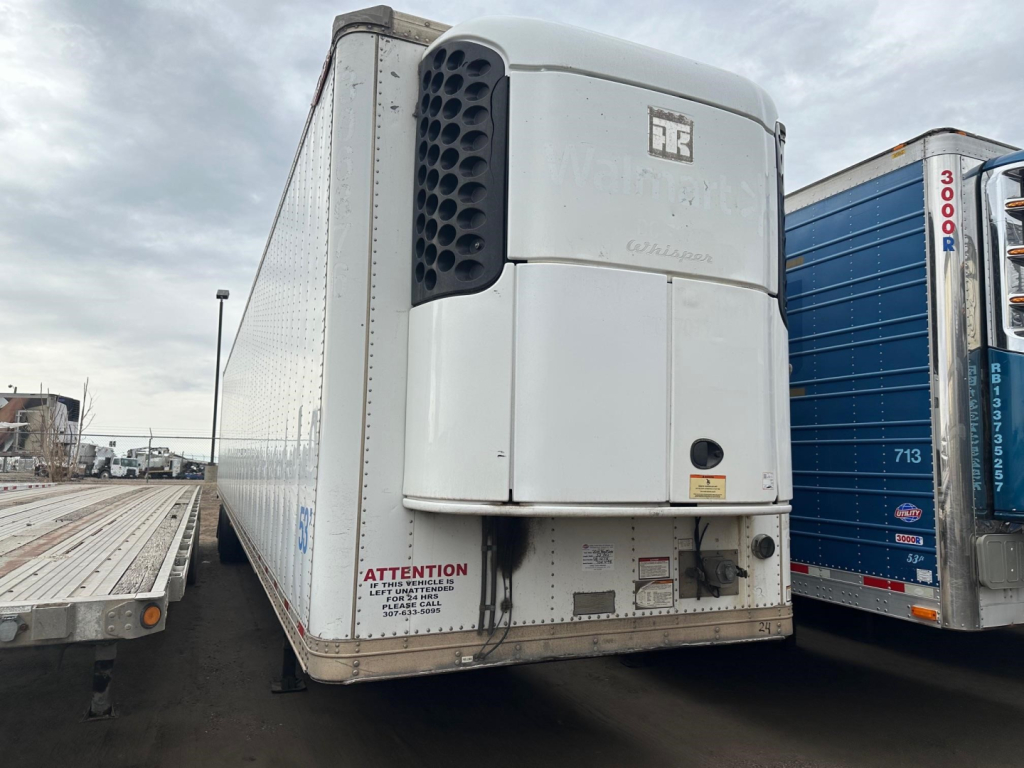
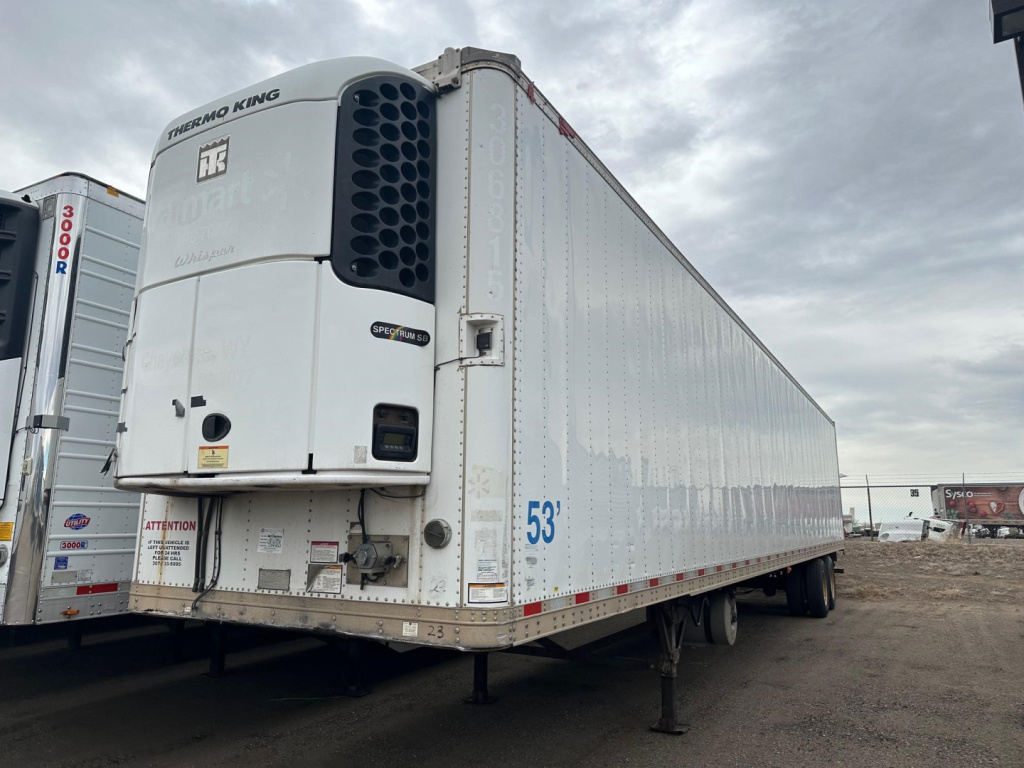
The first buying decision is usually the reefer unit and its service history. Many 2014 reefer trailers are equipped with Carrier or Thermo King systems, and buyers should compare engine hours, controller generation, alarm history, and maintenance records before focusing on cosmetic details. A well-documented unit with reasonable hours and regular preventive service can be more valuable than a cleaner trailer with gaps in its maintenance file. It also pays to confirm whether the trailer has a continuous duct floor, deep duct design, cold chute, rear vent, and properly functioning air delivery components, since these features directly affect airflow through palletized freight. If the trailer will run multi-stop grocery or LTL refrigerated freight, even air distribution and fast temperature recovery should be high on the checklist.
Trailer construction details also separate a solid 2014 reefer from one that becomes expensive after purchase. Aluminum duct floors are common and durable, but buyers should inspect for crushed channels, patches, and forklift damage that can restrict airflow. Stainless steel front corners, rear frames, and door frames help with corrosion resistance, especially in northern and coastal service. Scuff liners or scuff plates are important in foodservice and grocery operations where repeated pallet contact is normal. Swing doors remain the most common setup, though some operations prefer roll-up doors for route work. Air ride suspension is standard for ride quality and cargo protection, and sliding tandems remain important for bridge law compliance and loading flexibility. Tire inflation systems, side skirts, and aerodynamic packages may also show up in this year range and can add operating value if they are intact and working.
For a used 2014 reefer trailer, age alone is less important than insulation performance, unit reliability, and evidence of careful fleet maintenance. Buyers should inspect the bulkhead, door hardware, drains, interior lining, crossmembers, and kingpin area, then verify the reefer unit can hold setpoint under load and cycle normally. A pre-purchase inspection should include reefer download data, leak checks, structural inspection, and a close look at ABS, lights, brakes, and suspension wear. When a 2014 reefer has a sound box, a straight chassis, and a refrigeration unit with a clean service record, it can still fit regional food distribution, dedicated contract freight, or backup seasonal capacity very well.
Frequently Asked Questions about 2014 Reefer Trailers
What should I check first on a 2014 reefer trailer?
Start with the refrigeration unit service history and the trailer’s insulation integrity. Unit hours, preventive maintenance records, alarm codes, and controller condition tell you a lot about future reliability. After that, inspect the roof, sidewalls, front wall, door seals, floor channels, and interior lining for damage that can reduce temperature control and increase fuel use.
Are 2014 reefer trailers usually 53 feet long?
Yes. In the U.S. market, the most common 2014 reefer trailer configuration is 53 feet long, 102 inches wide, and 13 feet 6 inches tall. Many also include air ride suspension, sliding tandems, swing doors, and low-profile 22.5 tires. Exact specifications still vary by manufacturer, reefer unit package, and original fleet order.
How important are reefer unit hours on a used 2014 trailer?
Reefer unit hours are very important because they indicate total operating time on the refrigeration system, but hours should never be judged alone. A higher-hour Carrier or Thermo King unit with complete maintenance records can be a better buy than a lower-hour unit with poor service history. Buyers should also consider start-stop operation, repair history, emissions system condition, and whether the unit holds temperature consistently during testing.
What floor and airflow features matter most in a reefer trailer?
A proper duct floor and air delivery system are critical because refrigerated freight depends on airflow as much as raw cooling capacity. Buyers should look for a clean, undamaged aluminum duct floor, intact chute or ceiling air delivery components if equipped, and a rear vent when specified for the application. Crushed floor channels, blocked ducts, or missing airflow components can lead to hot spots and uneven product temperatures.
Is a 2014 reefer trailer still a good fit for food hauling?
It can be, provided the trailer meets the shipper’s temperature-control and sanitation requirements. Many 2014 reefer trailers are still suitable for produce, frozen freight, dairy, and general refrigerated distribution if the box is structurally sound, the interior is clean, and the reefer unit performs correctly. Buyers should always match the trailer’s condition, unit capability, and compliance status to the exact freight profile and customer standards they plan to serve.