
2007 Reefer Trailers For Sale in Texas
Shop 2007 reefer trailers for sale in Texas. Compare 53-foot refrigerated trailers, reefer units, floor types, suspension, and door options.
Learn more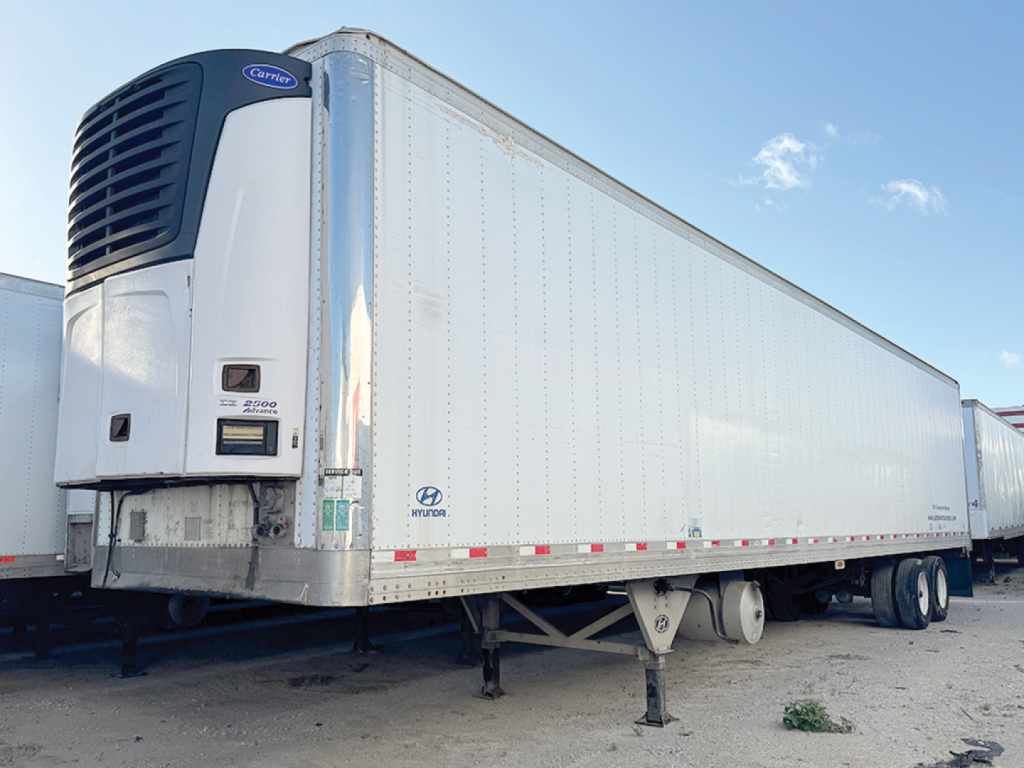

Have 2007 reefer trailer to sell? List it here to reach thousands of buyers.
About 2007 Reefer Trailers in Texas
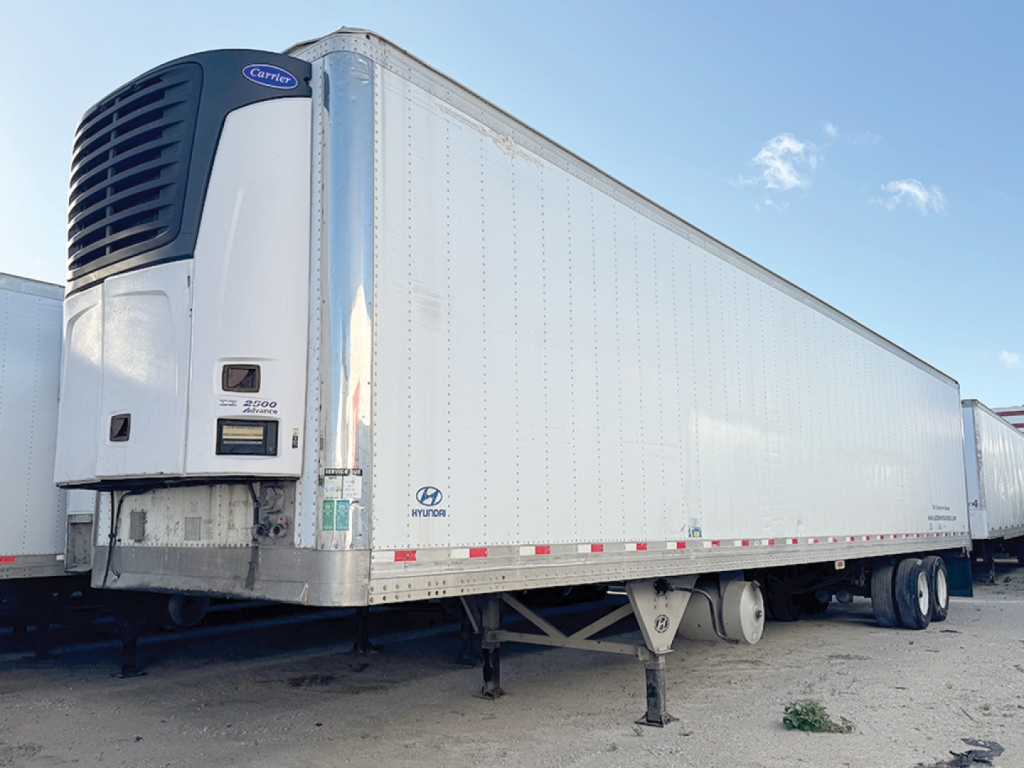
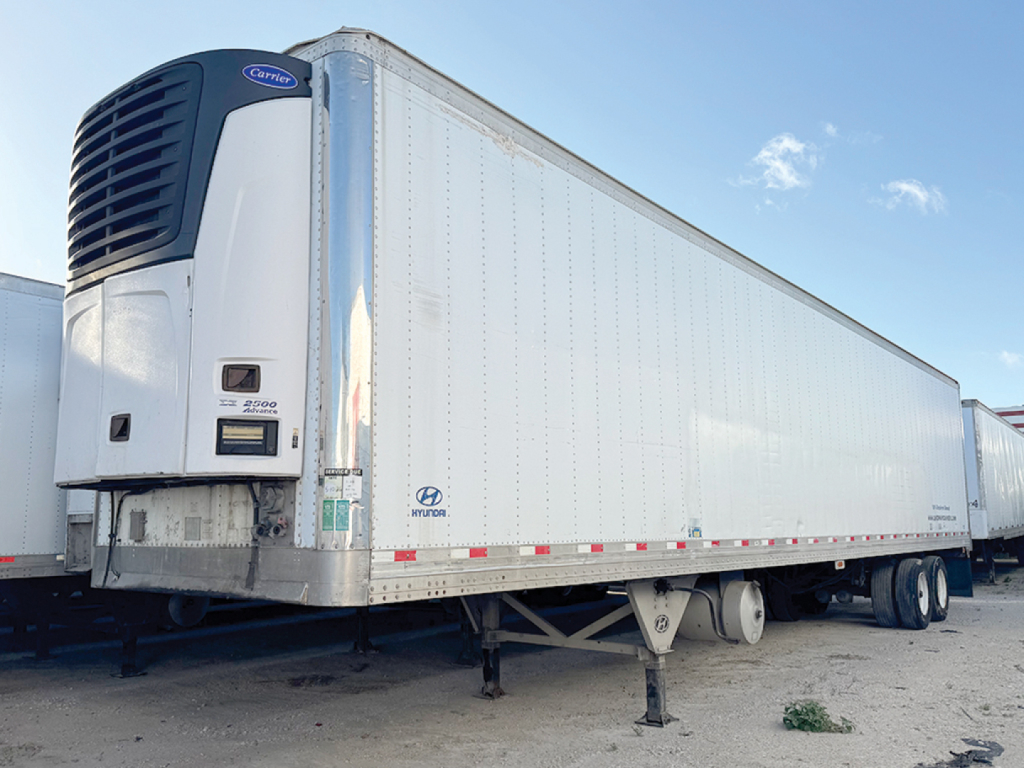
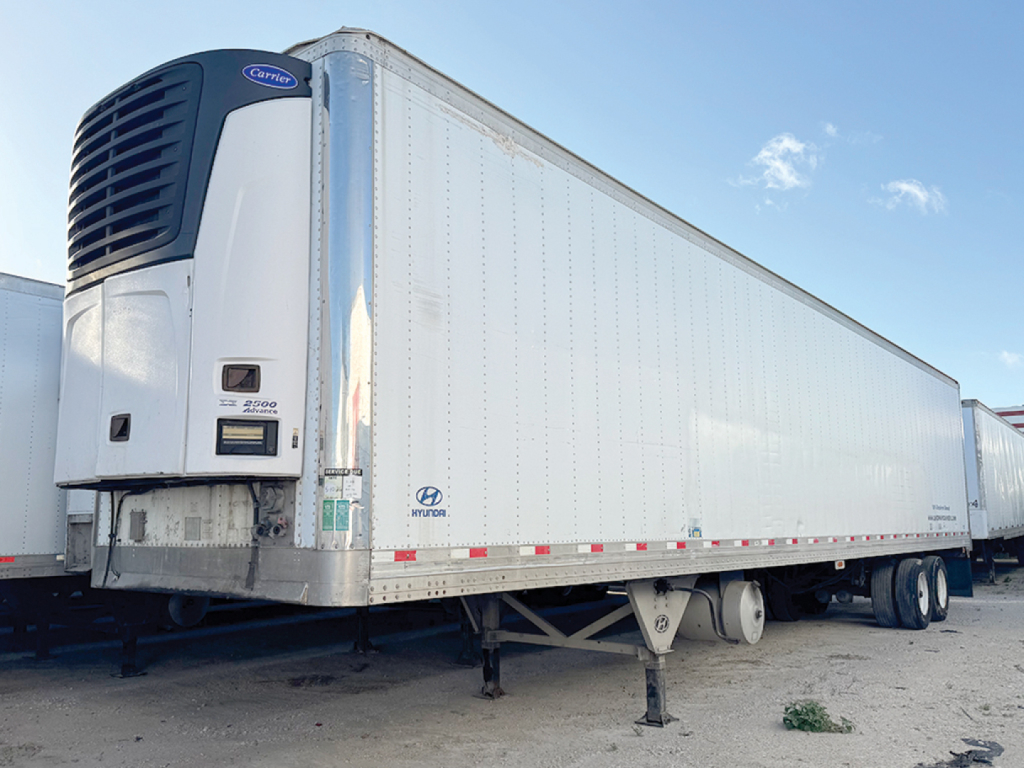
For Texas operation, reefer performance under sustained heat matters as much as the trailer shell. A 2007 reefer used in regional grocery, meat, or produce lanes needs a unit that can pull down quickly and hold setpoint during frequent door openings. Common unit brands in the market include Carrier and Thermo King, and buyers should review engine hours, electric standby if equipped, service records, and any recent compressor or evaporator work. Interior configuration also matters. Duct floors help maintain front-to-rear airflow under palletized loads, cold chutes support even air distribution, and scuff liners or scuff plates help protect the interior walls from forklift and pallet damage.
The trailer body deserves a close inspection because repair costs can erase the value of a lower purchase price. Check the front wall for impact or moisture intrusion, inspect the roof skin and seams, and look carefully at the rear frame, door frame, and threshold area for corrosion or cracking. Door style affects application. Swing doors are common for dock work and full-width loading, while roll-up doors can make sense for multi-stop delivery where drivers need frequent access. Suspension and running gear should match the intended route and payload. Air ride suspension is typically preferred for food-grade and delicate refrigerated freight, while sliding tandems remain important for bridge law compliance and axle spread flexibility.
A 2007 reefer trailer buyer should also pay attention to floor wear, tire condition, brake type, and compliance details. Aluminum duct floors are common and durable, but heavy forklift traffic can crush channels or create airflow restrictions. Check for ABS function, lining or pad life, wheel-end condition, and whether the trailer has steel or aluminum wheels. Interior height can vary, which affects cube and loading flexibility. If the trailer will be used for retail distribution, features like E-track, additional interior lighting, and a clean, damage-free liner package may matter more than raw resale value. For long-haul temperature-controlled service, the right 2007 reefer is the one with a solid box, documented reefer maintenance, tight doors, and a floor that still supports proper air movement.
Frequently Asked Questions
What should I inspect first on a 2007 reefer trailer?
Start with the trailer body and the refrigeration unit. On the body, inspect the front wall, roof, rear frame, door frame, floor, and interior liner for signs of water intrusion, delamination, impact damage, and corrosion. On the reefer unit, review total engine hours, maintenance history, recent repairs, and operating performance at set temperature. A sound insulated box and a reefer unit with documented service are usually more important than the model year alone.
Are 2007 reefer trailers still reliable enough for food-service and produce hauling?
They can be, but reliability depends on condition and maintenance rather than age by itself. Many older refrigerated trailers remain productive in regional and dedicated service if the insulation is intact, the floor still supports proper airflow, the doors seal tightly, and the reefer unit has been serviced consistently. For strict food-service or produce work, buyers should verify temperature pull-down, return-air performance, and the overall cleanliness and structural condition of the cargo area.
What reefer trailer features matter most in Texas?
In Texas, strong cooling performance, good insulation, and durable door seals are critical because ambient temperatures can stay high for long periods. Buyers should also look for a duct floor or other airflow-friendly floor design, a cold chute if the application requires even distribution, and a reefer unit with enough capacity for stop-and-go operation. Regional fleets running mixed frozen and chilled freight may also place extra value on clean interiors, dependable air ride suspension, and sliding tandems for route flexibility.
Is air ride suspension better than spring suspension on a reefer trailer?
Air ride is generally preferred on reefer trailers because it offers better ride quality for delicate or stacked refrigerated freight and is common in food-grade applications. It can also reduce cargo shift and trailer shock over rough roads. Spring suspension may still be acceptable for certain operations, but many buyers in the refrigerated market view air ride as the stronger choice for cargo protection, driver acceptance, and resale appeal.
How important is the floor type in a refrigerated trailer?
The floor is one of the most important parts of a reefer trailer because it directly affects airflow, sanitation, and forklift durability. Aluminum duct floors are common because they allow air to move under the load and help maintain even temperatures from front to rear. A damaged or crushed floor can restrict airflow and hurt temperature consistency, especially in dense palletized loads. Buyers should inspect for broken channels, soft spots, patches, and excessive wear in high-traffic areas near the rear doors.