
2007 Reefer Trailers For Sale
Shop 2007 reefer trailers for sale. Compare 53-foot refrigerated trailers, insulation, floors, reefer units, and suspension specs.
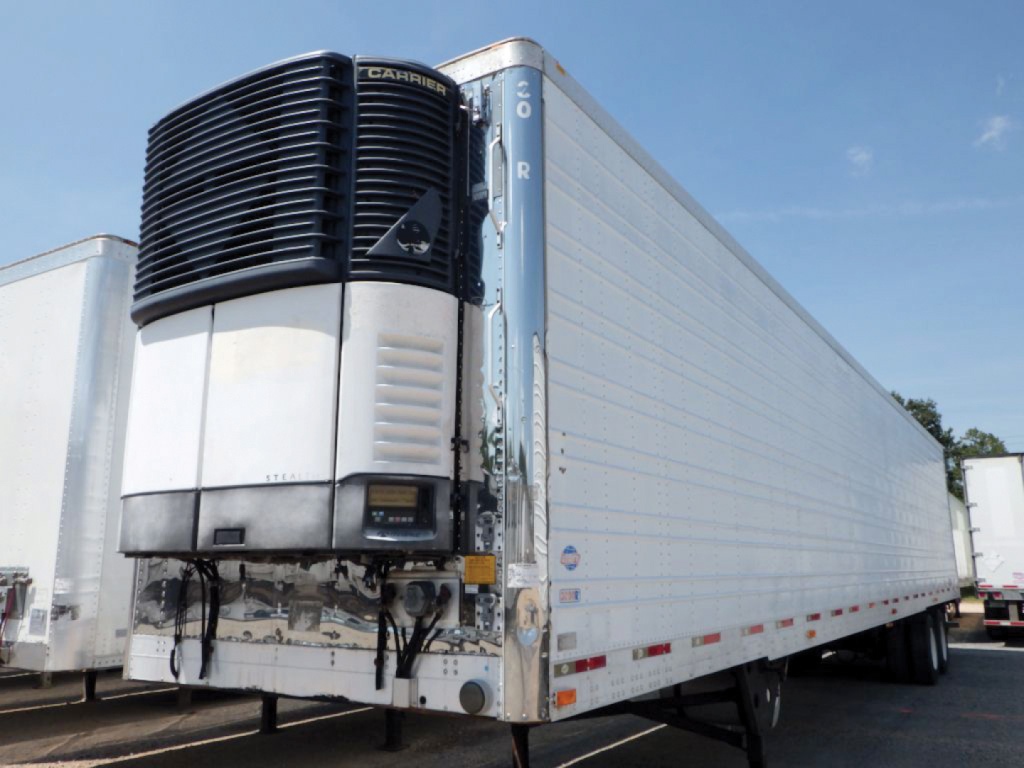

Selling a 2007 reefer trailer? List your 2007 reefer trailer for sale and reach thousands of commercial buyers.
2007 Reefer Trailers
On a 2007 model, the refrigeration unit deserves the closest inspection. Thermo King and Carrier units dominate this segment, and service history is often more important than nameplate alone. Check engine hours, electric standby if equipped, multi-temp capability, defrost performance, and how quickly the trailer can pull down to setpoint under load. Fuel tank condition, evaporator cleanliness, airflow through the chute, and signs of repeated low-temp or high-temp alarms all tell you a lot about how the trailer was operated. If the trailer is intended for strict food-grade work, inspect the interior liner, scuff protection, drains, and any patches or repairs that could affect sanitation or temperature retention.
Construction details matter because a reefer trailer lives and dies by its box condition. Many 2007 reefers were built with aluminum duct floors, stainless steel rear frames, swing doors, and air ride suspension with a sliding tandem. Look closely at the floor for crushed ducting, soft spots, and forklift damage, since poor airflow under pallets can hurt temperature consistency. The front wall, roof, and corners should be checked for delamination, moisture intrusion, and impact damage. Door frames, hinges, rear vents, and gasket sealing surfaces are high-wear areas, especially on trailers that have seen heavy grocery distribution or frequent dock cycles. Tire condition, wheel-end maintenance, brake type, and slider operation also affect the real operating cost after purchase.
A 2007 reefer trailer can still make sense for regional food service, cold storage shuttles, seasonal produce, or dedicated lanes where the buyer understands maintenance and compliance requirements. The key is matching the trailer's remaining refrigeration life, interior condition, and structural health to the freight you plan to haul. For long-haul temperature-sensitive freight, buyers often prioritize clean unit records, dependable pull-down performance, and a box that still seals tightly. For shorter runs or warehouse transfer work, a well-kept older reefer can be a practical lower-cost option if the floor, insulation, suspension, and reefer unit have been maintained correctly.
Frequently Asked Questions about 2007 Reefer Trailers
What should I inspect first on a 2007 reefer trailer?
Start with the refrigeration unit, the trailer floor, and the door seals. On an older reefer, unit service records, engine hours, alarm history, and pull-down performance usually tell you more than appearance. After that, inspect the duct floor for forklift damage, check the interior walls and roof for moisture or delamination, and make sure the rear doors seal tightly without daylight showing around the gaskets.
Are 2007 reefer trailers still good for food-grade freight?
They can be, but only if the trailer has been maintained to food-grade standards. The interior liner should be clean and repairable, the floor should support proper airflow and sanitation, and the reefer unit should hold setpoint reliably. Buyers hauling regulated or high-value perishables should pay close attention to washout condition, insulation integrity, chute condition, and any structural repairs that could affect cleanliness or temperature control.
What reefer unit brands are common on 2007 refrigerated trailers?
Thermo King and Carrier are the most common refrigeration unit brands found on reefer trailers from this era. Either can be a solid choice if parts support is available in your operating region and the unit has a documented maintenance history. Condition matters more than brand alone, especially on older equipment where compressor health, hour meter readings, and control system function directly affect uptime.
What trailer specs are most common on a 2007 reefer?
Many 2007 reefer trailers are 53 feet long, 102 inches wide, and built with air ride suspension and a sliding tandem. Aluminum duct floors, swing doors, stainless steel rear frames, and low-profile 22.5 tires are also common. Exact specs vary by manufacturer and original vocation, so buyers should confirm inside height, floor type, reefer unit model, and axle configuration before comparing trailers.
Is a 2007 reefer trailer better for regional or long-haul use?
That depends on the condition of the box and the refrigeration unit. A clean, tight, well-documented 2007 reefer can still handle long-haul work, but many buyers use trailers of this age in regional delivery, warehouse transfer, or seasonal produce service where downtime risk is easier to manage. The decision should come down to unit reliability, insulation quality, and how costly a temperature-control failure would be on your freight.