
Heil Pneumatic - Dry Bulk Trailers For Sale in Kentucky
Shop Heil pneumatic dry bulk trailers for cement, lime, sand, fly ash, and soda ash hauling. Compare cubic feet, discharge systems, and specs.
Learn more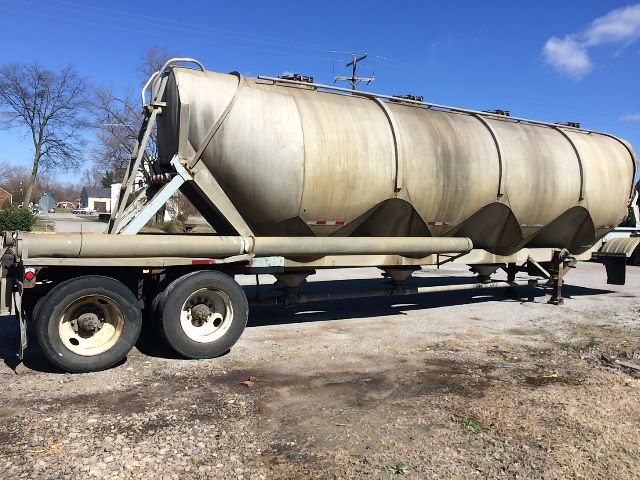
Have heil pneumatic - dry bulk trailer to sell? List it here to reach thousands of buyers.
About Heil Pneumatic - Dry Bulk Trailers in Kentucky
A key buying decision is the tank configuration and total cubic feet. Smaller barrels can make sense for heavier products where gross weight becomes the limit before cube, while larger tanks fit lighter commodities that need more volume. Aluminum construction is common for weight savings, and many operators pay close attention to blower compatibility, line size, hopper count, and aeration setup. On a used Heil pneumatic trailer, inspect the pressure system, gauges, relief valves, piping, hoses, and rear cabinet layout. Product history also matters. A trailer that spent its life on soda ash or cement may need interior cleaning or closer inspection for residual material, moisture issues, or product contamination risk if the next application changes.
Running gear and service history are just as important as the barrel. Check suspension type, axle spacing, brake condition, drum or disc setup, wheel-end maintenance, and tire wear across all positions. Frame condition, substructure corrosion, and any weld repairs around supports, hopper outlets, or kingpin area deserve a close look, especially on older units. In Kentucky and surrounding regional lanes, buyers often want a trailer that can handle frequent plant loading, short-cycle deliveries, and dependable pneumatic unloading without excessive downtime. Working tank and line pressure gauges, sound valves, and documented maintenance are good signs that the trailer has been kept in service rather than parked with unresolved issues.
Heil has long been a recognized name in bulk hauling, and buyers often compare these trailers on unload speed, tare weight, parts support, and how well the trailer matches a specific commodity. The best fit comes down to product density, target payload, blower requirements, and the type of customer facilities the trailer will serve. A dry bulk pneumatic trailer, also known as a bulk tank trailer, is a specialized tool, and small spec differences can have a direct impact on legal payload, discharge time, and cleanout between loads.
Frequently Asked Questions
What commodities can a Heil pneumatic dry bulk trailer haul?
Heil pneumatic dry bulk trailers are commonly used for dry, flowable commodities such as cement, lime, fly ash, sand, soda ash, flour, and some plastic resins. The exact commodity mix depends on the trailer’s cube, outlet configuration, aeration system, and the cleanliness standards required by the shipper or receiver. If the trailer is changing from one commodity to another, buyers should consider contamination risk, interior condition, and how easy the tank is to clean out between loads.
How do I choose the right cubic capacity for a dry bulk trailer?
Start with commodity density, target payload, and local bridge law requirements. Heavier materials can max out legal gross weight before the tank is full, so a smaller cubic-foot trailer may be the better choice. Lighter products often need more barrel volume to maximize revenue per trip. The right capacity is the one that lets the trailer scale legally while still delivering efficient unload times and matching the loading and receiving facilities you use most often.
What should I inspect on a used Heil pneumatic trailer?
Focus on the pressure system, discharge plumbing, tank integrity, and running gear. Buyers should verify that pressure gauges, relief valves, butterfly valves, hoses, and fittings are functional and free of obvious leaks or damage. Inspect the tank shell, hoppers, welds, and support structure for cracks, repairs, or corrosion. Also review brakes, drums or rotors, tires, wheel ends, suspension components, and maintenance records, because a sound barrel does not offset neglected undercarriage components.
Do pneumatic dry bulk trailers come with a blower?
Many pneumatic dry bulk trailers are sold without a blower because the blower may be truck-mounted or transferred between tractors. What matters is that the trailer’s plumbing, air requirements, and discharge system are compatible with the blower setup you plan to use. Buyers should confirm required CFM, operating pressure, hose sizes, and the style of connections used at their customer locations before putting a trailer into service.
Why does previous product history matter on a dry bulk trailer?
Previous commodity history affects both cleaning requirements and future use. A trailer that hauled soda ash, cement, or lime may still be perfectly serviceable, but residue, caking, or moisture exposure can create issues if the next load requires stricter cleanliness. Product history can also point to typical wear patterns inside the tank and discharge system. For many buyers, knowing what the trailer hauled and how it was maintained is just as important as knowing the year, make, and capacity.