
Fruehauf Pneumatic - Dry Bulk Trailers For Sale in Kentucky
Shop Fruehauf pneumatic dry bulk trailers with specs, applications, and buying tips for hauling cement, lime, fly ash, sand, and soda ash.
Learn more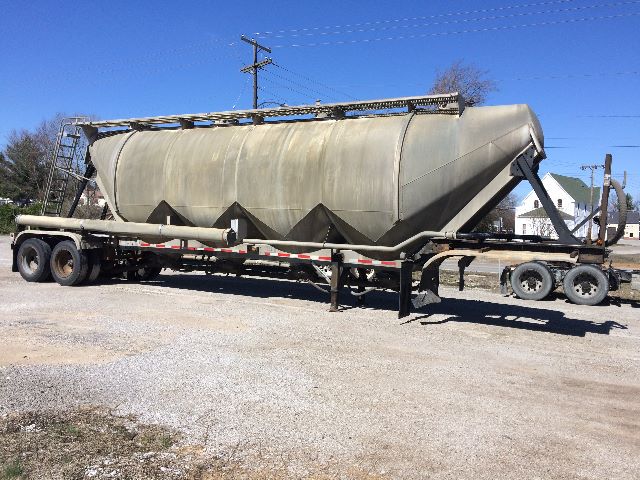
Have fruehauf pneumatic - dry bulk trailer to sell? List it here to reach thousands of buyers.
About Fruehauf Pneumatic - Dry Bulk Trailers in Kentucky
Capacity and unload configuration matter more than paint on a pneumatic trailer. Dry bulk trailers in this class are often found in the 1,000 to 1,600 cubic foot range, with some set up for heavier commodities and others spec'd for lighter products where legal payload depends on material density. Valve size, number of hoppers, and discharge line layout all affect unload speed and product flow. Larger butterfly valves, sound piping, and tight seals can make a noticeable difference in daily cycle times. Buyers should also inspect the blower hookup arrangement, aeration system, pressure relief components, gauges, and the condition of cones and internal surfaces if access and records allow. Product history matters because corrosive or abrasive materials can shorten service life in specific areas.
In Kentucky and surrounding markets, these trailers are often used in short to mid-range bulk routes tied to construction materials, industrial minerals, and plant-to-terminal work. That makes brake condition, axle alignment, suspension performance, and current DOT-ready lighting and air systems just as important as tank capacity. Many older Fruehauf pneumatic trailers have seen updates such as new axles, drums, slack adjusters, air bags, wiring, or stainless steel structural work. Those repairs can add real value when they are documented and professionally done. A clean title, maintenance history, current inspection status, and evidence of leak-free operation typically separate a dependable working trailer from a project unit.
Fruehauf remains a recognized name in the trailer market, and their dry bulk trailers are still considered by buyers who want a serviceable pneumatic tank without paying for a late-model unit. The right trailer depends on commodity type, target payload, unload requirements, and how much refurbishment has already been completed. For bulk operators, the smartest comparison is not just age. It is vessel integrity, frame quality, running gear condition, valve and plumbing spec, and how well the trailer matches the material being hauled.
Frequently Asked Questions
What should I inspect first on a used Fruehauf pneumatic dry bulk trailer?
Start with the tank, the suspension subframe, and the discharge system. Look closely for repairs, cracking, corrosion, worn mounts, patched cones, and damage around hopper outlets and support areas. After that, inspect axles, brakes, air bags, slack adjusters, drums, airlines, wiring, tires, and lights. On a pneumatic trailer, valve condition, plumbing integrity, and evidence of pressure-tight operation are critical because unload problems can turn a usable trailer into a costly downtime issue.
What materials are typically hauled in a Fruehauf dry bulk pneumatic trailer?
These trailers are commonly used for cement, lime, fly ash, sand, mineral fillers, and soda ash, along with other dry powdered or granular bulk products. The material matters because commodity density affects payload, and product abrasiveness or corrosiveness affects wear patterns inside the vessel and discharge plumbing. A trailer that spent years hauling one product may be better suited for similar service than for a completely different commodity with different flow characteristics.
How important is cubic foot capacity on a pneumatic dry bulk trailer?
Cubic foot capacity is one of the main buying decisions because it directly affects how the trailer matches the density of the material being hauled. A larger cubic foot trailer may be ideal for lighter products, while a smaller-capacity unit can be better for heavier commodities where axle weight limits cap payload before the tank is full. Capacity should always be evaluated alongside axle configuration, tare weight, and the commodity's pounds-per-cubic-foot profile.
Do rebuilt components add value on an older Fruehauf bulk trailer?
Yes, documented rebuild work can add meaningful value, especially when it involves the rear frame, suspension mounting structure, axles, brakes, airbags, tank repairs, valves, electrical, or air lines. The key is the quality and scope of the work. Professionally completed repairs with records are far more valuable than undocumented patchwork because buyers need to know the trailer's structural and operational condition, not just that parts were replaced.
What unloading features matter most on a pneumatic dry bulk trailer?
Buyers should focus on hopper layout, butterfly valve size, discharge line routing, blower hookup, aeration system condition, and pressure safety equipment. Larger valves and a well-maintained discharge system can improve unload speed and reduce product hang-up. Pressure gauges, relief valves, tight seals, and clean plumbing are also important because pneumatic unloading depends on maintaining controlled airflow and consistent pressure through the vessel and discharge piping.