
Used Platform Trailers For Sale
Browse used platform trailers for sale, including flatbed-style hauling options with common specs, deck materials, axle setups, and load applications.
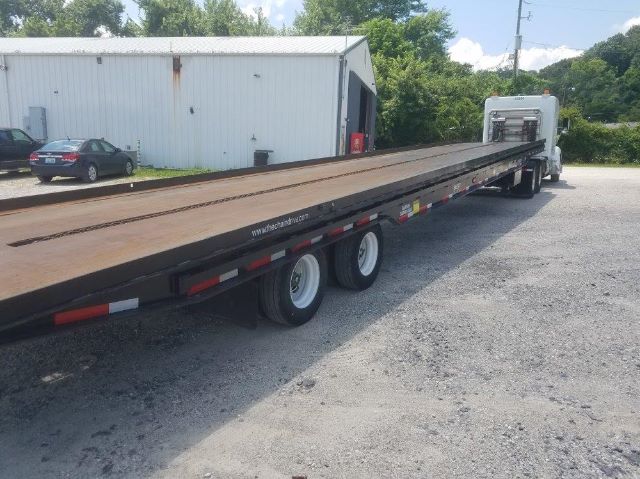
Have used platform trailer to sell? List it here to reach thousands of buyers.
Used Platform Trailers
Common lengths include 48-foot and 53-foot models, with tandem axle setups dominating general freight use. Steel and aluminum construction both show up regularly in the used market. Aluminum platform trailers reduce tare weight and help maximize payload, while steel trailers are often favored for durability in demanding service. Deck material matters as much as the frame. Apitong and other hardwood floors are common because they hold up well under forklifts and concentrated loads. Crossmember spacing, floor condition, rub rail strength, stake pockets, chain spools, winch tracks, and sliding winches all affect how efficiently the trailer can be secured and turned between loads.
Used buyers should pay close attention to structural and running gear condition. Suspension type, axle ratings, brake setup, wheel-end condition, tire wear, and evidence of frame repairs can tell you a lot about prior use. A platform trailer that has spent its life on evenly distributed pallet freight may present very differently from one that has carried coils, pipe, or heavy equipment. Look closely at the main beams, crossmembers, landing gear mounts, rear frame area, kingpin plate, and any signs of cracking around high-stress points. If the trailer includes features like a tire inflation system, coil package, dunnage rack, or lift axle, those can add value if they match your lane and load requirements.
The best used platform trailer is the one that fits your freight securement routine, loading environment, and legal weight targets without adding unnecessary tare weight or complexity. Deck height affects loading angles and overall loaded height. Trailer width, rear bolster design, and floor condition influence forklift access and cargo support. In regional work with frequent stops, durability and simple securement hardware may matter more than every last pound of payload. In long-haul open deck service, tare weight, aerodynamics, and ease of maintenance often move higher on the list. A careful buyer compares specification, structural condition, and prior application together instead of judging a used platform trailer by age alone.
Frequently Asked Questions about Used Platform Trailers
What is a platform trailer?
A platform trailer is an open-deck trailer designed to haul freight that can be loaded from the side, rear, or top. It is also commonly called a flatbed trailer. Platform trailers are used for machinery, building materials, steel products, lumber, pipe, and palletized freight that does not require a dry van or refrigerated body.
What should I inspect first on a used platform trailer?
Start with the frame, deck, axles, brakes, suspension, tires, and kingpin area. Main beam damage, cracked welds, weak crossmembers, worn floors, uneven tire wear, and brake or wheel-end issues can indicate expensive repairs or a trailer that has seen hard service. Tie-down equipment like rub rails, stake pockets, winches, and chain points should also be checked because those components directly affect daily usability and cargo securement compliance.
Are aluminum or steel platform trailers better?
Neither is universally better. Aluminum platform trailers generally weigh less, which helps increase legal payload and can improve fuel efficiency over time. Steel platform trailers are often chosen for rugged service and can be easier to repair in some operations. The better choice depends on the type of freight, expected loading abuse, maintenance practices, and how important tare weight is in your operation.
What length platform trailer is most common?
Forty-eight-foot and 53-foot platform trailers are the most common in general freight service. A 48-foot trailer remains popular for many open-deck applications, while 53-foot models offer additional deck space for lighter or more dimensional freight. The right length depends on load mix, state bridge laws, customer requirements, and dock or yard maneuverability.
What features add value on a used platform trailer?
Value-adding features depend on the freight being hauled, but buyers often look for a sound hardwood floor, strong rub rails, usable stake pockets, sliding winches, winch track, chain tie-down points, coil package equipment, and a tire inflation system. Lift axles, dunnage storage, and well-maintained air and brake systems can also be important. Features only add real value when they fit the trailer’s intended application and reduce setup time or maintenance costs.