
Platform Trailers For Sale
Shop platform trailers built for steel, lumber, machinery, and general freight with specs on length, axle setups, deck materials, and capacity.
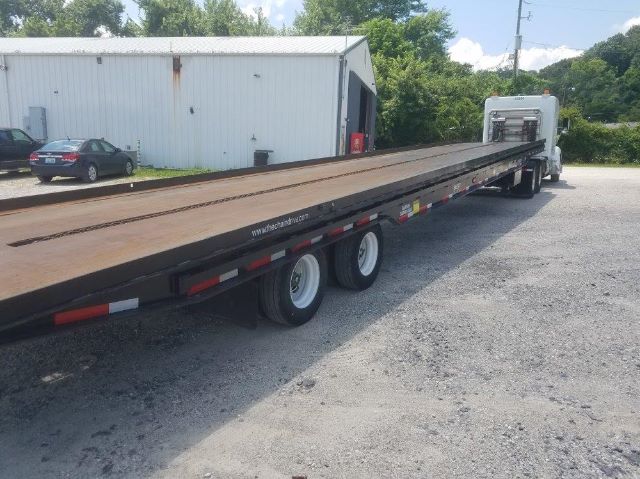
Selling a platform trailer? List your platform trailer for sale and reach thousands of commercial buyers.
Platform Trailers
Capacity, tare weight, and deck construction matter more on a platform trailer than many first-time buyers expect. Aluminum platforms reduce empty weight and help maximize payload, while steel trailers can offer a price advantage and a more familiar repair profile in severe-duty service. Buyers should also look closely at crossmember spacing, main beam design, flooring type, and the condition of the rub rail, stake pockets, and winch track. Apitong and other hardwood floors remain common because they hold up well under forklifts and concentrated freight, while all-aluminum decks appeal to fleets focused on corrosion resistance and weight savings.
Securement features often separate a general-purpose platform from one that fits your freight mix. Winches, sliding winches, chain pull-outs, D-rings, coil package options, and bulkheads all affect how efficiently a trailer can handle different commodities. If the trailer will see steel coils, pipe, or machinery, inspect the deck layout and securement points with those loads in mind. Tire inflation systems, air-ride suspension, disc or drum brakes, and lift axle setups can also influence uptime and maintenance costs, especially in regional operations with frequent loading cycles and mixed road conditions.
A good platform trailer should match not just gross capacity, but the way freight is loaded, secured, and unloaded in daily service. Trailer age, frame condition, suspension type, kingpin setting, and overall weight distribution all influence how useful the trailer will be across different shippers and lane requirements. Buyers comparing platform trailers should focus on structural condition, deck usability, securement hardware, and how the trailer's dimensions fit bridge laws and cargo profiles in their operating region.
Also known as: Flatbed Trailer, Flat Deck Trailer
Frequently Asked Questions about Platform Trailers
What is a platform trailer used for?
A platform trailer is used to haul freight that needs open access from the sides, rear, or top. Common loads include steel, lumber, machinery, building products, palletized materials, and oversized freight that will not fit inside an enclosed trailer. Its open deck design makes it one of the most versatile trailer types in commercial trucking.
What is the difference between a platform trailer and a flatbed trailer?
In most trucking markets, platform trailer and flatbed trailer mean the same thing. Both terms describe an open-deck trailer without permanent sidewalls or a roof. Some buyers use platform as a broad category that can include specialized open-deck designs, but for standard freight hauling the terms are generally interchangeable.
Should I choose aluminum or steel for a platform trailer?
Aluminum platform trailers usually offer lower tare weight, better corrosion resistance, and higher payload potential. Steel trailers can cost less up front and may be preferred in demanding applications where repair familiarity and initial purchase price matter most. The right choice depends on your freight, operating environment, maintenance program, and how much payload value you gain from weight savings.
What specs matter most when buying a platform trailer?
The most important specs are trailer length, axle configuration, weight rating, deck height, suspension type, flooring, and securement hardware. Buyers should also evaluate kingpin setting, crossmember spacing, rub rail condition, stake pockets, winch track, brake type, and tire condition. These details affect legal loading, cargo flexibility, maintenance costs, and daily ease of use.
Is a spread axle platform trailer better than a tandem axle trailer?
A spread axle platform trailer can improve weight distribution and may provide advantages for certain loads and bridge-law situations. It can also increase tire scrub in tight turns and may not suit every operating environment. Tandem axle trailers are often simpler to maneuver and remain a strong choice for general freight, so the better setup depends on your lanes, freight profile, and customer docks.