
Trailers For Sale Near Pittsburgh, Pennsylvania
Showing 145 to 168 of 588 results
Have trailer to sell? List it here to reach thousands of buyers.
Trailers Near Pittsburgh, Pennsylvania
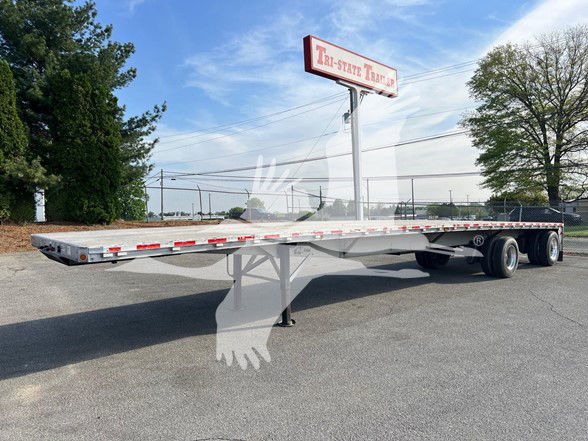
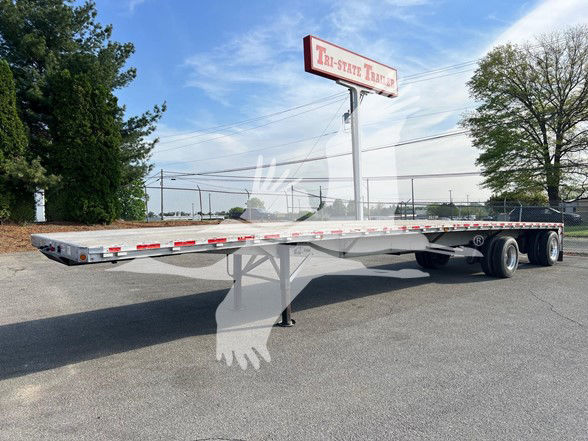
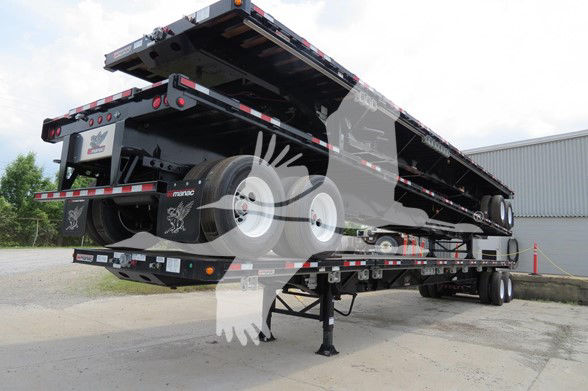
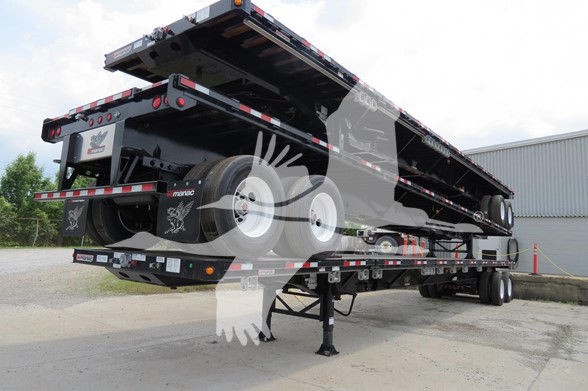
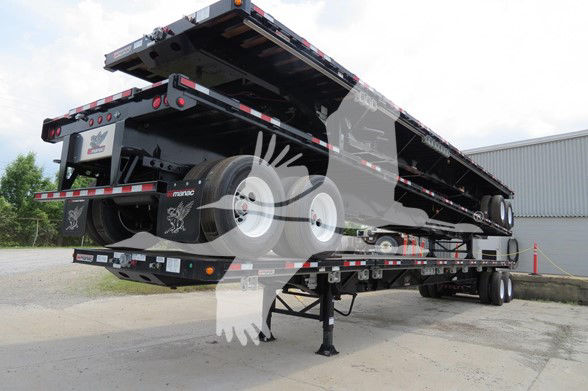
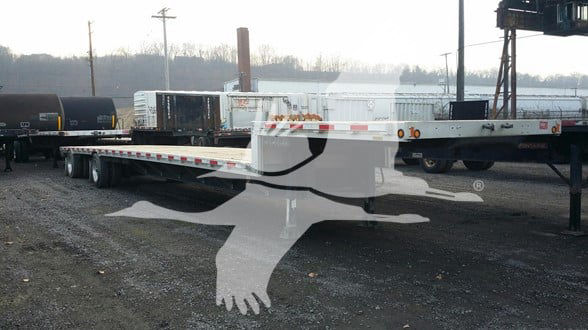
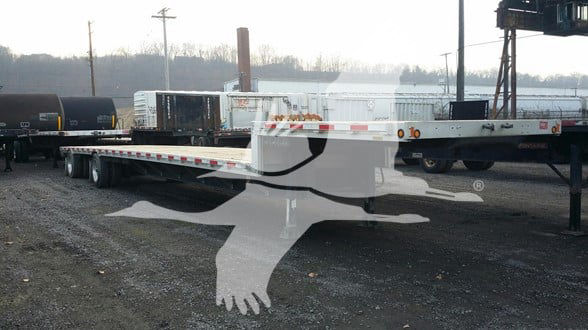
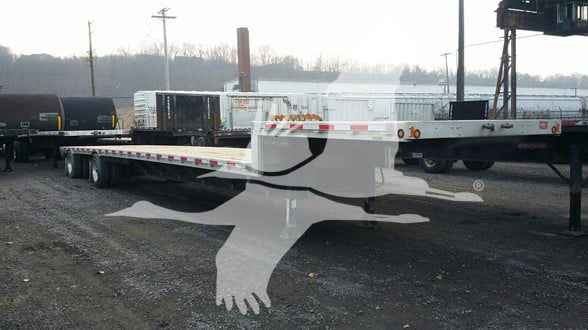
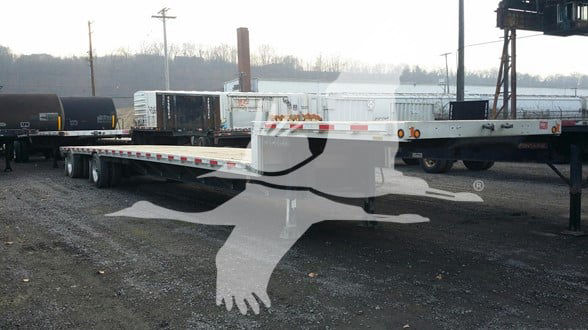
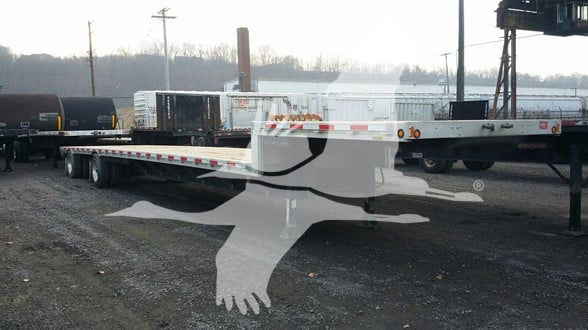
Flatbed trailers, also known as open-deck trailers, remain a strong choice for steel, machinery, building materials, palletized freight, and oversized loads that cannot be loaded through a rear door. Common specs include 48-foot and 53-foot lengths, 102-inch width, aluminum or combo construction, air-ride suspension, spread axles or sliding spread setups, integrated winch tracks, sliding winches, stake pockets, pipe spools, and nail strips or Apitong decking components. Buyers should pay close attention to tare weight, crossmember spacing, beam rating, and side rail design. Aluminum flatbeds help maximize payload, while combo trailers balance weight savings with durability in high-use fleets.
Reefer trailers are built for temperature-controlled freight and are commonly used for food, pharmaceuticals, and other time-sensitive loads. Key buying points include reefer unit brand and model, total engine hours, fuel tank size, insulation package, floor type, interior dimensions, and airflow equipment such as air chutes and return bulkheads. On used reefer trailers, door seals, duct floor condition, scuff liners, suspension wear, and tire inflation systems deserve a close inspection. In a four-season market like Pennsylvania, buyers also tend to look at corrosion resistance around the rear frame, threshold, and underride area, especially on trailers that have seen heavy winter road treatment.
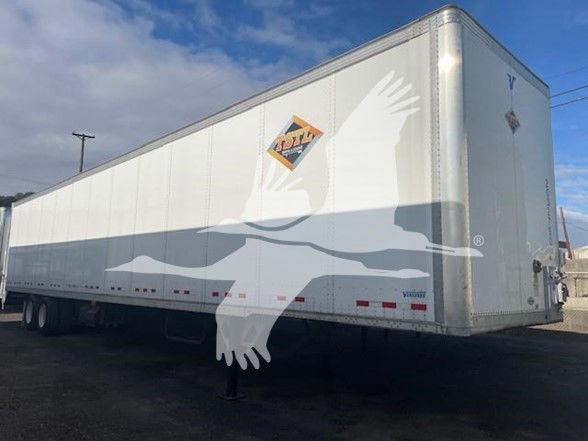
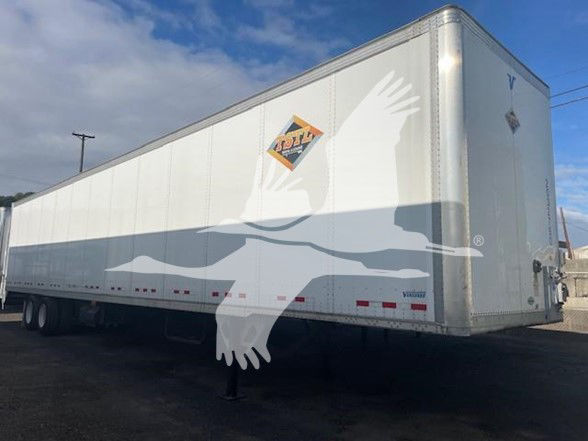
Across most trailer categories, the details that matter are axle placement, suspension type, wheel and tire package, landing gear, lighting, brake condition, and how the trailer is spec'd for the freight you actually haul. Sliding tandems improve versatility for bridge laws and dock positioning, while fixed or spread axle layouts can support weight distribution on specialized freight. Air-ride suspension is common for ride quality and cargo protection. Features like scuff liners, side skirts, dump valves, galvanized components, and tire inflation systems can reduce operating cost or improve service life depending on the lane. A good trailer spec is less about brand alone and more about matching deck length, structural rating, cargo securement, and maintenance requirements to the work.
Frequently Asked Questions about Trailers Near Pittsburgh, Pennsylvania
What trailer types are most common for freight in Pittsburgh, Pennsylvania?
The most common trailer types in the Pittsburgh market are flatbed, reefer, and dry van trailers, with specialty demand for lowboys, dumps, and equipment trailers depending on local construction, steel, and industrial freight. Flatbeds are popular for structural steel, machinery, and building products. Reefers are common in food and temperature-controlled distribution. The right category depends on commodity, loading method, route restrictions, and how often the trailer will run regional versus over-the-road lanes.
What should I look for when buying a flatbed trailer?
Focus on length, axle setup, tare weight, deck and floor construction, crossmember spacing, and cargo securement equipment. Buyers often compare aluminum flatbeds with combo flatbeds for payload versus durability. Spread axles and sliding rear axles affect weight distribution and legality, while integrated winch tracks, stake pockets, pipe spools, and nail strips matter for load securement flexibility. Beam rating and side rail condition are especially important if the trailer will carry steel, coils, or concentrated loads.
What are the most important specs on a reefer trailer?
The critical reefer specs are unit brand and model, engine hours, fuel capacity, insulation thickness, interior height, floor design, door opening dimensions, and suspension configuration. Airflow components such as an air chute and return bulkhead are important for maintaining consistent temperature through the load. Buyers should also check the condition of the duct floor, scuff liners, rear doors, seals, and any tire inflation system. Reefer trailer value is tied as much to the refrigeration unit and maintenance history as to the box itself.
Is a sliding tandem or spread axle better on a trailer?
It depends on the freight and the lanes. A sliding tandem gives more flexibility for bridge law compliance, fifth wheel adjustment, and dock approach, which is useful for general freight operations. A spread axle or sliding spread setup can improve weight distribution and stability for certain flatbed loads, but it may reduce maneuverability in tight yards and urban deliveries. Buyers should match axle configuration to their normal commodities, state weight rules, and turning conditions.
Are aluminum trailers better than steel trailers?
Aluminum trailers are lighter and usually allow more payload, which makes them common in flatbed and some van applications. Steel offers durability and can be advantageous in severe-duty work, but it adds tare weight. Many buyers choose combo construction to balance payload and structural strength. The better choice depends on revenue per pound hauled, corrosion exposure, repair practices, and how long the trailer is expected to stay in fleet service.