
Trailers For Sale Near Palos Hills, Illinois

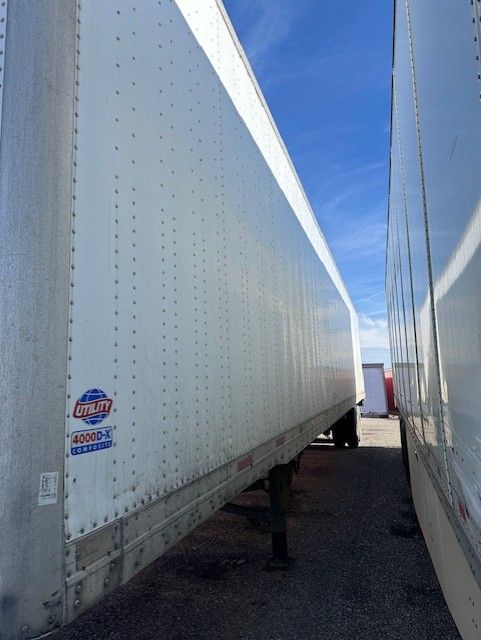

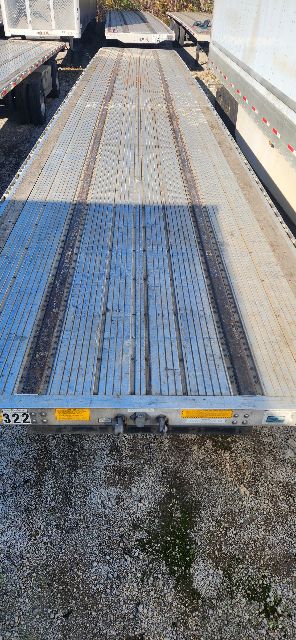
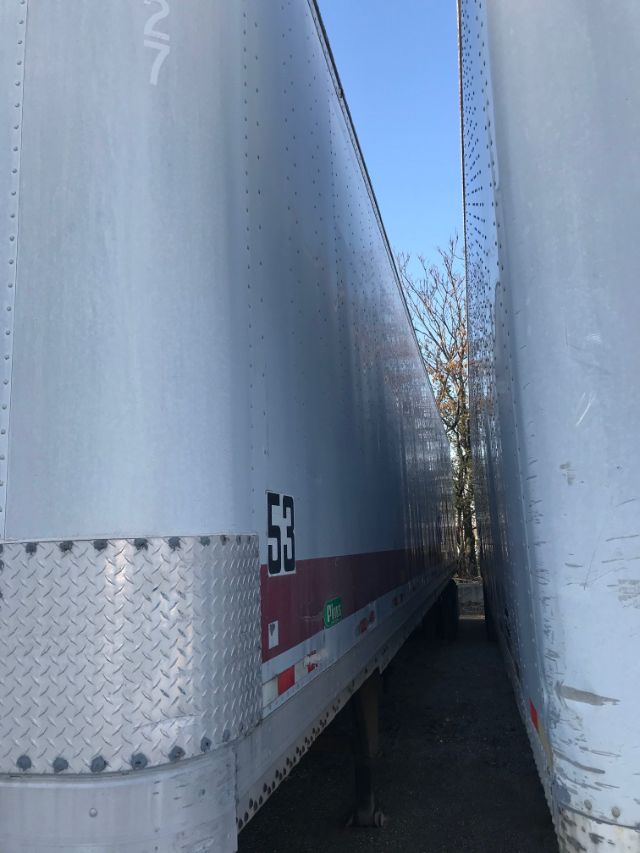
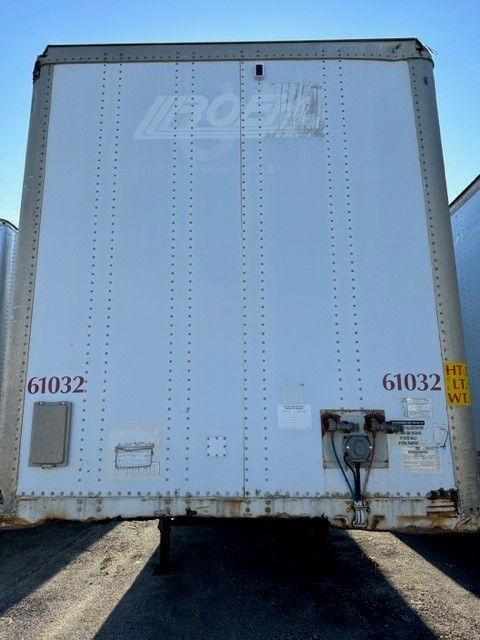
Showing 1 to 24 of 25 results
Have trailer to sell? List it here to reach thousands of buyers.
Trailers Near Palos Hills, Illinois
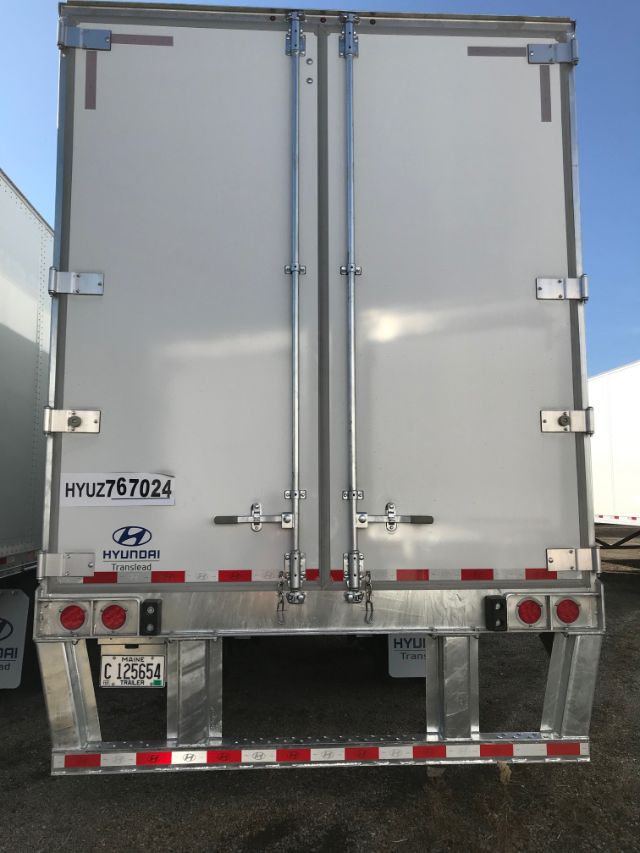
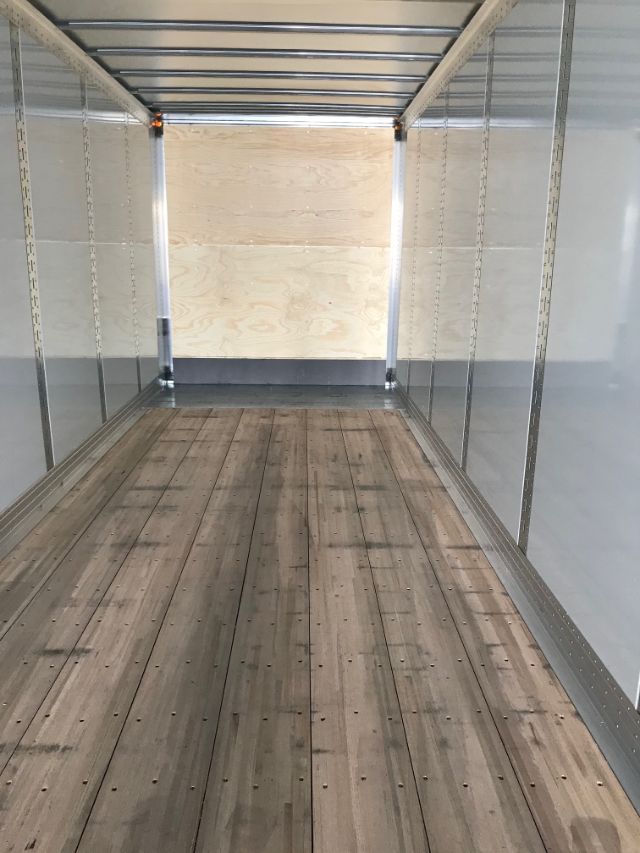
For van trailers, the details that affect uptime are usually practical ones. Plywood linings, scuff liners, threshold plates, and wood floors matter because they take abuse from forklifts and shifting freight. E-track can add flexibility for load securement, especially for mixed freight or partial loads. Roll-up doors are common in dock-heavy operations because they reduce swing clearance issues, while swing doors may offer a wider full opening and fewer moving parts. Air ride suspension is the standard choice for many fleets moving sensitive freight, and sliding tandems help with axle weight distribution and kingpin setting adjustments for different states and loading patterns.
Material choice also matters. Aluminum van trailers typically help reduce tare weight, while steel components in key wear areas can improve durability depending on the application. Tire inflation systems, side skirts, undertray storage, and low-profile 22.5 tires are common on later-model highway trailers aimed at fuel efficiency and lower operating cost. Disc wheels, roof condition, crossmember integrity, and signs of floor rot or rear frame repair deserve close inspection on used units. Buyers in Illinois and across the Midwest often prioritize clean underbodies, good brake and suspension condition, and components that can handle year-round weather, road salt, and heavy dock cycles.
If the listing category is simply trailers for sale, expect a mix of dry van, pup, and other freight trailer types depending on local demand. The right choice comes down to cubic capacity, legal payload, loading frequency, and how standardized the trailer needs to be with the rest of the fleet. A buyer running regional freight may focus on aerodynamics, tire system maintenance, and door durability, while a local operation may care more about shorter lengths, maneuverability, and repeated dock access. The best trailer is the one that matches the freight profile, maintenance plan, and revenue lane without adding unnecessary complexity.
Frequently Asked Questions about Trailers Near Palos Hills, Illinois
What should I inspect first on a used trailer?
Start with the structural and high-wear areas. Check the frame rails, crossmembers, floor condition, rear sill, roof, side panels, suspension, brakes, tires, and wheel ends. On van trailers, pay close attention to floor soft spots, scuff damage, door operation, and any signs of previous rear frame or landing gear repairs. Cosmetic condition matters less than structural integrity and whether the trailer can go to work without immediate shop time.
What is the most common size for a dry van trailer?
The most common dry van trailer size is 53 feet long and 102 inches wide. That configuration is standard for over-the-road freight because it balances cubic capacity, dock compatibility, and broad fleet interchangeability. Shorter trailers, including 28-foot pup trailers, are also common in city delivery, LTL, and tandem combinations where maneuverability and route flexibility matter more than maximum cube.
Are roll-up doors better than swing doors on a van trailer?
Roll-up doors are often preferred for frequent dock work because they do not require rear clearance to open, which helps in tight yards and urban docks. Swing doors can provide a cleaner full-width opening and may be simpler in some repair situations. The better choice depends on the operation. High-frequency dock loading often favors roll-up doors, while applications needing maximum rear access may lean toward swing doors.
Why do sliding tandems matter on a trailer?
Sliding tandems allow the axle group to move forward or rearward to help balance axle weights and meet state bridge and length regulations. They also affect trailer handling, tire wear, and how a unit fits different loading patterns. For fleets running multiple states or varied freight weights, sliding tandems add important flexibility that fixed tandem setups do not provide.
What features help reduce operating costs on highway trailers?
Later-model highway trailers often use features such as side skirts, lighter aluminum construction, tire inflation systems, and air ride suspension to improve efficiency and reduce downtime. Tire inflation systems can extend tire life and improve fuel economy when properly maintained. Weight-saving trailer specs can also increase legal payload, but buyers should balance tare weight savings against durability in their actual loading environment.