
Trailers For Sale in Ontario
Browse trailers for sale in Ontario including dry vans, reefers, utility trailers, and lowboys with specs that fit freight, hauling, and fleet needs.
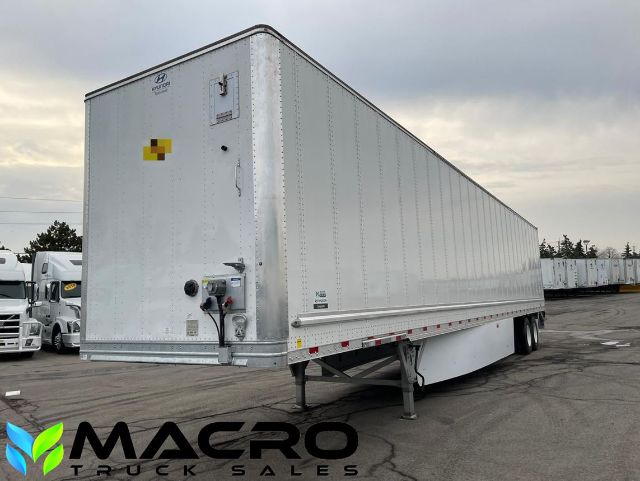
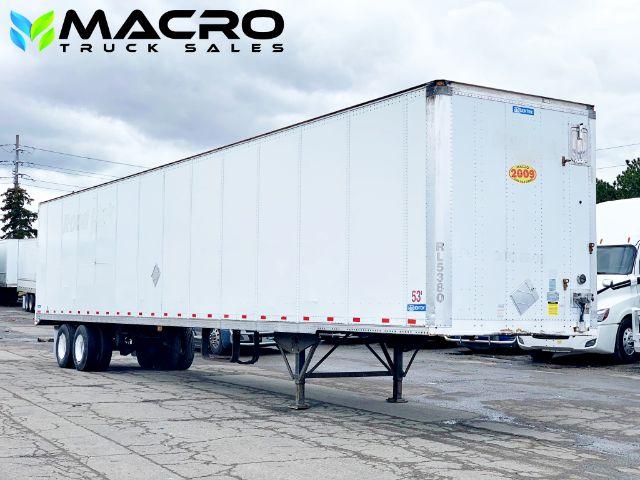
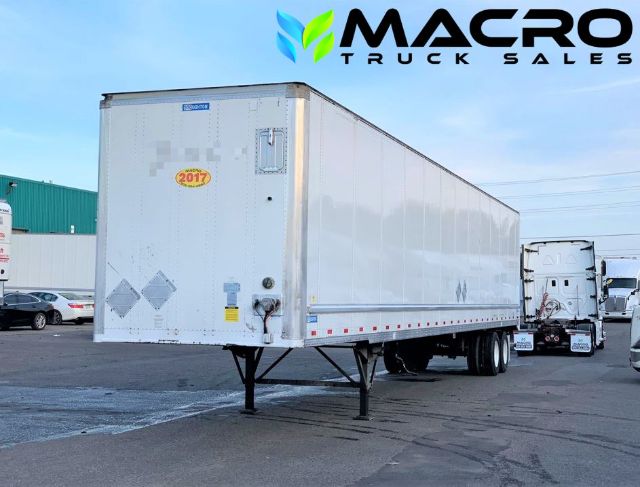
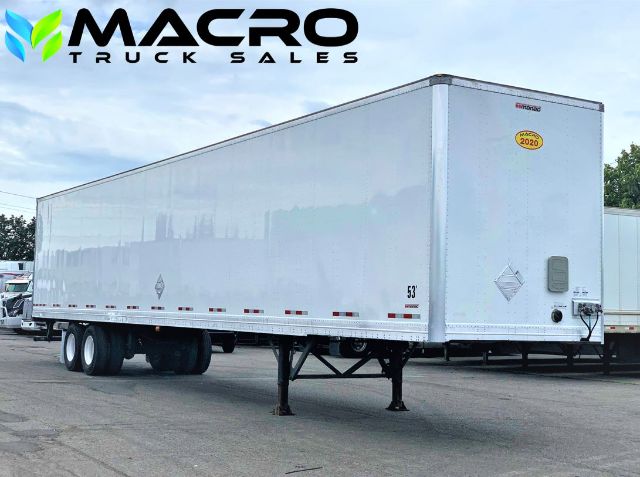
Selling a trailer? List your trailer for sale and reach thousands of commercial buyers.
Trailers in Ontario
Dry vans remain the most common over-the-road trailer in Ontario because they handle general freight, palletized consumer goods, and dock-to-dock distribution efficiently. Buyers often compare inside height, roof and wall construction, floor condition, roll-up versus swing doors, and cargo control equipment such as E-track, scuff liners, and logistics posts. Reefer trailers add insulation, duct flooring, and a refrigeration unit from suppliers like Thermo King or Carrier, so unit hours, CARB compliance, chute condition, door seal integrity, and overall box insulation matter as much as the base trailer itself. For fleets running food, pharma, or temperature-sensitive freight, reefer maintenance history and air circulation features can be just as important as trailer age.
For open-deck and specialized hauling, the key questions change quickly. Utility trailers and flatbed-type configurations are chosen for freight that cannot be loaded through a dock, while lowboy trailers are built for taller and heavier machines that need lower deck height and concentrated load support. On a lowboy, buyers should pay close attention to deck length, loaded deck height, axle count, detachable neck style, outriggers, concentrated load rating, and compatibility with flip axles or neck extensions. Heavy haul work in Ontario can also bring permit and route-planning considerations, so axle spacing, kingpin setting, and overall configuration should match the freight profile you expect to move.
Condition still drives value, but trailer spec drives long-term usefulness. A used trailer with the right suspension, floor, door setup, and cargo securement package will usually outperform a newer trailer that does not match the lane or commodity. Check for frame corrosion, crossmember condition, roof bow integrity, floor wear, suspension bushing wear, brake and tire condition, and signs of previous impact damage around the nose, rear frame, and door opening. Buyers comparing trailers for sale in Ontario should focus on how the trailer is built, how it has been maintained, and whether its dimensions and features line up with the freight they plan to haul every day.
Frequently Asked Questions about Trailers in Ontario
What types of trailers are most commonly used in Ontario?
The most common trailer types in Ontario are 53-foot dry vans, refrigerated trailers, flatbed or utility trailers, and specialized heavy haul trailers such as lowboys. Dry vans are used for general freight and retail distribution, reefers are used for food and other temperature-controlled loads, open-deck trailers handle freight that is loaded from the side or top, and lowboys are used for equipment and machinery that need lower deck height and higher load concentration capacity.
What should I look for when buying a used dry van or reefer trailer?
Start with structural condition and cargo area usability. On a dry van, buyers usually inspect the floor, sidewalls, roof, rear frame, door operation, scuff liners, and tandem slider condition. On a reefer, those same checks still matter, but the refrigeration unit, insulation performance, reefer hours, chute, duct floor, and door seals become critical. Tire inflation systems, air ride suspension, and well-maintained brakes can also reduce operating costs over time.
Is a sliding tandem important on a trailer in Ontario?
A sliding tandem is important for many operators because it helps balance axle weights, meet bridge and jurisdictional requirements, and improve loading flexibility. It can also make it easier to adapt the trailer for different commodities and customer loading patterns. Buyers should confirm the slider rails, pins, bushings, and air system are in good condition, because worn tandem components can create alignment, tire wear, and maintenance issues.
How do I choose between a dry van and a reefer trailer?
The choice depends on freight requirements, not just purchase price. A dry van is generally simpler and less expensive to maintain, making it a strong fit for non-perishable freight and standard dock freight. A reefer trailer is necessary when the load requires controlled temperature, frozen service, or added insulation. Buyers should account for reefer fuel use, unit maintenance, possible compliance requirements, and the importance of air flow management inside the trailer.
What matters most when buying a lowboy trailer?
The most important lowboy considerations are capacity, deck height, axle setup, and detachable neck configuration. Buyers should also review deck length, loaded ground clearance, concentrated load rating, outriggers, ramp arrangement, and compatibility with flip axles or extensions if the trailer will handle different machines. For heavy equipment hauling, those specs affect legal routing, loading safety, and how broadly the trailer can be used across different jobs.