
Van Trailers For Sale in Ontario
Browse van trailers for sale in Ontario, including dry vans with common 53-ft specs, air ride, roll-up or swing doors, and logistics-ready interiors.
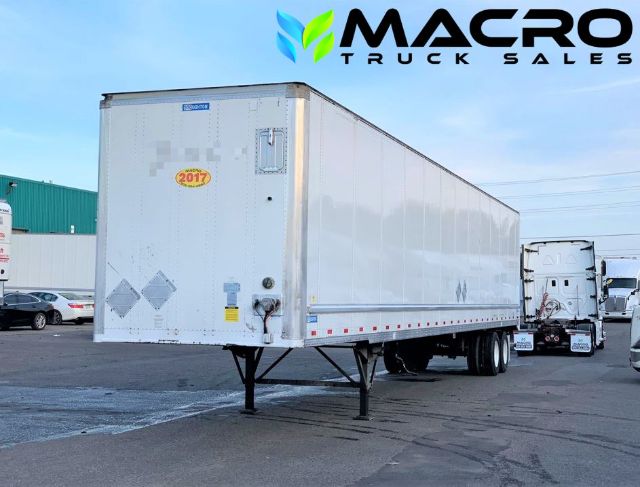
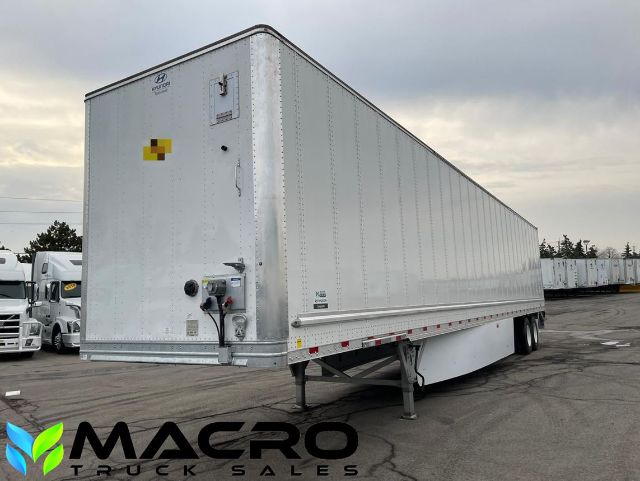
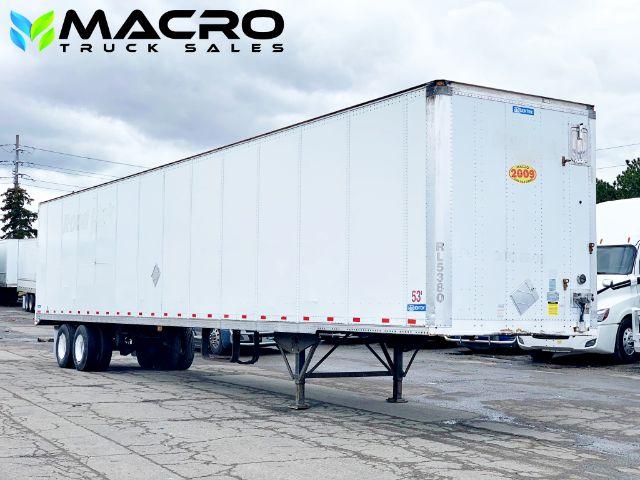
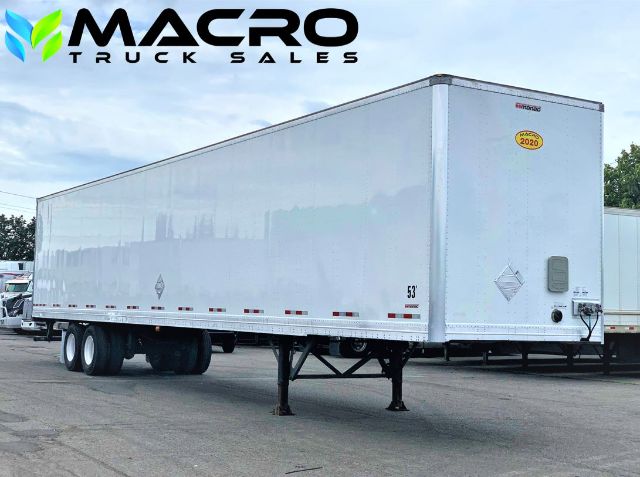
Have van trailer to sell? List it here to reach thousands of buyers.
Van Trailers in Ontario
The biggest spec decisions usually come down to trailer length, axle configuration, suspension, and interior logistics package. A 53-foot sliding tandem dry van gives the most flexibility for dock work, bridge laws, and fleet freight, while shorter 28-foot pups are common for LTL, doubles service, and tighter urban turns. Air ride suspension is preferred for higher-value or damage-sensitive freight, while spring ride can still make sense on lighter-duty or lower-cost applications. Inside the box, buyers should look closely at floor type and wall protection. Hardwood floors, threshold plates, scuff liners, plywood lining, logistics posts, and E-track all affect how well the trailer handles repeated forklift traffic and load securement. Door style matters too. Roll-up doors are common in multi-stop work because they save rear clearance at docks, while swing doors can offer a wider, cleaner rear opening and fewer maintenance issues when used in the right application.
Construction details tell you a lot about long-term durability and tare weight. Many van trailers use aluminum roofs and mixed aluminum-steel construction to balance corrosion resistance, repairability, and payload. Galvanized rear frames, anti-snag roof bows, lined noses, undertray systems, and side skirts are all common features on newer highway-spec units. Sliding tandems remain the dominant setup, but fixed axle and single axle vans still appear in regional and specialized work. In Ontario, buyers should also pay attention to tire size, brake type, wheel material, kingpin setting, and crossmember spacing, especially if the trailer will see heavy forklift loading, frequent winter operation, or cross-border service. Tire inflation systems, disc brakes, and aerodynamic packages can improve uptime and operating efficiency, but they need to be weighed against purchase price and maintenance priorities.
Condition matters as much as base specification on a used van trailer. Check roof condition, front wall integrity, floor wear around forklift paths, rear frame corrosion, door alignment, suspension bushing wear, and signs of prior impact around the nose and threshold. Review inside width, door opening dimensions, and lining type if the freight includes wide skids or high cube loads. A van trailer that looks similar on paper can perform very differently depending on floor remaining life, tandem slide condition, brake history, and how well the interior was protected from freight abuse. The best choice is usually the trailer that matches your freight profile, loading method, and maintenance standards, not just the newest unit or lowest advertised price.
Frequently Asked Questions about Van Trailers in Ontario
What is the difference between a van trailer and a dry van trailer?
In most trucking and trailer listings, van trailer and dry van trailer mean the same thing. Both refer to an enclosed semi-trailer designed to haul dry freight protected from weather and road debris. These trailers are different from refrigerated trailers, flatbeds, and curtain-side trailers because they are built for non-temperature-controlled cargo loaded through the rear doors and secured inside the trailer body.
What size van trailer is most common in Ontario?
The most common van trailer in Ontario is a 53-foot tandem axle dry van that is 102 inches wide and about 13 feet 6 inches in overall height. This configuration works well for highway freight, dock loading, and standard palletized shipments. Shorter 28-foot van trailers are also common in LTL and doubles applications, but the 53-foot model remains the standard for general freight and fleet use.
Should I choose roll-up doors or swing doors on a van trailer?
Roll-up doors are popular for urban and multi-stop operations because they do not require rear swing clearance and are convenient at tight docks. Swing doors usually provide a more open rear entrance and can be simpler to maintain in some applications, especially where maximum opening width matters. The right choice depends on your loading environment, dock space, and how often the trailer is opened throughout the day.
What should I inspect first on a used van trailer?
Start with the floor, roof, rear frame, door assembly, and suspension. Floor condition is critical because repeated forklift traffic can weaken boards and crossmember support. The roof and front wall should be checked for leaks or impact damage, and the rear frame should be examined for corrosion, dock damage, and alignment issues. Buyers should also inspect tandem slide operation, brake condition, tires, bushings, and interior wall protection because those items directly affect safety, maintenance cost, and service life.
Are air ride van trailers better than spring ride models?
Air ride van trailers are generally preferred for fragile, high-value, or damage-sensitive freight because they deliver a smoother ride and often better cargo protection. Spring ride trailers can still be a practical option when purchase cost is a bigger concern or when the application is less sensitive to ride quality. The decision should be based on freight type, expected annual mileage, maintenance approach, and the value of reducing cargo claims over time.