
Trailers For Sale Near Odessa, Texas
Have trailer to sell? List it here to reach thousands of buyers.
Trailers Near Odessa, Texas
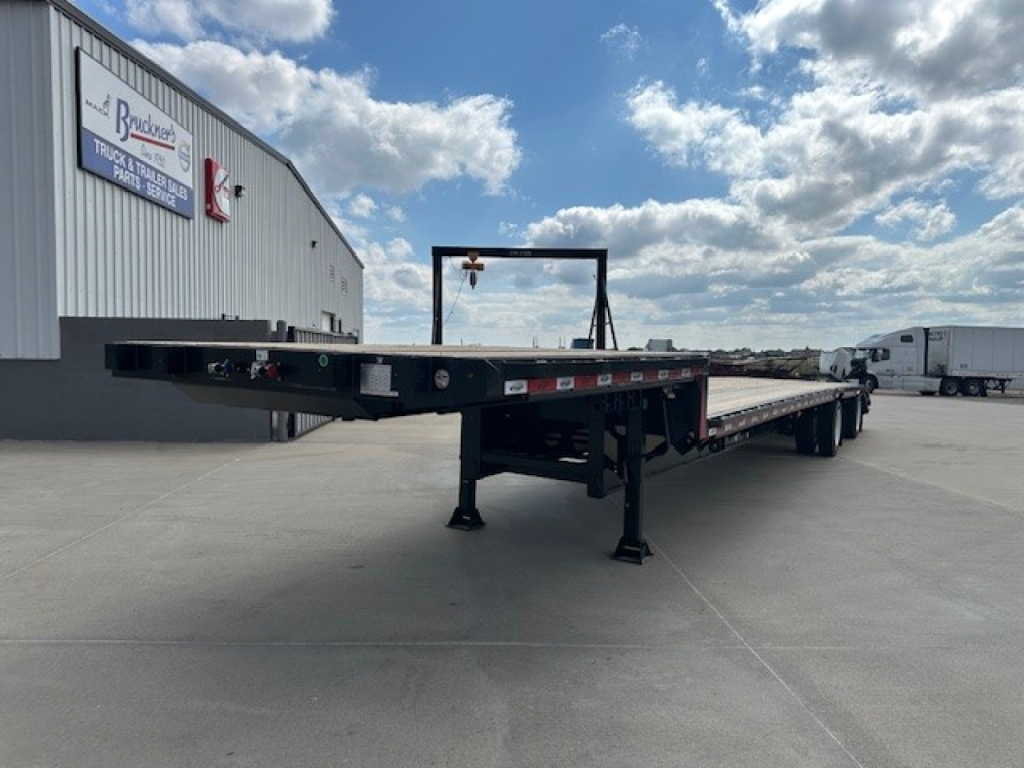
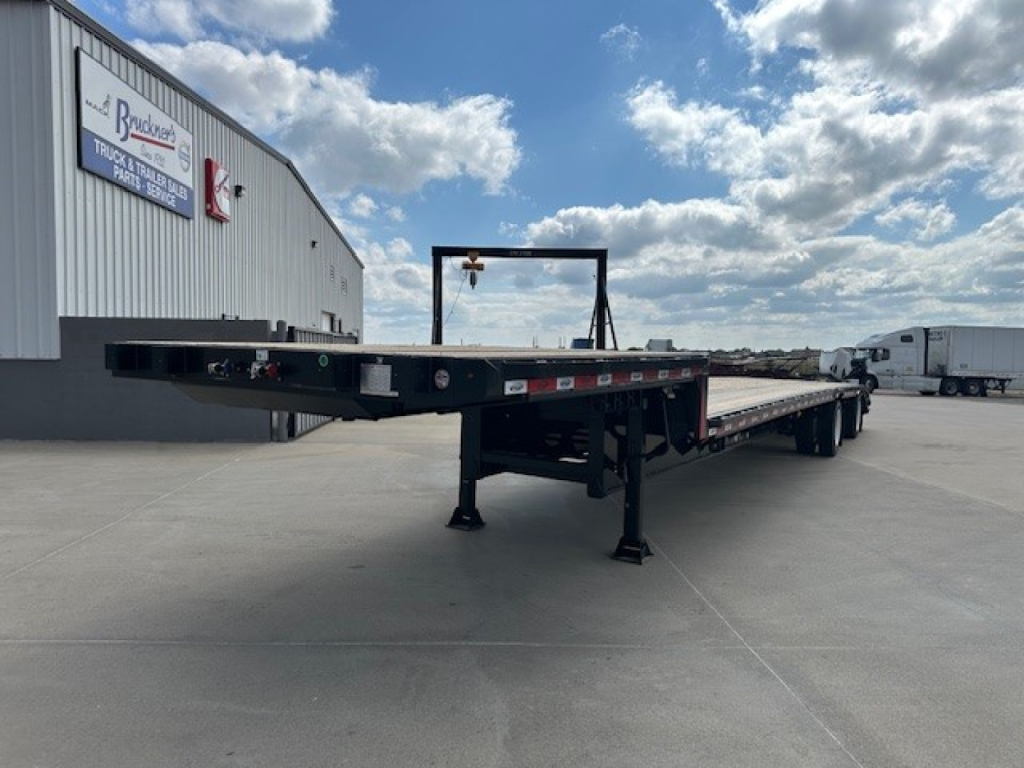
Flatbed and drop deck trailers are often chosen for freight flexibility. A standard flatbed, also known as a flatbed trailer, is built for pallets, steel, pipe, machinery, and bundled freight that can be loaded from the side or overhead. Combo construction helps reduce tare weight, while steel models usually prioritize durability in rough service. Common specs include 48-foot by 102-inch dimensions, sliding winches, coil packages, bulkheads, forklift kits, air ride sliding tandems, and 12-inch on-center crossmembers. Drop deck trailers, also called step deck trailers, add lower deck height for taller loads that would exceed legal height on a flatbed. Buyers should pay close attention to upper deck length, lower deck length, kingpin setting, deck material such as apitong, side rail strength, and whether a lift axle or fourth-axle prep is needed for heavier permitted loads.
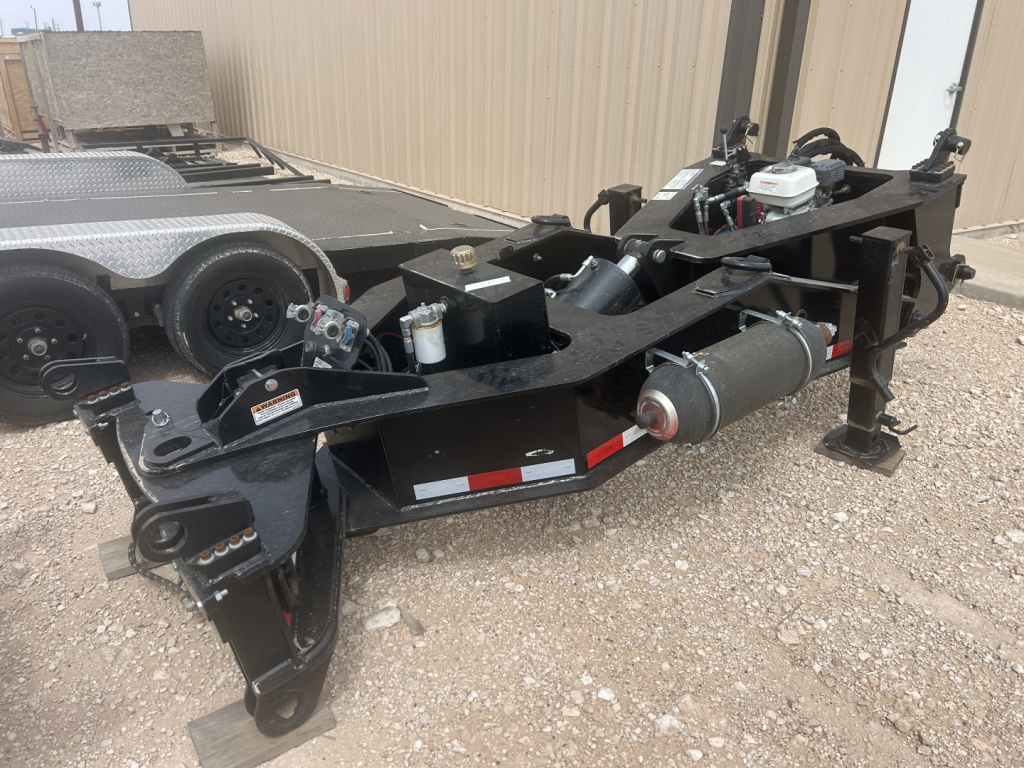
Lowboy trailers are built for concentrated weight and high-capacity equipment hauling. For this category, loaded deck height, gooseneck design, axle capacity, and frame reinforcement matter more than cosmetic features. Heavy equipment buyers often compare removable gooseneck versus fixed neck layouts, deck length, bucket well, boom trough, flip ramps, and hydraulic power units. A 55-ton or 60-ton lowboy can be configured very differently depending on whether it is hauling excavators, dozers, cranes, or other oversized machines. Lift axles, axle spacing, wheel cover design, and suspension choice all affect bridge compliance, maneuverability, and service access. In West Texas, a lowboy that spends time on lease roads or unimproved surfaces benefits from heavy-duty crossmembers, strong flange reinforcement, protected lighting, and practical tool storage.
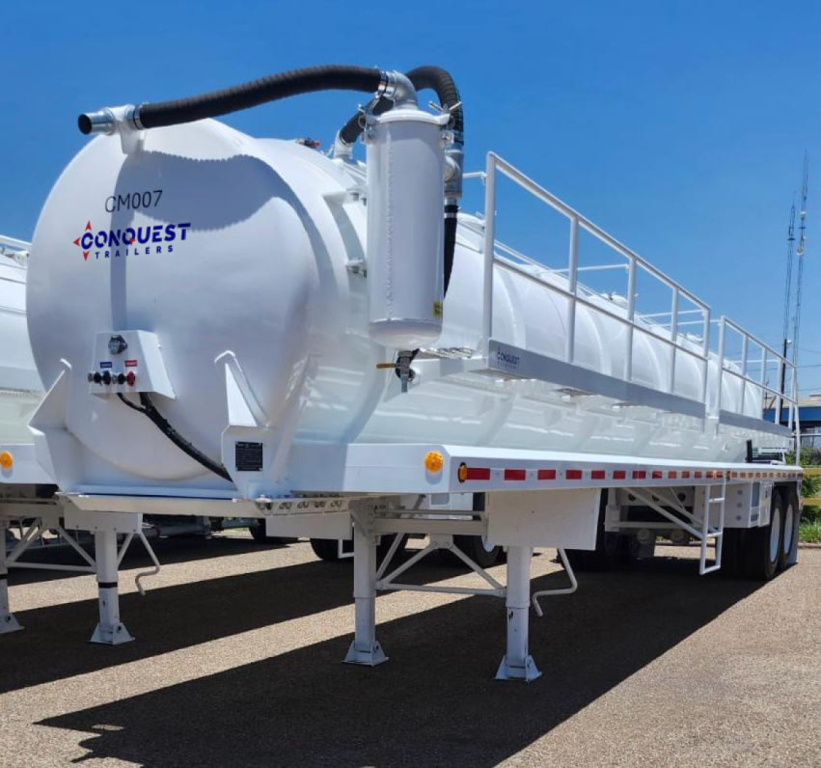
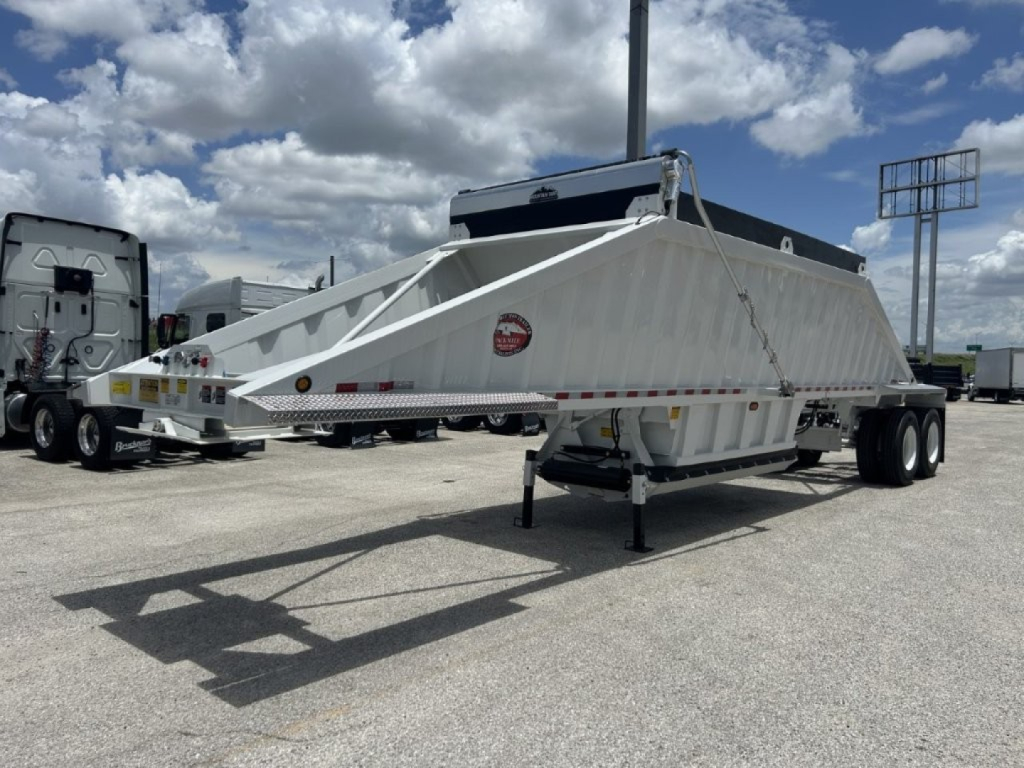
Vacuum tank trailers and other specialty trailers are more application-specific, and spec discipline is critical. On vacuum units, buyers usually focus on barrel capacity, code or non-code construction, lining, sight glasses, walkways, suspension, tire size, and intended product. A non-code vacuum tank trailer may fit certain oilfield and waste-handling jobs, but the buyer still needs to confirm regulatory compatibility for the commodity and route. Across all trailer types, practical ownership costs come down to brake condition, tire size commonality, wheel material, parts support, and how easy the trailer is to scale, service, and permit. A trailer that is correctly spec'd for the load mix, legal limits, and loading method will usually outperform a cheaper unit that only looks right on paper.
Frequently Asked Questions about Trailers Near Odessa, Texas
What trailer type is best for hauling equipment versus general freight?
General freight usually points buyers toward a flatbed or drop deck trailer, depending on load height. Equipment hauling typically requires a lowboy when the machine is heavy, tall, or has concentrated axle weights. Flatbeds work well for palletized freight, steel, and pipe. Drop decks are preferred when lower deck height is needed to stay legal on taller cargo. Lowboys are the better choice for excavators, dozers, and other machines that need a lower loaded center of gravity and higher capacity frame and axle ratings.
What should I look at first on a used trailer?
Start with structural condition and legal capacity, not paint. Check the frame, crossmembers, suspension mounts, axle alignment, brakes, tires, wheel ends, and deck or barrel condition. On flatbeds and drop decks, inspect the decking, side rails, winch track, and any cracks or repairs around concentrated stress points. On lowboys, inspect the gooseneck, main beams, bucket well, ramps, and hydraulic components. On tank trailers, inspect the shell, lining, plumbing, sight glasses, and walkway structure. Service records and evidence of proper maintenance are often more valuable than cosmetic appearance.
How important are axle configuration and lift axles on a trailer?
Axle configuration directly affects payload distribution, bridge compliance, maneuverability, and tire wear. Tandem axles are common for general freight, while tri-axle and lift-axle setups are often used when higher GVWR or permit flexibility is needed. A lift axle can help carry heavier loads when deployed and reduce scrub and wear when the trailer is empty or lightly loaded. Buyers should make sure the axle spacing, suspension rating, and intended operating states match the loads they plan to haul and the roads they run most often.
Is air ride always better than spring suspension on a trailer?
Air ride is often preferred for freight protection, ride quality, and adjustability, especially on flatbeds, drop decks, and many heavy-haul applications. It can reduce shock to the cargo and trailer structure and may improve handling over rough roads. Spring suspension is simpler and can be a practical choice on certain vocational or tank applications where durability and lower complexity are priorities. The right choice depends on cargo sensitivity, maintenance preferences, road conditions, and how the trailer is loaded and unloaded.
Why do deck height and kingpin setting matter so much on heavy-haul trailers?
Deck height affects legal load height, loading angle, and center of gravity. A lower loaded deck height can make the difference between a straightforward move and a permitted move with route restrictions. Kingpin setting affects weight transfer to the tractor, turning clearance, and bridge distribution. On heavy-haul and drop deck trailers, these dimensions are critical because they determine how well the trailer balances the load, clears the tractor, and fits the regulatory limits for the states where it operates.