
Trailers For Sale in North Carolina
Browse trailers for sale in North Carolina, including dry vans, reefers, tank trailers, and flatbeds with specs that fit regional freight needs.
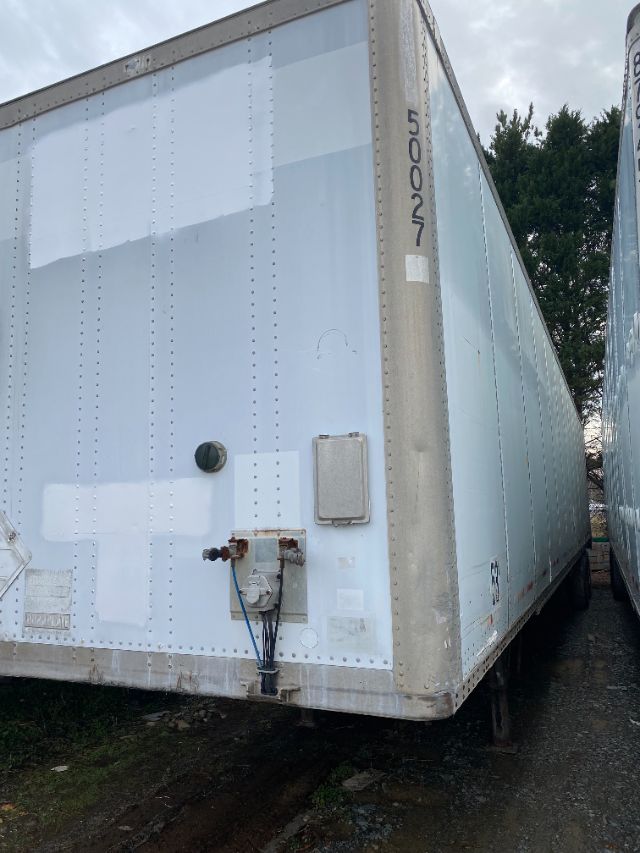
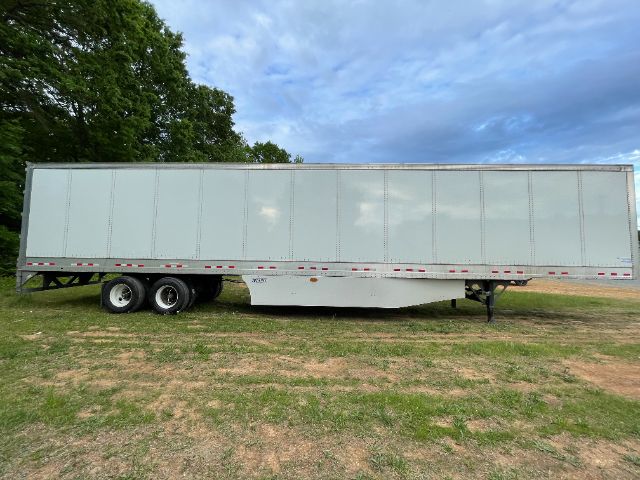

Selling a trailer? List your trailer for sale and reach thousands of commercial buyers.
Trailers in North Carolina
Reefer trailers are common in North Carolina due to the state’s strong food, grocery, produce, poultry, and pharmaceutical distribution activity. On this type of trailer, the refrigeration unit, duct floor design, insulated body construction, door seal condition, and hours on the unit deserve as much attention as the trailer itself. Features such as air ride suspension, sliding tandems, stainless front radius panels, cold chutes, and heavy-duty duct floors can make a real difference in temperature consistency and long-term maintenance costs. Buyers running regional refrigerated lanes should also check unit service history, bulkhead condition, and whether the trailer is set up for multi-stop delivery or dock-to-dock haul.
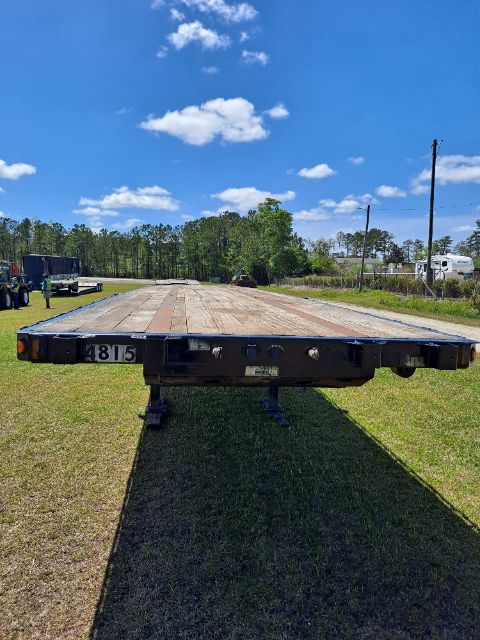
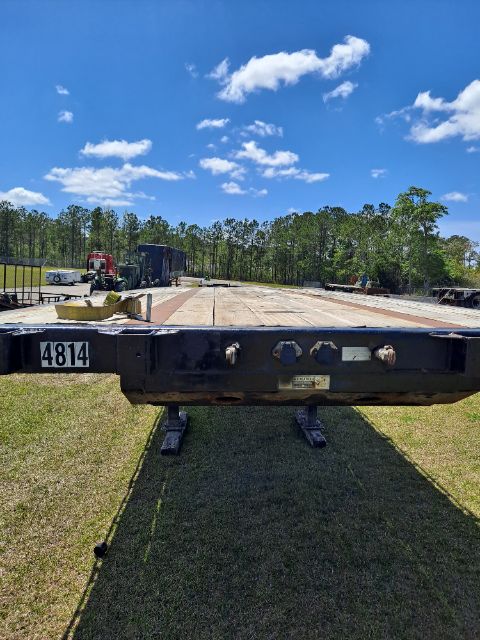
Flatbed trailers and tank trailers serve very different jobs, but both require spec decisions that should match the freight exactly. Flatbeds are a straightforward fit for construction materials, machinery, steel, and palletized loads that need open-deck access. Important points include deck length, concentrated load rating, flooring material, tie-down provisions, and overall frame condition. Tank trailers, including DOT 407 chemical and food-grade configurations, require much tighter attention to barrel material, compartment count, discharge location, insulation, pressure rating, piping, and heating systems such as steam or in-transit heat. Stainless barrels, vapor recovery, hose tubes, and air-off capability are common considerations when the trailer is used for chemical service or specialty liquid hauling.
Used trailers in North Carolina often cycle through port freight, regional distribution, agricultural service, and long-haul operations, so condition can vary widely even within the same model family. Tire size, brake wear, wheel type, roof construction, frame corrosion, and rear frame damage are basic checkpoints, but buyers should also evaluate maintenance records, prior application, and how the trailer was loaded over time. A van trailer with good interior lining and straight posts may be a better value than a newer trailer with forklift damage, and a tanker with the right spec sheet and documented testing can matter more than model year alone. The right trailer is the one that matches freight, route, dock environment, and compliance requirements without adding unnecessary empty weight or service complexity.
Frequently Asked Questions about Trailers in North Carolina
What types of trailers are most commonly sold in North Carolina?
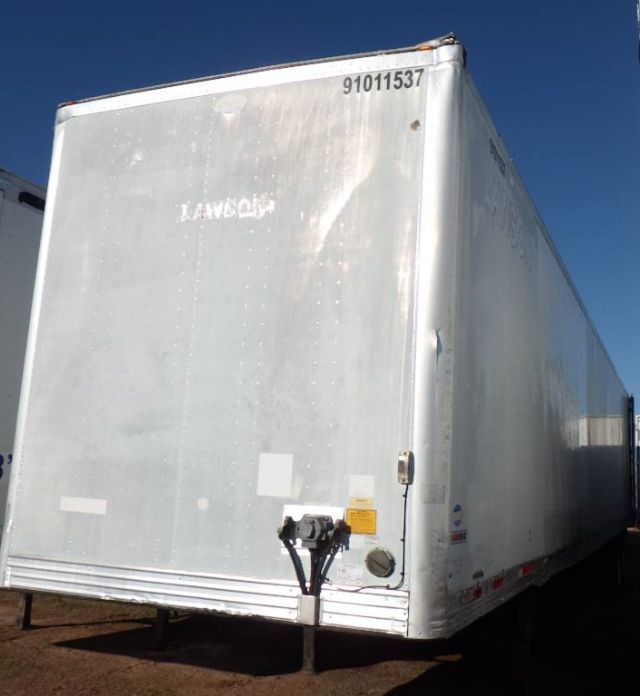
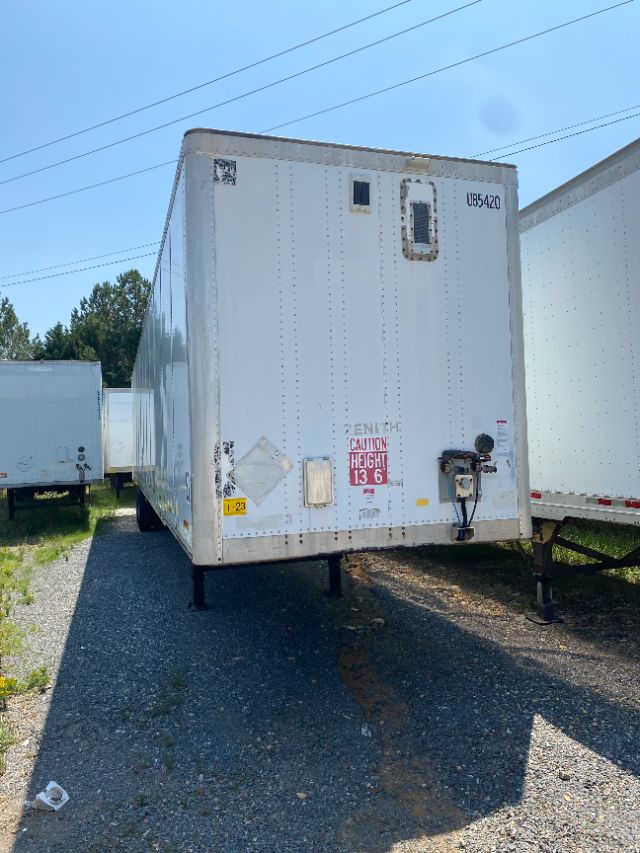
The most common trailer categories in North Carolina are dry van trailers, reefer trailers, flatbed trailers, and tank trailers. Dry vans are widely used for general freight and retail distribution. Reefers are in steady demand because of food, grocery, poultry, and temperature-controlled freight. Flatbeds are common in construction, industrial, and equipment hauling, while tank trailers support chemical, petroleum, and liquid food service depending on the spec.
What should I check first on a used trailer?
Start with the trailer’s prior application, structural condition, and running gear. Check the frame, crossmembers, suspension, brakes, tires, wheels, floor, roof, and rear door area for damage or uneven wear. On vans and reefers, inspect scuff liners, logistics posts, thresholds, and interior wall condition for forklift impact. On tank trailers, confirm the barrel material, test records, discharge setup, and any pressure or heating equipment. A clean spec sheet and service history often tell more than appearance alone.
How do I choose between a dry van and a reefer trailer?
A dry van is the better fit for general non-temperature-sensitive freight and usually has lower maintenance costs because it does not carry refrigeration equipment. A reefer is necessary when freight requires controlled temperatures, frozen transport, or added insulation from ambient conditions. Buyers should account for fuel use, refrigeration unit service, operating hours, duct floor condition, and cargo type before deciding. If temperature control is not a requirement, a dry van is usually the simpler and less expensive trailer to run.
What specs matter most on a flatbed trailer?
The most important flatbed specs are deck length, axle configuration, flooring type, frame condition, and securement options. Buyers should also consider the trailer’s weight rating, winch track or tie-down setup, and how the deck handles concentrated loads such as machinery or steel. A flatbed used for building materials may not need the same deck strength or accessory setup as one hauling heavy equipment. Matching the trailer to load profile and securement method is more important than shopping by length alone.
What is important when buying a tank trailer?
Tank trailer buyers need to verify the exact service the trailer was built for and the current compliance status. Key items include DOT specification, barrel construction material such as 316 stainless steel, compartment layout, insulation, discharge type, manholes, pressure equipment, and any heating or vapor recovery systems. It is also important to review test and inspection documentation, especially if the trailer will return to regulated chemical or hazardous service. Tank trailers are highly application-specific, so small spec differences can determine whether the trailer fits the intended product.