
Van Trailers For Sale in North Carolina
Shop van trailers for sale in North Carolina. Compare 53-foot dry vans with air ride, logistics posts, swing doors, composite walls, and more.
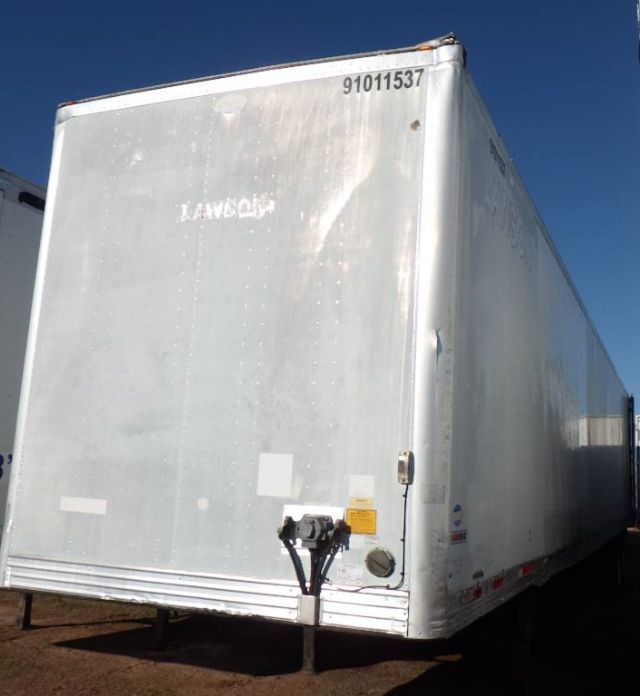
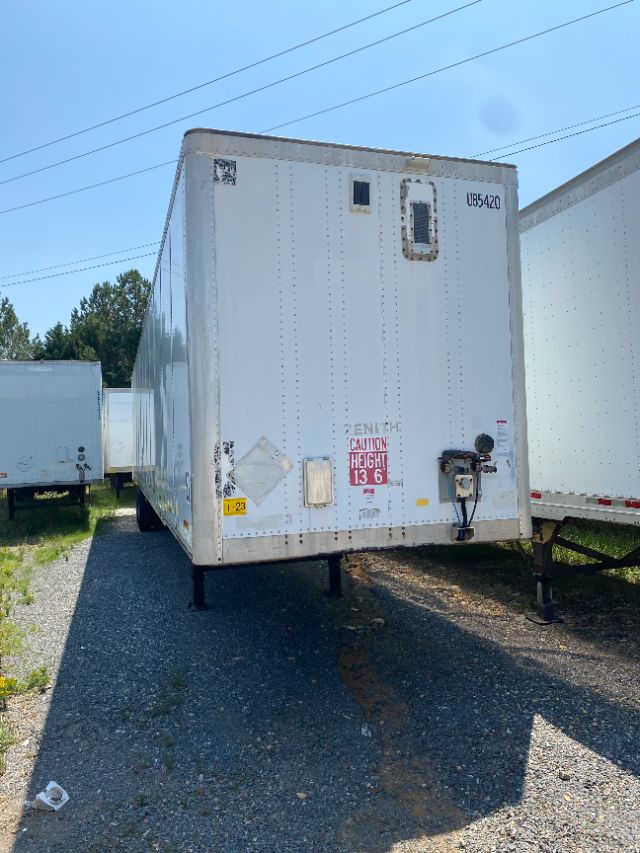
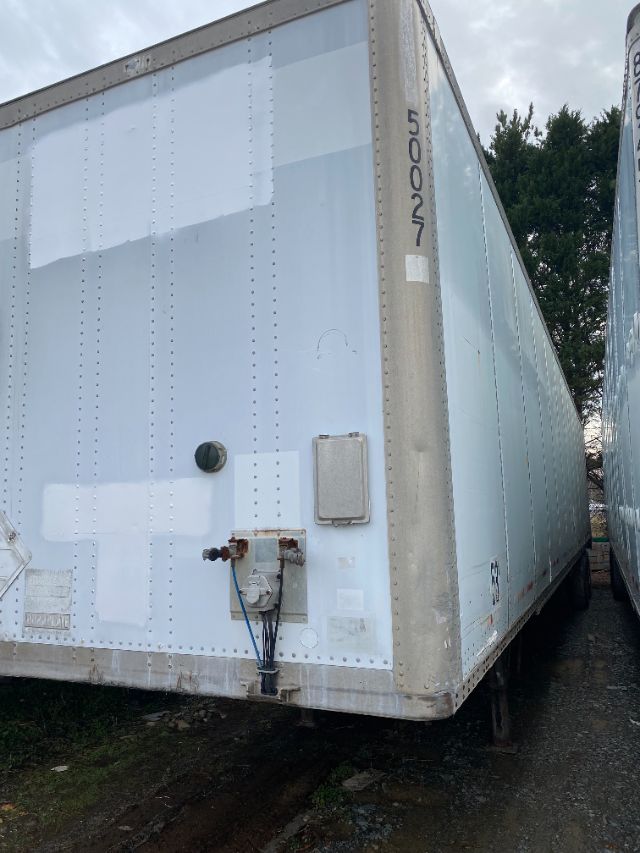
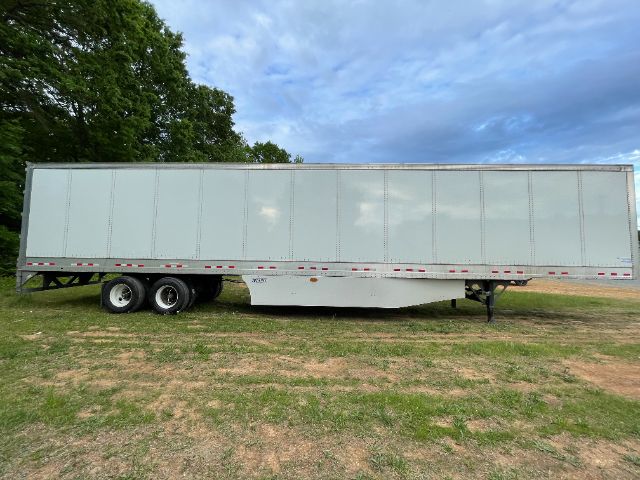
Have van trailer to sell? List it here to reach thousands of buyers.
Van Trailers in North Carolina
For most buyers, wall construction, suspension, and cargo-control layout matter more than brand decals. Composite and plate-style sidewalls are common because they balance durability, weight, and repairability. Many dry vans are equipped with logistics posts on 16-inch centers, scuff liners, threshold plates, and wood floors, which makes them better suited for mixed freight and repeated forklift loading. Swing doors remain popular because they are simple, durable, and easy to service, while inside lining, galvanized or stainless rear frame components, and aluminum roofs can add longevity in demanding fleet use. Tire inflation systems, side skirts, and disc wheel setups also show up on newer trailers aimed at lowering operating cost and improving road performance.
Suspension and running gear should match the job. Air ride is common on fleet dry vans because it helps protect sensitive freight and is widely accepted in premium freight applications, while spring ride can still make sense for buyers prioritizing simplicity and lower acquisition cost. Sliding tandem configurations give flexibility for bridge laws and axle spacing, and kingpin settings, usually around the standard fleet range, affect how the trailer fits your tractors and load distribution needs. Buyers should also inspect crossmember spacing, floor condition, door frame integrity, roof bows, and signs of sidewall delamination or forklift damage, especially on older high-cycle units.
A good van trailer is defined by how well it matches your freight and loading environment. Food-grade and clean-dry applications may require a better interior lining and straighter wall condition, while heavy beverage, packaging, and distribution work may call for stronger floors, good scuff protection, and proven suspension components from suppliers like Hendrickson. If the trailer will spend time in dense dock networks or regional drop-and-hook service, details like door seal condition, brake life, tire condition, and current inspection status can matter just as much as age. For many operations, the best value is not simply the newest trailer, but the one with the right cube, cargo securement features, and maintenance history for the lane.
Frequently Asked Questions about Van Trailers in North Carolina
What is the most common size for a van trailer?
The most common dry van trailer spec is 53 feet long and 102 inches wide with a 13-foot 6-inch overall height. That configuration is widely used because it maximizes legal cargo space for palletized freight and works well across standard dock systems, warehouse lanes, and over-the-road operations. Some buyers also pay attention to inside height, especially when hauling high-cube freight or trying to optimize pallet count.
What should I inspect first on a used van trailer?
Start with the floor, sidewalls, roof, rear frame, suspension, brakes, tires, and door operation. Wood floors should be checked for rot, soft spots, excessive forklift wear, and patched areas. Composite or plate walls should be inspected for punctures, delamination, and interior damage around logistics posts and scuff liners. It is also important to look at tandem slide function, crossmembers, air system leaks, and overall alignment because these items directly affect service life and operating cost.
Is air ride or spring ride better on a van trailer?
Air ride is usually preferred for general freight because it helps reduce shock to cargo and is common in fleet applications that haul retail, packaged goods, and other damage-sensitive loads. Spring ride can still be a solid choice for buyers who want a simpler suspension with fewer air components to maintain. The better option depends on the freight mix, route quality, customer requirements, and how much emphasis is placed on ride quality versus upfront cost.
Why do logistics posts and scuff liners matter on a dry van?
Logistics posts allow flexible cargo securement using load bars, straps, and decking systems, which is important when hauling mixed freight with varying pallet counts and weight distribution. Scuff liners protect the lower interior walls from forklift and pallet contact during loading and unloading. Together, these features improve cargo control, reduce interior damage, and help preserve the trailer for high-cycle dock use.
Are swing doors better than roll-up doors on van trailers?
Swing doors are the more common choice on over-the-road van trailers because they provide a full rear opening, are generally lighter than roll-up systems, and tend to be easier to maintain over time. Roll-up doors can be useful in some urban or specialized applications where rear clearance is limited, but they can reduce usable interior height and introduce more moving parts. For standard dock freight and long-haul service, swing doors are typically the preferred setup.