
New Trailers For Sale in Indiana
Shop new trailers for sale in Indiana, including dry van trailers with tandem axles, air ride suspension, sliding tandems, and logistics-ready specs.
Learn more
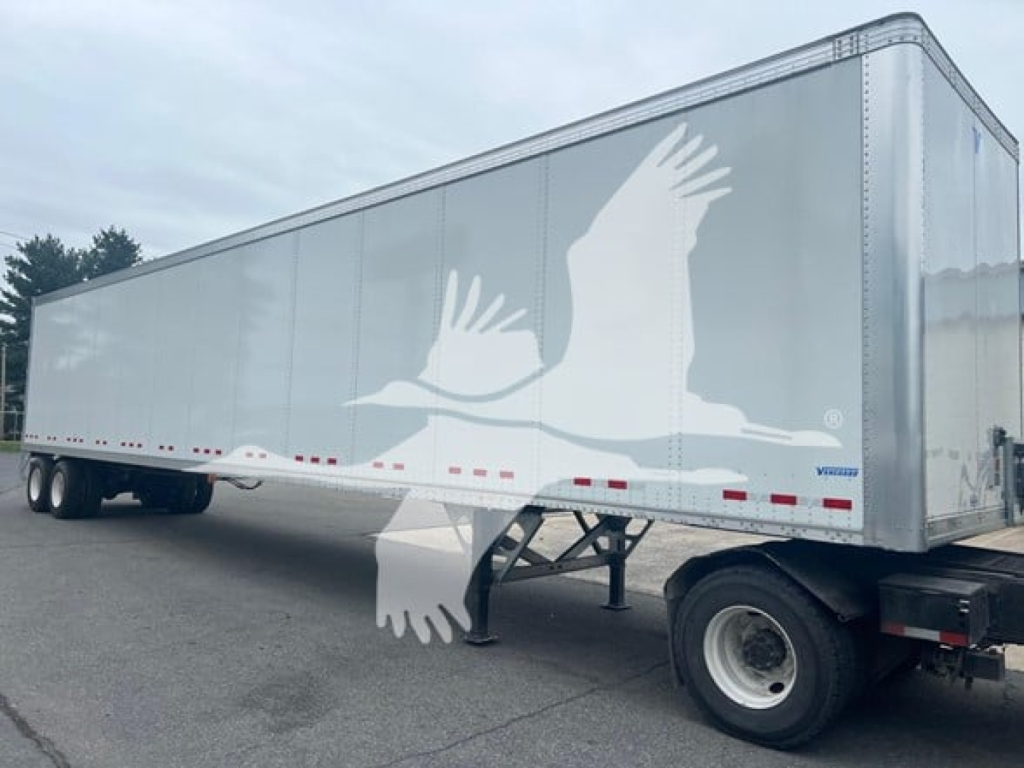
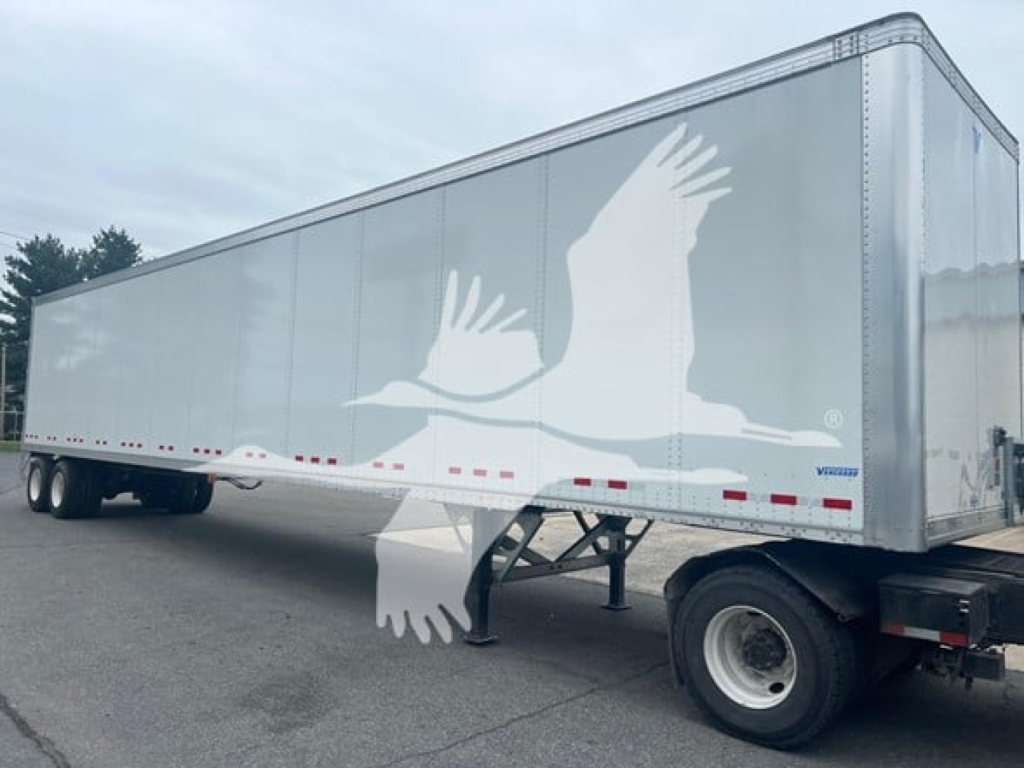
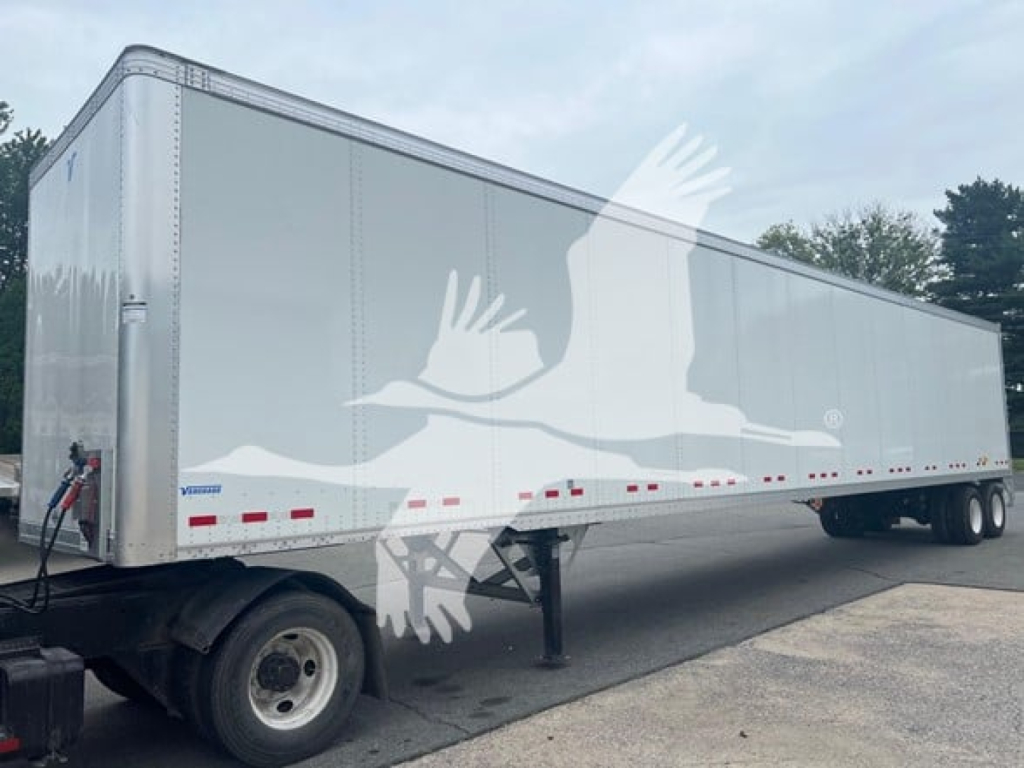
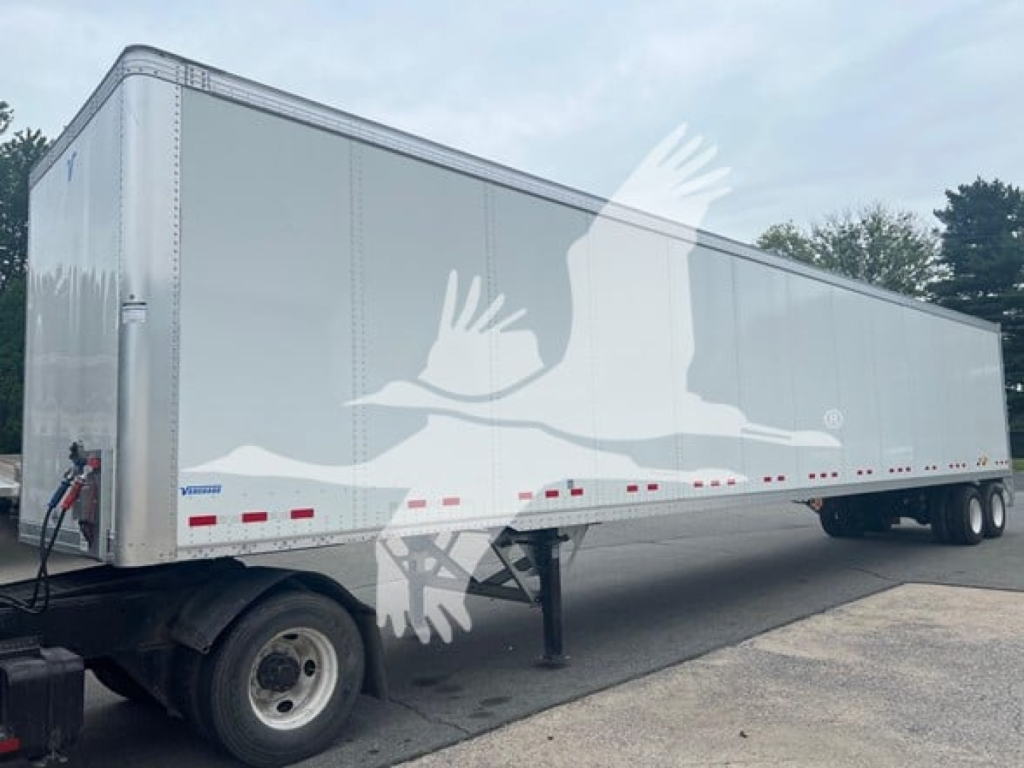
Showing 1 to 12 of 22 results
Have new trailer to sell? List it here to reach thousands of buyers.
About New Trailers in Indiana
For dry van buyers, construction details matter more than the basic category name. Plate or composite sidewalls, aluminum roofs, galvanized rear frames, reinforced dock bumpers, and hardwood flooring are all signs of a trailer built for repeated dock contact and daily forklift traffic. Many new van trailers are spec'd with 1 3/8-inch oak floors, full-height nose lining, threshold plates, and integrated scuff protection to reduce wear from pallets and material handling. Logistics posts on 48-inch centers are another important feature for load securement flexibility, especially for carriers handling mixed freight, retail freight, and time-sensitive LTL or truckload work.
Running gear should be matched to the lanes and customer requirements. Tandem axle air ride suspension remains the standard for freight protection and dock-friendly ride quality, while a 49-inch sliding tandem and common kingpin settings such as 36 inches help with bridge law compliance and weight distribution across different states and loading patterns. Buyers in Indiana and the broader Midwest often pay close attention to tire size, wheel type, landing gear brand, ABS configuration, and tire inflation systems because those specs affect uptime just as much as trailer body construction. Features like Hendrickson suspensions, TireMaax-style automatic tire inflation, Jost two-speed landing gear, and galvanized components can reduce service interruptions in high-mileage operations.
The best new trailer choice depends on freight type, trailer pool turnover, and how hard the unit will be worked at the dock. A shipper moving beverage, paper, packaging, retail, or general dry freight may prioritize floor rating, scuff liner design, and door durability. Fleets focused on resale value may look for mainstream dry van specs with standard swing doors, steel or aluminum wheel options, and common serviceable components. When comparing new trailers, buyers should look beyond model year and focus on interior dimensions, floor rating, crossmember spacing, sidewall construction, tandem slide length, and corrosion protection, because those are the details that shape payload capability, maintenance costs, and long-term fleet value.
Frequently Asked Questions
What should I look for first when buying a new dry van trailer?
Start with the dimensions and running gear that match your freight. The most common benchmark is a 53-foot by 102-inch dry van with tandem axles, air ride suspension, sliding tandems, and about 110 inches of interior height. After that, focus on floor construction, crossmember spacing, sidewall material, kingpin setting, and dock protection features such as scuff liners, threshold plates, and reinforced bumpers. Those specifications have a direct impact on payload handling, forklift durability, and long-term maintenance costs.
Why do sliding tandems matter on a new trailer?
Sliding tandems give the operator flexibility to shift axle position for bridge law compliance, state-by-state weight distribution, and different loading patterns. A common setup is a 49-inch sliding tandem with long slide rails, which allows better adjustment when loads are heavy on the nose or tail. For fleets that run across multiple states or serve a wide mix of shippers, sliding tandems are often more practical than fixed axle configurations.
Are composite or plate sidewalls a good choice on a new van trailer?
Composite and plate sidewall designs are widely used because they balance weight, durability, and appearance. They can hold up well in general freight service while supporting a clean exterior and strong resale appeal. Buyers should still compare the full wall package, including side scuff protection, nose lining, post design, and repairability, because the overall wall system matters more than a single material label.
What floor and interior specs are important for forklift freight?
For forklift-loaded freight, the floor system is critical. A hardwood floor such as 1 3/8-inch oak, a solid floor rating, close crossmember spacing, and a galvanized threshold plate all help the trailer handle repeated pallet jack and forklift traffic. Interior features like scuff liners, full-height nose lining, and logistics posts also protect the trailer body and improve cargo securement, especially in high-turn freight environments.
Do tire inflation systems and galvanized components make a difference on new trailers?
Yes. Automatic tire inflation systems can reduce irregular tire wear, improve uptime, and help catch air loss before it turns into a roadside failure. Galvanized rear frames, bumpers, and other exposed components can also slow corrosion, which is especially valuable in Midwest service where trailers see road salt, wet docks, and year-round weather exposure. These features may add cost up front, but they often support lower maintenance and stronger long-term value.