
New 2026 Trailers For Sale in Nebraska
Have new 2026 trailer to sell? List it here to reach thousands of buyers.
New 2026 Trailers in Nebraska
For van and reefer applications, pay close attention to trailer tare weight, interior height, floor rating, rear frame construction, and logistics details such as swing doors versus roll doors, scuff liners, duct floors, and trailer tracking packages. Reefer buyers should also look closely at insulation package, unit brand, fuel tank size, evaporator setup, and telematics compatibility. In a dry van, roof strength, sidewall construction, logistics posts, and suspension choice affect long-term durability and operating cost. Air ride remains a common spec for ride quality and cargo protection, while sliding tandem setups help with bridge law compliance and dock positioning.
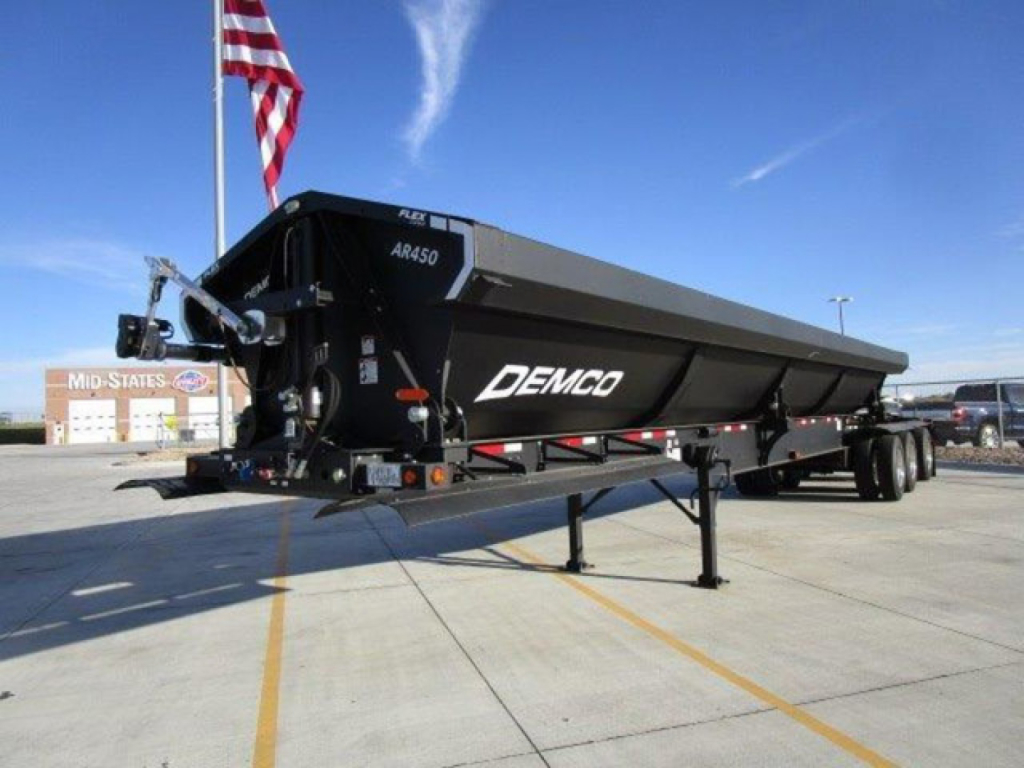
For dump and other vocational trailer types, suspension, axle count, body material, hoist design, liner options, and gate configuration drive both payload and service life. Triple axle layouts are common where payload distribution matters, and wheel choice between aluminum and steel often comes down to weight savings versus lower replacement cost. Tire size, brake package, and frame design should be matched to the roads, seasonal conditions, and legal weights common in Nebraska and the surrounding region. If the trailer will see gravel, demolition, grain, or fertilizer service, corrosion protection and wear areas deserve extra attention.
A 2026 model trailer is also an opportunity to standardize a fleet around current safety and maintenance preferences. Buyers often compare LED lighting, tire inflation systems, disc versus drum brakes, automatic slack adjusters, aerodynamic packages, and OEM warranty coverage. The best trailer choice usually comes down to freight type, cubic capacity, payload target, loading method, and how quickly the trailer can turn between loads. A well-matched new trailer should reduce downtime, stay compliant across state lines, and hold value better over the first ownership cycle.
Frequently Asked Questions about New 2026 Trailers in Nebraska
What should I look for when buying a new 2026 trailer?
Start with the application before the brand name. Trailer type, axle configuration, suspension, tare weight, floor rating, and overall durability matter more than a general spec sheet. A reefer, dry van, and dump trailer all have different priorities, so the right choice depends on cargo, route profile, loading equipment, legal weight targets, and maintenance capability. New 2026 trailers are often purchased specifically to get the exact configuration needed instead of compromising on an older or mismatched unit.
Is air ride suspension worth it on a new trailer?
Air ride is a strong choice for many trailer applications because it improves ride quality and helps protect sensitive freight. It is especially common on dry vans and refrigerated trailers where cargo condition matters and rough ride can increase claims or product damage. In vocational service, the decision depends on terrain, payload consistency, and maintenance practices. Buyers should balance ride quality, initial cost, and long-term service requirements against the demands of the trailer’s job.
How do I choose between aluminum and steel wheels on a new trailer?
Aluminum wheels reduce weight and can improve appearance and corrosion resistance, which makes them attractive for linehaul and food-grade operations. Steel wheels generally cost less to replace and are still common in fleets focused on lower acquisition cost. The decision usually comes down to payload goals, operating environment, and lifecycle budgeting. On a new trailer, wheel material should be considered alongside tire size, axle rating, and expected service conditions rather than as a stand-alone feature.
What specs matter most on a new reefer or dry van trailer?
For reefers, focus on refrigeration unit brand and capacity, insulation performance, floor design, interior dimensions, telematics capability, and fuel system details. For dry vans, key specs include interior height, floor rating, sidewall construction, roof strength, logistics track layout, and tandem configuration. In both categories, suspension type, brake package, lighting, and rear frame durability affect uptime and resale. These details have a direct impact on cargo flexibility, maintenance cost, and compliance.
Why does axle spacing matter on a new trailer?
Axle spacing affects weight distribution, bridge law compliance, turning characteristics, and how the trailer performs at the dock or in tight yards. Sliding tandems are common on vans and reefers because they give operators flexibility across different states and load profiles. Fixed spreads or triple axle layouts are more common in certain vocational applications where payload distribution is the bigger concern. Choosing the right axle setup can prevent overweight issues and make the trailer more versatile across different jobs.