
New 2023 Trailers For Sale
Shop new 2023 trailers for sale, including dry vans, flatbeds, and drop decks with modern specs, warranty support, and fleet-ready options.
Selling a new 2023 trailer? List your new 2023 trailer for sale and reach thousands of commercial buyers.
New 2023 Trailers
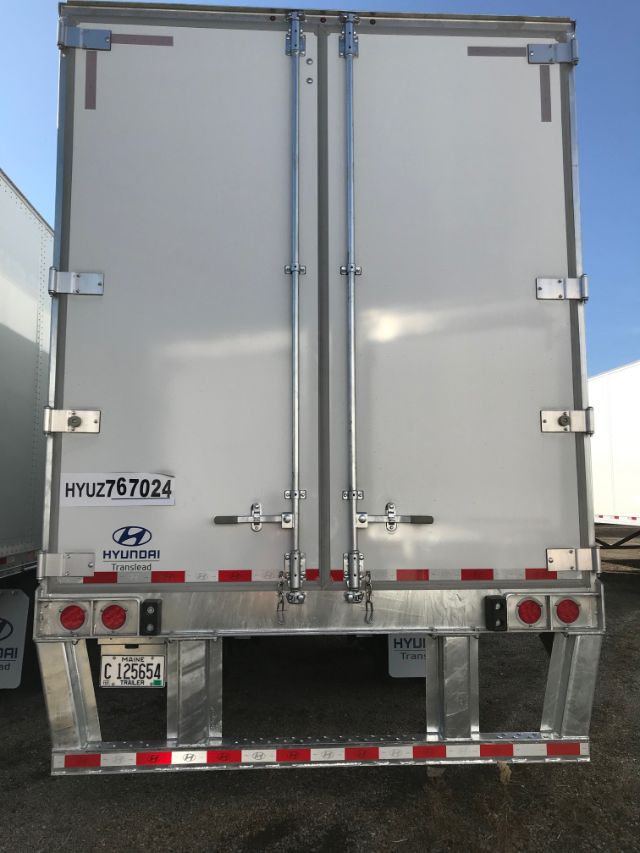
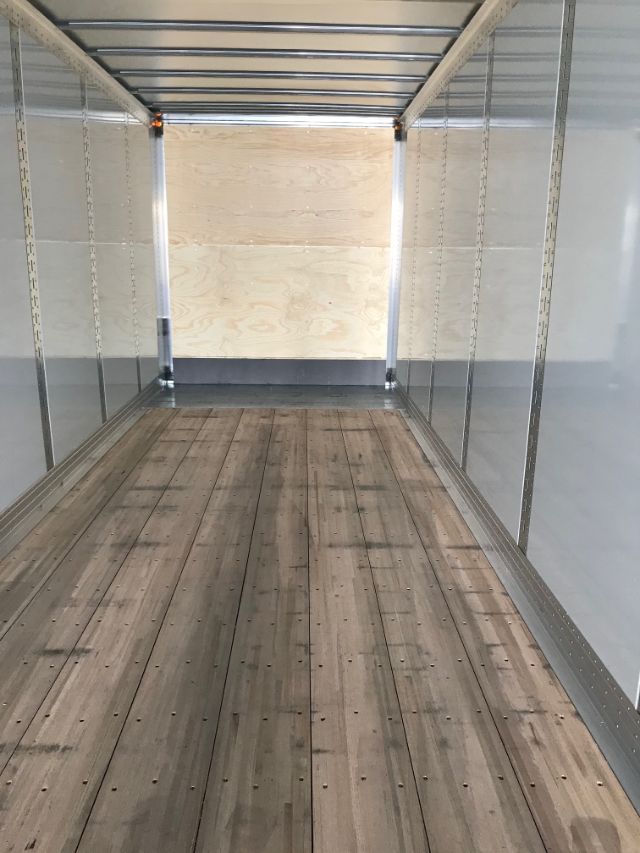
The first decision is trailer type and floorplan. Dry van trailers in this segment are commonly 53 feet long and 102 inches wide, often with composite or plate side construction, aluminum roofs, wood floors, galvanized rear frames, and sliding tandems. Buyers comparing van trailers should pay attention to inside height, door opening dimensions, logistics post spacing, scuff liner design, threshold plate construction, and tire inflation systems. Those details affect cube, forklift durability, dock performance, and maintenance costs over the life of the trailer. A 2023 van trailer may also include air ride suspension, anti-lock brake systems, dock-lock reinforced bumpers, and corrosion-resistant components that matter for high-cycle freight and drop-and-hook service.
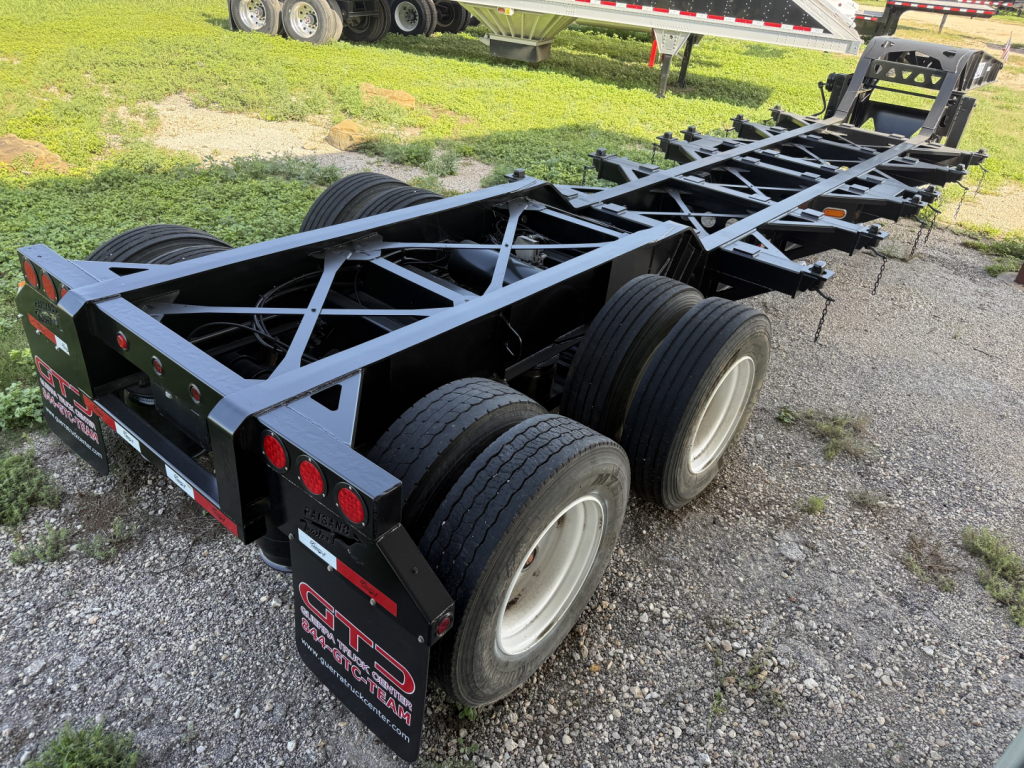
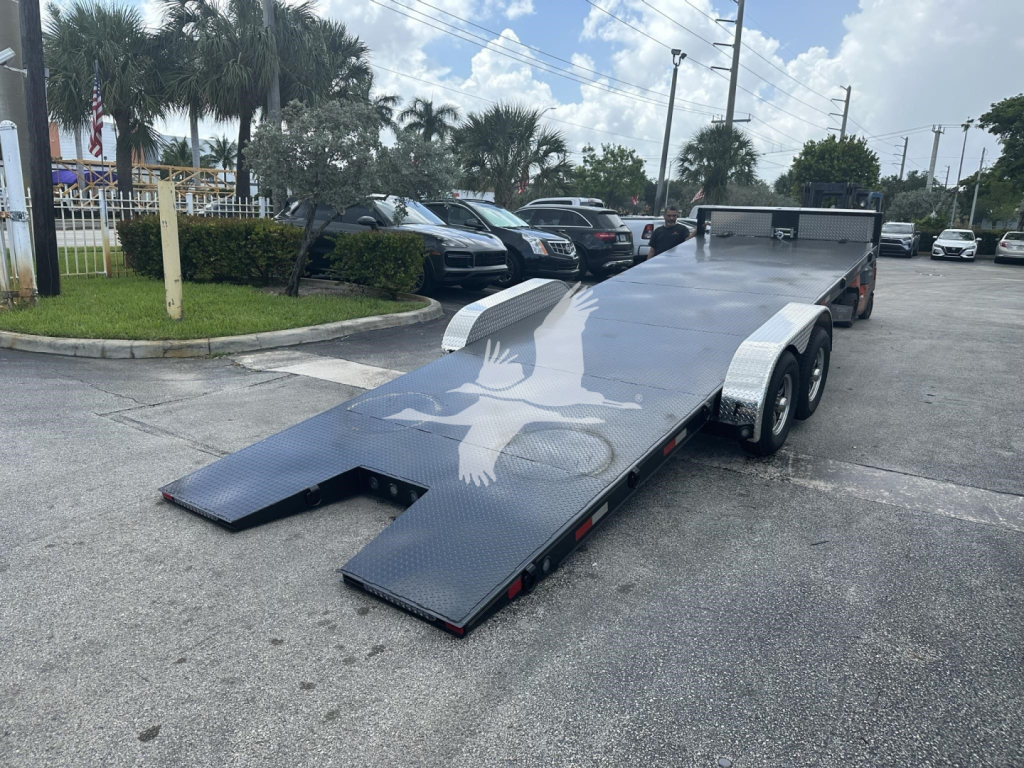
Flatbeds and drop decks from the 2023 model year are usually spec'd around payload, securement flexibility, and axle configuration. Common features include steel or combo construction, aluminum side rails, wood nail strips, recessed chain ties, double-L winch tracks, sliding or fixed spread tandems, and air ride suspension. On drop decks, deck height, lower deck length, beavertail design, ramp setup, and concentrated load ratings are key buying points, especially for equipment haulers and contractors. On flatbeds, kingpin setting, crossmember spacing, frame rating, and tie-down layout will tell you more than the model name alone. A lighter combo flatbed may favor legal payload, while a heavier steel trailer may make more sense for severe-duty cycles and tougher loading environments.
A buyer comparing new 2023 trailers should look beyond the basic length and axle count. Suspension brand, hub type, brake package, tire size, wheel material, landing gear, and flooring all affect operating cost and service intervals. Regional use also matters. Northern fleets often prioritize galvanized components and corrosion resistance, while heavy construction and machinery applications may prioritize thicker flooring, coil packages, ramps, or fixed spread axle layouts. The best 2023 trailer is the one whose spec matches the freight, the loading method, and the route profile, not just the lowest tare weight or the newest feature list.
Frequently Asked Questions about New 2023 Trailers
What types of new 2023 trailers are most common on the market?
The most common new 2023 trailers include dry vans, flatbeds, and drop decks. Dry vans are typically used for palletized general freight and retail distribution, while flatbeds handle construction materials, steel, lumber, and freight that loads from the side or top. Drop decks are designed for taller equipment and machinery that would exceed height limits on a standard deck. Within each category, buyers will still need to compare axle settings, flooring, suspension, and structural details because two trailers of the same type can be built for very different duty cycles.
What should I look for when comparing a 2023 dry van trailer?
Focus on inside height, door opening dimensions, side wall construction, logistics posts, floor thickness, tandem slide range, and corrosion protection. A 53-foot van with composite or plate side construction, galvanized rear frame components, a 1-3/8 inch wood floor, and air ride suspension is a common fleet spec. Tire inflation systems, scuff liners, dock-lock compatible bumpers, and threshold plates can also make a meaningful difference in uptime and long-term repair cost. These details matter more than paint or trim when the trailer is working daily in dock service.
How do I choose between a flatbed and a drop deck in the 2023 trailer market?
The choice comes down to freight dimensions and loading requirements. A flatbed is usually the better fit for standard-height loads, building products, bundled freight, and operations that want a lighter trailer with maximum deck simplicity. A drop deck is the better option when freight height is the limiting factor or when equipment needs to sit lower between the neck and rear axles. Buyers should compare lower deck length, loaded deck height, ramp or beavertail configuration, frame rating, and securement layout to make sure the trailer matches the freight they actually haul.
Are 2023 trailers typically equipped with modern fleet specs?
Yes. Many 2023 trailers are built with the features fleets now expect, including LED lighting, ABS brake systems, air ride suspension, sliding tandems on van trailers, improved corrosion protection, and more durable flooring and lining packages. Depending on trailer type, you may also see tire inflation systems, coil packages, pop-up chain ties, winch tracks, dock-lock reinforced bumpers, and widespread axle configurations. These newer specs can improve maintenance planning, driver acceptance, and compatibility with current fleet standards.
Why does axle configuration matter so much on a new 2023 trailer?
Axle configuration affects bridge compliance, maneuverability, tire wear, and how the trailer fits the freight. Sliding tandems are common on dry vans because they provide flexibility for weight distribution and state bridge laws. Fixed spread axles are common on some flatbeds and drop decks because they can improve stability and load placement, but they may reduce maneuverability in tighter delivery environments. The right axle setup depends on where the trailer operates, how often it backs into tight spaces, and how the cargo is loaded across the deck or floor.