
New 2020 Trailers For Sale
Shop new 2020 trailers for sale, including flatbed, reefer, dump, lowboy, and dry bulk designs with modern specs and updated components.
Selling a new 2020 trailer? List your new 2020 trailer for sale and reach thousands of commercial buyers.
New 2020 Trailers
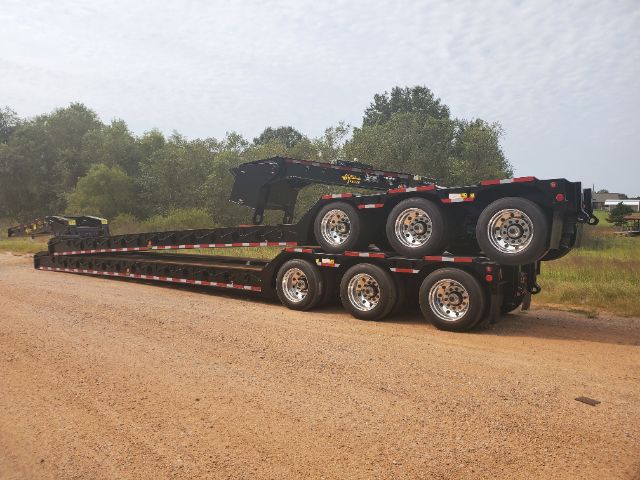
Spec differences matter more than model year alone. Flatbeds in this range are often aluminum for lower empty weight and better payload, with features like winch tracks, stake pockets, pipe spools, and air ride suspension. Lowboys are built around capacity, deck height, and loading angle, with details such as hydraulic detachable goosenecks, apitong flooring, outriggers, D-rings, boom wells, and flip axle compatibility. Reefer trailers are typically evaluated by insulation package, roof construction, suspension, axle slide, and wheel and tire setup. Dump and side dump trailers need close attention to tub design, cylinder arrangement, tarp system, and frame construction because those details directly affect stability, cycle time, and long-term durability.
Running gear and structural materials deserve a careful look on any new 2020 trailer. Aluminum trailers usually help maximize payload and resist corrosion, while steel construction is often preferred for severe-duty applications such as side dumps and heavy-haul. Tandem and tri-axle setups are both common depending on cargo and bridge law requirements. Air ride suspension remains a popular spec for ride quality and cargo protection, while fixed or sliding axle arrangements can affect load distribution and operational flexibility. Tire size, wheel material, kingpin setting, crossmember spacing, landing gear, and lighting package all influence maintenance costs and day-to-day usability more than many buyers expect.
A buyer comparing new 2020 trailers should focus on compatibility with existing tractors, routes, and loading methods. Check overall length and width, deck length or vessel capacity, fifth wheel height requirements, suspension spread, and any specialty equipment such as ramps, lift axles, electric tarps, aeration systems, or hose tubes. It is also smart to compare how each trailer is built for service access, parts availability, and resale appeal. A well-spec'd 2020 trailer can deliver strong value if the configuration matches the freight, the region, and the weight demands of the operation.
Frequently Asked Questions about New 2020 Trailers
What types of trailers are commonly available as new 2020 models?
New 2020 trailers commonly include flatbed, refrigerated, lowboy, dump, side dump, and pneumatic dry bulk configurations. Each type is built for a specific freight profile. Flatbeds handle general commodity freight and building materials, reefers move temperature-sensitive loads, lowboys carry heavy equipment, dump trailers support aggregate and construction work, and pneumatic trailers transport dry bulk products such as cement, lime, or sand.
Is a new 2020 trailer still a good buy for a commercial fleet?
A new 2020 trailer can be a very good buy if the specification fits the operation and the trailer has the right component package. Buyers often target this model year because it is new enough to offer modern lighting, suspension, and structural design, but may represent better value than the newest production year. The real advantage comes from matching the trailer's axle configuration, materials, capacity, and specialty options to the intended freight and route profile.
What specs matter most when comparing new 2020 trailers?
The most important specs depend on trailer type, but buyers should consistently review length, width, axle count, suspension type, body or deck material, empty weight, tire and wheel package, and kingpin or axle settings. On specialty trailers, details such as detachable goosenecks, outriggers, floor type, tarp systems, hopper count, discharge plumbing, or reefer axle slide can make a major difference in performance and operating cost. These spec choices affect payload, legal loading, driver convenience, and resale value.
Should I choose aluminum or steel construction on a 2020 trailer?
Aluminum construction is usually preferred when payload and corrosion resistance are priorities, which is why it is common on flatbeds, reefers, and many dry bulk trailers. Steel is often the better choice for harsh-duty applications that see repeated impact, concentrated loads, or abrasive material, such as certain dump and heavy-haul uses. The decision should be based on freight type, expected abuse level, maintenance practices, and weight sensitivity in the operation.
How do axle and suspension choices affect a 2020 trailer purchase?
Axle count and suspension setup affect legal payload, bridge compliance, ride quality, and maintenance. Tandem axles are common for general freight and many specialty trailers, while tri-axle setups are more common in heavy-haul or higher-capacity applications. Air ride suspension is widely preferred for cargo protection and smoother handling, but the exact suspension model, axle spacing, and whether the axle group is fixed or sliding can have a significant impact on weight distribution and route flexibility.