
Manac Trailers For Sale in Nebraska
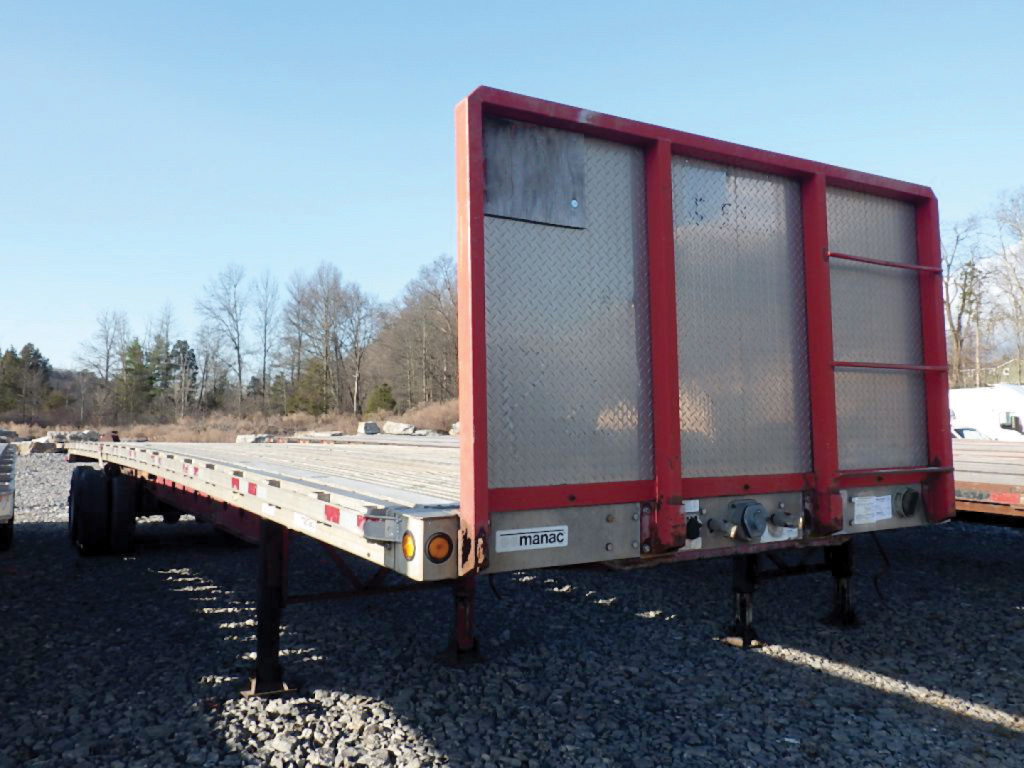
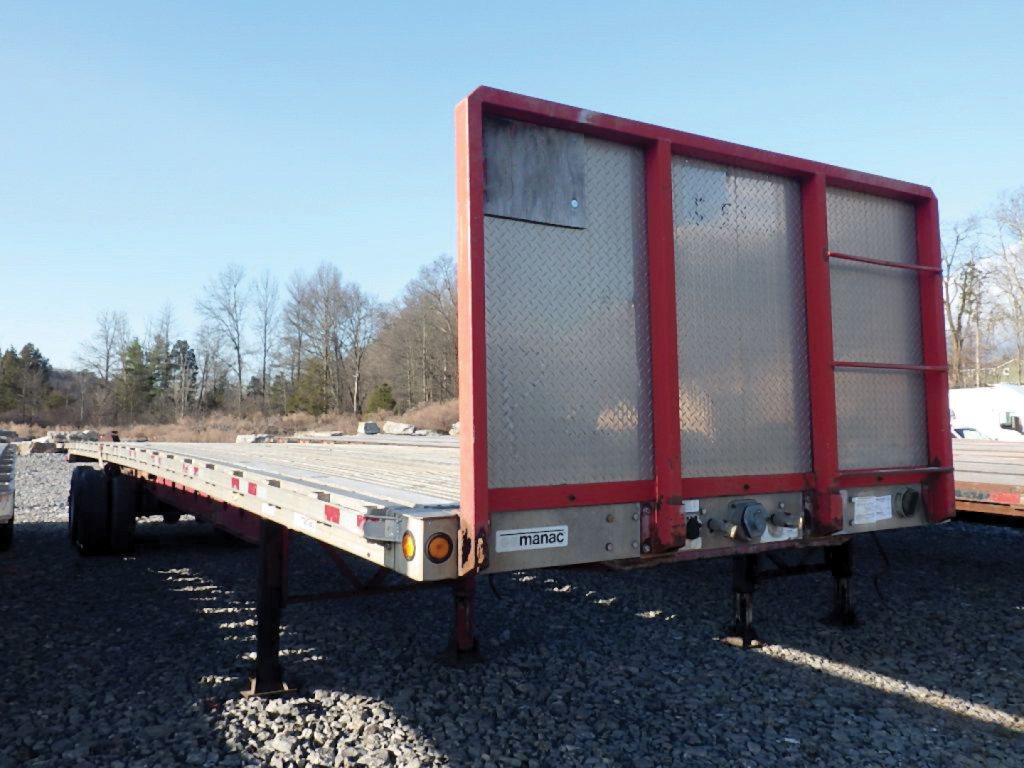
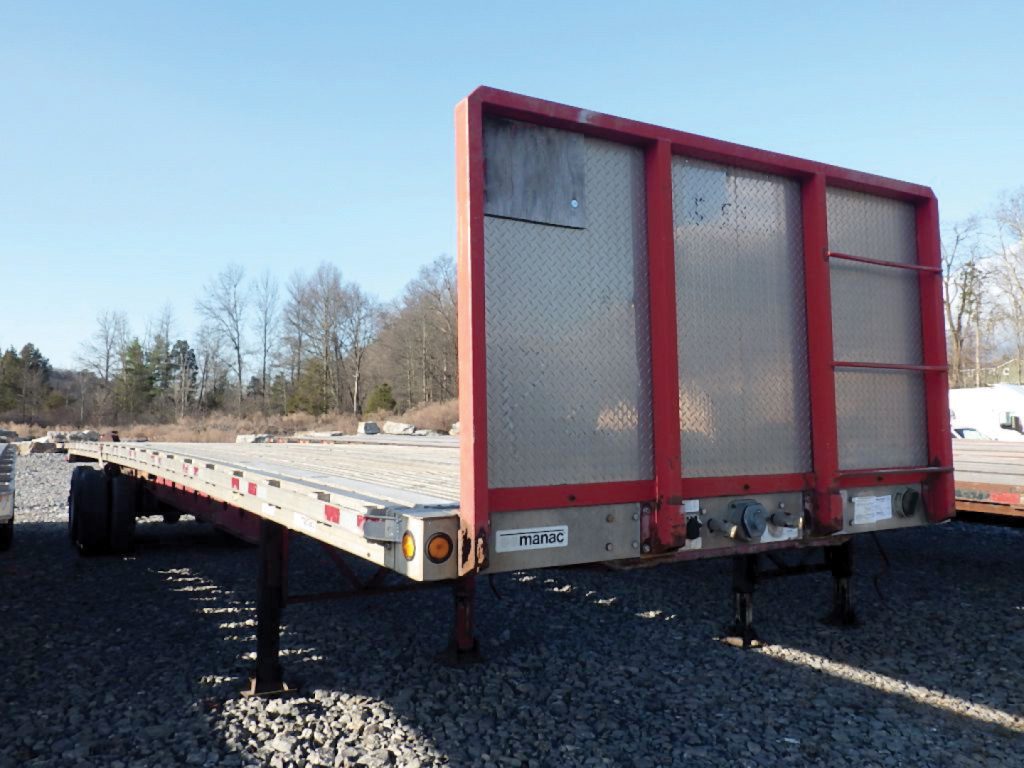
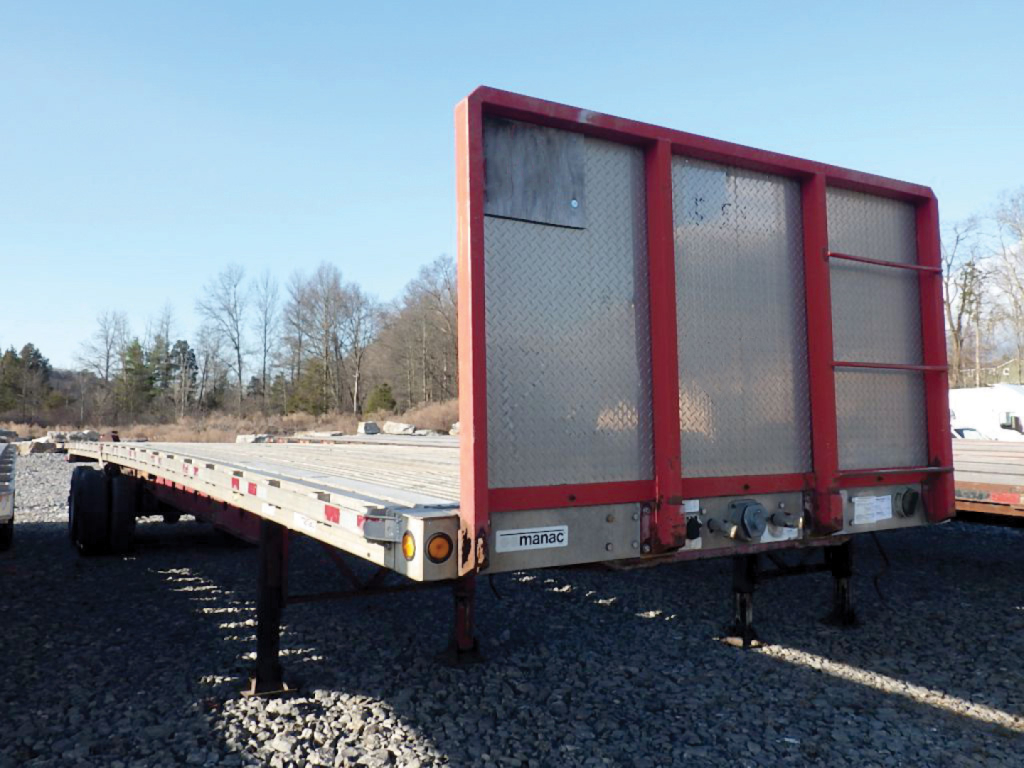
Have manac trailer to sell? List it here to reach thousands of buyers.
Manac Trailers in Nebraska
For flatbed applications, common specs include 45-foot to 53-foot lengths, 102-inch width, aluminum flooring, nail strips, bulkheads, sliding winch tracks, and sliding tandem suspensions. A composite aluminum and steel flatbed can be a smart middle ground if you want corrosion resistance and lower tare weight without giving up structural strength in key areas. Securement details matter as much as the deck itself. Look closely at winch placement, spool count, stake pockets, rub rail condition, and whether the trailer has the right tie-down layout for coils, building materials, machinery, or general commodity freight.
Suspension and axle setup should match the lanes you run and the shippers you serve. Sliding tandems help with bridge law compliance and dock positioning, while spring ride remains common for buyers who want simple, proven hardware and predictable maintenance costs. Wheel and tire size, brake type, floor wear, and crossmember condition deserve a thorough inspection on any used Manac trailer. On older flatbeds, buyers should pay special attention to floor fasteners, frame corrosion, kingpin area wear, and any evidence of deck damage from concentrated loads or forklift traffic.
Nebraska operators often need trailers that can transition between agricultural, construction, and industrial freight, so versatility is a real advantage. A well-spec'd Manac flatbed can cover a broad range of regional and over-the-road work if the deck rating, securement package, and suspension are aligned with your freight mix. When comparing listings, focus less on brand familiarity alone and more on the trailer's actual configuration, maintenance history, and how its dimensions and components fit your daily loading requirements.
Frequently Asked Questions about Manac Trailers in Nebraska
What types of Manac trailers are most common on the used market?
Manac is widely recognized for flatbed, drop deck, specialized, and other vocational trailer designs, but flatbeds are especially common on the used market. Many buyers come across aluminum, steel, or composite flatbeds with features such as sliding winch tracks, bulkheads, aluminum floors, and tandem axle setups. The right choice depends on cargo type, weight targets, and how much securement flexibility your operation needs.
Is a Manac aluminum and steel composite flatbed a good choice?
A Manac aluminum and steel composite flatbed can be a strong option for fleets that want a balance between lighter weight and long-term durability. Aluminum helps reduce tare weight and improve corrosion resistance, while steel in high-stress areas can add strength where the trailer takes the most abuse. Buyers should still inspect the frame, crossmembers, floor condition, and any repair history to make sure the trailer's structure matches the loads it will carry.
What should I inspect first on a used Manac flatbed trailer?
Start with the structural and securement components. Check the frame rails, crossmembers, kingpin area, floor condition, rub rails, stake pockets, and winch track for cracks, excessive wear, or signs of poor repairs. After that, inspect suspension components, sliding tandem operation, brakes, tires, wheels, and lighting. A used flatbed's value depends heavily on deck integrity and securement readiness, not just cosmetic appearance.
Why does a sliding tandem matter on a flatbed trailer?
A sliding tandem gives the driver more flexibility to adjust axle position for bridge law compliance, load distribution, and dock access. That matters on regional and over-the-road freight where cargo weight and load placement can vary from trip to trip. It can also make the trailer easier to fit into different shipper and receiver layouts, which is a practical advantage for mixed freight operations.
Are Manac trailers suitable for Nebraska freight operations?
Manac trailers are well suited for Nebraska applications because many configurations fit agricultural, construction, industrial, and general freight work. Open-deck models are especially useful for commodities that require crane loading, side loading, or oversized securement access. The best fit comes down to trailer length, deck construction, suspension, and securement equipment rather than the brand name alone.