
New XL Specialized Lowboy Trailers For Sale in Pennsylvania
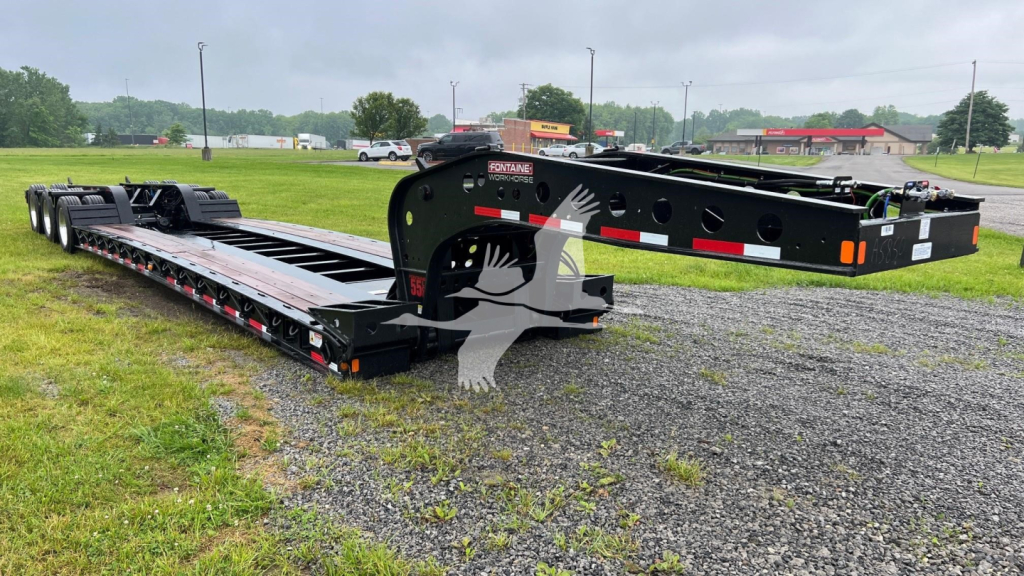
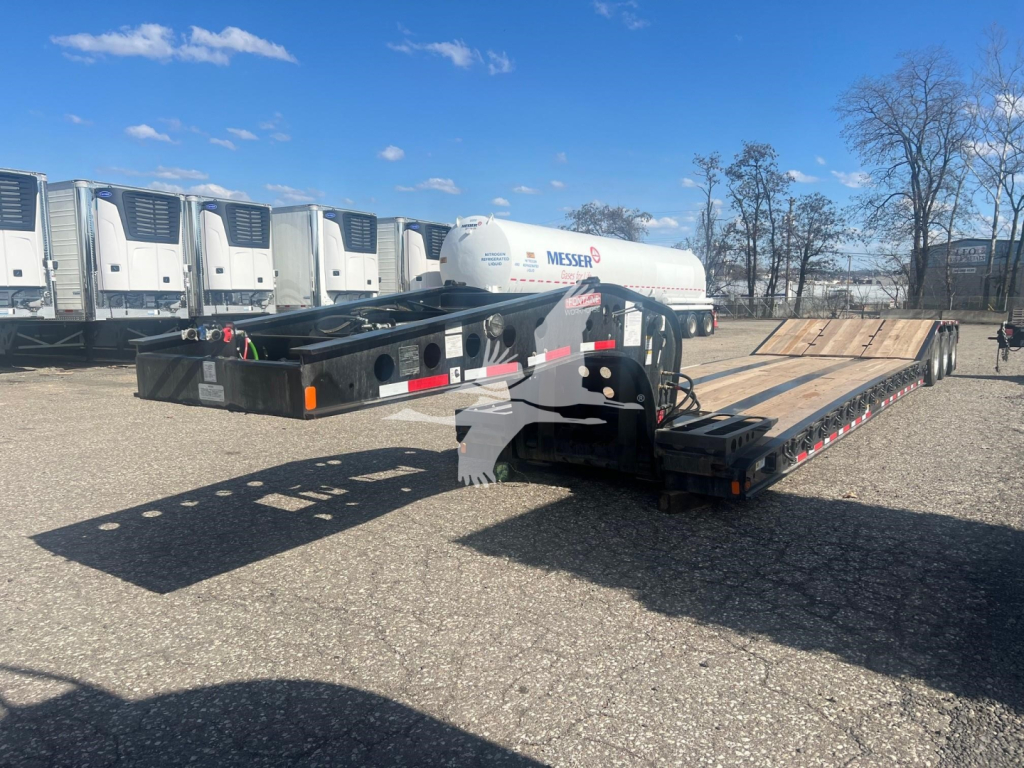
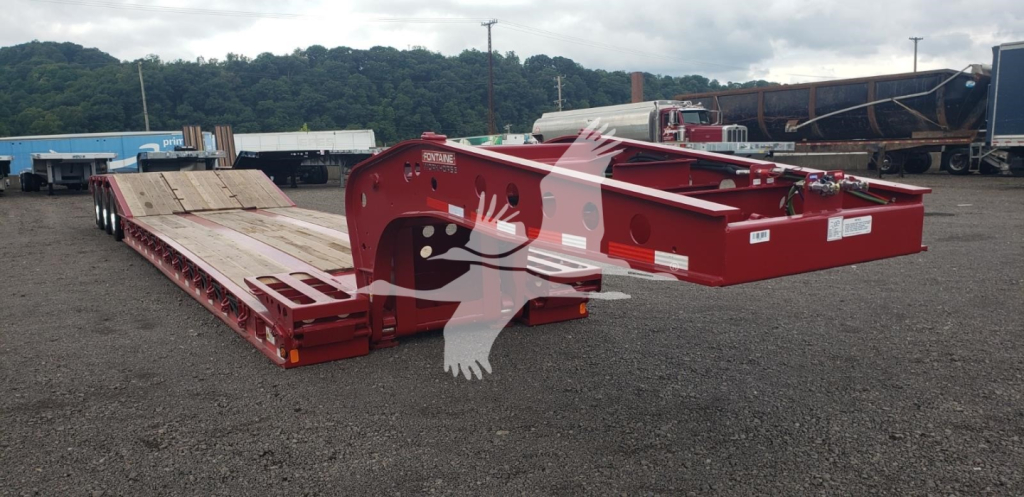
Shop new XL Specialized lowboy trailers built for heavy haul work, with hydraulic detach goosenecks, low deck heights, and 55-ton class options.
No exact matches found for your search
Showing New Lowboy Trailers in Pennsylvania instead.
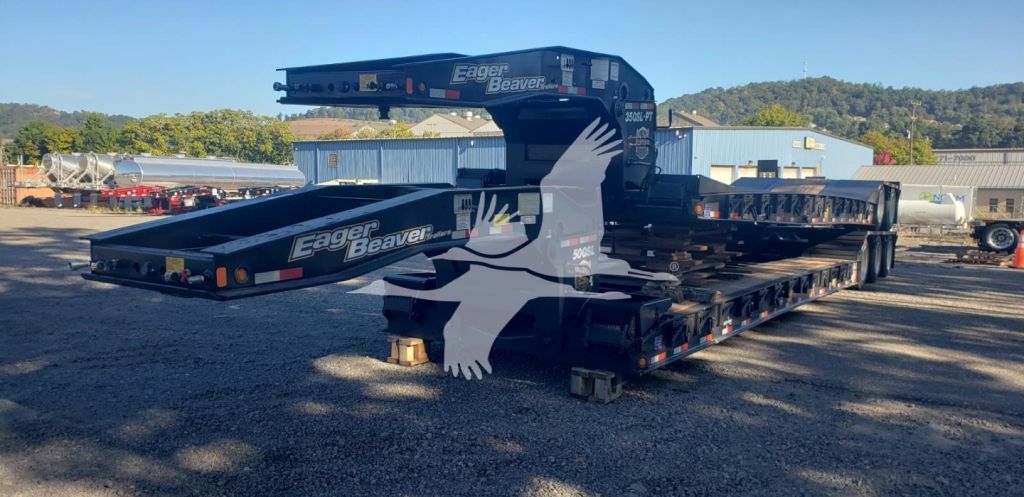
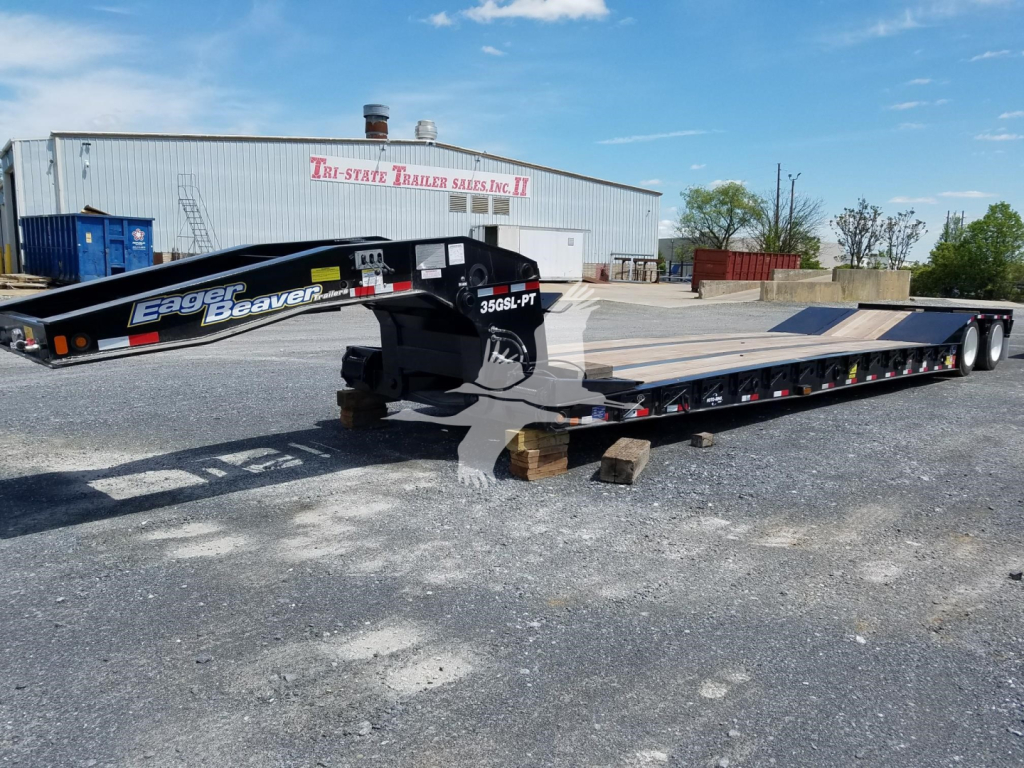
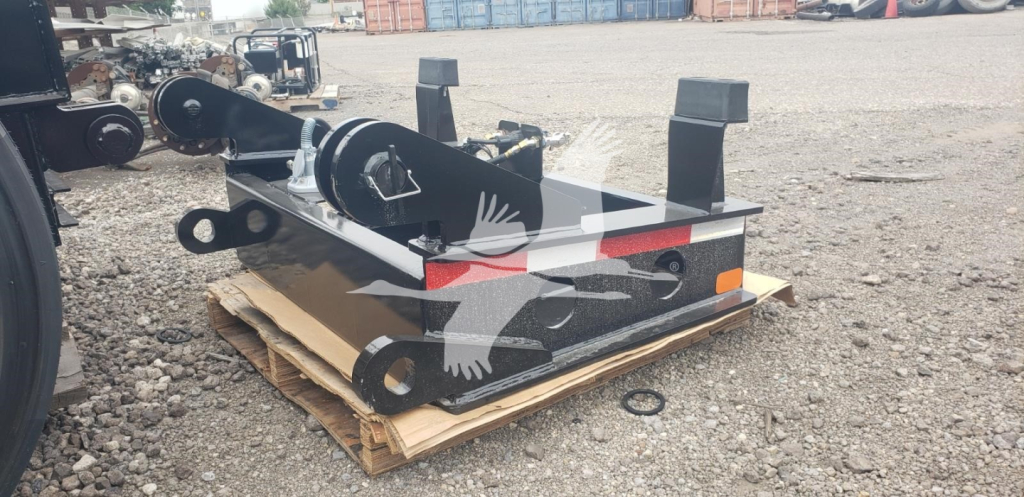
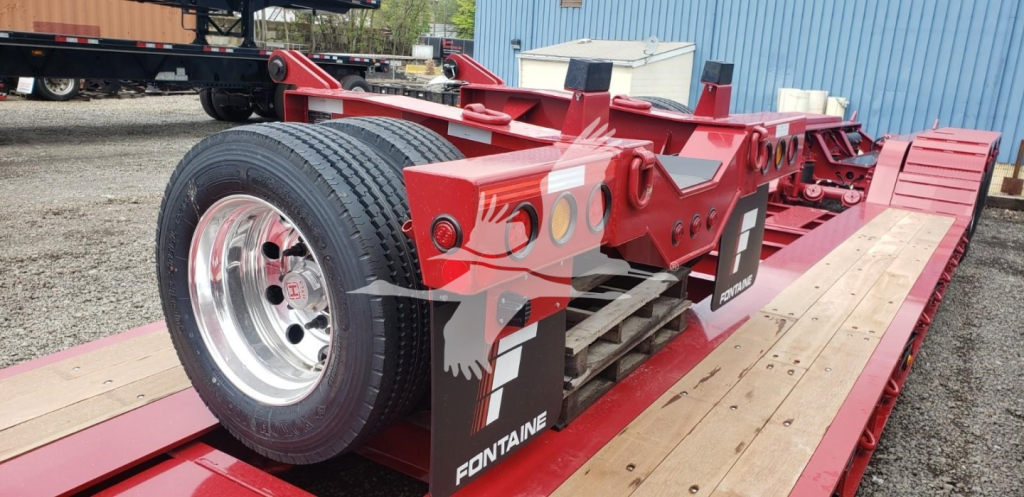
Showing 1 to 28 of 30 results
Selling a new xl specialized lowboy trailer? List your new xl specialized lowboy trailer for sale and reach thousands of commercial buyers.
New XL Specialized Lowboy Trailers in Pennsylvania
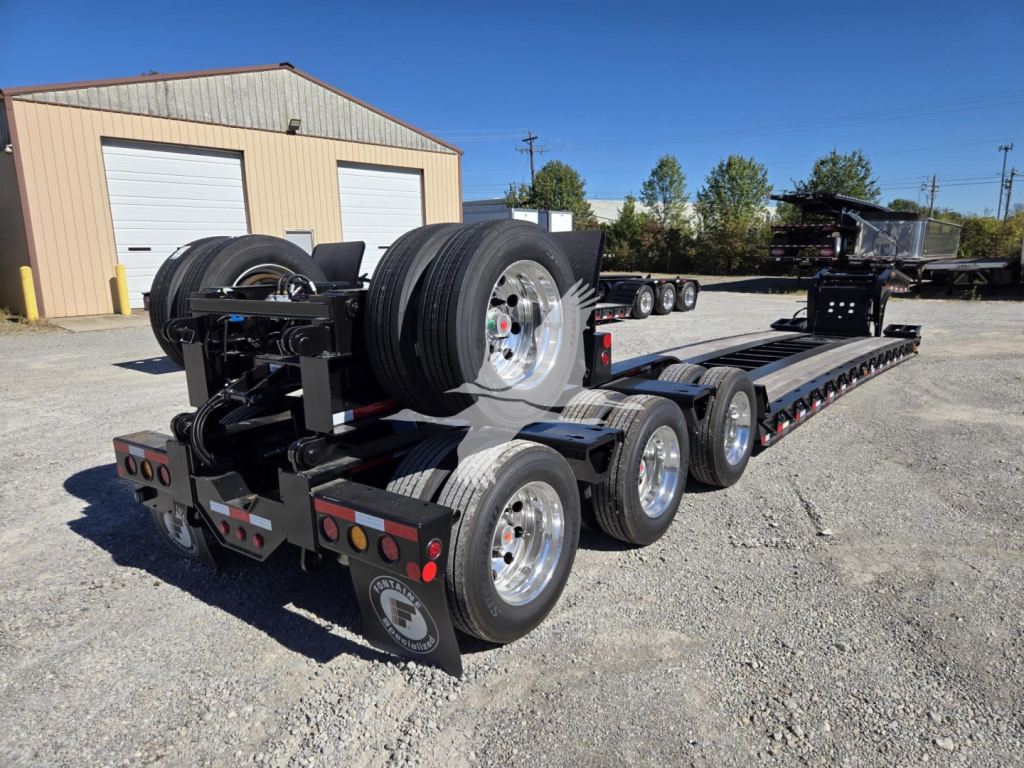
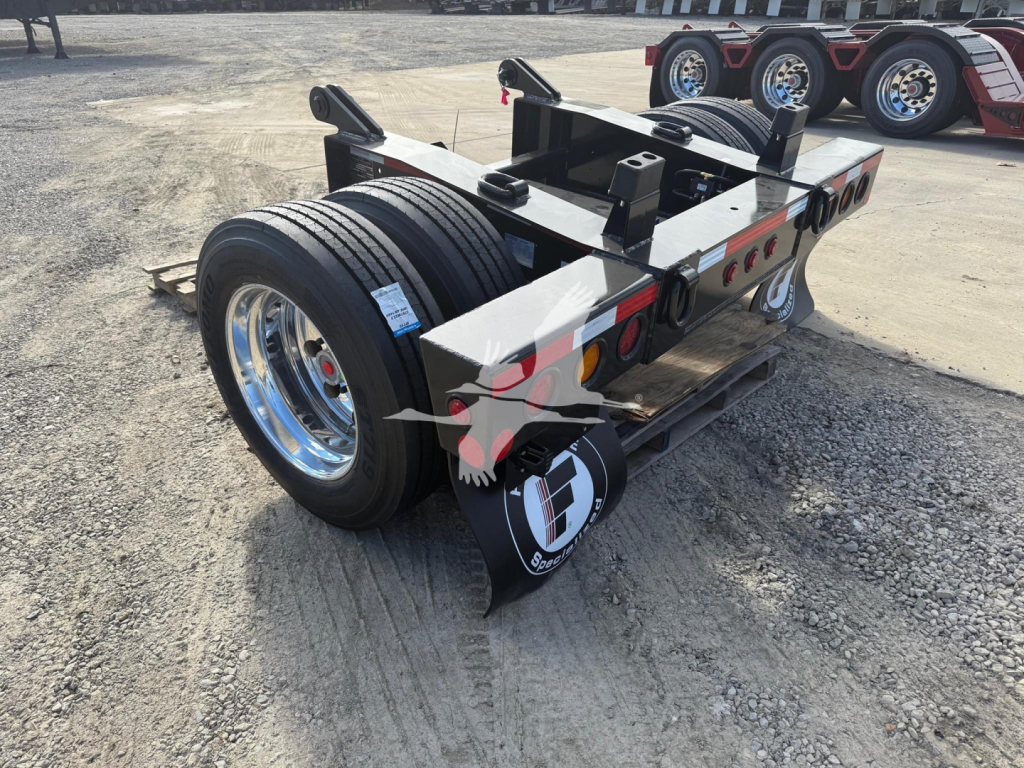
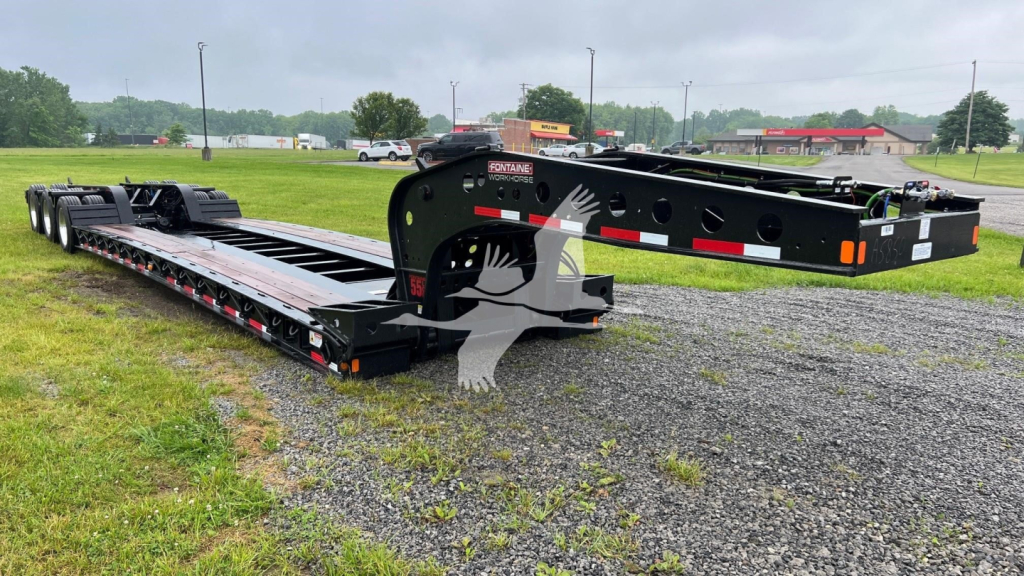
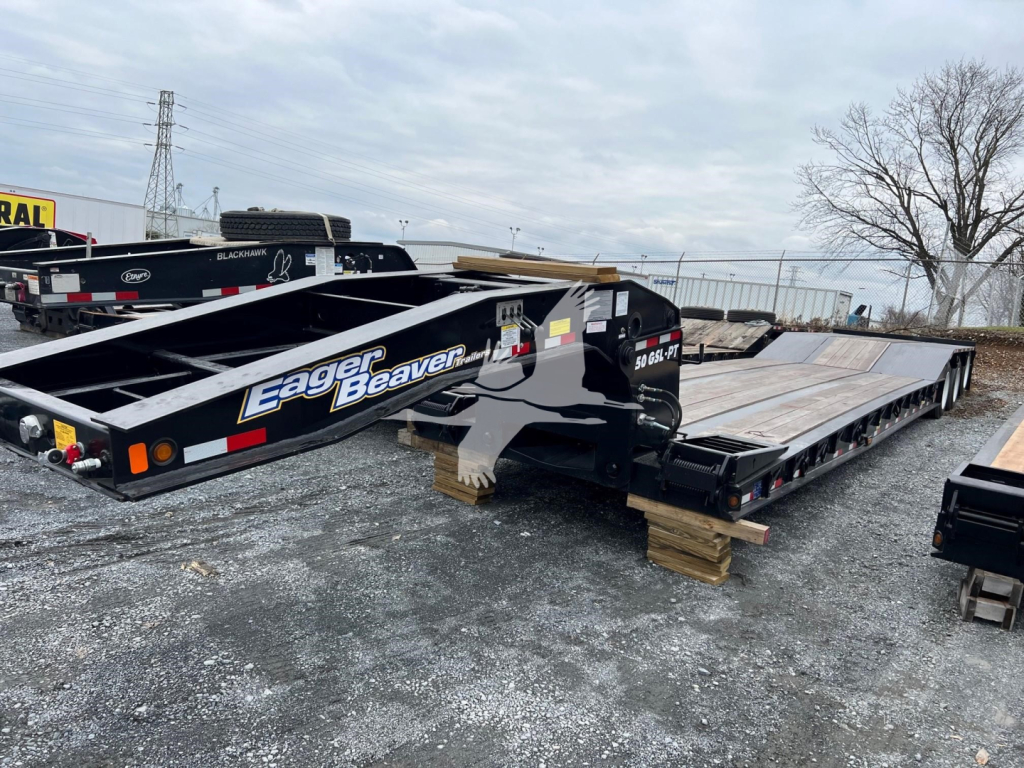
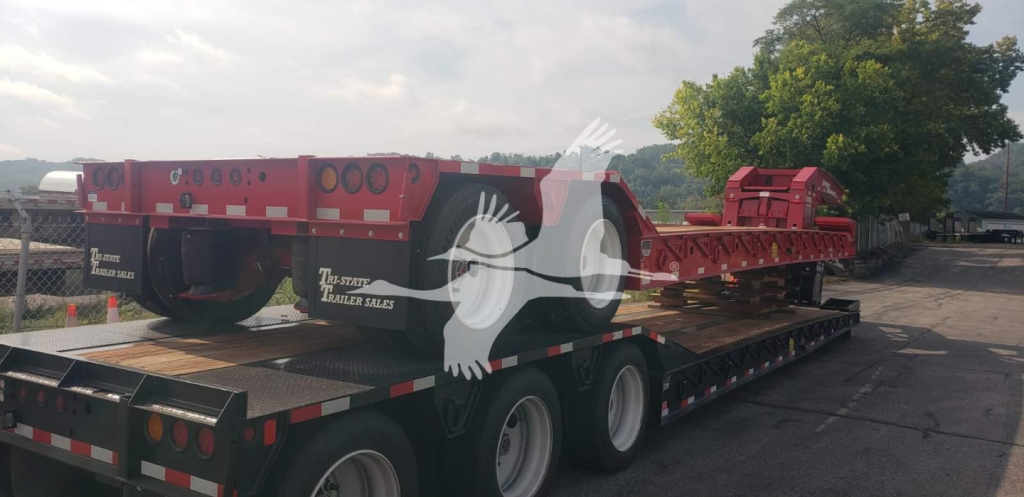
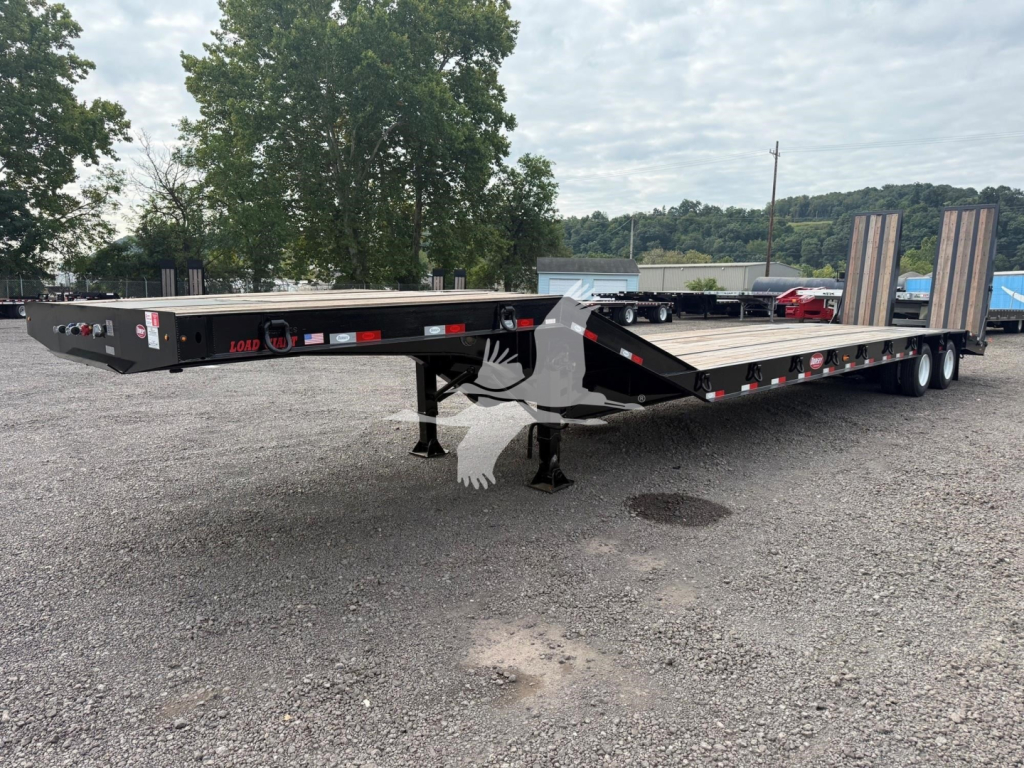
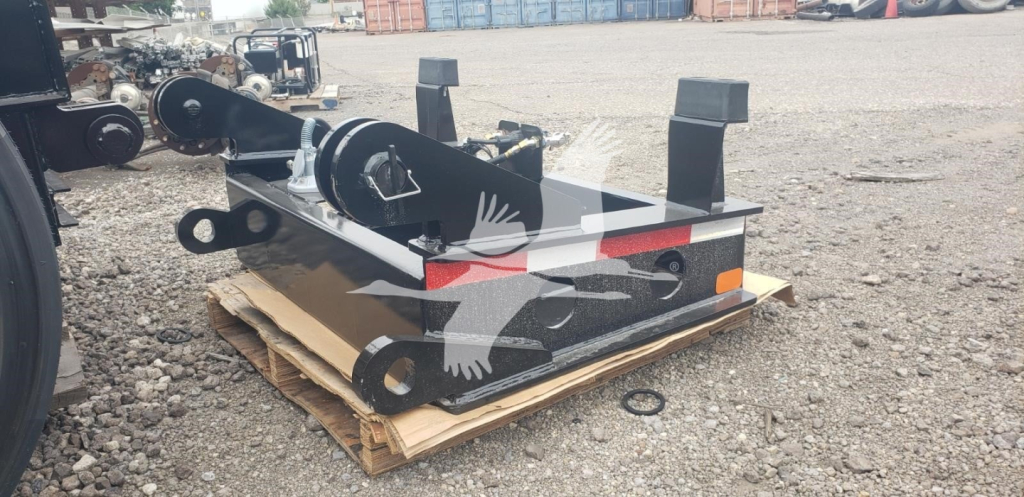
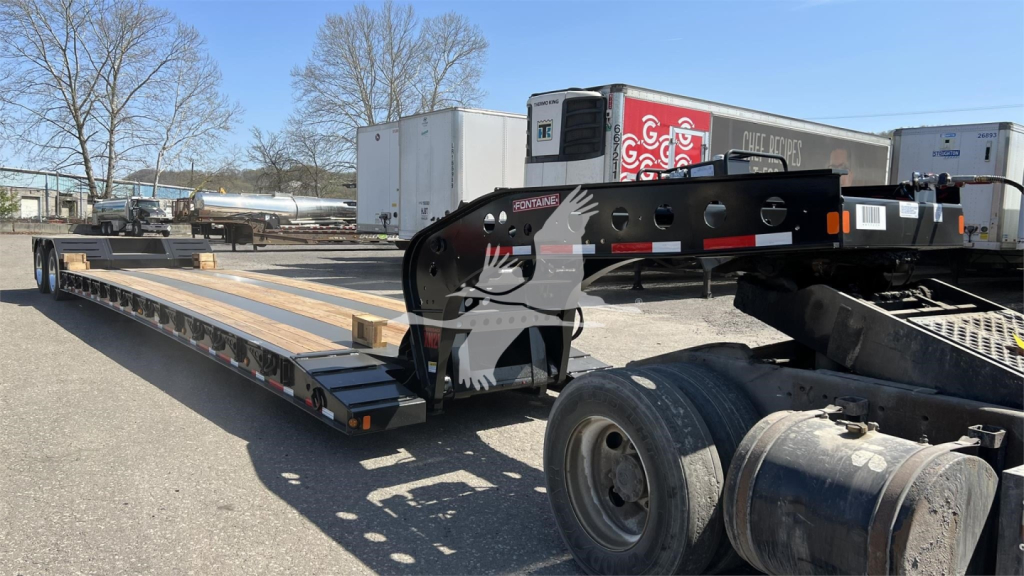
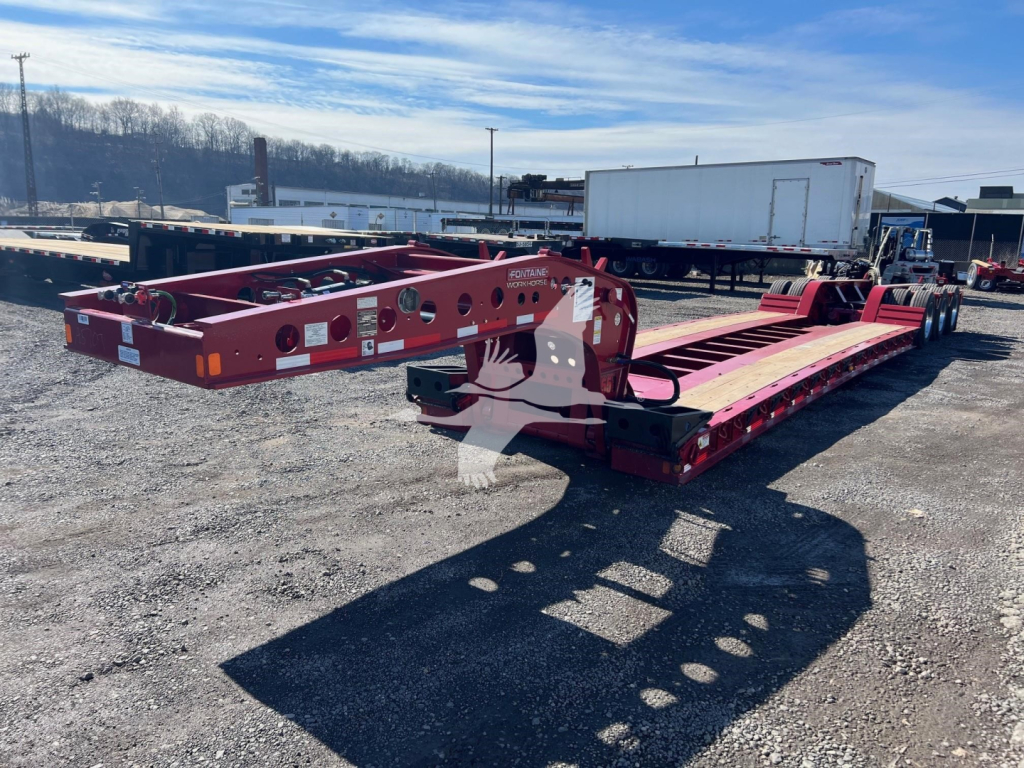
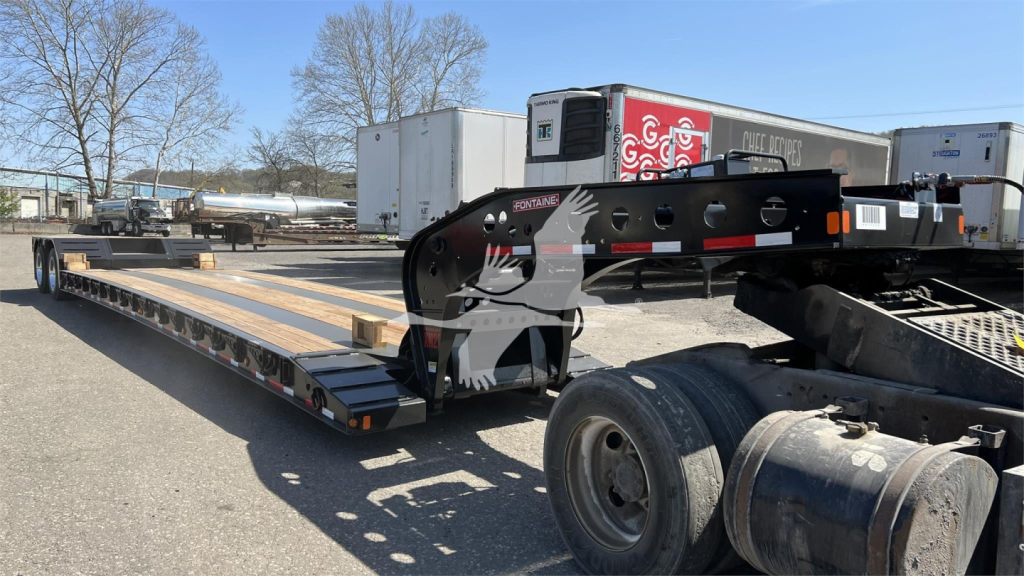
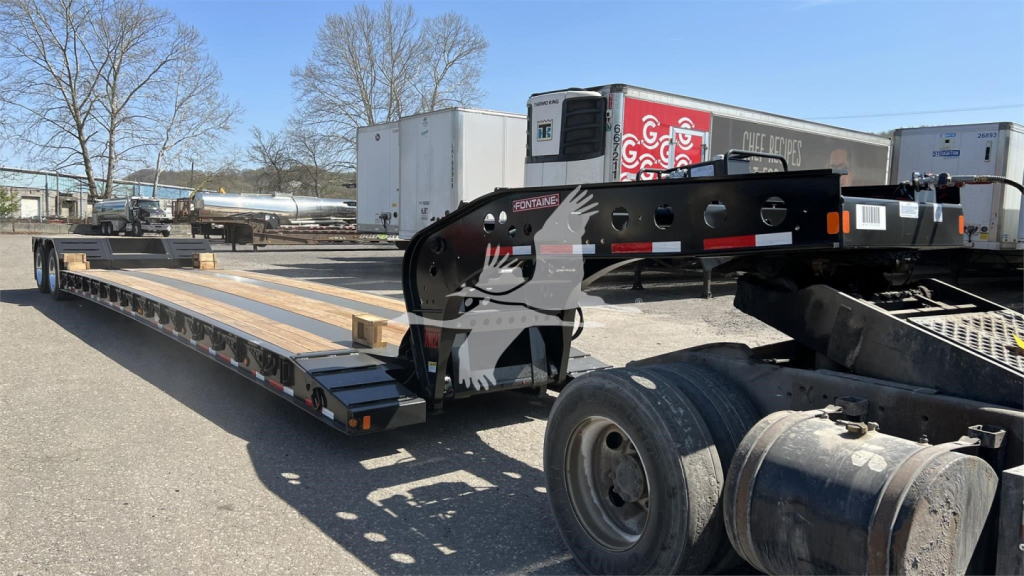
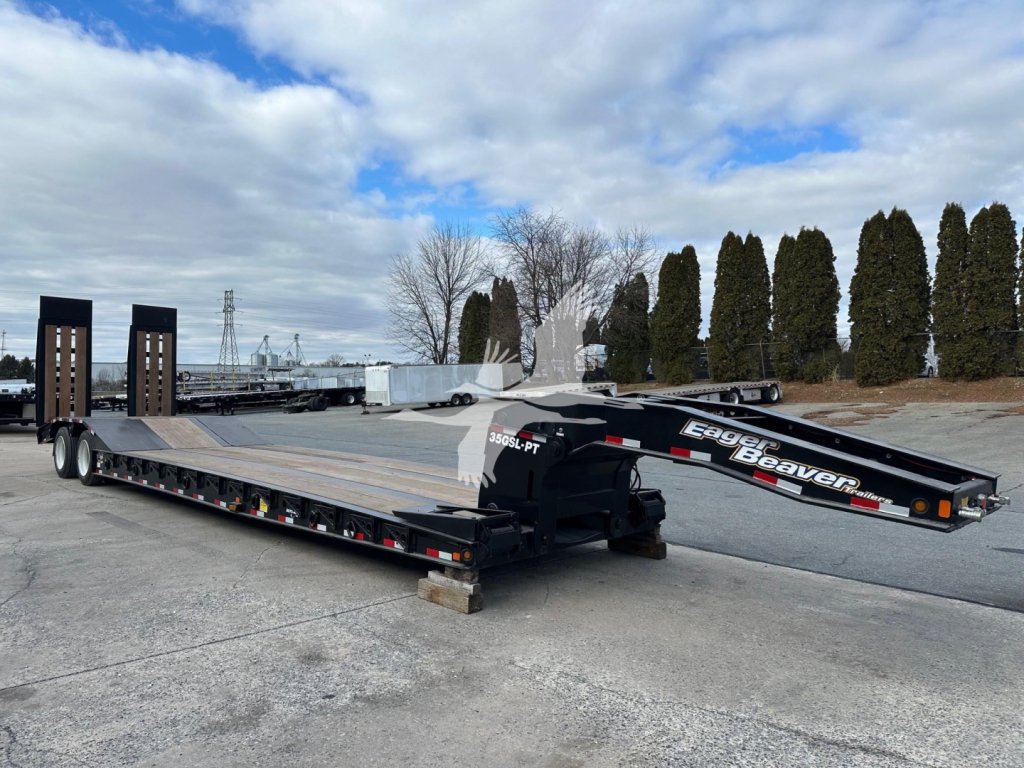
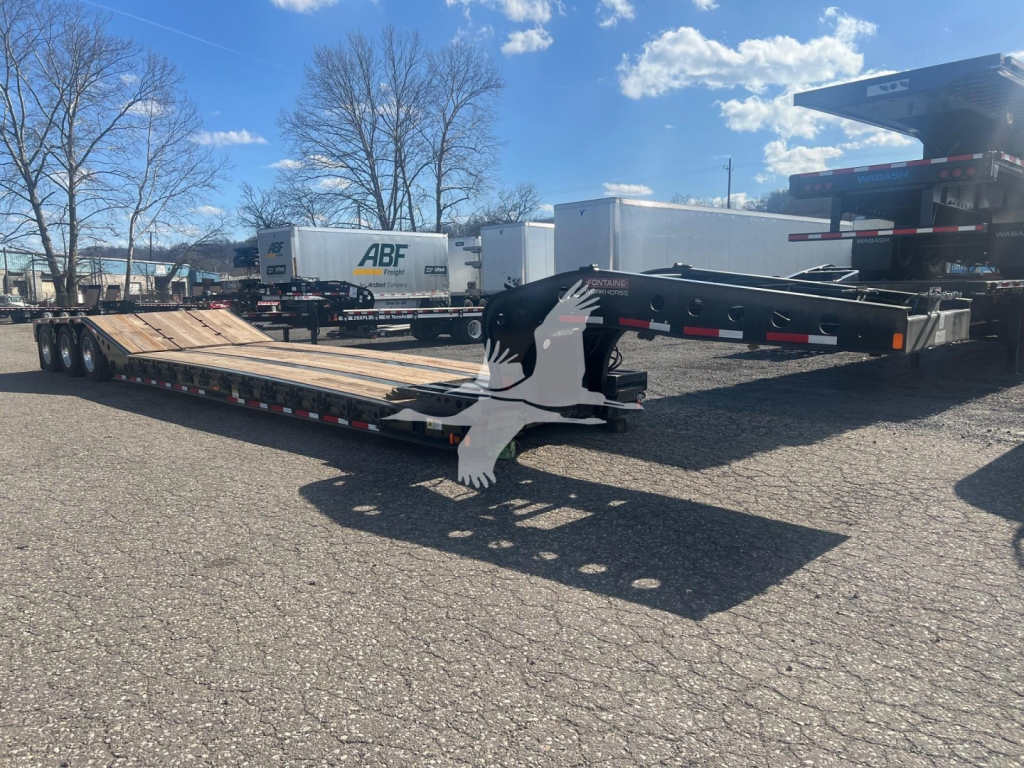
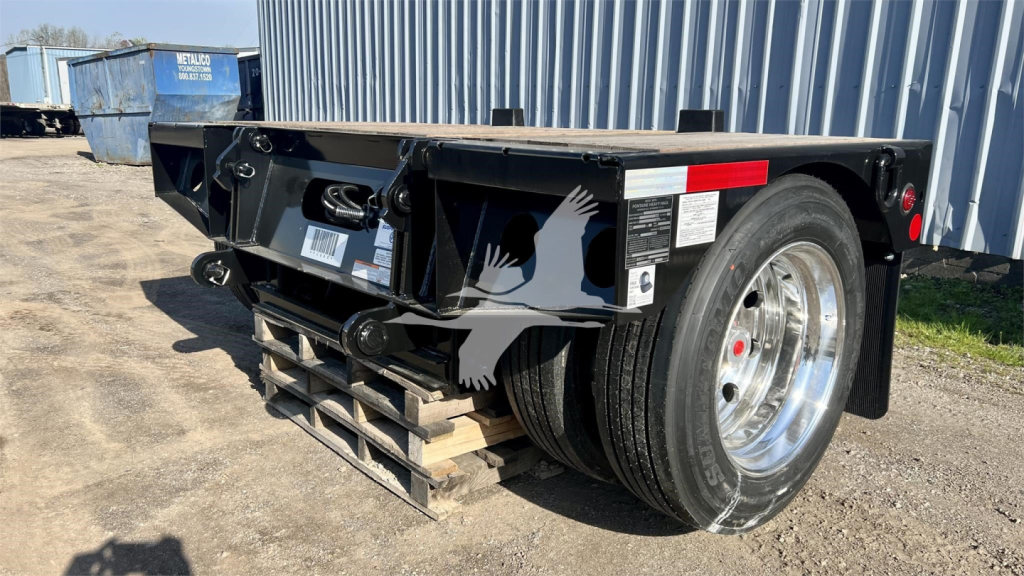
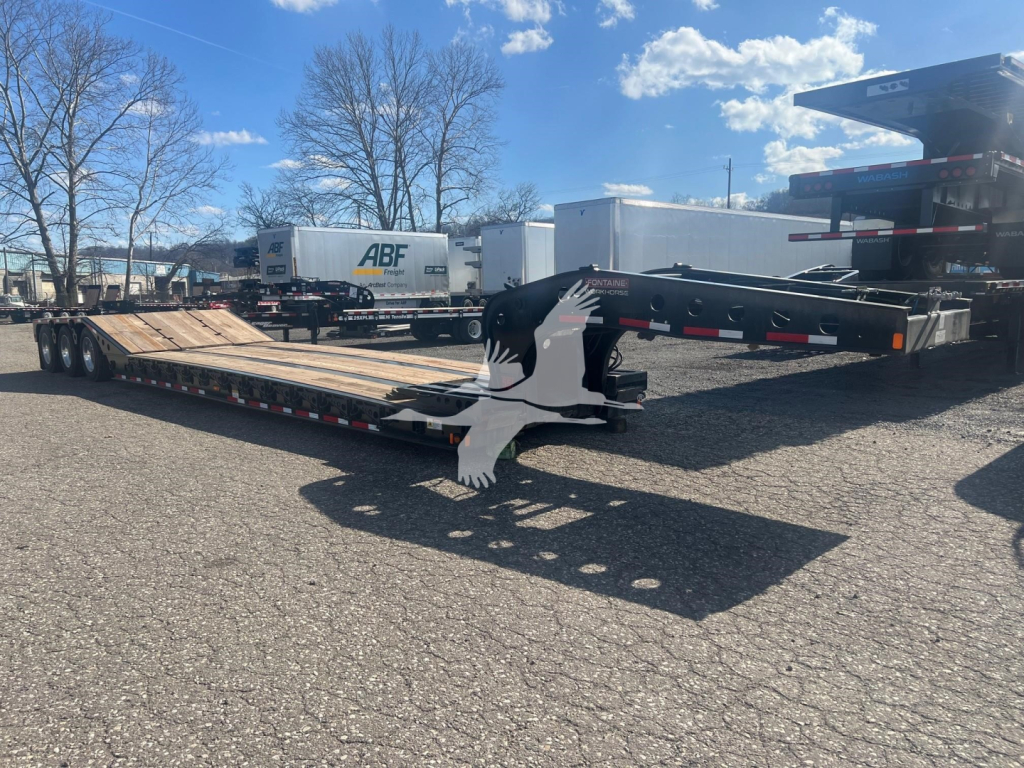
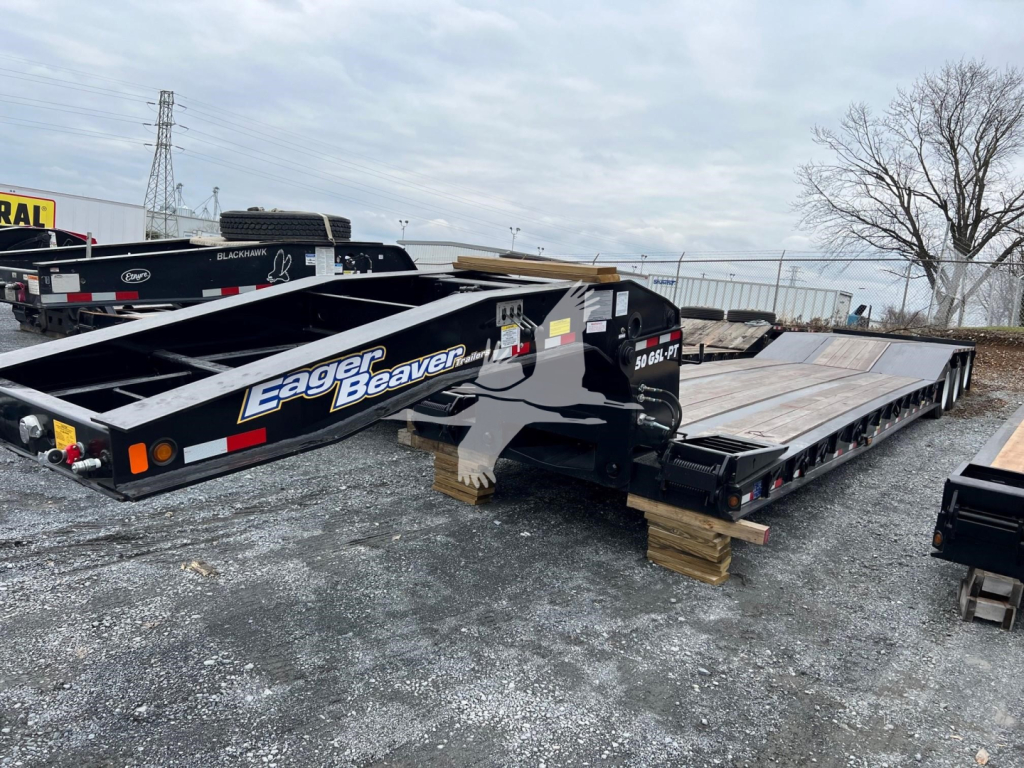
A lot of the buying decision comes down to capacity and deck configuration. XL Specialized models in this class commonly fall into the 55-ton range in a 12-foot concentrated load rating, with tri-axle setups and compatibility for a flip axle or spreader bar when higher legal payloads are needed. Key specs to compare include loaded deck height, main deck length, rear deck length, kingpin settings, axle spacing, and swing clearance. Many trailers in this category use air ride suspension, 275/70R22.5 rubber, 102-inch overall width, and hydraulic non-ground-bearing goosenecks. For operators hauling taller iron, a 15-inch loaded deck height can make a real difference on bridge and route planning, while an 18-inch deck may still be a strong fit depending on terrain, load style, and ground clearance needs.
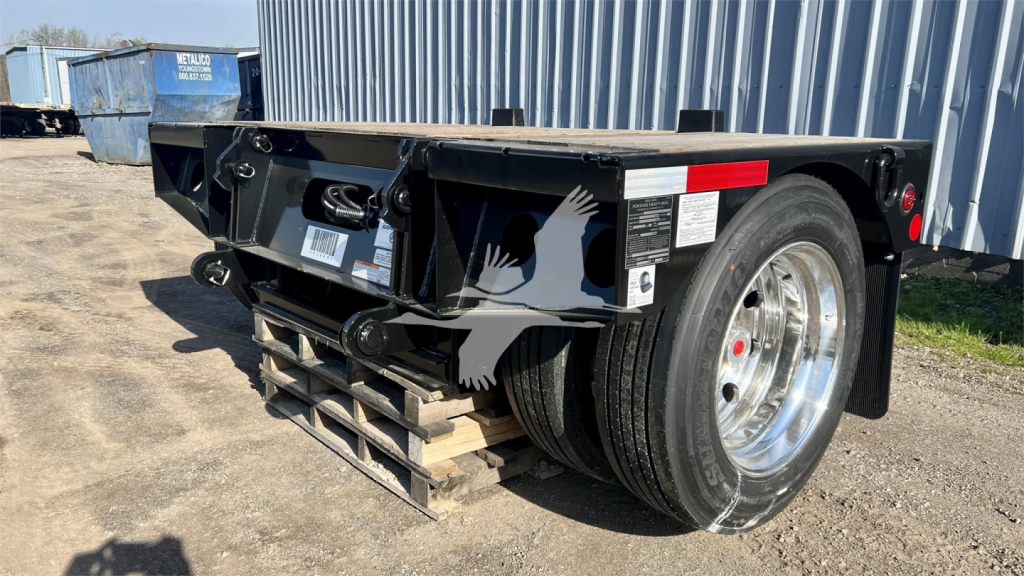
XL Specialized lowboys are also known for practical heavy haul details that matter in daily use. Apitong flooring, fabricated I-beam side rails, swing-out outriggers, chain drops on close centers, bent D-rings, bucket wells, and boom trough or center-open deck arrangements all improve versatility across different machine types. A rear air-lift axle, manual dump valve, and ride height control help with loading and weight transfer, while battery-backed strobes, flag holders, and rear receptacles support oversize work and escort requirements. If your loads vary from compact equipment one day to wider tracked machines the next, securement layout and outrigger spacing are just as important as raw tonnage.
For a buyer comparing new XL Specialized lowboy trailers for sale, the smart approach is to match trailer geometry to the freight you actually move most often. Concentrated rating matters, but so do deck length, well style, rear deck design, and how easily the trailer can be expanded with a flip axle. Pennsylvania operators should also pay attention to permit strategy, axle group requirements, and how trailer weight affects legal payload on common heavy haul routes. A well-matched XL lowboy can reduce loading time, improve securement flexibility, and give you a trailer that stays useful across changing jobsite and permitting demands.
Frequently Asked Questions about New XL Specialized Lowboy Trailers in Pennsylvania
What is the advantage of a hydraulic detachable gooseneck lowboy trailer?
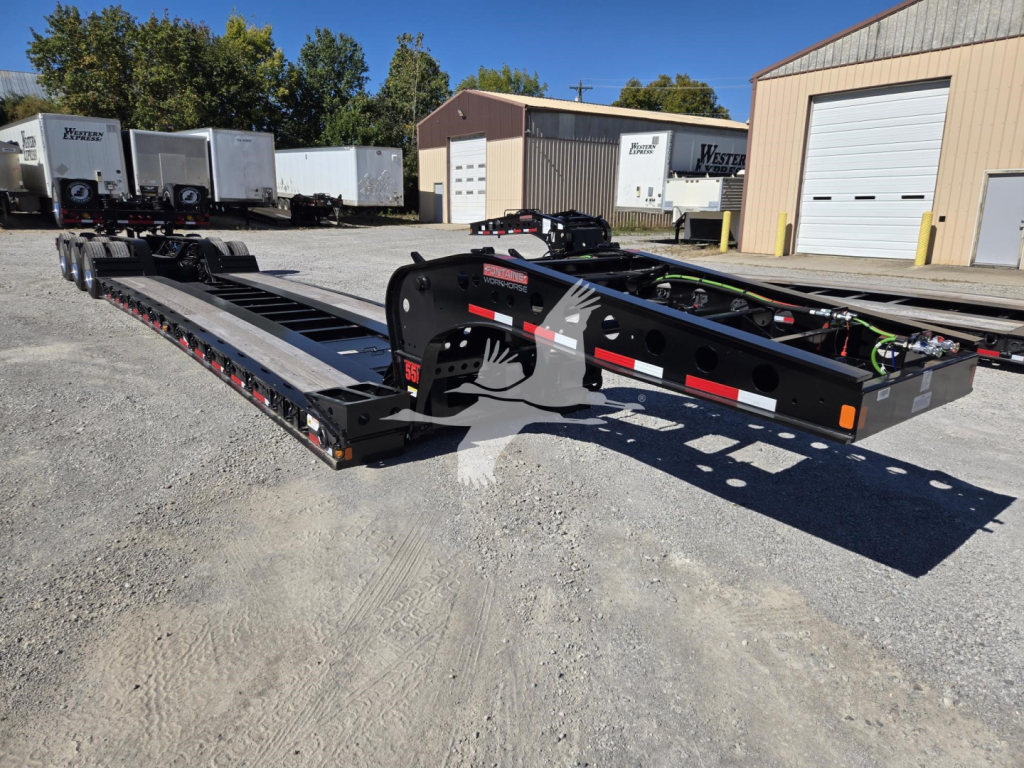
A hydraulic detachable gooseneck lowboy lets equipment be driven onto the deck from the front after the neck is removed, which simplifies loading for tracked and wheeled machines. It also reduces dependence on steep rear loading angles and can be safer and faster when moving larger construction equipment. For many heavy haul operations, the detachable design is the standard choice because it improves loading efficiency and works well with taller or heavier machinery.
What does a 55-ton in 12-foot rating mean on a lowboy trailer?
A 55-ton in 12-foot rating refers to the trailer’s concentrated load capacity over a 12-foot section of the deck, not simply the maximum gross weight of anything placed anywhere on the trailer. This matters because heavy equipment often places most of its weight in a short footprint, especially under tracks or axle groups. Buyers should compare concentrated load ratings along with GVWR, axle configuration, and permitted axle setups to make sure the trailer fits the actual machine weights and load distribution they plan to haul.
Why do deck height and swing clearance matter on an XL Specialized lowboy?
Deck height affects overall loaded height, route flexibility, and center of gravity. A lower loaded deck can help keep taller machines under permit thresholds and improve stability. Swing clearance matters when loading machines with low-hanging components or long overhangs, because it determines how much space is available between the gooseneck and deck area during transitions. These two measurements are critical when hauling excavators, pavers, and other equipment with complex undercarriage or attachment geometry.
Should I choose a lowboy that accepts a flip axle?
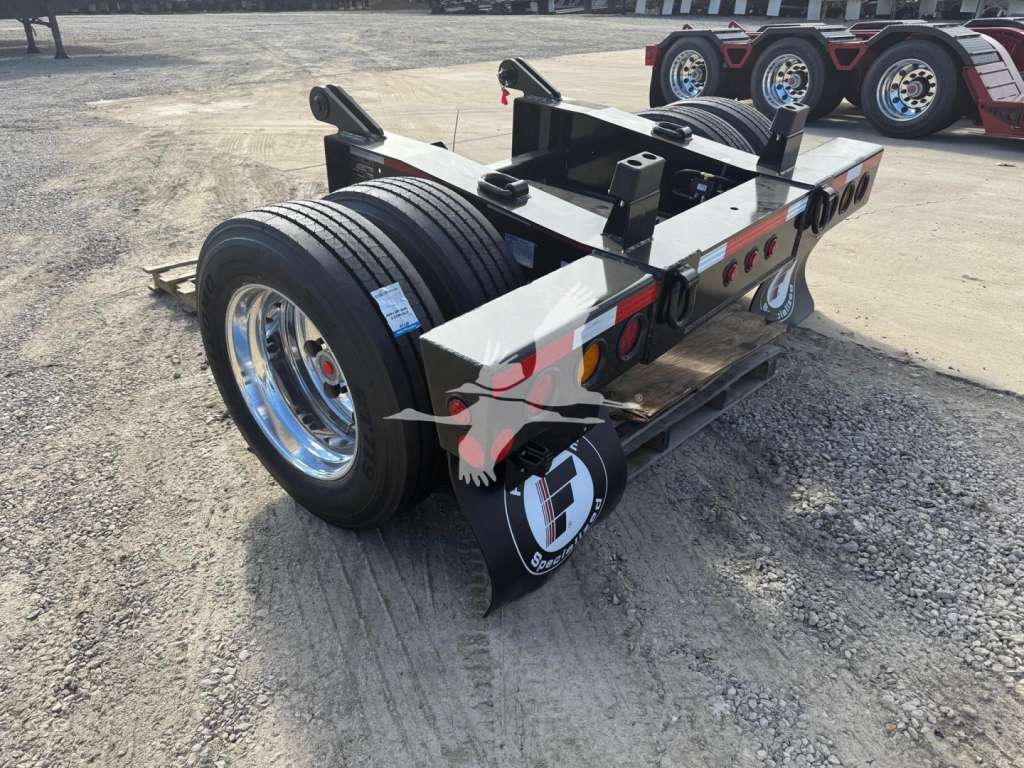
If your operation regularly handles heavier permitted loads, a lowboy that accepts a flip axle gives you more flexibility. A flip axle can help distribute weight across additional axle positions and may improve legal carrying capability depending on state rules and permit conditions. Even if the trailer is used initially in a standard tri-axle configuration, rear connections for a future flip axle can add long-term value and make the trailer more adaptable as job requirements change.
What securement and deck features are most important on a heavy haul lowboy trailer?
The most useful features depend on the freight, but buyers usually focus on D-ring count and placement, chain drops, outriggers, flooring material, bucket wells, and any center-open or boom trough design. Apitong flooring is common for durability, while swing-out outriggers help support wider loads. A strong securement layout saves time and gives more tie-down options for different machines, especially when hauling mixed fleets of excavators, dozers, rollers, and specialty equipment.