
Used Talbert Lowboy Trailers For Sale in Pennsylvania
Have used talbert lowboy trailer to sell? List it here to reach thousands of buyers.
Used Talbert Lowboy Trailers in Pennsylvania
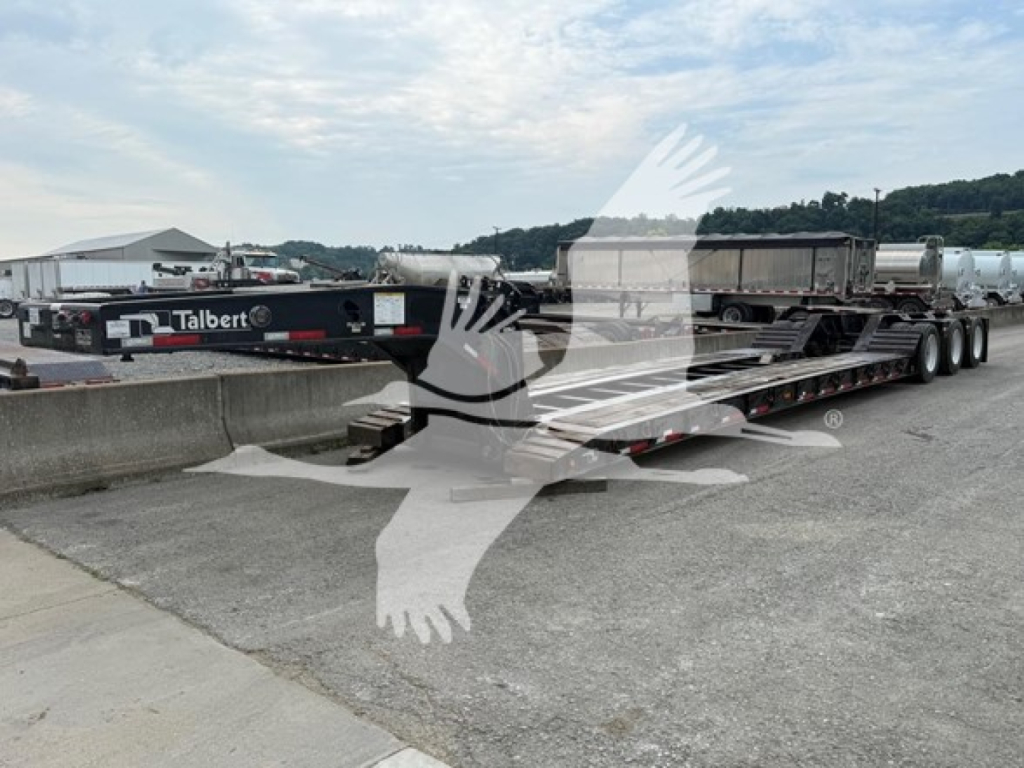
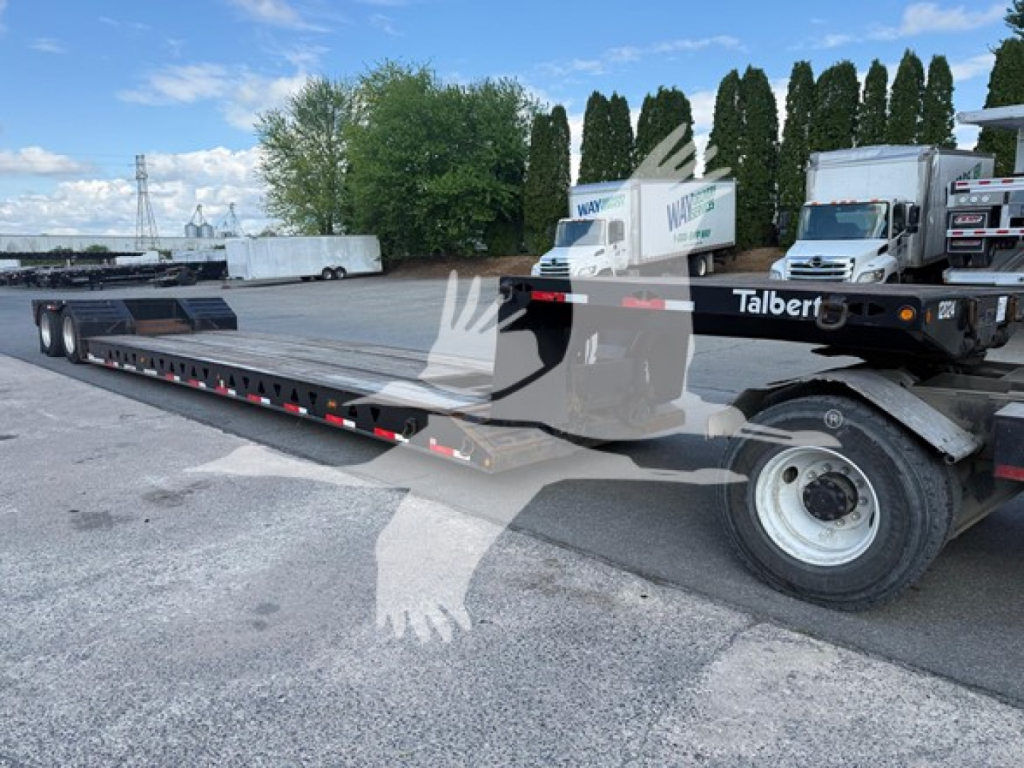
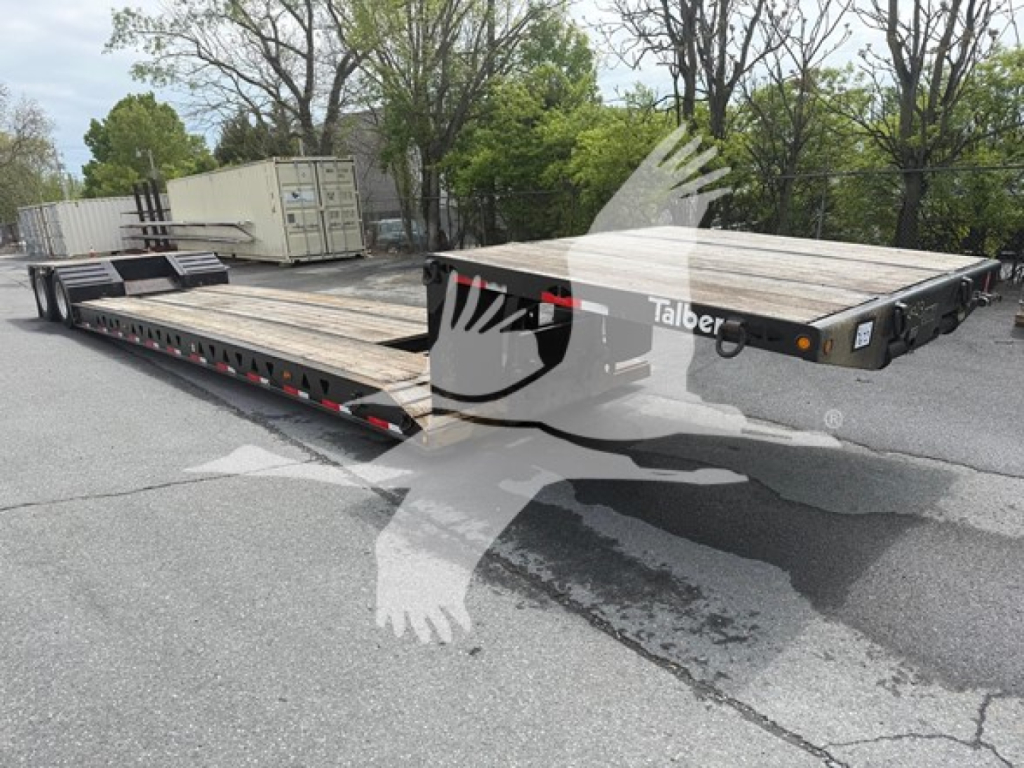
Common Talbert lowboy specs include 102-inch overall width, deck heights around 18 to 20 inches, Apitong or wood flooring, steel perimeter frames, and air ride suspensions from brands such as Ridewell. Capacity is a major breakpoint. Many buyers shop 30 ton and 55 ton classes first, then narrow the search by deck length, number of axles, and whether the trailer accepts a flip axle or jeep for added payload flexibility. Main deck clear length is critical if you are hauling excavators, dozers, pavers, or crushers with long track stance or rear overhang. Kingpin setting, loaded fifth wheel height, axle spacing, and crossmember spacing also deserve attention because they affect tractor compatibility, bridge law compliance, and how the trailer handles concentrated machine weight.
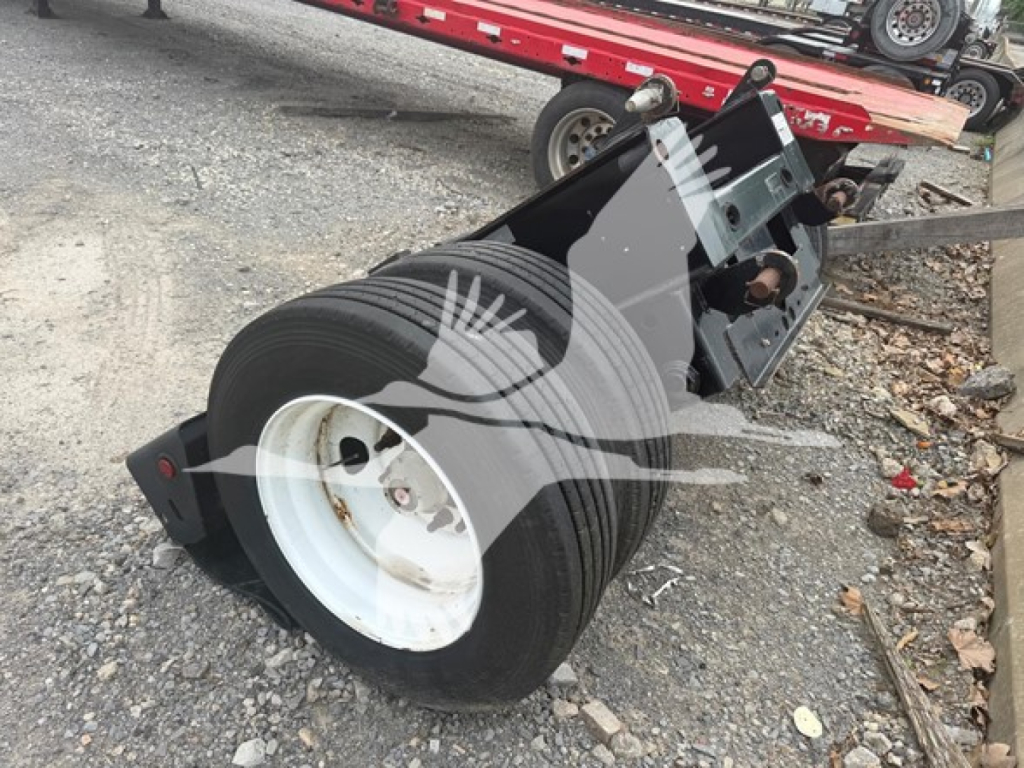
A used Talbert lowboy should be evaluated like a working heavy-haul asset, not just a deck with axles. Check neck connection points for wear, inspect the frame rails for repairs or cracks, and pay close attention to suspension condition, brake percentages, tire match, and ride height controls. On detachable units, look at the neck cylinders or mechanical hook-up points, deck-to-neck alignment, and signs of repeated impact from aggressive loading. Features such as D-rings, flag holders, strobe lights, lift axles, dump valves, tire inflation systems, and flip axle connections add real operational value if they match the freight profile. In Pennsylvania and surrounding states, annual inspections, lighting condition, and brake performance can be especially important for buyers planning to put a trailer right to work.
The best used Talbert lowboy for sale is usually the one matched to the equipment fleet, not simply the highest tonnage rating on paper. A 30 ton tandem mechanical detach can be a smart choice for daily equipment moves with faster turnaround and lower empty weight, while a 55 ton hydraulic detachable model makes more sense for larger iron and jobs that demand lower loading angles and more secure loading support. Buyers should compare deck layout, free-and-clear deck space, axle count, attachment compatibility, and available accessories before focusing on paint or brand decals. Talbert trailers tend to hold value because parts support, resale demand, and heavy-duty construction remain strong in the used lowboy market.
Frequently Asked Questions about Used Talbert Lowboy Trailers in Pennsylvania
What is the difference between a Talbert mechanical detach and a hydraulic detachable lowboy?
A mechanical detach uses a fixed mechanical connection and typically requires a more manual hookup and unhook procedure, while a hydraulic detachable gooseneck uses hydraulic cylinders to assist separation and loading. Mechanical detach trailers are often simpler and can be attractive for fleets that want less hydraulic complexity. Hydraulic detach models usually offer easier loading, better control, and lower approach angles for heavier or lower-clearance equipment.
What capacity should I look for in a used Talbert lowboy trailer?
Capacity depends on the machine weight, axle loading, and how the load is distributed across the deck. A 30 ton lowboy can work well for many excavators, skid steers with attachments, and mid-size construction equipment, while a 55 ton model is better suited for larger dozers, loaders, and other heavy iron. Buyers should verify not only the advertised ton rating, but also the rating in a stated deck length, since many lowboys are rated by how weight is carried over a specific portion of the deck.
Why does deck height matter so much on a lowboy trailer?
Deck height is one of the main reasons to choose a lowboy. A loaded deck height around 18 to 20 inches helps keep tall equipment under legal height limits and improves route flexibility. Lower deck height can also help with machine stability in transit, but buyers still need to consider ground clearance, loading angle, and whether the trailer design fits the type of equipment being hauled.
What should I inspect first on a used Talbert lowboy?
Start with the frame, gooseneck, suspension, brakes, tires, and deck structure. Look for cracks, weld repairs, elongated pin holes, worn neck components, and uneven tire wear that could indicate alignment or suspension issues. On detachable trailers, inspect neck engagement areas and loading surfaces carefully because repeated equipment loading puts the most stress on those points. Inspection records, brake condition, and tire inflation systems can also affect near-term operating cost.
Are flip axles important on Talbert lowboy trailers?
Flip axles matter if you need more flexibility in payload and axle grouping. A compatible flip axle can help distribute weight and support heavier loads, which is useful for buyers running varied heavy-haul jobs. If a trailer is already set up for a specific Talbert flip axle or rear connection, that can be a meaningful advantage because matching components correctly is important for legal weight distribution and safe operation.