
Trailers For Sale in Louisiana
Browse trailers for sale in Louisiana, including flatbed and dump trailers with specs on axles, suspension, materials, and hauling setups.
Selling a trailer? List your trailer for sale and reach thousands of commercial buyers.
Trailers in Louisiana
For flatbed trailer buyers, the big decisions usually come down to length, frame design, and cargo securement layout. A 48-foot by 102-inch deck is one of the most common specs because it fits a broad mix of legal freight and dock-independent loading. Combo trailers, built with steel and aluminum, are popular when operators want lower tare weight without giving up frame strength in high-stress areas. Details like 30-inch kingpin settings, 12-inch crossmember spacing, aluminum floors with wood nailers, stake pockets on 24-inch centers, sliding winches, full-length winch tracks, recessed chain ties, and coil packages matter because they directly affect what freight the trailer can handle and how quickly it can be secured.
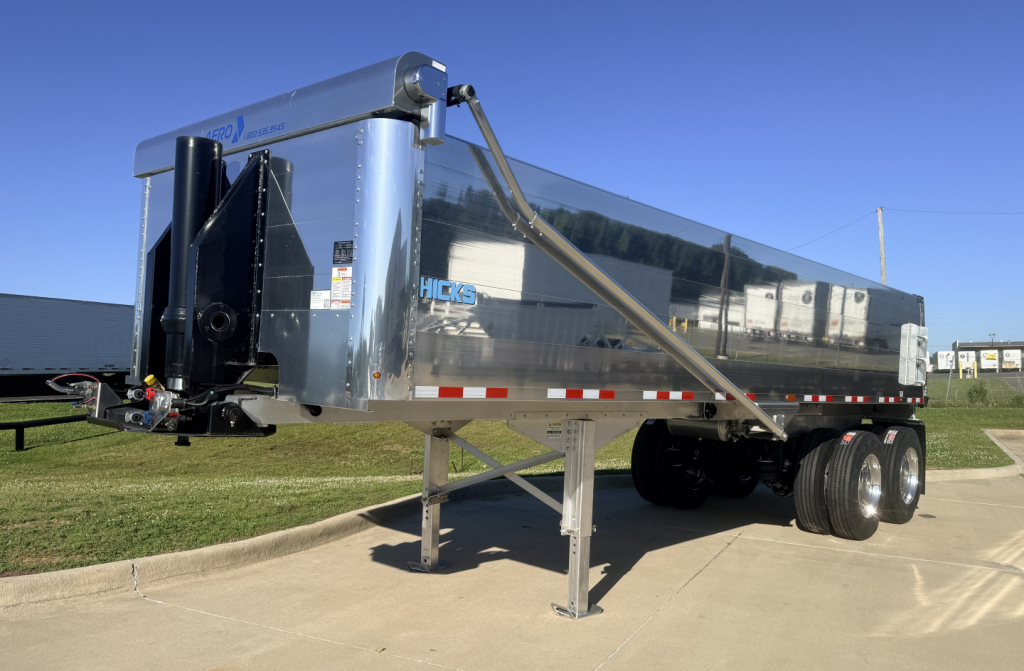
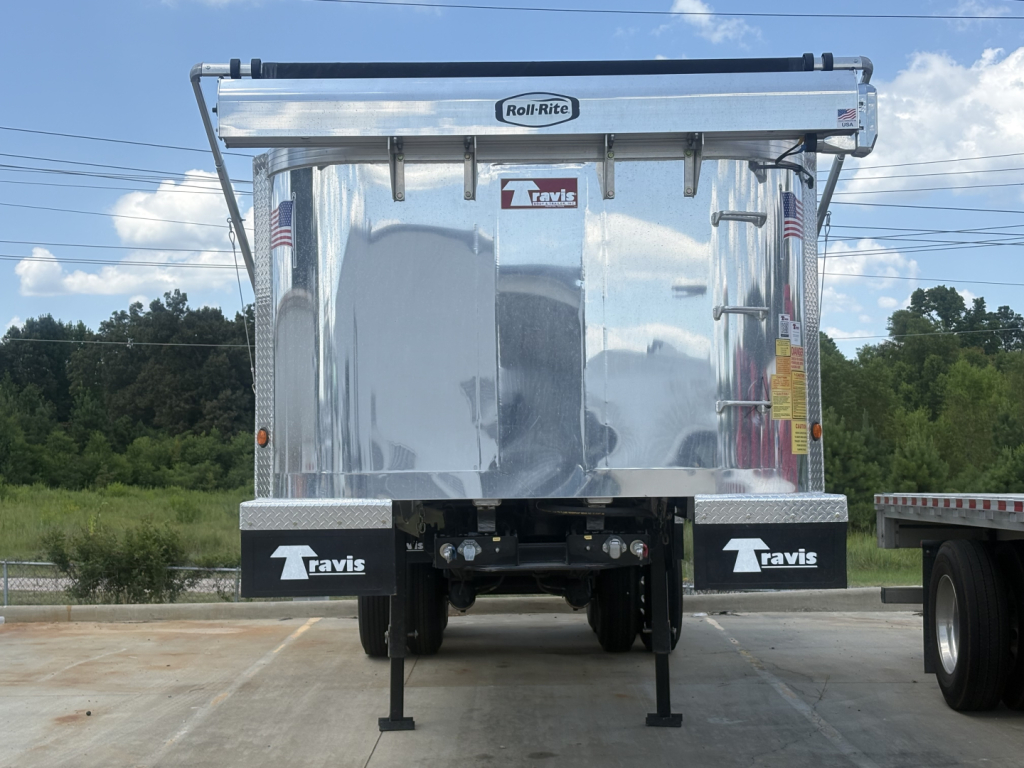
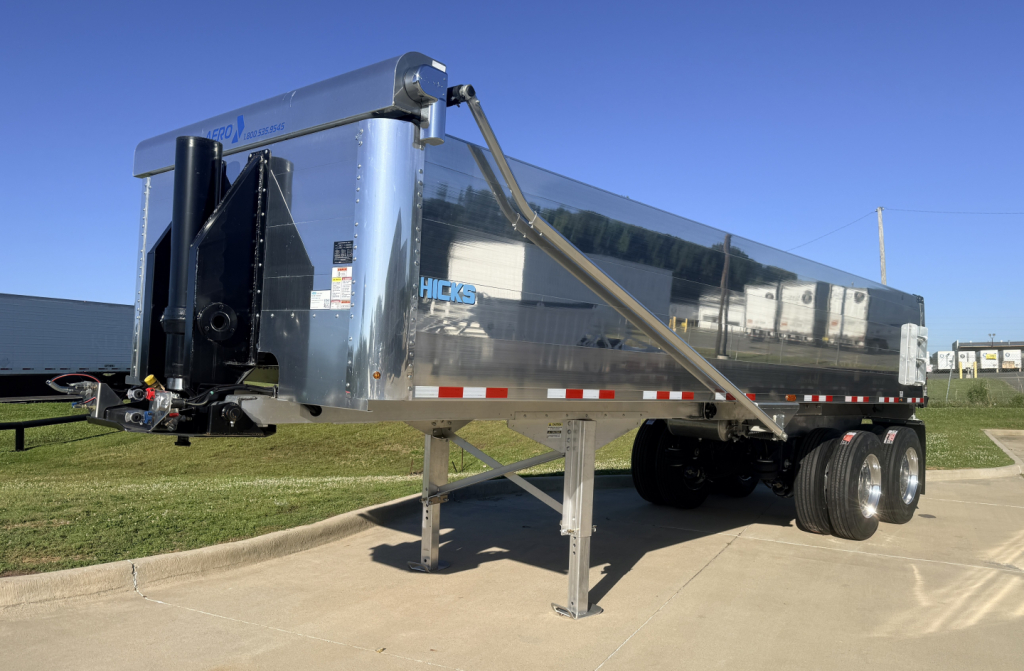
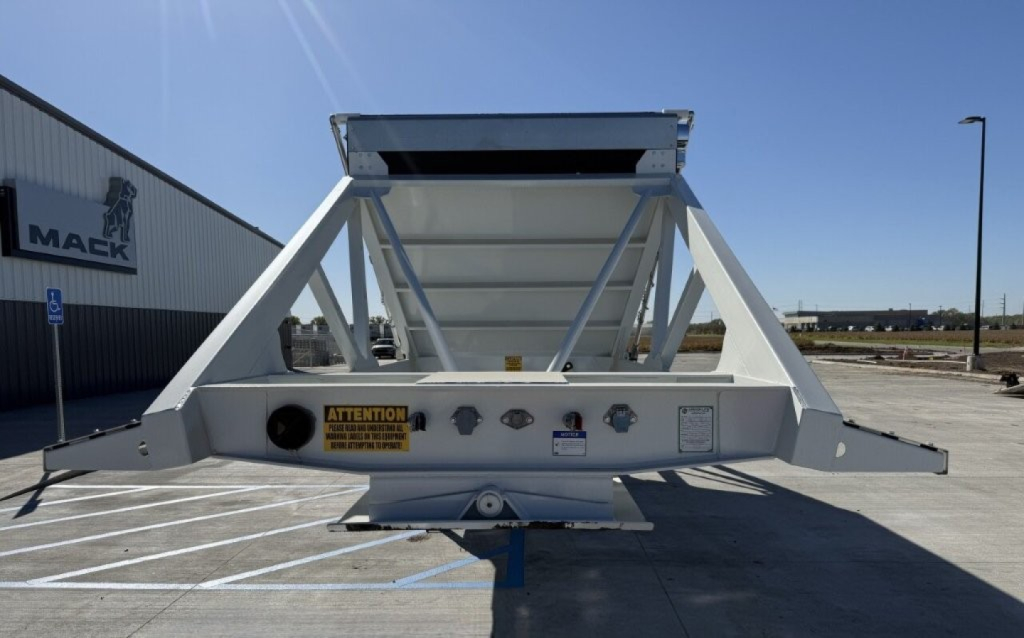
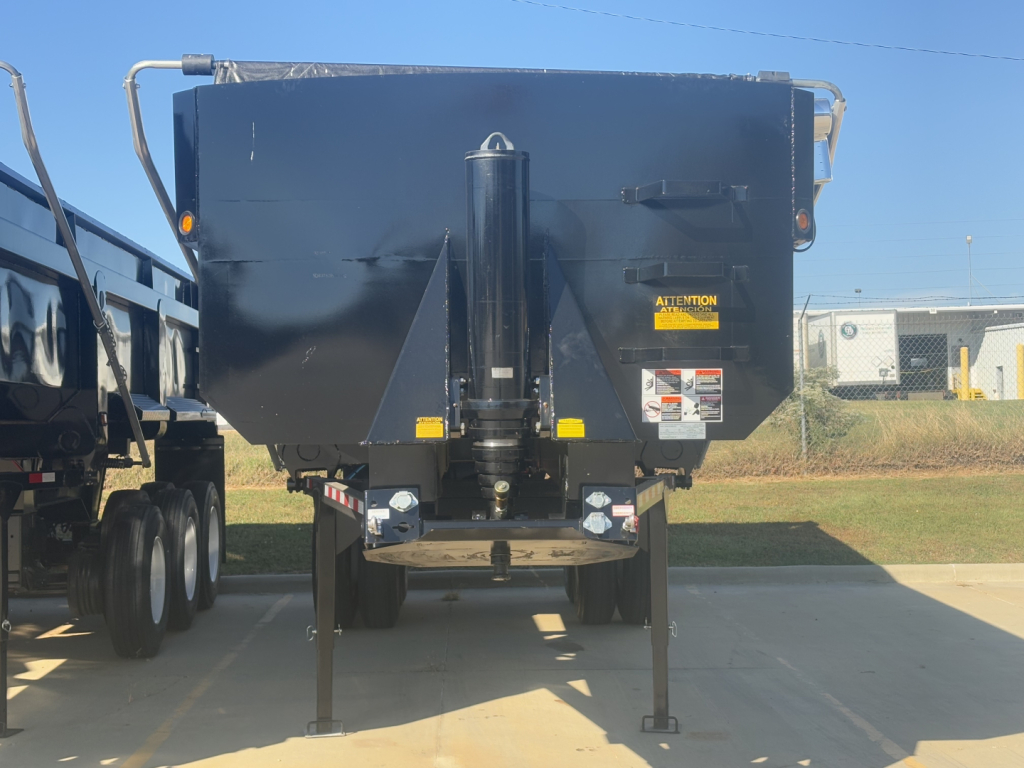
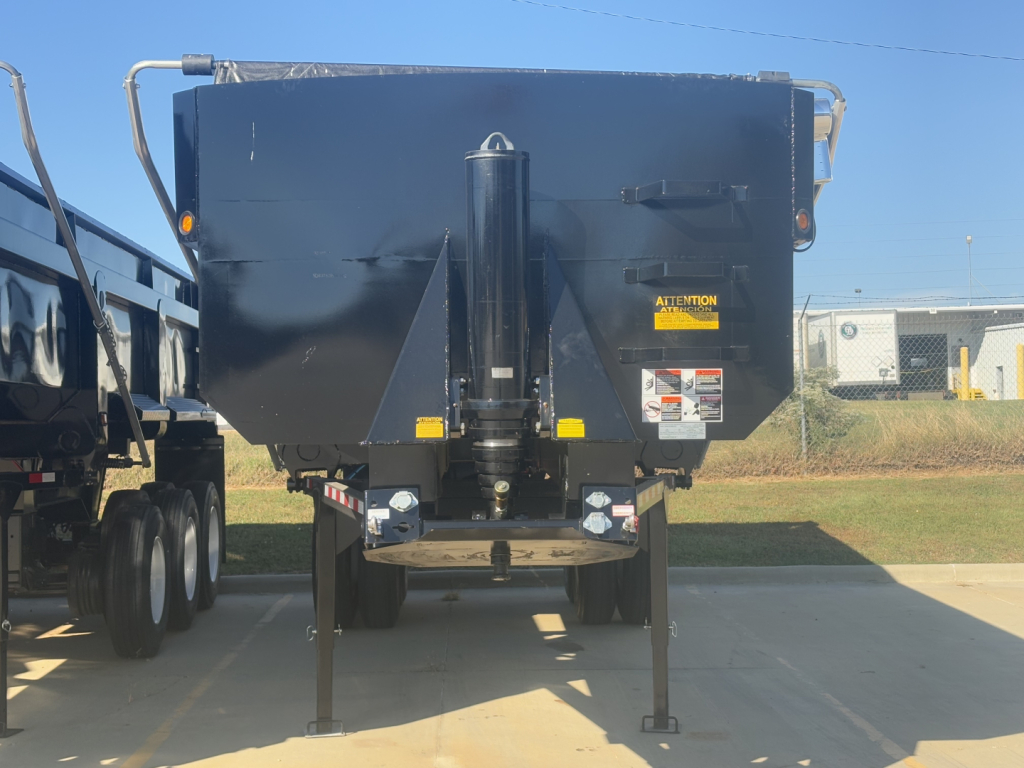
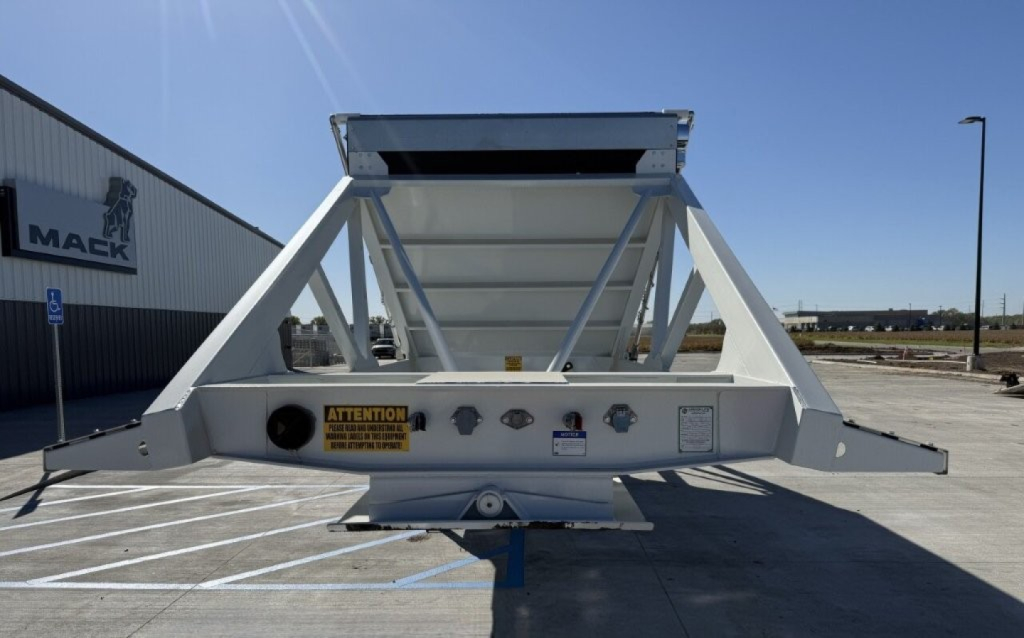
Dump trailer buyers usually focus first on body style, liner and tarp equipment, and how the suspension is set up for their haul profile. An aluminum frameless end dump is a common fit for operators chasing lighter weight and corrosion resistance, especially when hauling sand, gravel, millings, or other bulk products in wet or coastal conditions. Features such as electric flip tarps, body liners, air-ride suspension, and auto-sensing lift axles can improve payload management, cleanout, and tire life. In Louisiana, that matters because a trailer may see a mix of highway miles, uneven access roads, and frequent exposure to moisture, mud, and corrosive material.
Across trailer categories, buyers should pay close attention to suspension brand, brake type, wheel material, tire size, flange ratings, and maintenance access. Air-ride systems from major suppliers like Hendrickson are common because parts availability and service familiarity are strong. Aluminum wheels can reduce weight, while steel wheels often lower replacement cost. A buyer comparing trailers in Louisiana should also think about bridge law compliance, axle spread or slider needs, kingpin-to-rear axle dimensions, and how the trailer will hold up in a humid environment. The right trailer is less about the badge on the nose and more about matching tare weight, structural design, and spec detail to the freight, route, and loading method.
Frequently Asked Questions about Trailers in Louisiana
What type of trailer is most common for general freight in Louisiana?
Flatbed trailers are among the most common choices for general freight because they can handle building materials, steel, equipment, pipe, and palletized loads that do not require a van body. A 48-foot by 102-inch flatbed with tandem axles is a common configuration because it fits a wide range of legal loads and has strong resale value. Buyers should still match the deck, securement equipment, and axle arrangement to the freight they haul most often.
Is an aluminum trailer better than a steel or combo trailer?
Aluminum trailers usually offer lower tare weight and better corrosion resistance, which can help maximize payload and reduce long-term rust concerns. Steel trailers can offer durability and lower repair cost in some applications. Combo trailers split the difference by using steel in high-stress structural areas and aluminum where weight savings matter. The best choice depends on payload goals, operating environment, repair preferences, and the type of cargo or material being hauled.
What should I look for in a flatbed trailer spec?
The most important flatbed specs include overall length and width, kingpin setting, axle layout, suspension type, crossmember spacing, floor construction, and cargo securement hardware. Buyers hauling steel coils, machinery, or dense freight should look closely at coil packages, chain tie placement, flange ratings, and winch track design. These details affect load versatility, securement speed, and how well the trailer holds up under concentrated weight.
What matters most when buying a dump trailer?
Body construction, cubic capacity, material choice, liner, tarp system, hoist design, and axle configuration are key factors on a dump trailer. Frameless end dumps are common where payload is a priority, while frame-type dumps may be preferred in rougher applications depending on use. Buyers should also consider air-ride versus spring suspension, lift axle options, and how the trailer will perform with the material being hauled, especially if sticky or abrasive loads are common.
Why does suspension type matter on a trailer?
Suspension affects ride quality, cargo protection, tire wear, and maintenance cost. Air-ride suspension is widely used on both flatbed and dump trailers because it helps manage road shock and can improve load stability on uneven pavement. In applications with frequent highway use or variable load weights, air-ride often provides a better overall operating balance. Spring suspension may still appeal in some vocational settings where simplicity and lower upfront cost are priorities.