
New Viking Log Trailers For Sale
New Viking log trailers built for timber hauling, with lightweight frames, bolsters, axle options, and specs suited to plantation and pulpwood work.
Learn more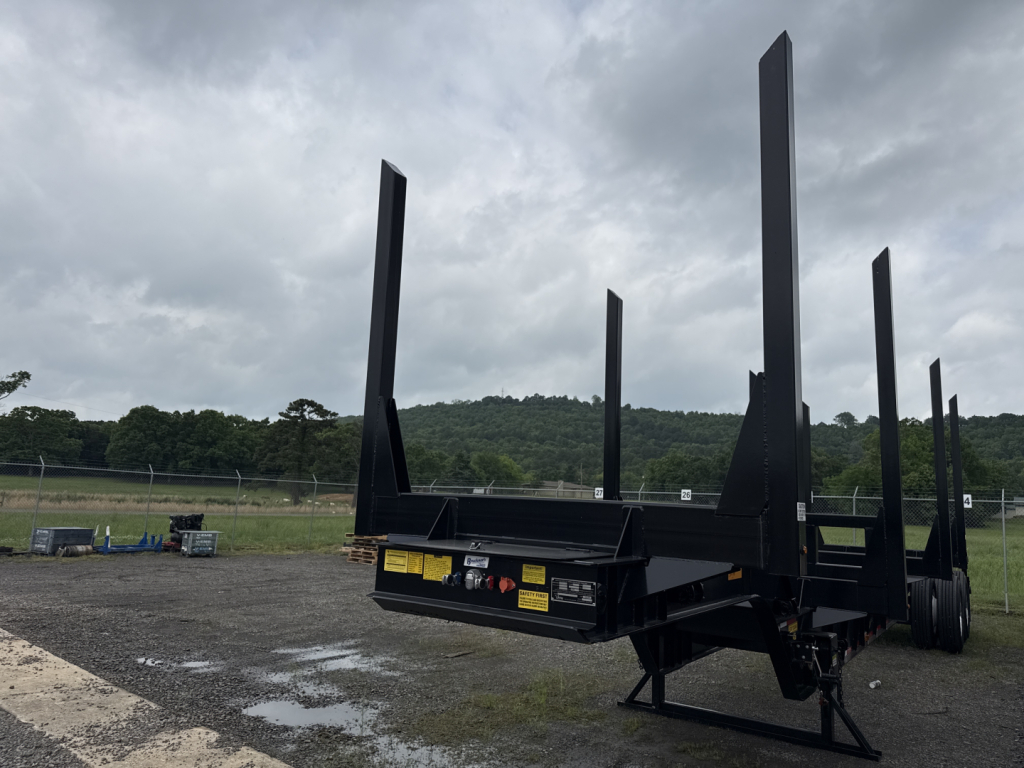
Have new viking log trailer to sell? List it here to reach thousands of buyers.
About New Viking Log Trailers
Bolster design, grapple bar setup, and suspension choice matter more on a log trailer than many first-time buyers expect. A 4-bolster trailer is a common fit for plantation wood, cut-to-length timber, and regional pulp markets because it provides solid load support without adding unnecessary tare weight. Features such as a 5-inch grapple bar, winch placement, and rear landing gear configuration affect how quickly the trailer can be loaded, tightened down, and turned at the mill or landing. Single-point suspension is often selected for its simplicity and ruggedness in off-road conditions, while drum brakes remain a standard, serviceable choice for fleets that prioritize straightforward maintenance.
Tire and wheel specification also affects operating cost. Many buyers in this category look for 11R24.5 rubber and aluminum outside wheels to balance durability, replacement availability, and weight savings. On a new unit, it is worth comparing kingpin setting, axle spread, bunk spacing, and overall deck geometry to the type of timber being hauled. Plantation thinning, tree-length hardwood, and mixed southern pine can all call for slightly different trailer dimensions and load securement preferences. Integrated load cells and onboard electronics are increasingly attractive for fleets that want better payload visibility, reduced overload risk, and cleaner data at the scale house.
Viking log trailers are generally aimed at operators who need a straightforward timber trailer with practical specs and a strong payload focus. When comparing listings, pay close attention to empty weight, bolster spacing, frame drop, suspension type, brake package, and whether the trailer is set up for the wood basket and haul pattern used in your area. The right log trailer is not just about published capacity. It is about matching the trailer to the species, average stem length, road conditions, loader method, and state weight laws that shape everyday timber hauling.
Frequently Asked Questions
What should I look for first when buying a new log trailer?
Start with tare weight, bolster configuration, frame design, and axle rating. A lighter trailer can improve legal payload, but it still needs the right bolster spacing and frame strength for the wood you haul. Buyers should also confirm suspension type, brake package, tire size, and landing gear arrangement because those details affect durability, serviceability, and loading speed in daily timber operations.
How many bolsters are common on a Viking log trailer?
Four bolsters are common on lightweight plantation-style log trailers, especially in pulpwood and southern timber applications. That setup usually provides a good balance of load support and low empty weight. The best bolster count still depends on the average log length, species, and how tightly operators need to build and secure the load.
Why does a drop-center frame matter on a log trailer?
A drop-center frame lowers the load position between the axles and the front section of the trailer. That lower center of gravity can improve stability on uneven haul roads and during highway transport. It can also help with loader access and load shape, depending on the type of timber being handled.
Are load cells worth having on a new log trailer?
Load cells can be valuable for fleets and owner-operators trying to manage payload more precisely. They help reduce guesswork during loading, cut the risk of overweight tickets, and provide better visibility into how each load is built. For operations paid by weight, onboard scale systems can also support faster, more consistent loading decisions.
What axle and tire specs are typical on a new log trailer?
Many new log trailers in this class use tandem axles rated around 25,000 lb each and 11R24.5 tires. That combination is common because it offers a strong balance of capacity, parts availability, and service familiarity. Final spec choice should always be checked against state bridge laws, expected payload, road conditions, and the type of timber hauled.