
Livestock Trailers For Sale
Browse livestock trailers for cattle, hogs, and mixed hauling. Compare lengths, axle setups, decking, gates, floors, and ventilation features.
Learn moreNo exact matches found for your search
Showing Trailers instead.
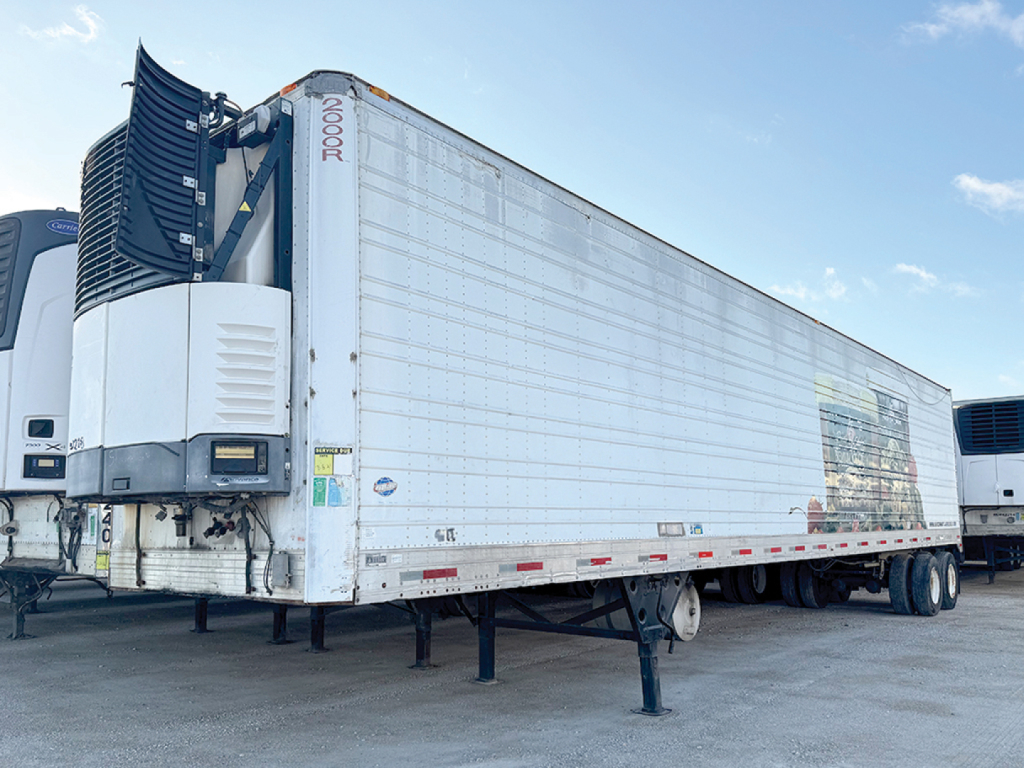
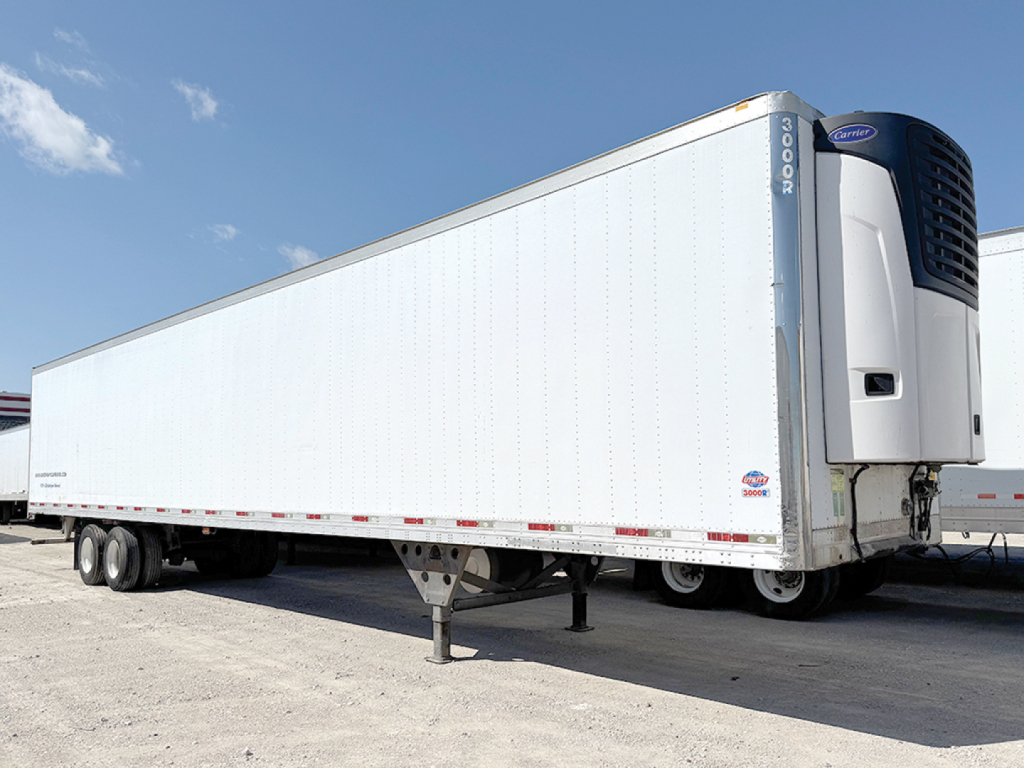
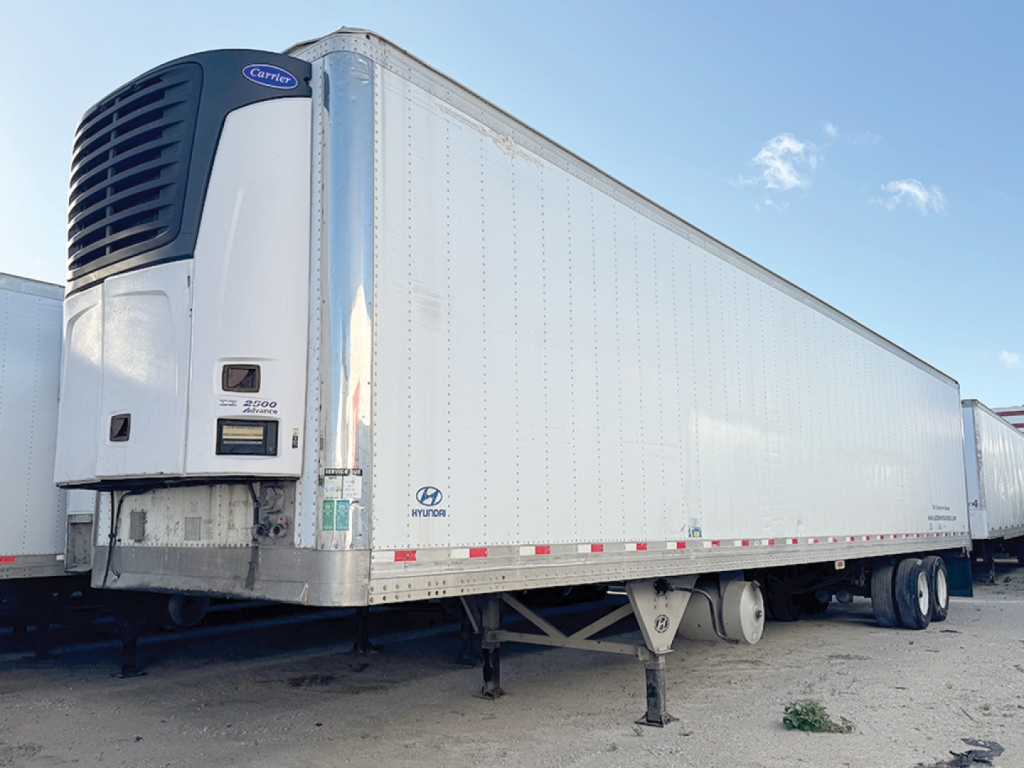
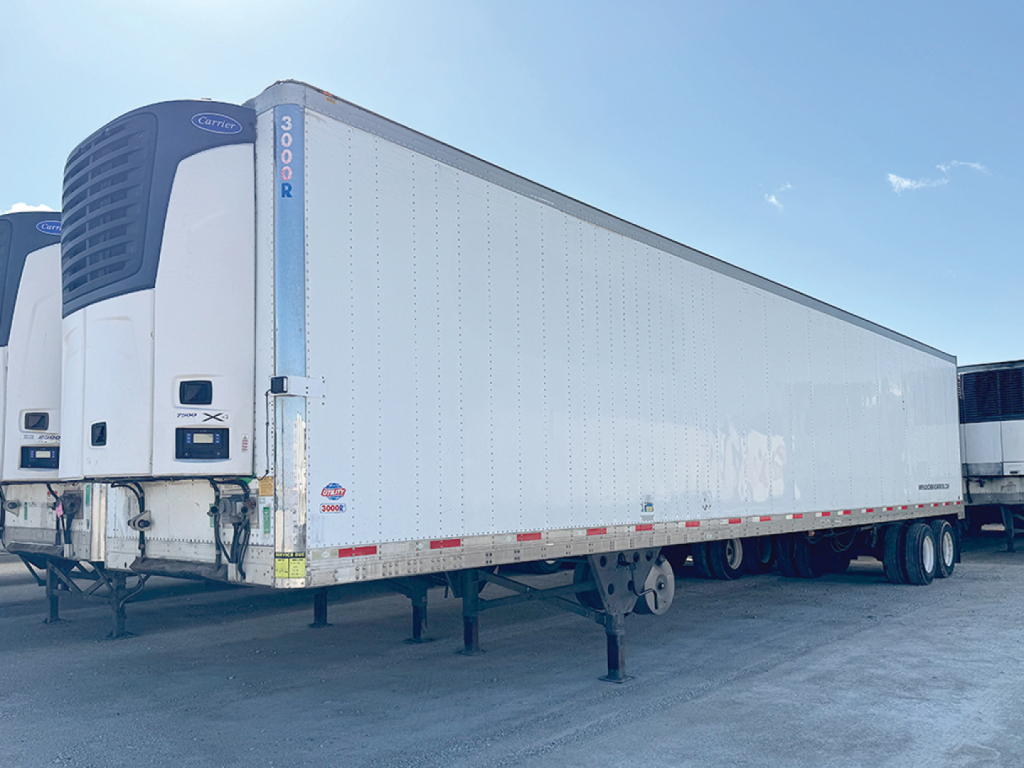
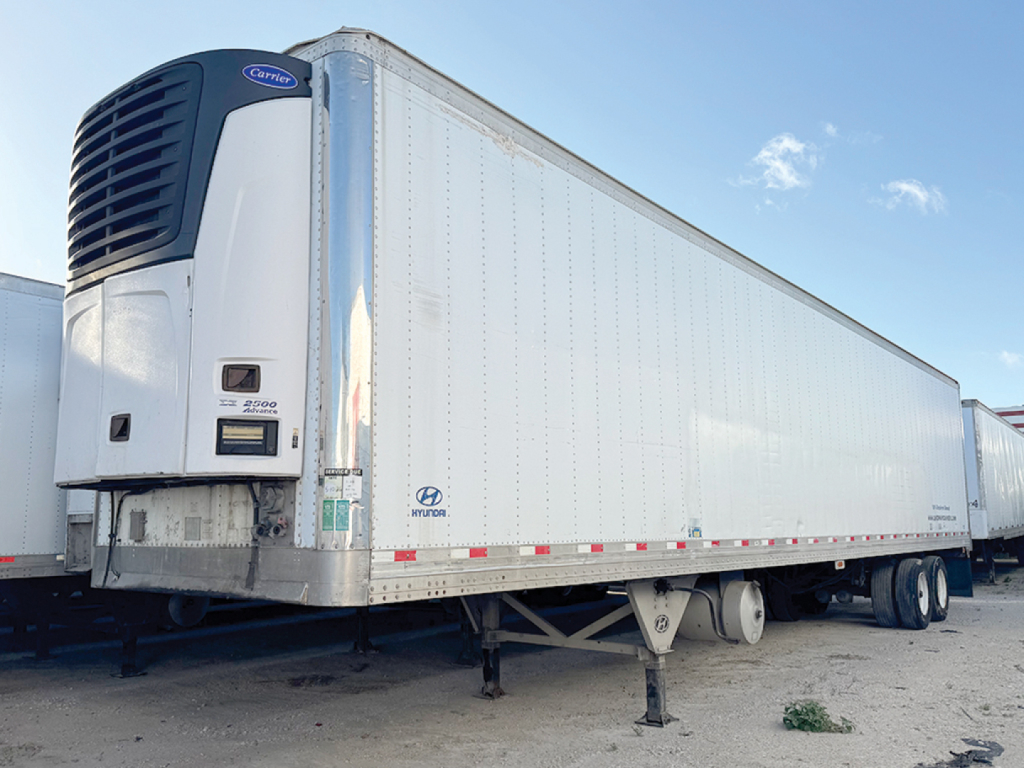
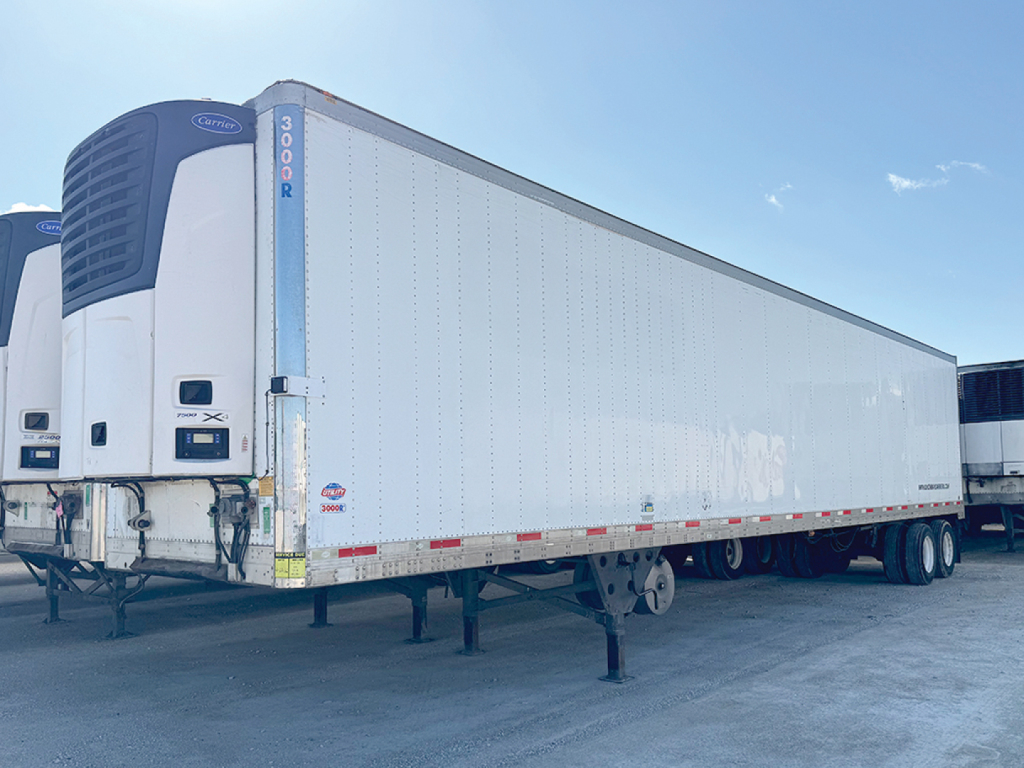
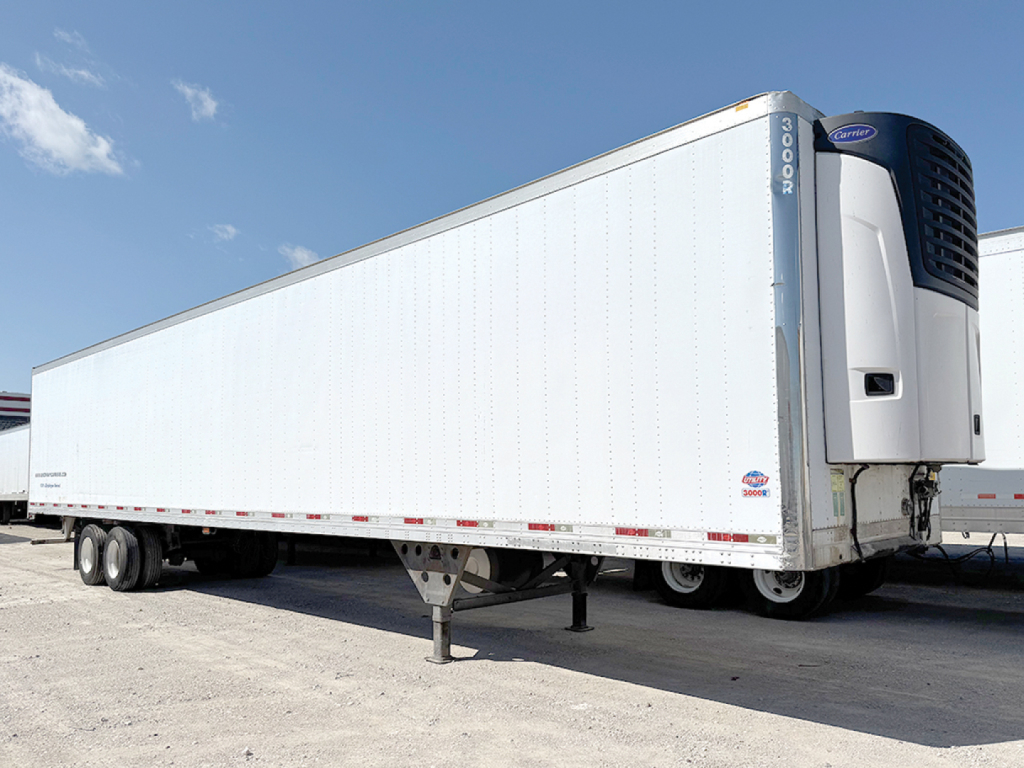
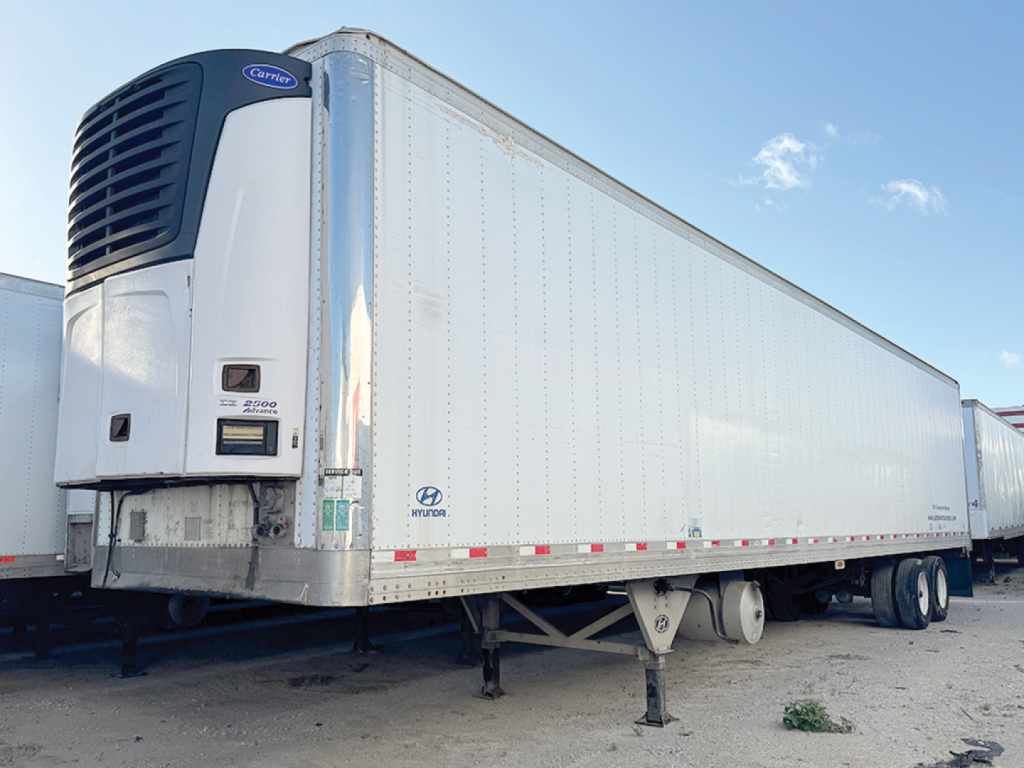
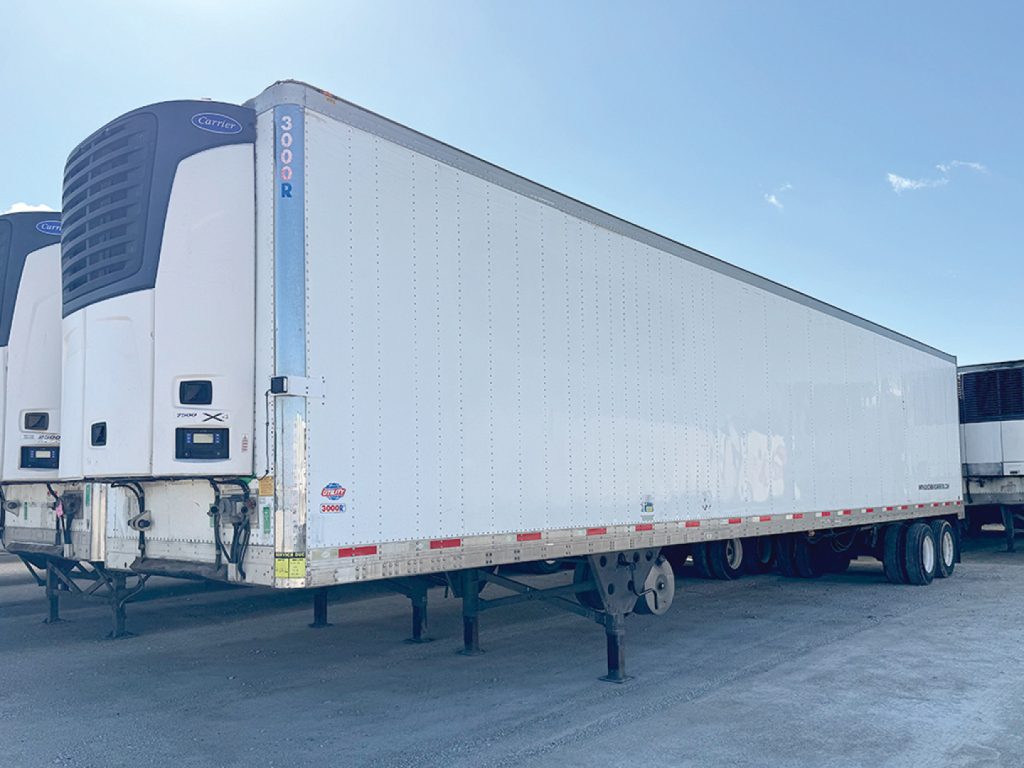
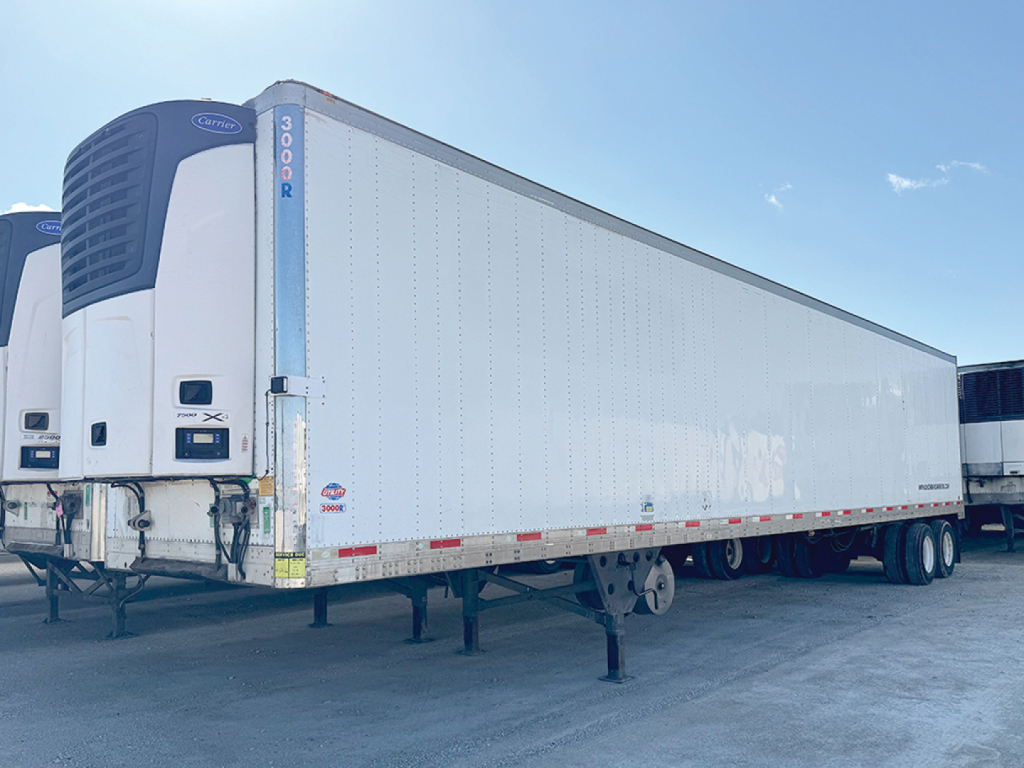
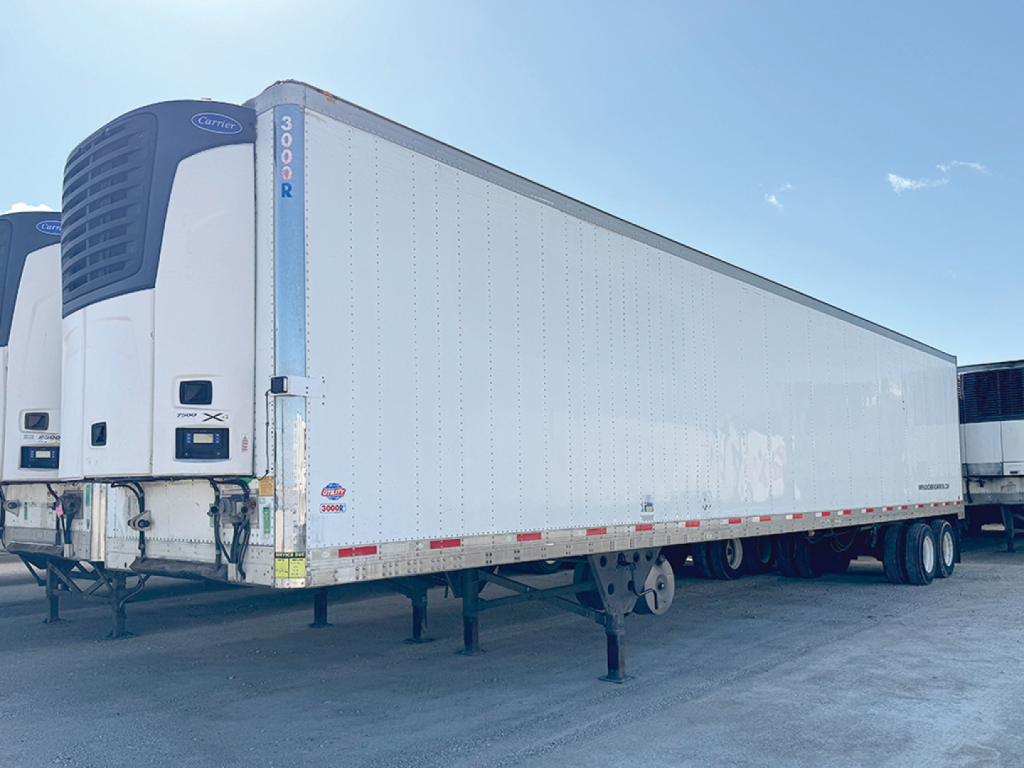
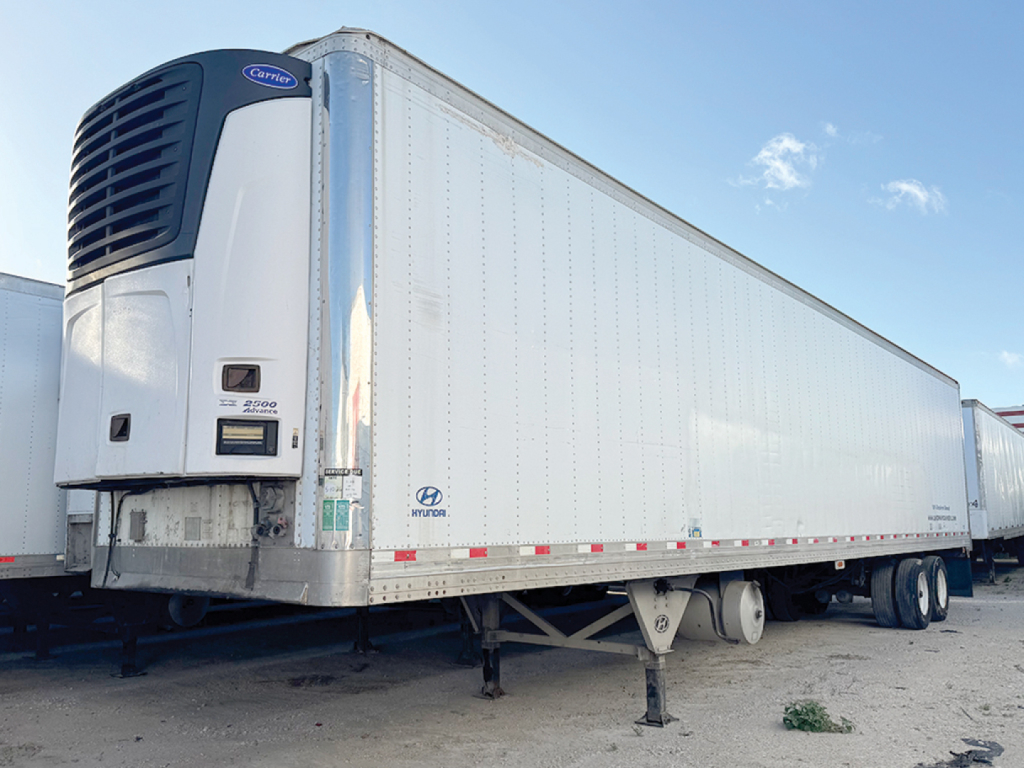
Showing 37 to 48 of 2,725 results
Have livestock trailer to sell? List it here to reach thousands of buyers.
About Livestock Trailers
Ventilation and animal flow are the two biggest practical concerns. Punch side panels, slats, and side opening design affect airflow in both summer heat and winter conditions. Internal layouts can include center divide gates, sort gates, multiple compartments, and upper deck arrangements that help balance loads and separate groups. Clean-out doors are important for turnaround time and biosecurity, especially in hog operations where washout frequency is high. Buyers should also pay attention to left-hand or right-hand load configuration, counterbalance setup, and the doghouse area, since those details affect loading efficiency and how well the trailer fits a shipper's facilities.
Running gear still matters just as much as livestock-specific equipment. Air ride suspension is common for ride quality and animal welfare, while spread axle and tandem axle setups each have advantages depending on bridge laws, tire wear, and maneuverability. Tire size, wheel material, brake condition, suspension wear, and axle alignment all deserve close inspection because these trailers often run hard and cover long regional or interstate routes. On older units, look carefully at floor crossmembers, rear frame areas, gate latches, hinges, ramps, and the lower sections exposed to manure, moisture, and repeated wash cycles.
A good livestock trailer is not just a box with gates. It has to load quickly, protect the animals in varying weather, clean out efficiently, and stay legal on weight. Buyers comparing livestock trailers for sale should look at species-specific layout, deck configuration, floor type, ventilation design, suspension, and the condition of high-wear components before focusing on cosmetics. The right trailer will match the livestock being hauled, the facilities at each end, and the miles it is expected to cover every week.
Frequently Asked Questions
What is the difference between a cattle trailer and a hog trailer?
The biggest differences are interior configuration, ventilation design, and deck layout. Cattle trailers are commonly set up with open compartments and heavier-duty gates to handle larger animals, while hog trailers often use drop center designs, hog rails, and multiple deck sections to maximize capacity and manage smaller livestock. Hog hauling also puts more emphasis on frequent washouts, clean-out access, and airflow control because animal density is typically higher.
Why are most livestock trailers aluminum?
Aluminum is widely used because it reduces empty weight and resists corrosion better than steel in a harsh manure-and-moisture environment. Lower tare weight can help increase payload within legal limits, especially on long hauls or multi-deck applications. Even so, buyers should not assume aluminum means trouble-free ownership, because floors, welds, gate hardware, hinges, and crossmembers still need careful inspection for wear and fatigue.
What should I inspect first on a used livestock trailer?
Start with the floor, crossmembers, gates, hinges, latches, suspension, brakes, and tires. Those are the areas that affect safety, animal handling, and repair cost the fastest. After that, check clean-out doors, deck supports, side panels, rear frame sections, and signs of corrosion or cracking in high-stress areas. A clean exterior can hide expensive structural wear, so underside condition and moving parts matter more than polish.
Is air ride suspension important on a livestock trailer?
Air ride suspension is important for many operations because it improves ride quality and can reduce animal stress during transport. It also helps protect the trailer structure and can be an advantage on longer runs where livestock stability matters. Mechanical suspension may cost less to maintain in some cases, but many buyers still prefer air ride for haul quality, resale value, and overall fleet standardization.
What trailer length is most common for livestock hauling?
Forty-eight- and 53-foot trailers are common, but the right length depends on species, legal weight limits, route type, and loading facility constraints. Longer trailers can improve capacity, especially in cattle and hog operations, but they may be less convenient in tight yards or smaller sale barns. Buyers should match trailer length with axle configuration, deck setup, and the type of livestock being moved most often.