
New Live Floor Trailers For Sale
Shop new live floor trailers built for bulk hauling with moving floor systems, aluminum bodies, high-capacity payloads, and efficient unloading.
Learn more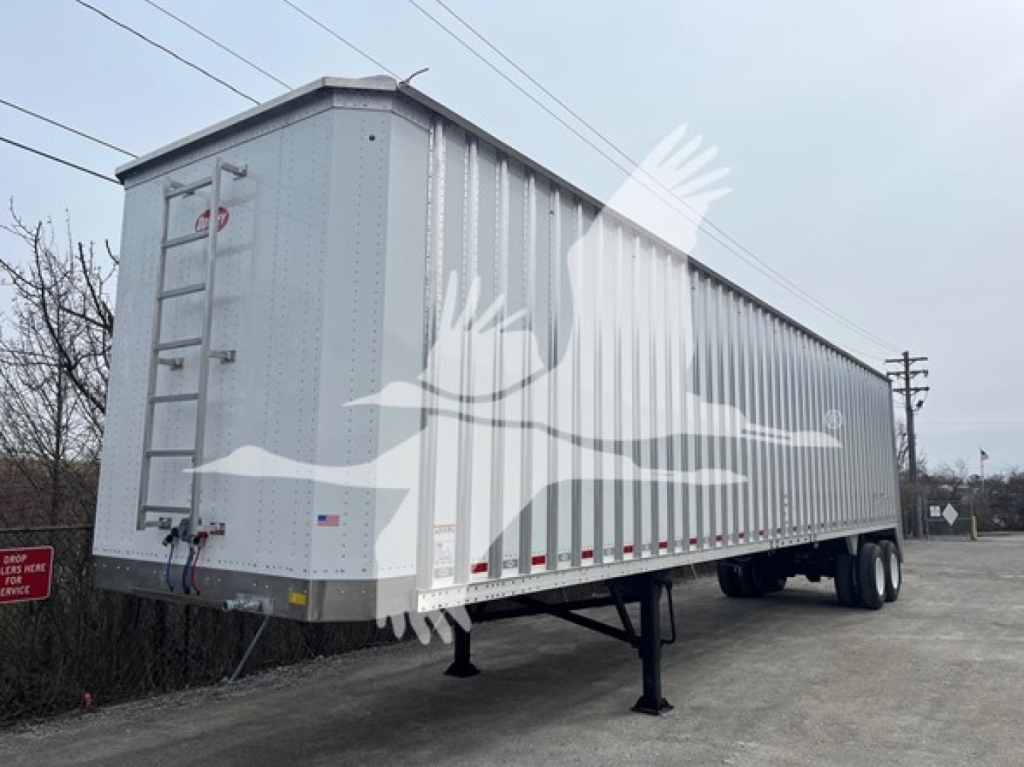
Have new live floor trailer to sell? List it here to reach thousands of buyers.
About New Live Floor Trailers
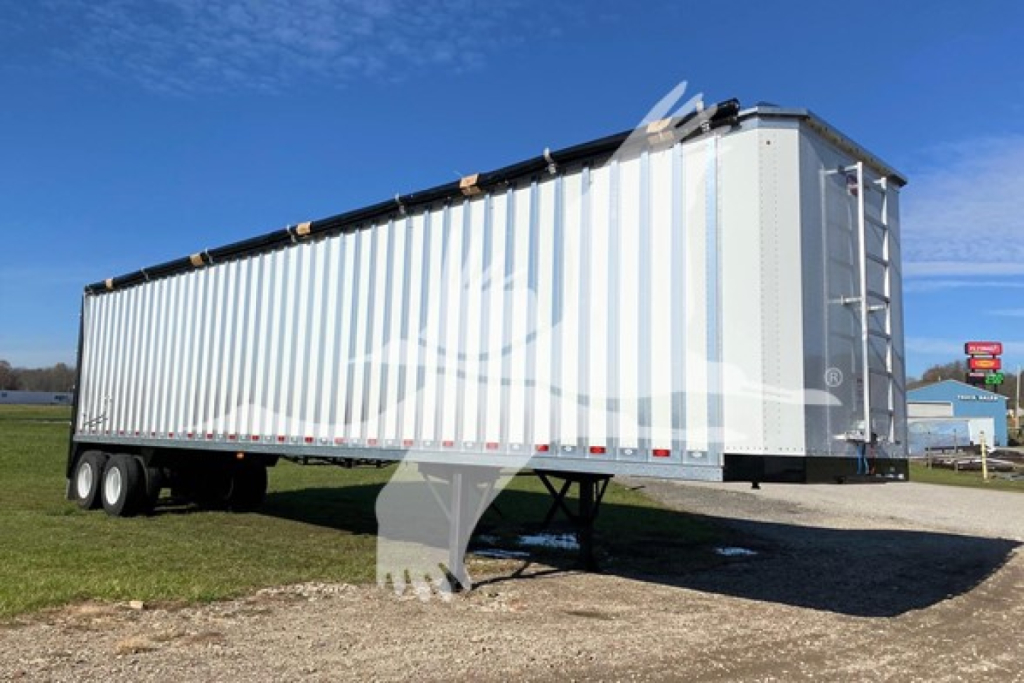
For most buyers, the first decision is floor system, body construction, and intended material. Keith Walking Floor systems are widely recognized, and floor package selection affects cycle speed, durability, repair cost, and how well the trailer handles abrasive or high-volume loads. New live floor trailers are often spec'd in 45-foot lengths, 102-inch width, and 13-foot 6-inch overall height, with tandem axles, spring ride or air ride suspension, and rear swing doors. Aluminum bodies help maximize payload and resist corrosion, while details like .063 aluminum side sheets, 12-inch post spacing, 12-inch crossmember centers, and a heavy upper coupler improve structural integrity for repeated loading cycles.
Hydraulic requirements deserve close attention because live floor performance depends on matching trailer demand to tractor wet kit output. Buyers should confirm maximum PSI, GPM, valve compatibility, hose routing, and return line setup before putting a new trailer to work. Capacity on many new units falls around the 35-ton range depending on body spec and material density, but actual legal payload varies by axle configuration, tare weight, and state bridge laws. Tarp systems, push bumpers, ladders, kingpin settings, landing gear, and door configuration also matter because they affect loading access, unload speed, and daily durability.
A well-spec'd new live floor trailer earns its value through versatility. It can move loose bulk material one day and more uniform freight the next, making it attractive for operations that want one trailer type to cover multiple contracts. Buyers comparing listings should focus on floor brand, deck thickness, subframe design, suspension, body material, kingpin setting, and hydraulic compatibility rather than price alone. On this equipment class, the right spec package usually determines uptime, unload efficiency, and long-term maintenance cost more than any single line-item option.
Frequently Asked Questions
What is the main advantage of a live floor trailer compared with a dump trailer?
A live floor trailer unloads by moving material out with hydraulic floor slats while the trailer remains level. That reduces tip-over risk, improves stability on uneven surfaces, and allows unloading inside buildings, under utility lines, and in other low-clearance areas where raising a dump body would be unsafe or impossible. It also gives the operator better control over discharge speed for sensitive facilities or mixed material streams.
What materials are live floor trailers commonly used to haul?
Live floor trailers are commonly used for mulch, bark, wood chips, compost, silage, refuse, recyclables, scrap, biomass, and other loose bulk commodities. Some operations also use them for palletized or partial freight because the moving floor can help with unloading. The best trailer spec depends on material density, abrasion level, moisture content, and whether the work is primarily agricultural, municipal, recycling, or industrial.
What should I check to make sure my tractor can run a live floor trailer?
The key requirement is a properly matched wet kit. You need to verify hydraulic pressure, flow rate, reservoir capacity, control valve setup, hose connections, and return line configuration. Many live floor trailers are designed around specific PSI and GPM ranges, and a mismatch can cause slow cycling, overheating, or damage to the floor system. Confirming wet kit compatibility before purchase is one of the most important steps in avoiding downtime.
Are aluminum live floor trailers better than steel?
Aluminum live floor trailers are popular because they reduce tare weight and improve corrosion resistance, which helps maximize payload and long-term durability in many bulk-haul applications. Steel may be preferred in certain severe-duty environments where impact resistance is a priority. The better choice depends on what you haul, how abrasive the material is, how often the trailer is loaded and unloaded, and how much value your operation places on lower empty weight.
Which specs matter most when comparing new live floor trailers?
The most important specs usually include floor system brand and model, floor deck thickness, trailer length and height, body construction, axle and suspension setup, rear door style, kingpin setting, crossmember spacing, and hydraulic requirements. Buyers should also look at tarp system design, upper coupler thickness, bumper strength, and overall tare weight. These details directly affect payload, unload performance, service life, and maintenance cost.