
Used Landoll Trailers For Sale
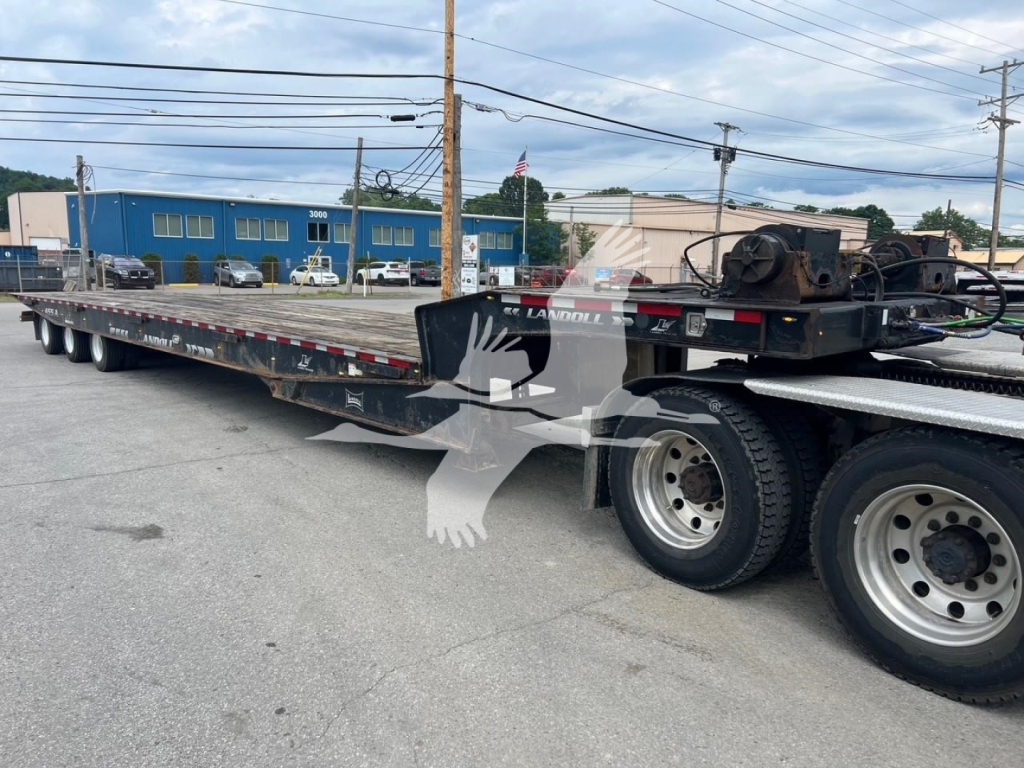
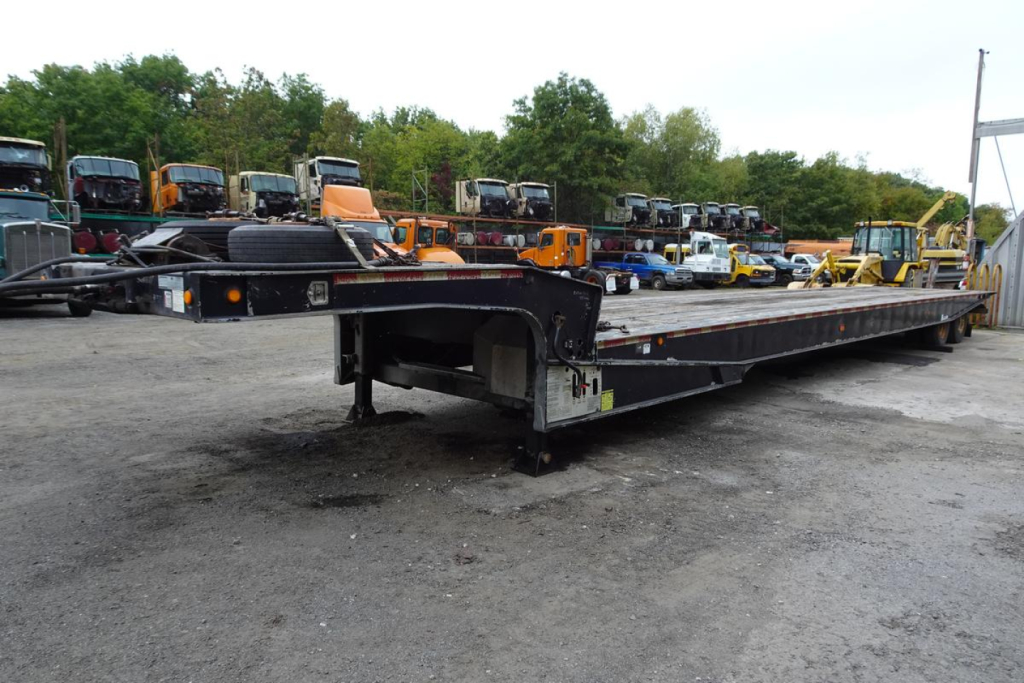
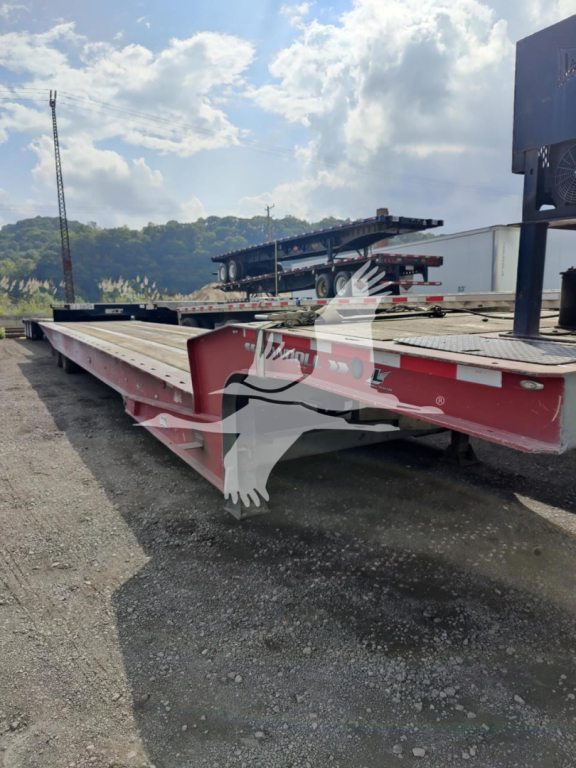
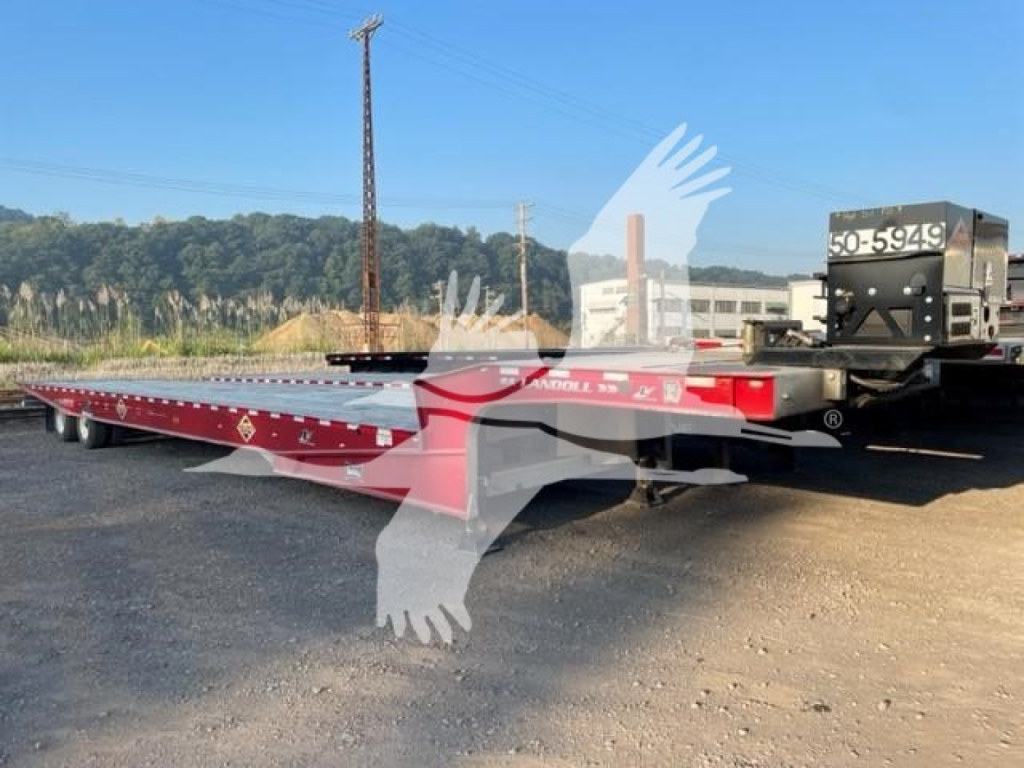
Used Landoll trailers for sale, including traveling axle and sliding axle models built for low load angles, heavy equipment hauling, and easy loading.
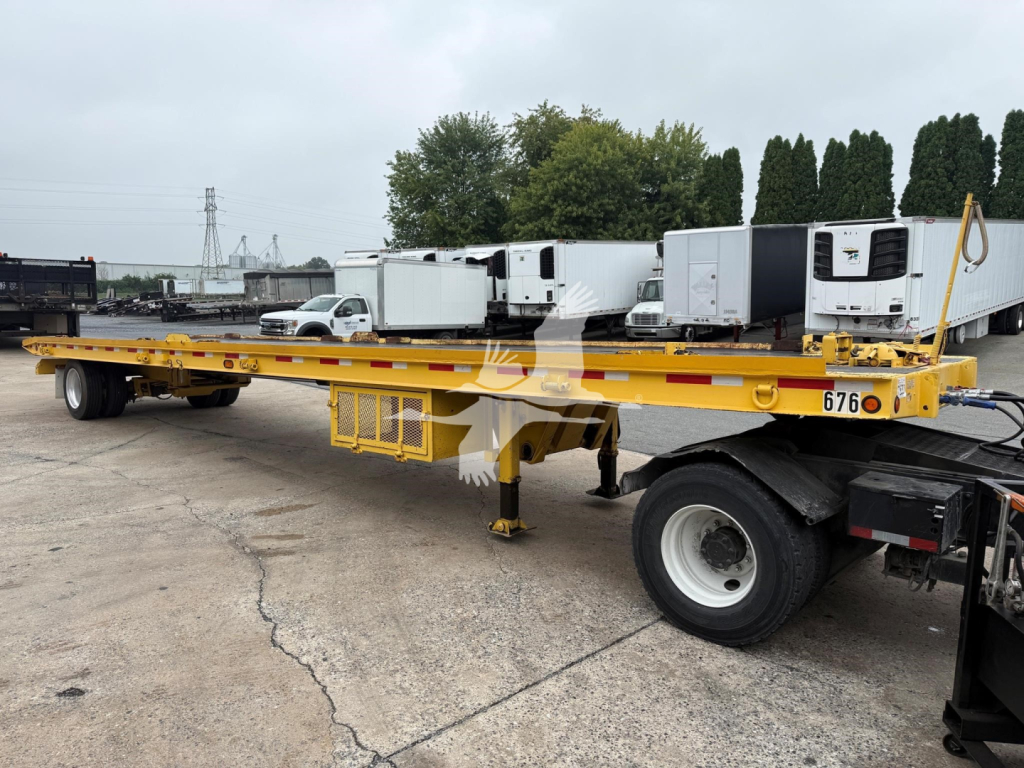
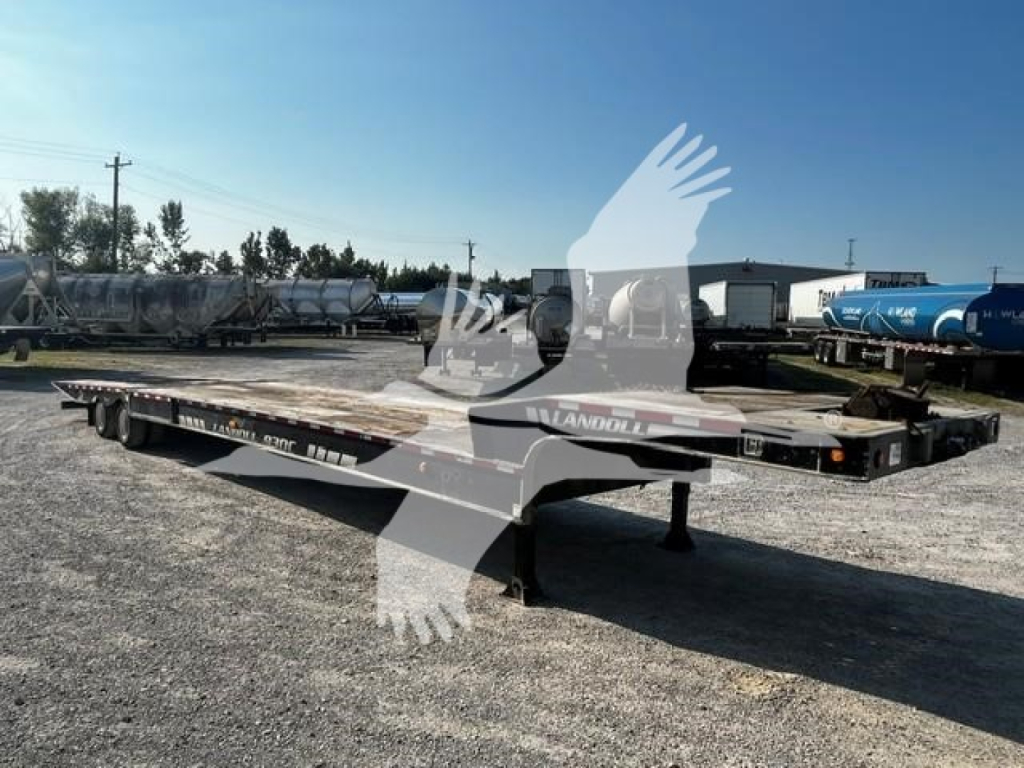
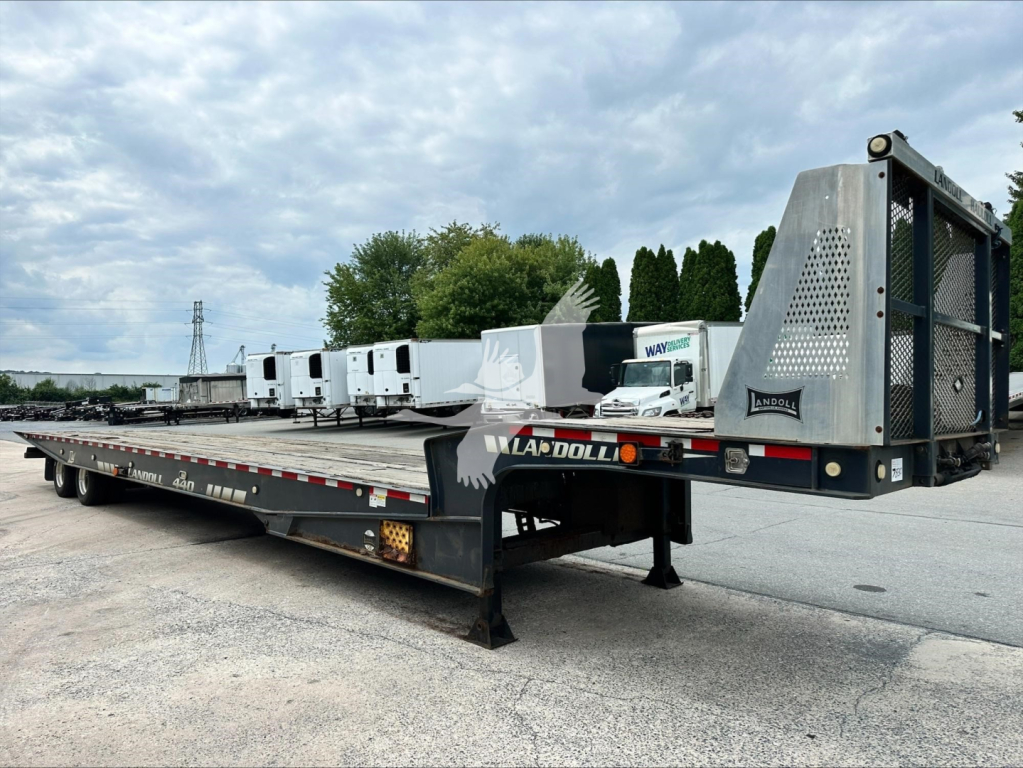
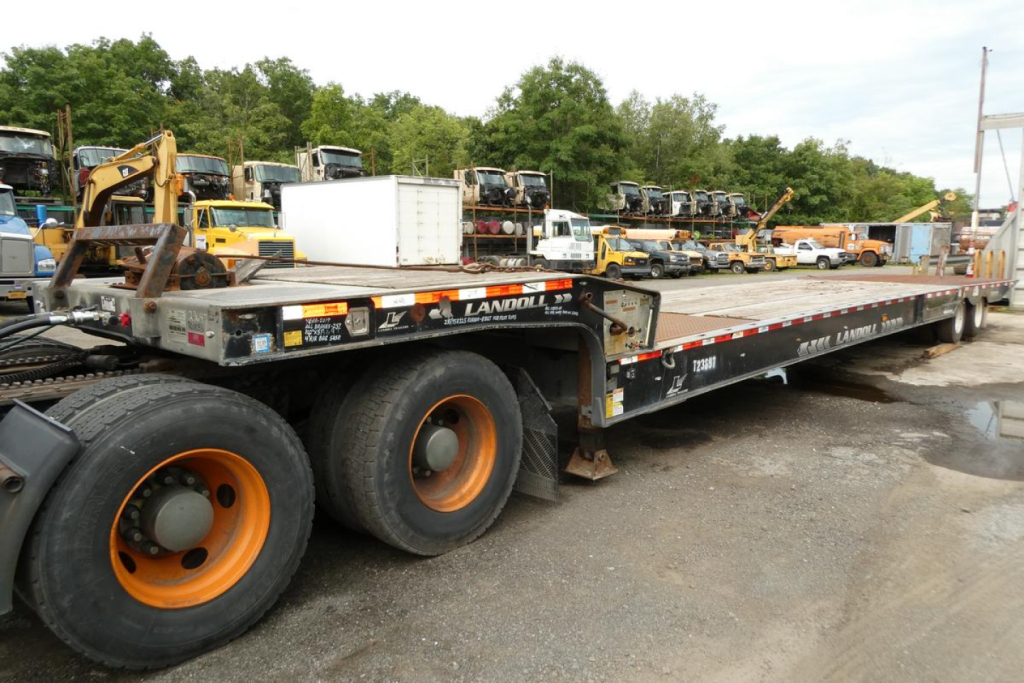
Selling a used landoll trailer? List your used landoll trailer for sale and reach thousands of commercial buyers.
Used Landoll Trailers
The first specs to compare are deck length, loaded deck height, axle configuration, and hydraulic setup. Common used Landoll trailers in this class run around 48 to 53 feet long and 102 inches wide, with steel frames and either steel or Apitong wood floors. Main deck height often lands in the upper-30-inch range, and load angles around 6.5 degrees are common on popular models such as the Landoll 440B. Single-axle and tandem-axle configurations are both seen, with spring ride on lighter setups and air ride on higher-capacity tandem units. Many buyers also look for a pony motor, hydraulic winch rated around 20,000 pounds, wireless remote operation, quick couplers, and centralized grease systems because those features directly affect day-to-day usability and loading speed.
Tie-down layout matters on a used Landoll more than many first-time buyers expect. Chain slots, double keyhole tie-downs, D-rings, side rail attachment points, and approach plate tie-down positions all influence how easily the trailer can secure different machine footprints. Galvanized construction or galvanized side rails can be a major advantage in northern climates or any operation dealing with road salt, mud, and heavy moisture exposure. Kingpin setting, landing gear condition, crossmember spacing, suspension brand, brake condition, tire size, and winch condition are all worth checking closely on a used unit, especially if the trailer has spent time in rental, asphalt, demolition, or heavy construction service.
Landoll trailers are often chosen by operators who need the loading convenience of a specialized low-angle trailer without stepping up to a detachable gooseneck. They fit well in fleets moving skid steers, rollers, scissor lifts, compact track loaders, farm equipment, and medium to heavy machinery over regional routes. The right used Landoll trailer depends on the balance between deck length, capacity, axle travel design, hydraulic condition, and securement layout. Buyers comparing listings should pay close attention to floor material, deck wear, cylinder performance, remote functions, and any signs of frame repair, because those details usually matter more than paint when the trailer is headed back to work.
Frequently Asked Questions about Used Landoll Trailers
What is a Landoll traveling axle trailer used for?
A Landoll traveling axle trailer is used to haul equipment that needs a low loading angle and easy drive-on access. Common loads include skid steers, loaders, rollers, aerial lifts, forklifts, paving equipment, and other machinery with limited ground clearance. The sliding or traveling axle design allows the deck to tilt and lower the approach angle, which helps reduce the need for long ramps and makes loading faster in the field.
What should I inspect on a used Landoll trailer before buying?
The most important inspection points are the hydraulic system, tilt and axle travel operation, winch function, deck condition, frame integrity, and securement hardware. Check the floor for rot or heavy wear if it has Apitong, inspect chain slots and D-rings for elongation or damage, and verify that cylinders, hoses, valves, and remotes operate correctly. Tire condition, brake life, suspension wear, kingpin area condition, and signs of prior structural repair should also be reviewed carefully on any used heavy equipment trailer.
What is the difference between a single-axle and tandem-axle Landoll trailer?
A single-axle Landoll is generally lighter and can be a good fit for lower-capacity applications or more specialized local work. A tandem-axle Landoll typically offers higher capacity, better weight distribution, and more stability with heavier machinery. Tandem units are often preferred for mixed fleet use because they handle a broader range of loads and are commonly paired with air ride suspension for improved load protection and road manners.
Why does load angle matter on a Landoll trailer?
Load angle matters because it affects whether low-clearance equipment can be loaded safely without dragging, hanging up, or requiring extra blocking. A shallower angle is especially important for pavers, scissor lifts, sweepers, rollers, and other machines with low breakover points. On many Landoll trailers, a low load angle is one of the main reasons buyers choose this style over a conventional tag trailer or standard flatbed equipment trailer.
Are galvanized Landoll trailers worth considering?
Galvanized Landoll trailers are often worth a close look, especially in regions where road salt, moisture, and mud accelerate corrosion. A galvanized frame or galvanized side components can help reduce rust-related deterioration and may improve long-term service life. Buyers should still inspect the trailer thoroughly, because galvanizing does not eliminate wear in the floor, hydraulics, suspension, axles, brakes, or securement points.