
Landoll Trailers For Sale in Pennsylvania
Browse Landoll trailers for sale, including traveling axle and hydraulic tail models built for heavy equipment loading, low load angles, and high payloads.
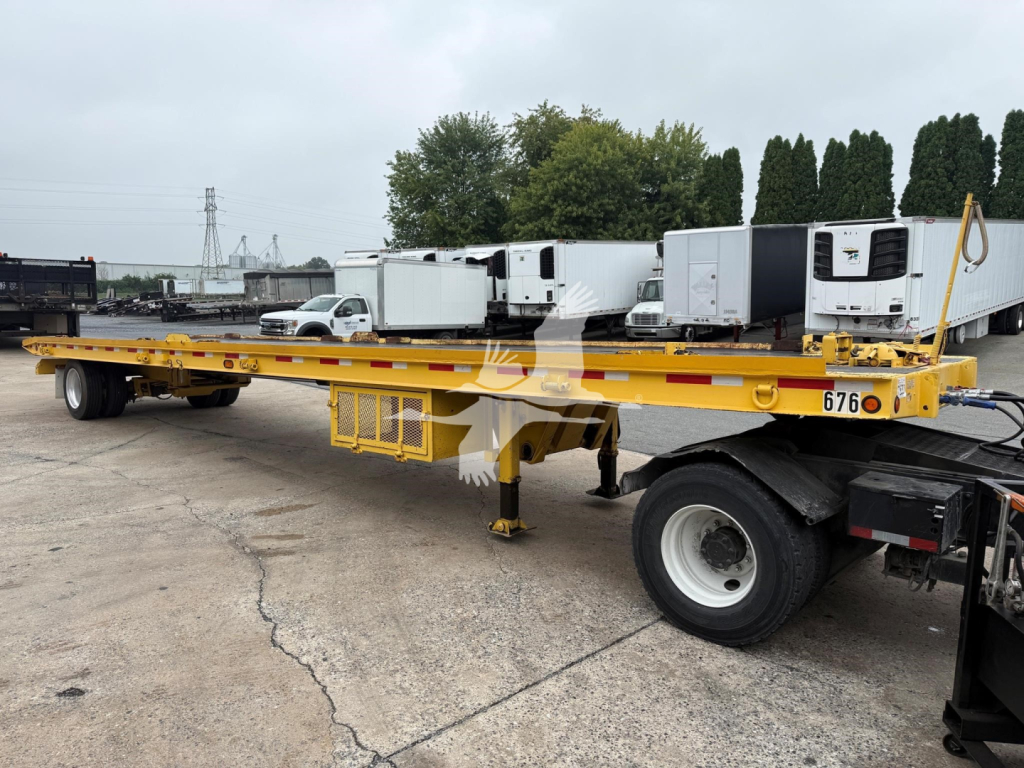
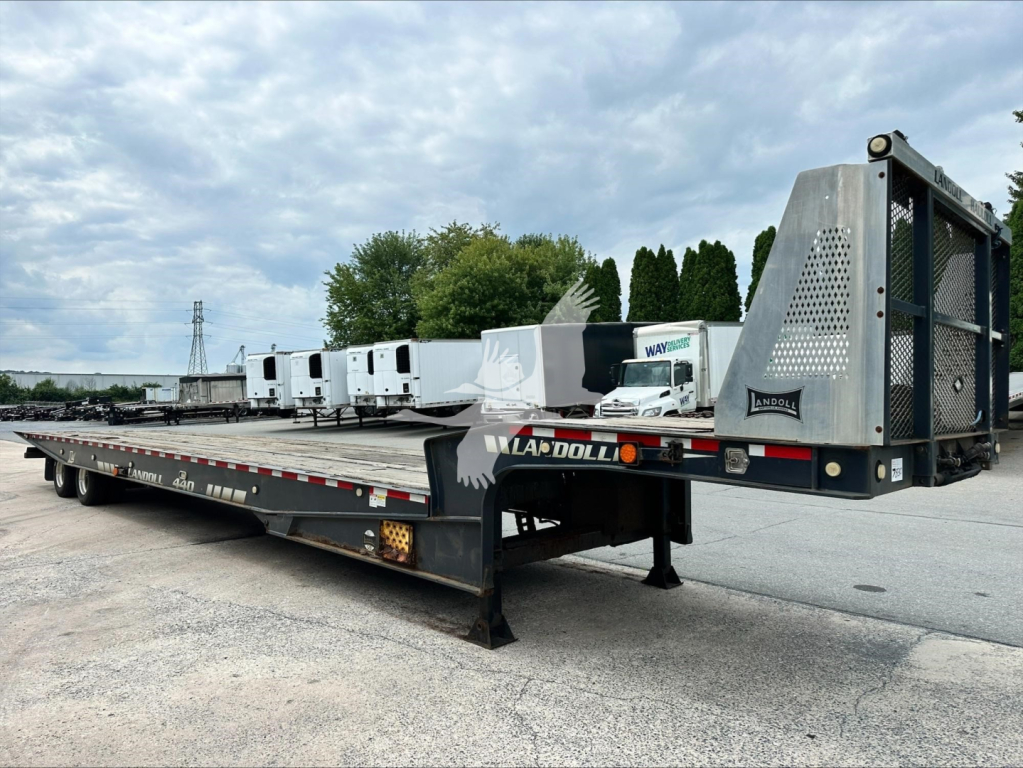
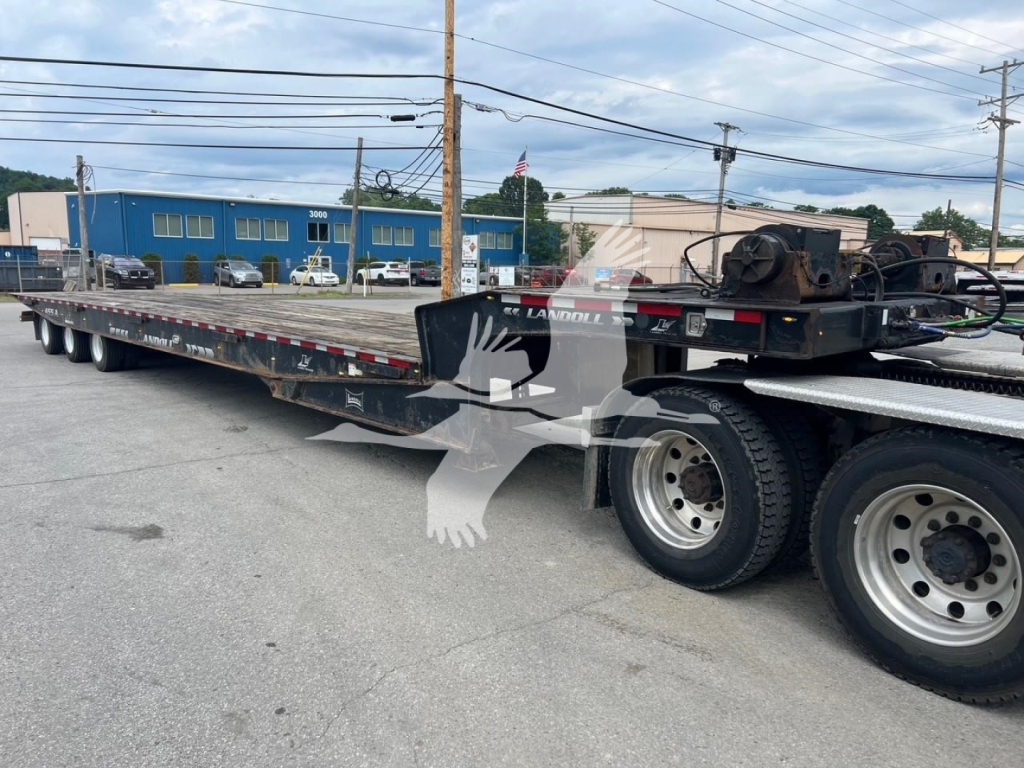
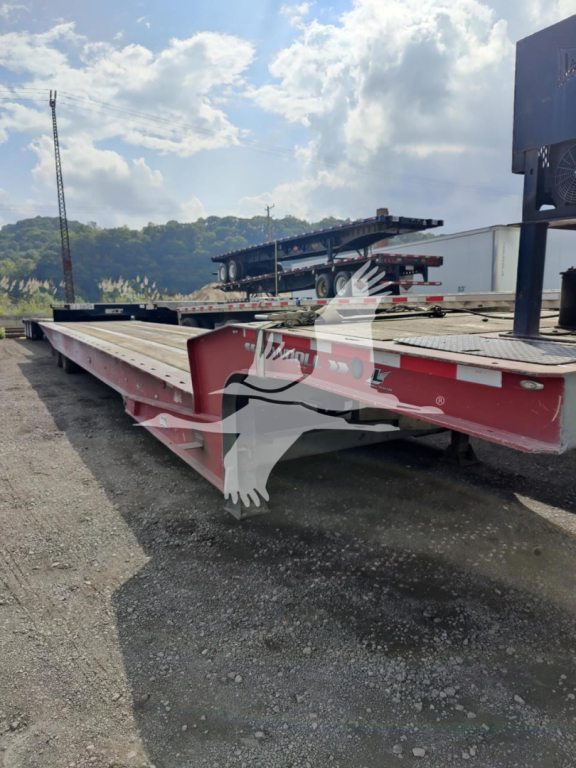
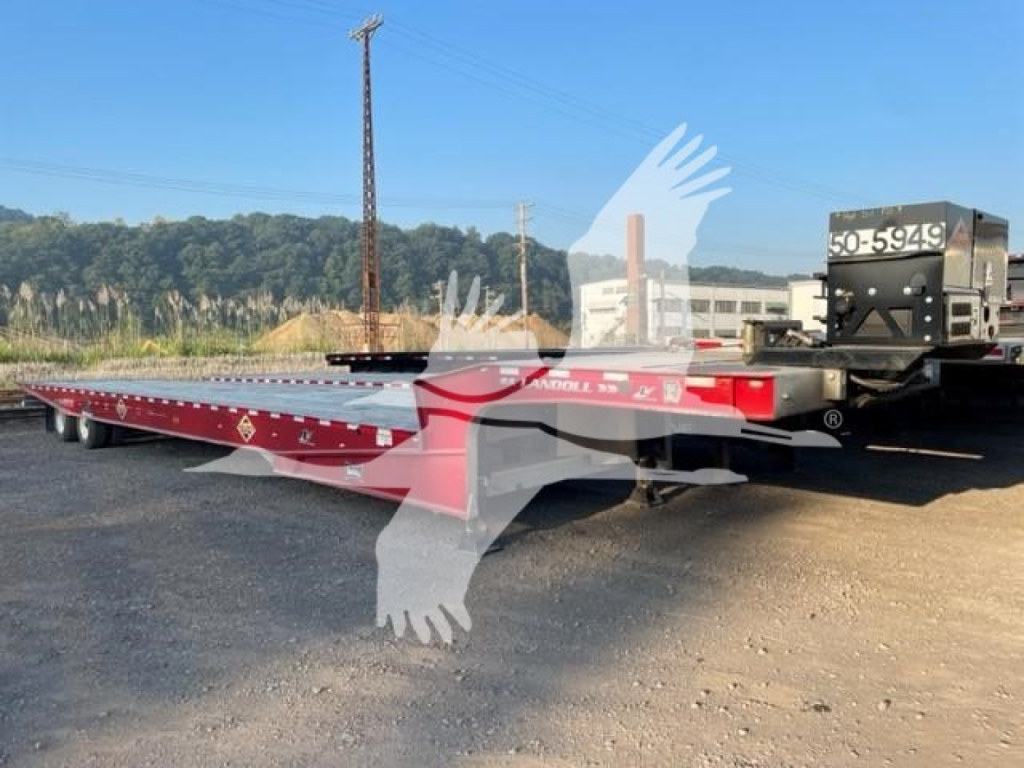
Selling a landoll trailer? List your landoll trailer for sale and reach thousands of commercial buyers.
Landoll Trailers in Pennsylvania
A lot of buying decisions in this category come down to deck style and axle configuration. Landoll 440 series trailers are widely recognized as traveling axle trailers with a sliding axle system that lowers the deck to create a shallow approach angle, often around 6.5 degrees on common 50-foot and 53-foot setups. Models like the 930E add a hydraulic tail and front gooseneck ramp for applications that need more loading flexibility. Typical specs in this class include 102-inch width, tandem axles, air ride suspension, steel frames, 1 3/8-inch Apitong wood flooring, 17.5-inch tires, Braden winches in the 20,000-pound range, wireless remote controls, and multiple keyhole tie-down points or chain slots on 16-inch centers. Buyers should pay close attention to overall deck length, main deck height, tail length, deck rating in 10 feet, and kingpin setting, since those details affect load placement, tractor compatibility, and legal axle distribution.
Construction matters on a Landoll because these trailers tend to work hard and load at severe deck transitions. Galvanized finishes are popular in northern states like Pennsylvania where road salt shortens the life of painted steel. Air ride suspension helps protect both the trailer and the cargo, especially with paving equipment or compact machines that bounce on rough roads. A centralized grease system can save maintenance time on fleet units, and a hydraulic winch with remote operation adds control when loading disabled or non-running equipment. On used units, inspect the hydraulic cylinders, axle travel system, deck wood, crossmembers, winch condition, and wear in the sliding undercarriage. Also look closely at the rear structure, approach plates, and tie-down areas, since these points see repeated stress.
For most buyers, the right Landoll trailer is the one that matches the equipment mix, not just the highest capacity number. A 35-ton or 40-ton rating may be more than enough for compact and mid-size iron, but deck distribution ratings and concentrated load limits matter more than headline capacity when hauling a machine with heavy axle weights. If your work includes frequent loading in uneven yards, roadside recovery, or urban delivery sites, a low load angle and hydraulic functions can be worth more than raw deck length alone. Landoll has built a strong reputation in specialized equipment hauling because these trailers solve loading problems that standard tag trailers and many fixed deck trailers do not handle as efficiently.
Frequently Asked Questions about Landoll Trailers in Pennsylvania
What is a Landoll traveling axle trailer used for?
A Landoll traveling axle trailer is used to haul heavy equipment that benefits from a very low loading angle. The sliding axle system moves the suspension assembly to lower the rear of the deck during loading, making it easier to load low-clearance machines such as pavers, scissor lifts, rollers, sweepers, and specialty equipment. This design also helps reduce the chance of dragging attachments or belly pans on steep transitions.
What should I look for when comparing Landoll 440B and 930E trailers?
The biggest differences are loading method and deck configuration. A 440B is typically a traveling axle flat deck trailer with a low load angle created by axle travel, while a 930E commonly adds a hydraulic tail and front gooseneck ramp for additional loading versatility. Compare overall length, main deck length, load angle, hydraulic tail capacity, deck rating, axle setup, and how your equipment’s weight is distributed across the deck. Those factors matter more than model number alone.
Are galvanized Landoll trailers worth it in Pennsylvania?
For many buyers in Pennsylvania, galvanized Landoll trailers are worth serious consideration because they hold up better against moisture, winter road salt, and corrosion than standard painted finishes. A galvanized frame or major galvanized components can help reduce long-term rust issues on trailers that see year-round use. The value is usually strongest for fleets, contractors, and operators who keep trailers for a long service life.
How much capacity do Landoll equipment trailers usually have?
Capacity varies by model, axle configuration, and deck rating, but many Landoll equipment trailers in this class fall into the 35-ton to 40-ton overall rating range, with specific concentrated load ratings such as 50,000 pounds in 10 feet on certain models. Buyers should verify not just the gross rating, but also the deck rating, tail rating, and where the machine’s heaviest point will sit. Concentrated axle weight from equipment can be the deciding factor.
What are common maintenance points on a used Landoll trailer?
Common maintenance points include the hydraulic system, traveling axle components, winch, remote controls, suspension, wood deck, crossmembers, landing gear, lighting, and tie-down structure. On a used Landoll, inspect hydraulic hoses and cylinders for leaks, check for wear in the sliding undercarriage, examine deck boards and steel around chain slots, and confirm the axle travel and tilt functions operate smoothly. Structural rust and repairs around the rear loading area also deserve close attention.