
Trailers For Sale Near Lancaster, Pennsylvania
Showing 1 to 24 of 65 results
Have trailer to sell? List it here to reach thousands of buyers.
Trailers Near Lancaster, Pennsylvania
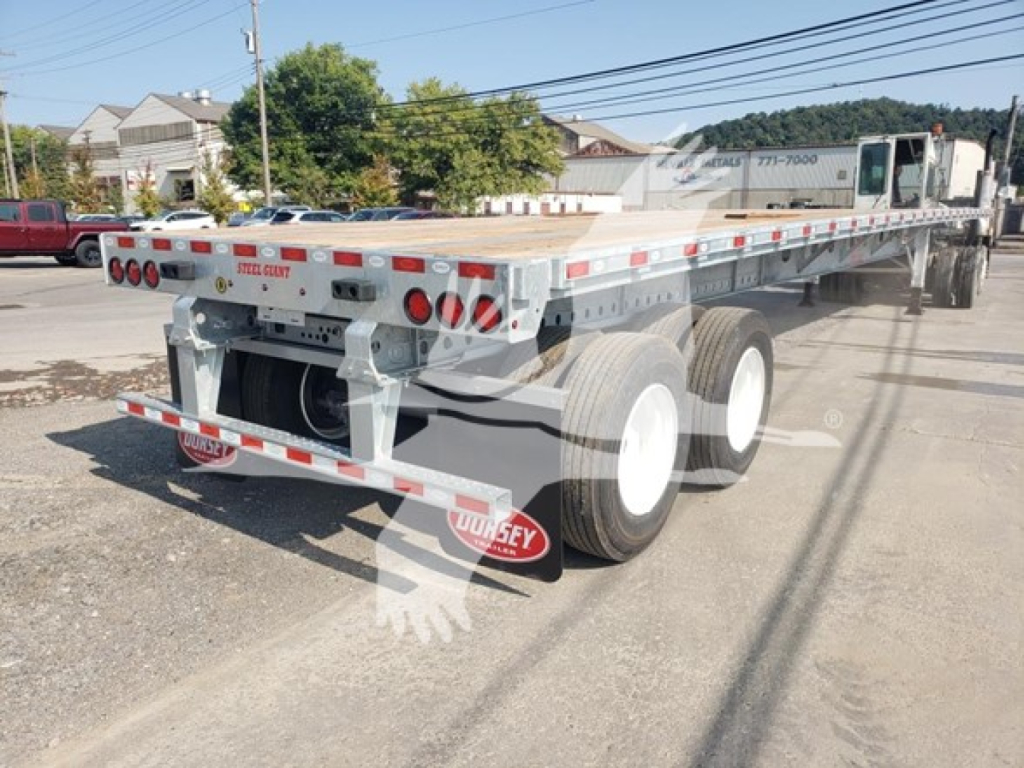
Material choice has a direct effect on payload, repair cost, and long-term durability. Aluminum flatbeds reduce tare weight and help maximize legal payload, while steel construction is often preferred on drop decks, equipment trailers, and lowboys that see concentrated point loading and rougher jobsite use. Floor type also matters. Apitong remains a common choice for heavy-duty deck work because it holds up well under tracked and wheeled equipment, while aluminum floors are common on weight-sensitive flatbeds. On van trailers, buyers should pay attention to interior width and height, post spacing, roof material, threshold plate condition, side lining, and floor wear, especially if the trailer will stay on high-cycle dock freight.
Running gear and underframe specs are just as important as body style. Tandem axle configurations are common across van, flatbed, and drop deck segments, but axle spacing, sliding tandems versus fixed spread axles, and kingpin setting all affect bridge compliance, maneuverability, and weight distribution. Air ride suspension is widely preferred for general freight, machinery, and higher-value cargo because it improves ride quality and can help protect the trailer structure and load. Buyers comparing used trailers should look closely at brake condition, tire size and remaining tread, wheel type, landing gear operation, crossmember spacing, coupler or fifth wheel wear, and signs of frame corrosion around rear structure, suspension hangers, and concentrated stress points.
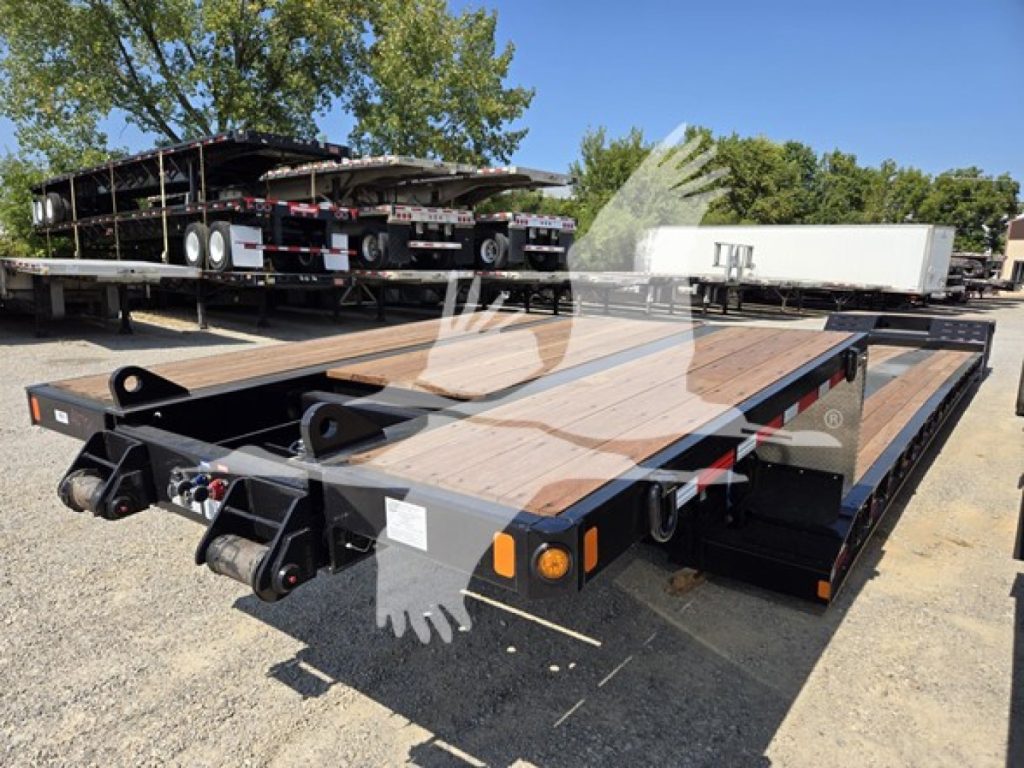
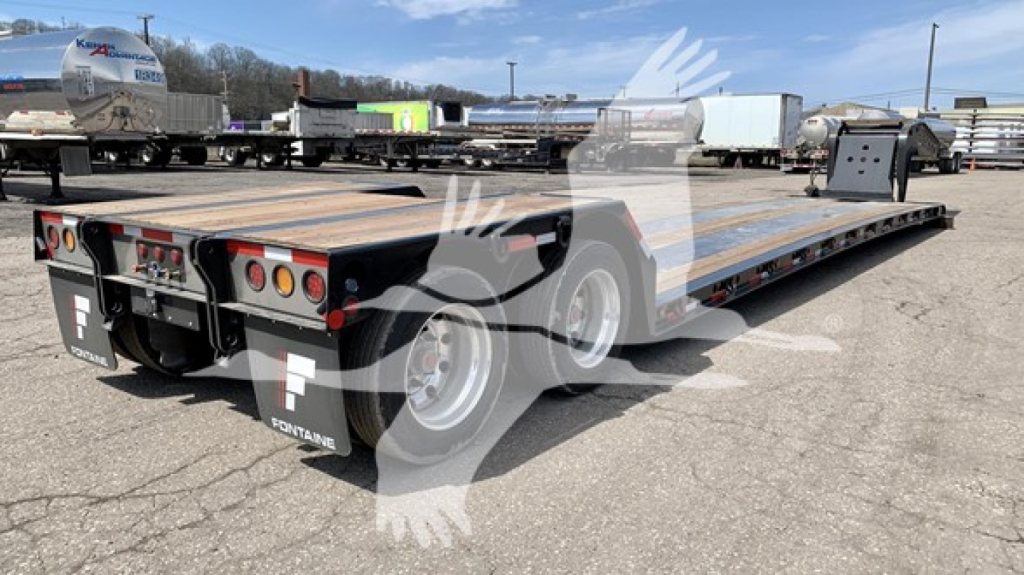
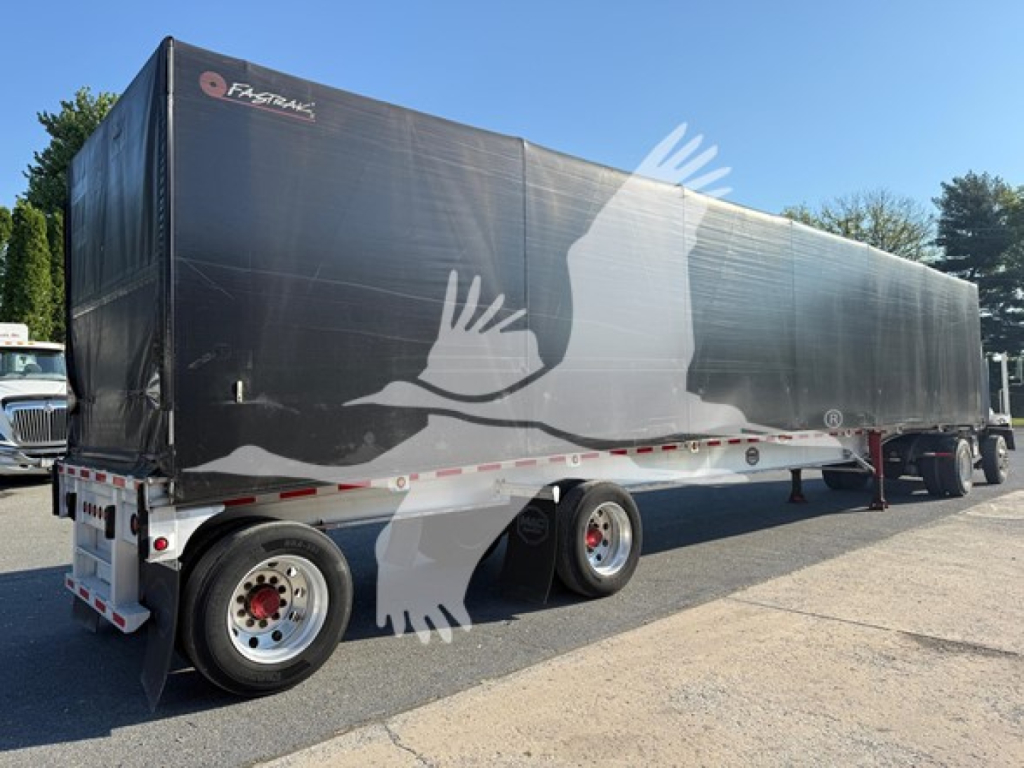
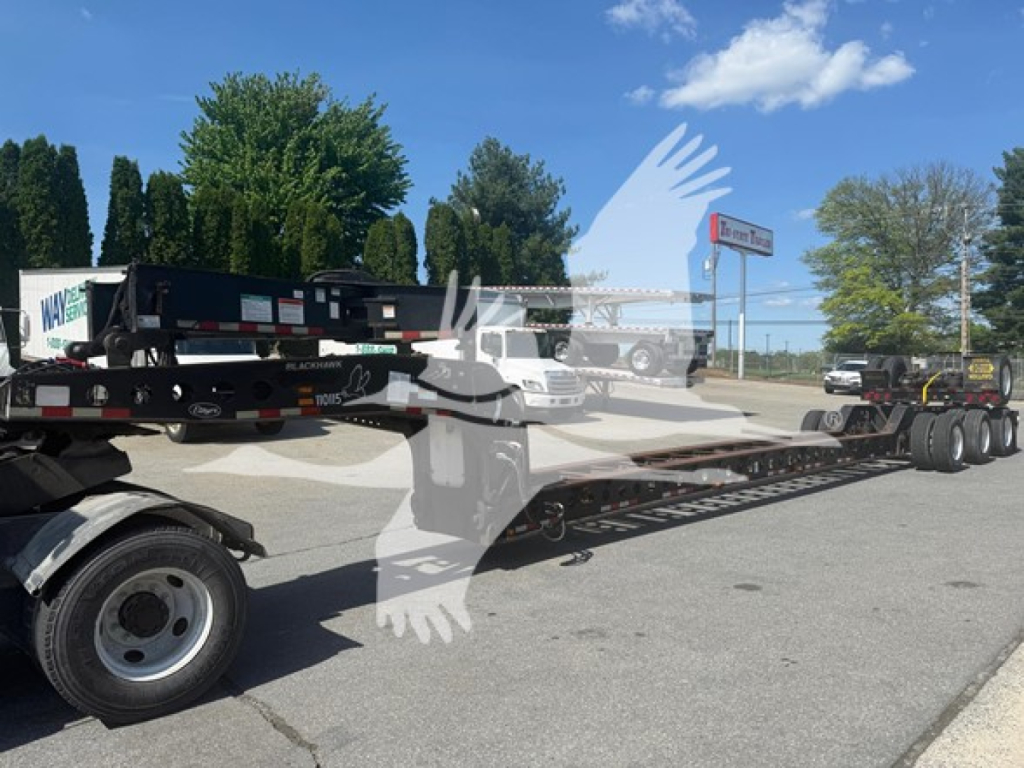
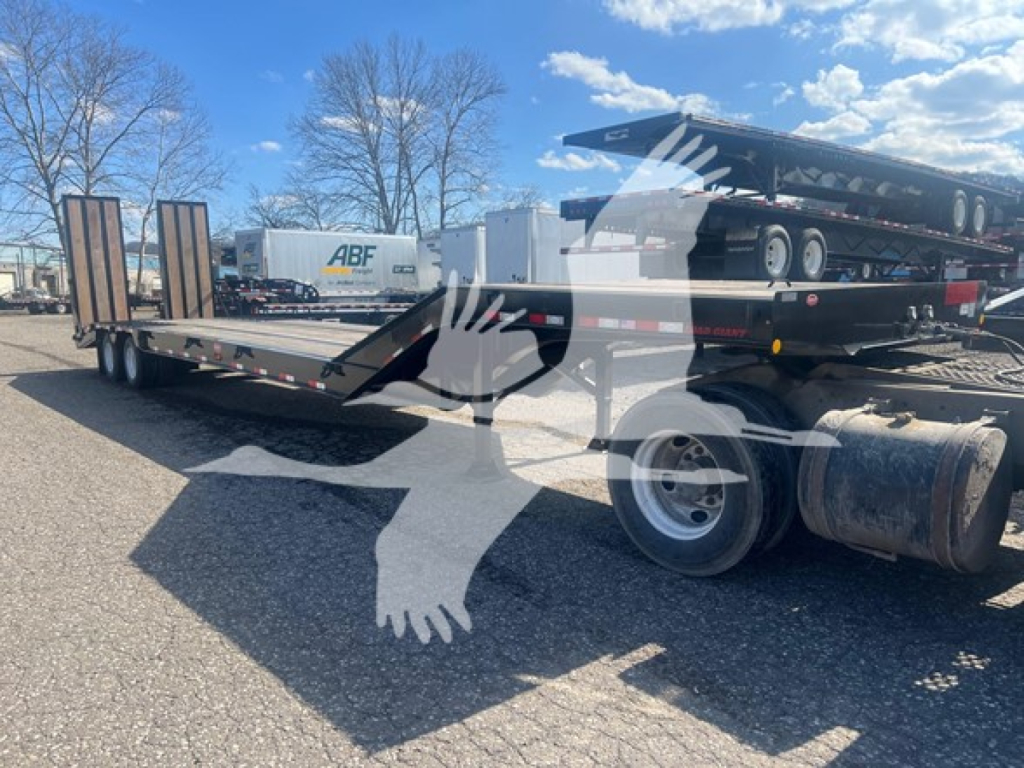
In Lancaster, Pennsylvania, trailer buyers often balance regional highway work, agricultural hauling, manufacturing freight, and construction support. That makes spec flexibility important. A van trailer may need dock-ready dimensions and cargo control features for warehouse freight, while a flatbed or drop deck may need sliding winches, bulkhead options, low-profile tires, and durable side rails for mixed commodity work across the Mid-Atlantic. For equipment hauling, lowboys and beavertail trailers should be matched to deck height, ramp angle, ground clearance, axle rating, and detachable neck design so the trailer fits the machines it is meant to carry. The best trailer is not just the right length and width. It is the one whose deck configuration, suspension, tie-down package, and structural rating match the freight, the route, and the way it will be loaded every day.
Frequently Asked Questions about Trailers Near Lancaster, Pennsylvania
What type of trailer is best for general freight?
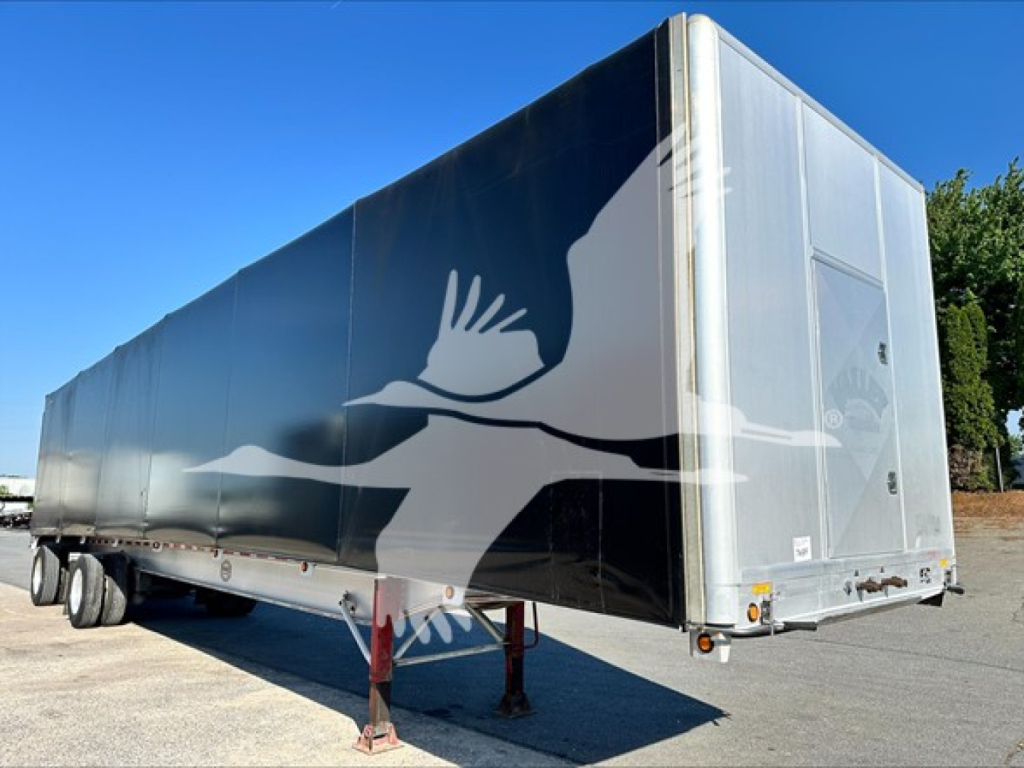
For general palletized freight, a dry van trailer is usually the best fit because it protects cargo from weather, theft, and road debris while working efficiently with dock loading. Common dry van specs include 48-foot or 53-foot length, 102-inch width, tandem axles, air ride suspension, roll-up or swing doors, and interior cargo control such as E-track or scuff liners. If the freight needs side loading, crane loading, or oversized securement, a flatbed or drop deck may be the better choice.
What is the difference between a flatbed, drop deck, and lowboy trailer?
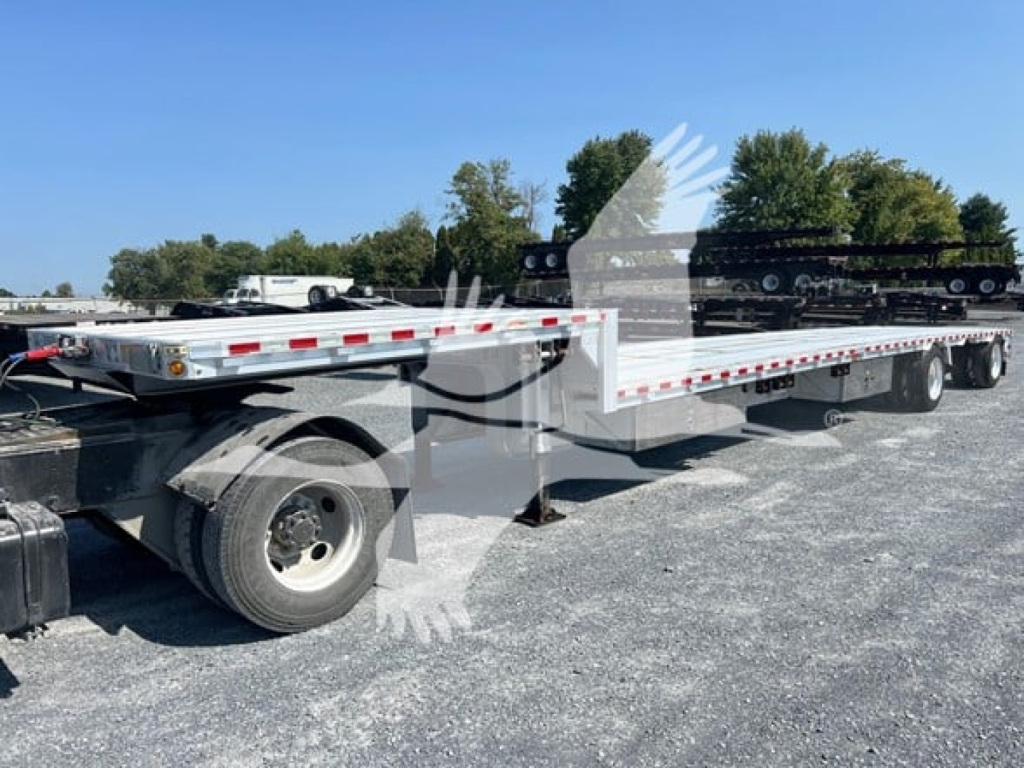
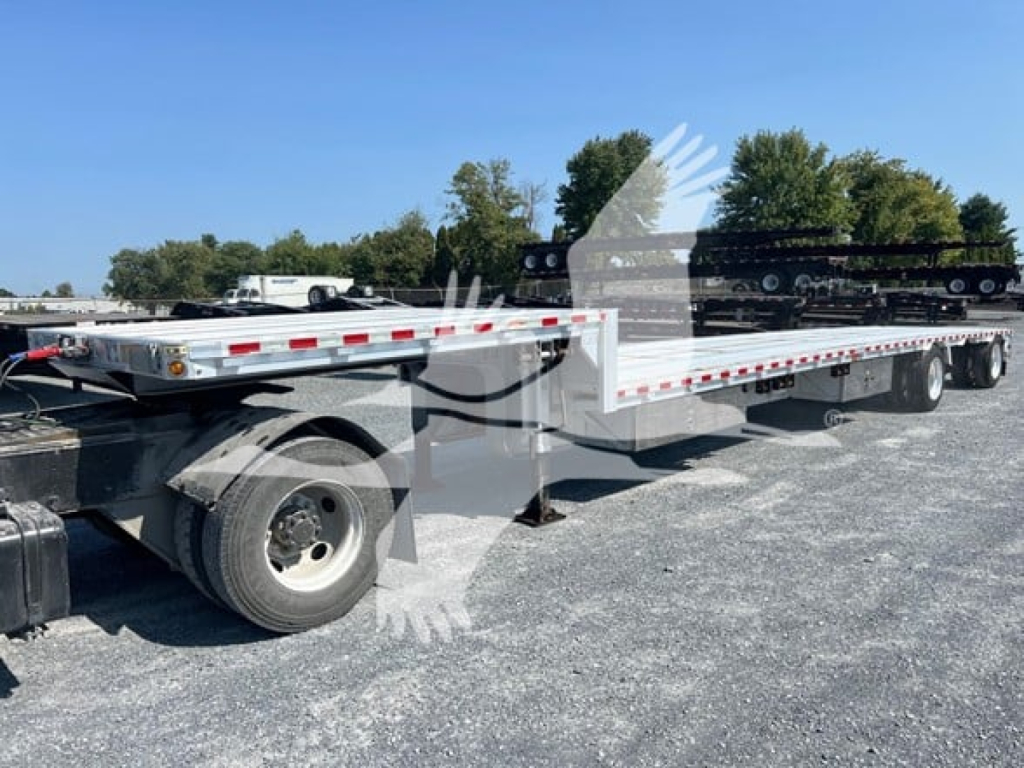
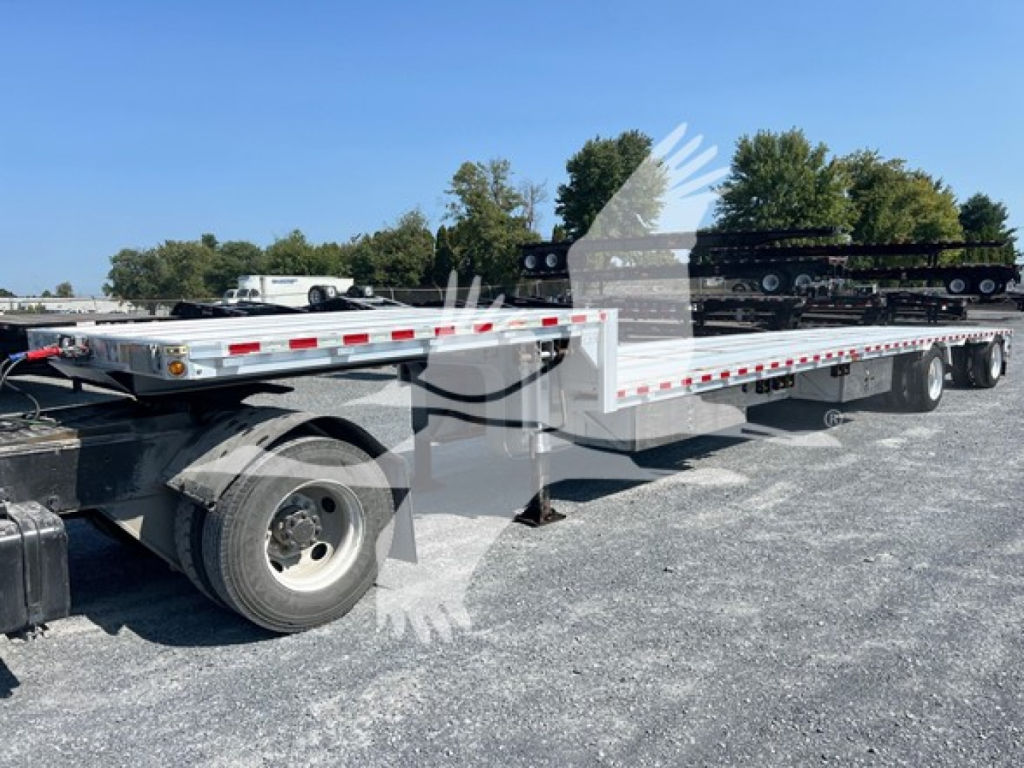
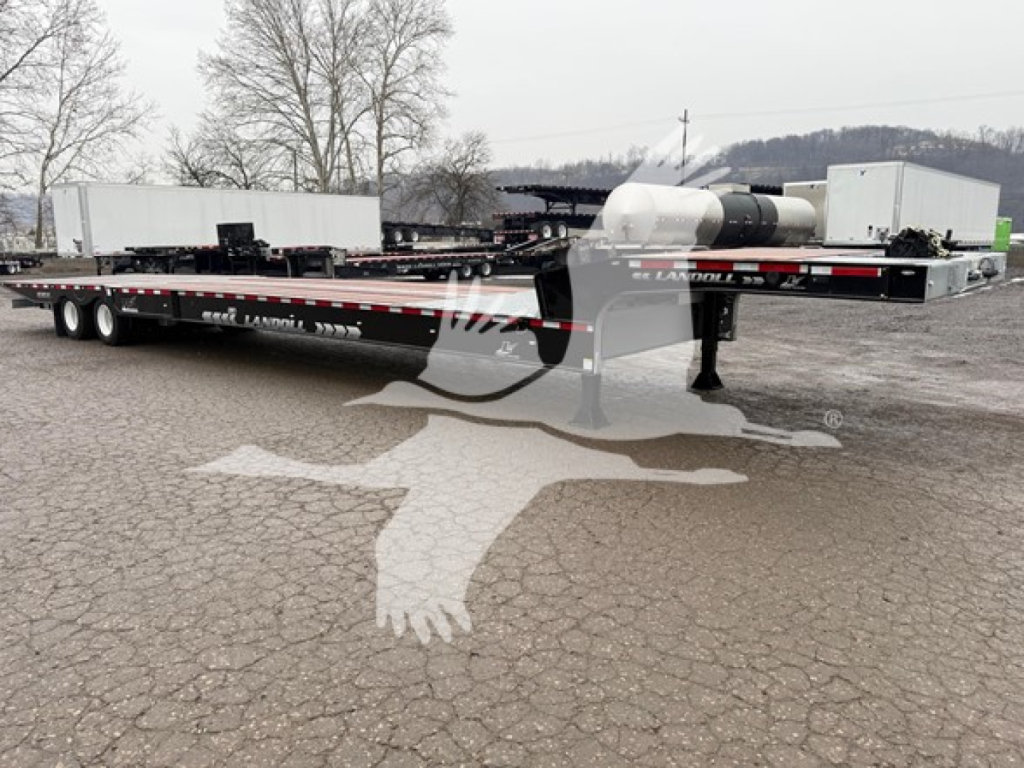
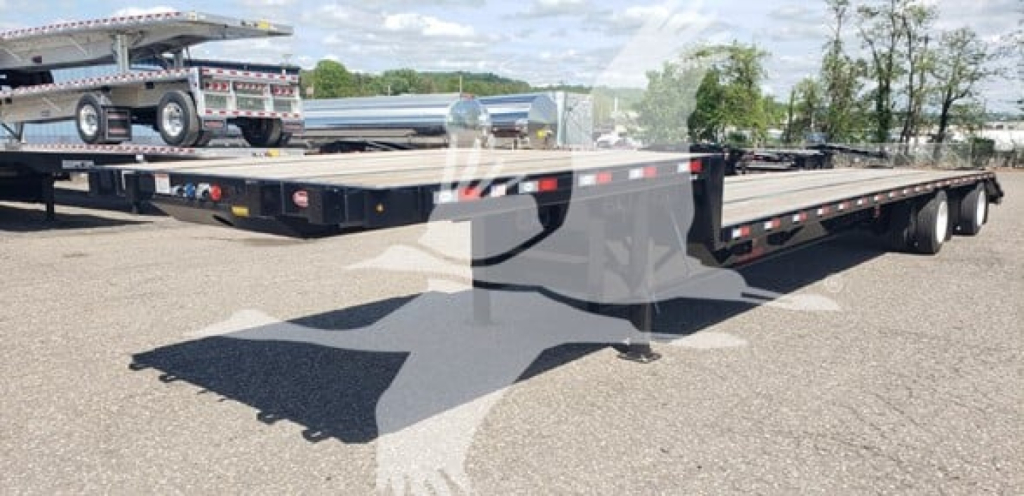
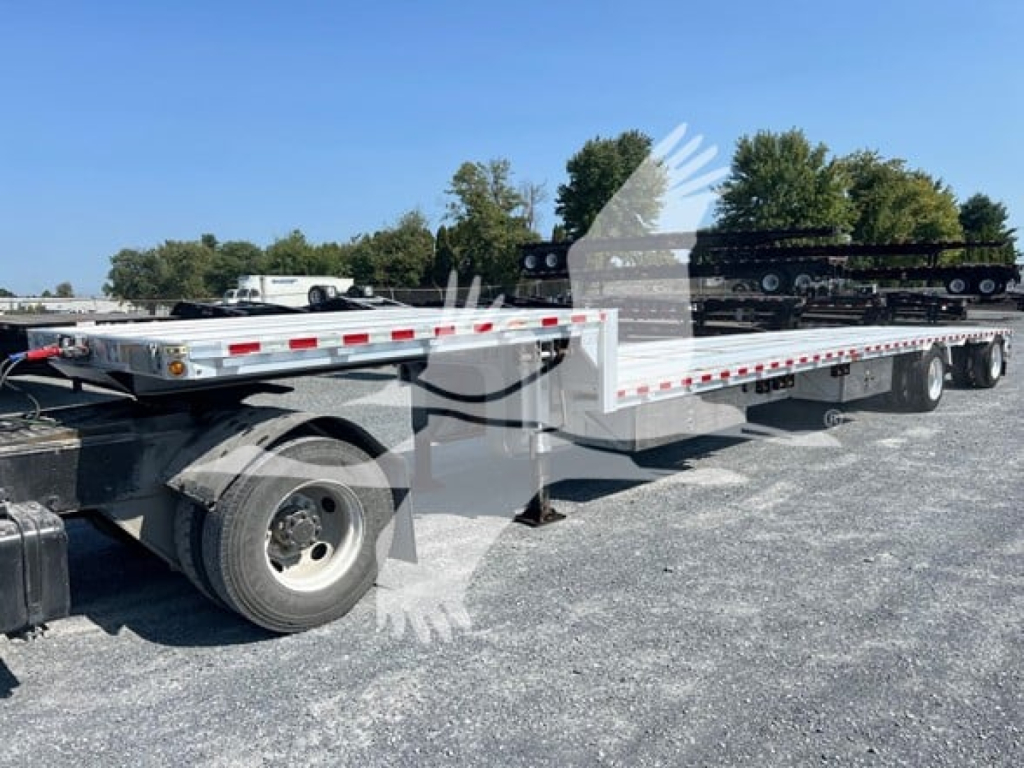
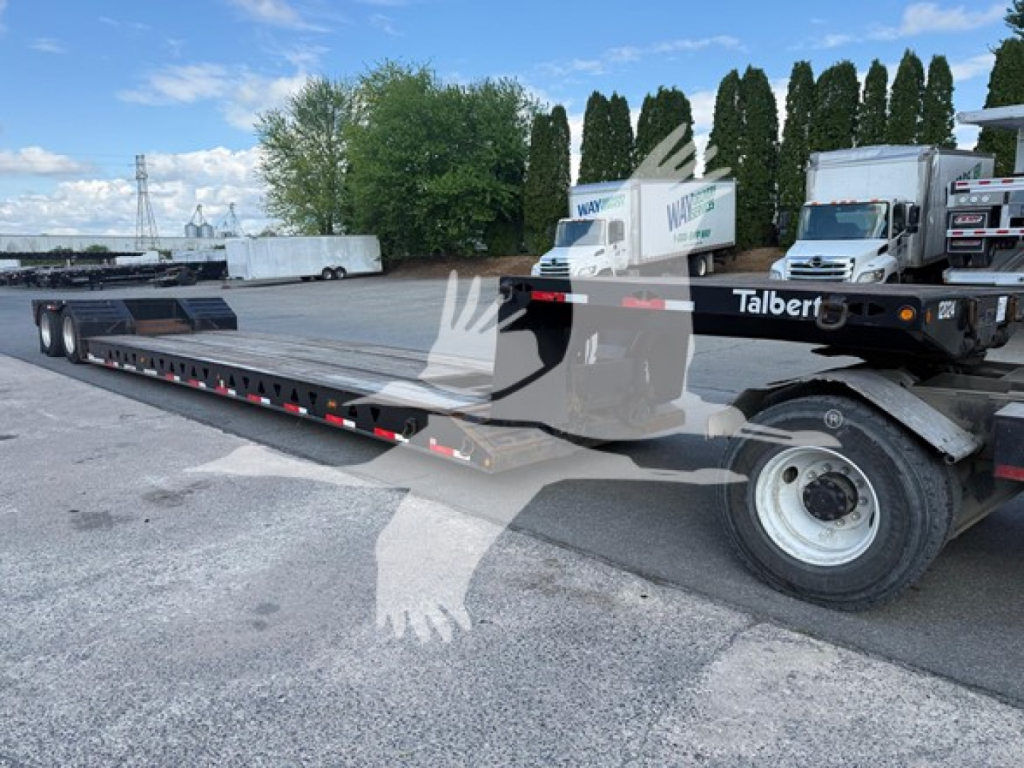
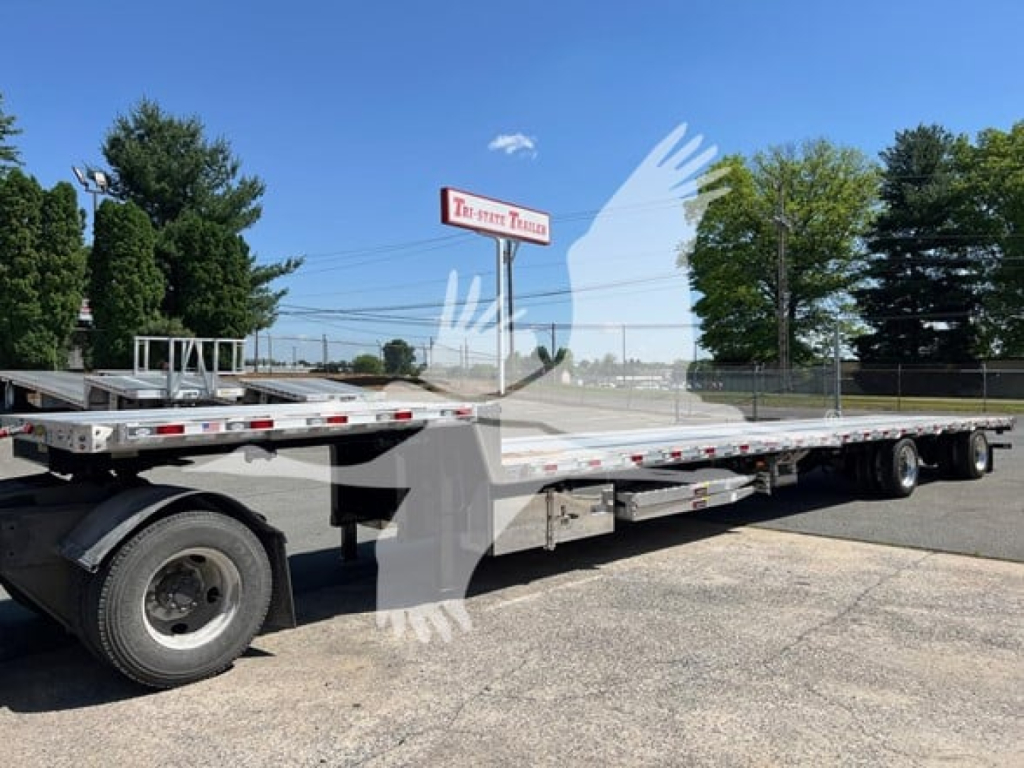
A flatbed has a full-height open deck and is commonly used for legal-height loads that need side access. A drop deck, also called a step deck, has an upper deck and a lower main deck to accommodate taller freight while staying within legal height limits. A lowboy has a much lower deck height and is designed for heavy equipment, taller machines, and concentrated loads that require very low deck clearance, detachable neck options, or specialized loading geometry.
Should I choose an aluminum or steel trailer?
Aluminum trailers are generally favored when payload matters because they weigh less and can increase legal carrying capacity. They are common in flatbed applications and some van construction. Steel trailers are usually heavier but often provide greater resistance to concentrated loading, torsional stress, and jobsite abuse, which is why they are common on drop decks, equipment trailers, and lowboys. The right choice depends on the freight, operating environment, and how much tare weight matters in the revenue model.
What specs matter most when comparing used trailers?
The most important used trailer checks include frame condition, crossmember integrity, floor wear, suspension type and condition, brake percentage, tire tread, wheel condition, landing gear function, and signs of corrosion or prior structural repair. On van trailers, inspect the rear frame, door opening, roof, side walls, and interior lining. On flatbeds and heavy-haul trailers, pay close attention to deck condition, tie-down systems, outriggers, ramps, neck area, kingpin plate, and any stress cracking around suspension hangers or loaded deck transitions.
Why do kingpin setting and axle configuration matter on a trailer?
Kingpin setting and axle layout affect weight distribution, bridge law compliance, turning radius, and how easily the trailer can be positioned in tight yards or docks. Sliding tandems give more flexibility for legal scaling and dock maneuvering, while fixed spread axles can improve stability and distribute weight differently depending on the application. On specialized trailers, axle spacing, ride height, and neck design also affect loading angle, deck height, and compatibility with the intended tractor and freight.