
Used Jet Trailers For Sale
Browse used Jet trailers for hauling aggregates, grain, scrap, and equipment. Compare specs, construction, suspensions, and trailer configurations.
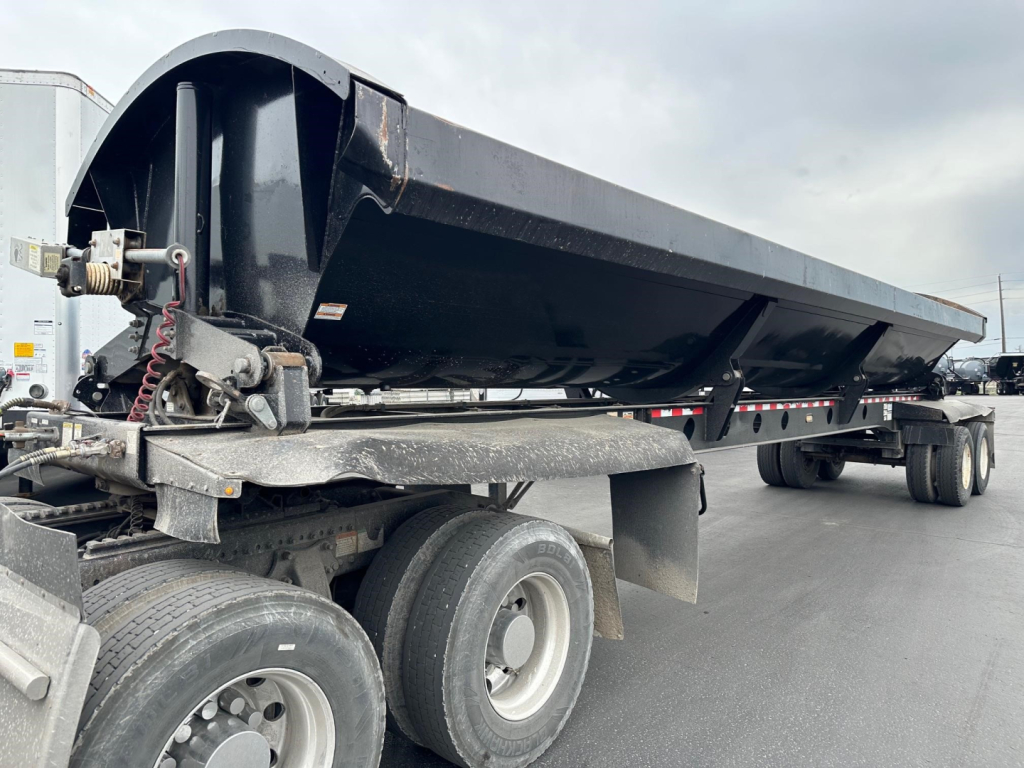
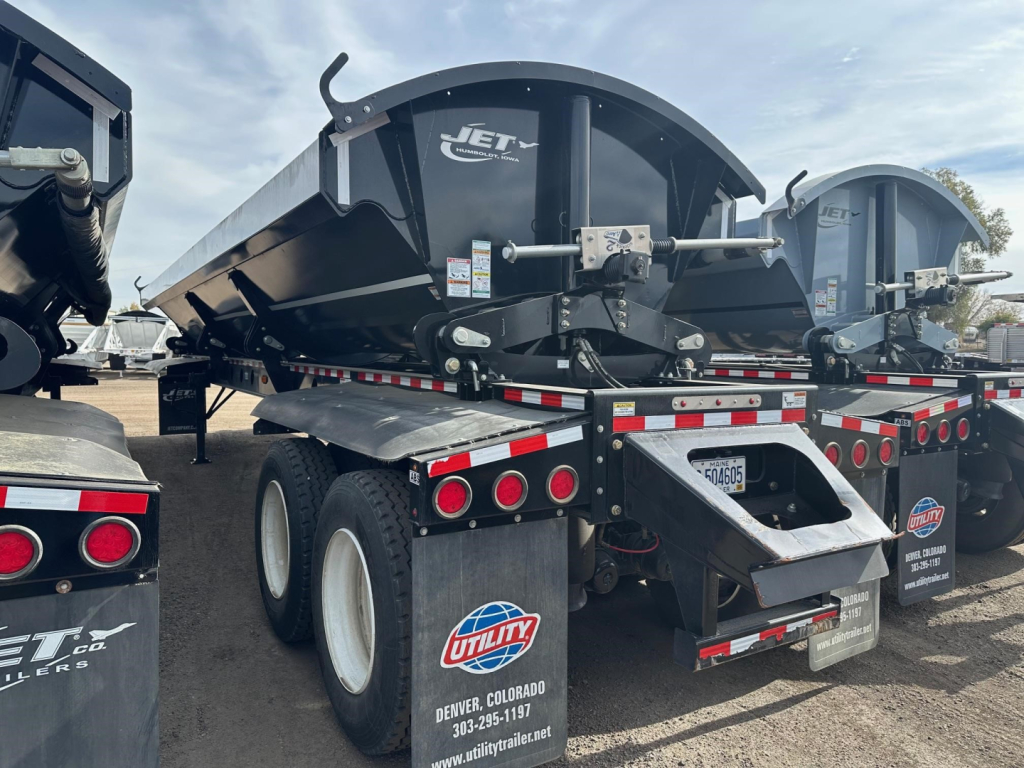
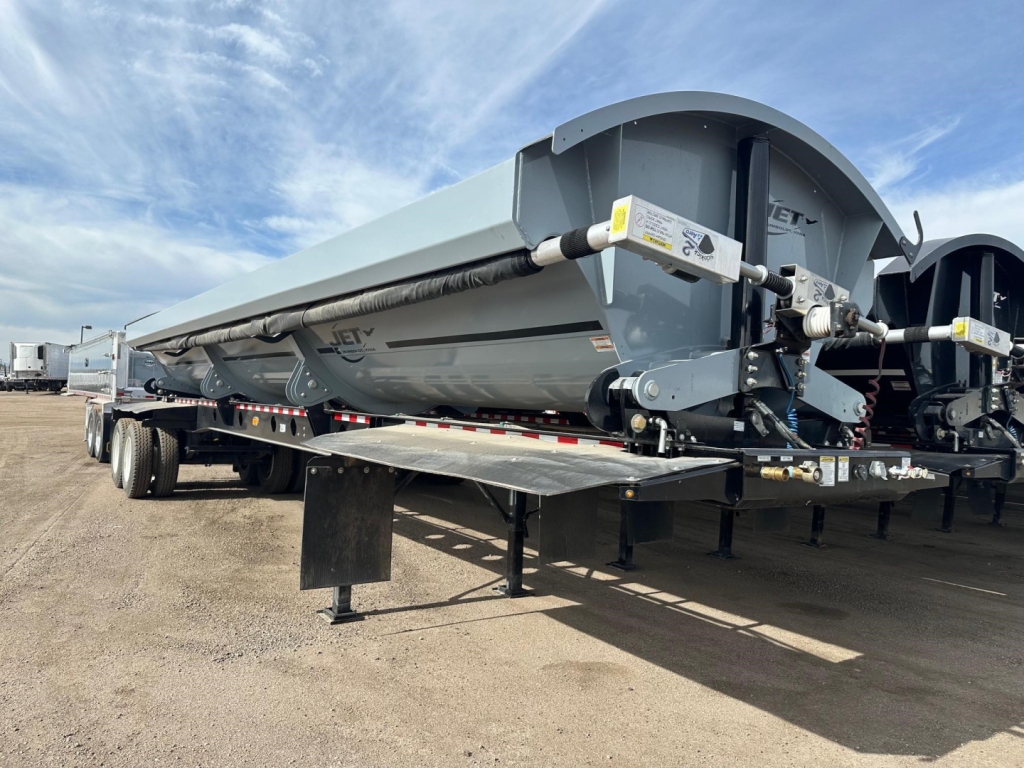
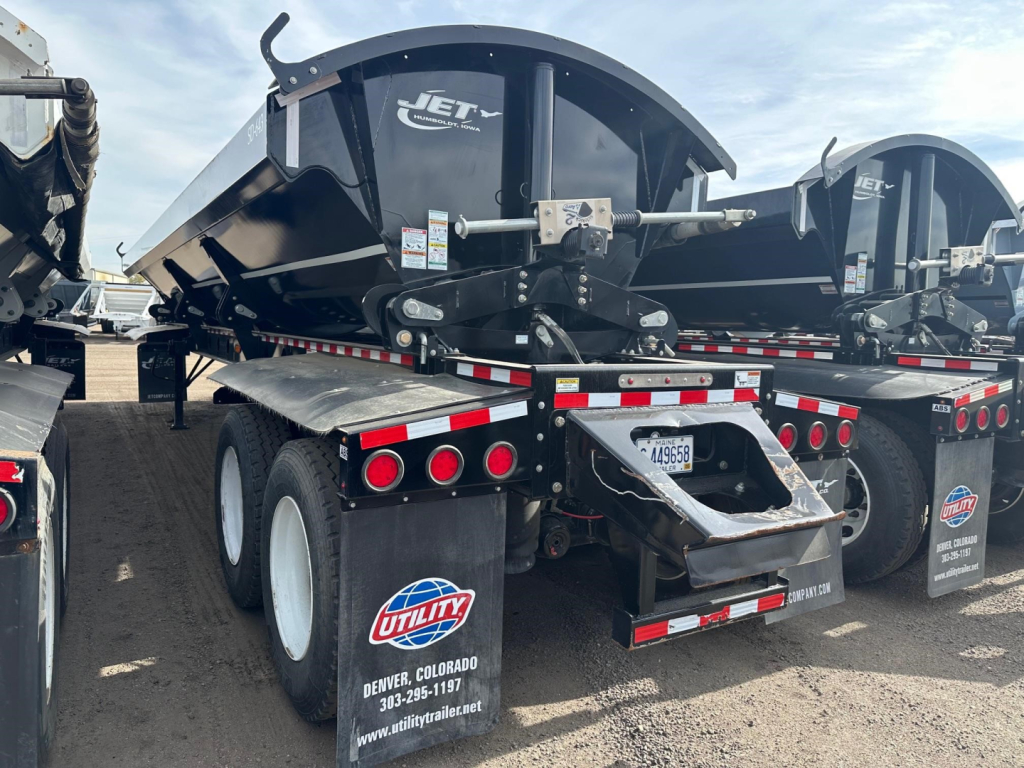
Selling a used jet trailer? List your used jet trailer for sale and reach thousands of commercial buyers.
Used Jet Trailers
On dump and side dump models, buyers usually focus on tub material, side wall design, tarp system, suspension, and chassis layout. Common specs include tandem or spread axle setups, air ride suspension, steel or aluminum wheels, and 11R22.5 or 11R24.5 tire packages. In heavier aggregate, demolition, or rock service, steel tubs with AR plate such as AR400 are common because they stand up better to abrasion and impact. Features like half-round tubs, flex corners, multiple pivot points, push blocks, front and rear fenders, and electric roll tarp systems can make a real difference in daily production and cleanup time. If the trailer has been used in harsh quarry or asphalt work, inspect the hoist or cylinder system, hinge points, crossmember condition, tub floor wear, and any cracking around high-stress areas.
For Jet hopper bottoms and grain trailers, empty weight, gate operation, tarp condition, and subframe integrity usually drive the buying decision. On Jet flatbeds and drop decks, deck length, axle configuration, kingpin setting, floor type, crossmember spacing, winch track setup, and rub rail condition are more important than cosmetic appearance. Aluminum construction can help maximize payload, but buyers should still inspect for repairs, neck cracks, floor wear, and signs of overloading. Tire inflation systems, sliding suspensions, lift axles, toolboxes, coil packages, and docking or loading accessories can add value depending on lane and commodity.
A used Jet trailer is often chosen by fleets and owner-operators who want a purpose-built trailer with straightforward spec options and strong resale recognition. The best unit is the one spec'd for the material, legal payload target, and unloading method you actually run. Before buying, compare GVWR, axle rating, body or deck dimensions, suspension type, brake condition, tire age, lining wear, and any evidence of frame or weld repairs. Service history, prior application, and overall structural condition will tell you more than model year alone.
Frequently Asked Questions about Used Jet Trailers
What should I inspect first on a used Jet trailer?
Start with the structural components that are expensive to repair. On dump and side dump trailers, inspect the tub floor, side walls, pivot points, hinges, cylinder mounts, frame rails, and crossmembers for cracks, distortion, or patchwork. On flatbeds, drop decks, and hoppers, focus on the neck, upper coupler, kingpin area, subframe, landing gear mounts, suspension hangers, and floor support structure. Tire condition, brake wear, air system leaks, tarp operation, and signs of corrosion or previous welding repairs should also be checked before cosmetic items.
Are Jet trailers better in aluminum or steel?
That depends on the application. Aluminum Jet trailers generally offer lower tare weight and better payload potential, which matters in grain, commodity, and many flatbed operations. Steel construction is often preferred in rock, scrap, demolition, and severe-duty dump work because it handles abrasion and impact better. The right choice is based on the material hauled, expected service life, repair environment, and legal weight targets in your operating area.
What axle and suspension setups are common on used Jet trailers?
Tandem axle configurations are common across many used Jet trailers, though spread axle and specialty layouts are also seen depending on trailer type and state bridge laws. Air ride suspension is popular because it improves ride quality and helps protect the trailer and cargo, while some vocational applications may use mechanical suspension for simplicity and durability. Buyers should verify axle ratings, brake spec, tire size, and whether the axle position fits their payload distribution and legal bridge requirements.
How do I choose the right used Jet trailer for my operation?
Choose by cargo type first, then by unloading method, route conditions, and weight target. Aggregates, asphalt, and demolition debris call for a different trailer spec than grain, palletized freight, or machinery. A side dump may improve unloading stability in some jobsite conditions, while an end dump may suit other material flows better. For flatbeds and drop decks, deck length, loaded deck height, tie-down equipment, and concentrated load capacity are key factors. Matching the trailer to the real job prevents under-spec'ing and expensive downtime.
Does model year matter as much as condition on a used Jet trailer?
Condition usually matters more than model year. A properly maintained older Jet trailer with documented service, sound structure, and good running gear can be a better purchase than a newer unit with heavy wear or poor repairs. The trailer's prior application is especially important because severe-duty service can accelerate wear on tubs, floors, suspension parts, and frame components. Evaluate maintenance records, structural integrity, and actual spec before using model year as the main buying factor.